 Authorized
 Chiba Designer
 PGM Maria Golf Links
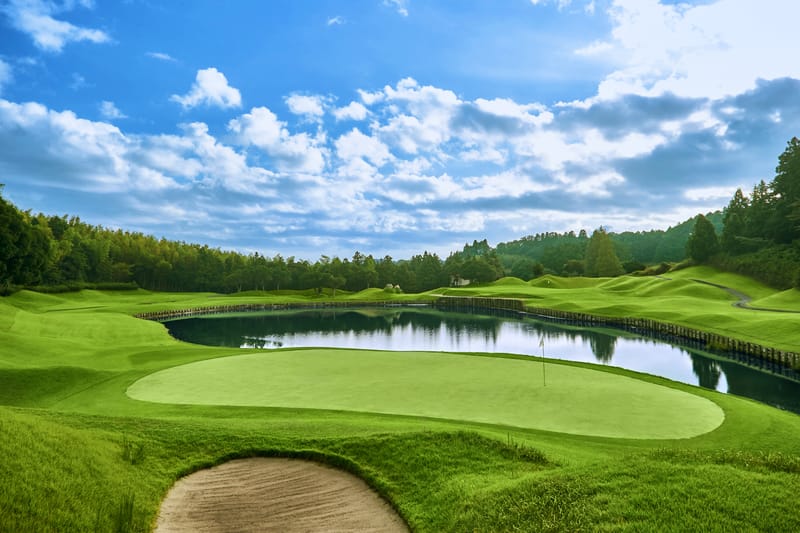
PGM Maria Golf Links features Pete Dye's first course design in Japan, bringing his signature target golf philosophy to Chiba Prefecture. The undulating terrain, vivid blue ponds, white sand, and green turf create a links-style landscape reminiscent of TPC Sawgrass. The signature 17th hole features one of only three Pete Dye island greens in the world, alongside TPC Sawgrass and PGA West.
View Course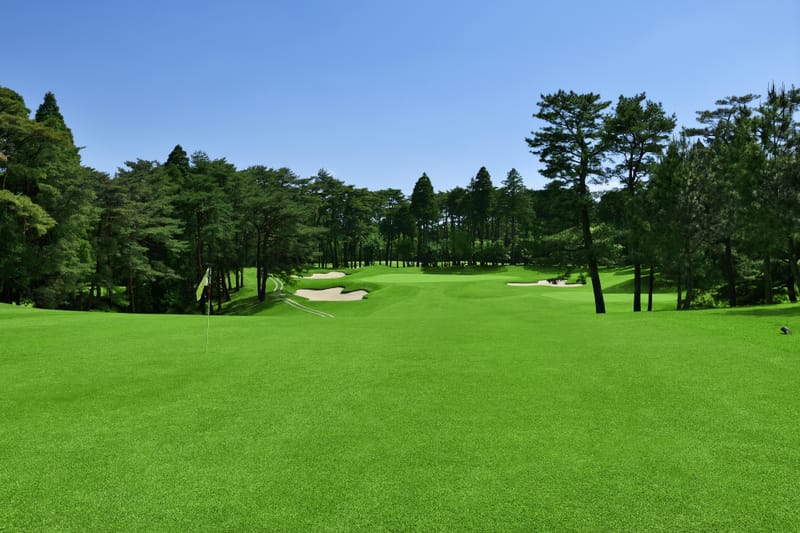 Authorized
Chiba Multi-Course
Authorized
Chiba Multi-Course PGM Sohsei Golf Club
PGM Sohsei Golf Club features 27 holes across three courses — West, East, and South — set on the Hokuso Plateau of Chiba Prefecture. Designed by Izusuke Izumi and Sadakichi Mano, each course offers distinct character through strategic bunkering, elevation changes, and water hazards. The signature floating island green on the South Course's 2nd hole is one of the most dramatic in the Kanto region.
View Course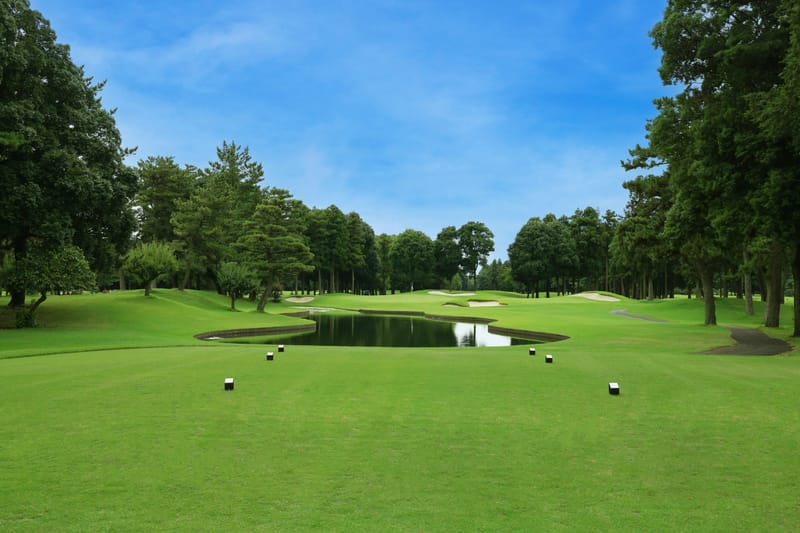 Authorized
 Chiba Championship
 Narashino Country Club
Home to the ZOZO Championship — Japan's only PGA Tour event — Narashino Country Club is a 36-hole woodland course where Tiger Woods claimed his record-tying 82nd PGA Tour victory in 2019. The King Course features narrow, tree-lined fairways that have tested the world's best players since 1965, while the Queen Course offers a more accessible yet strategic layout with ponds and gentle terrain.
View Course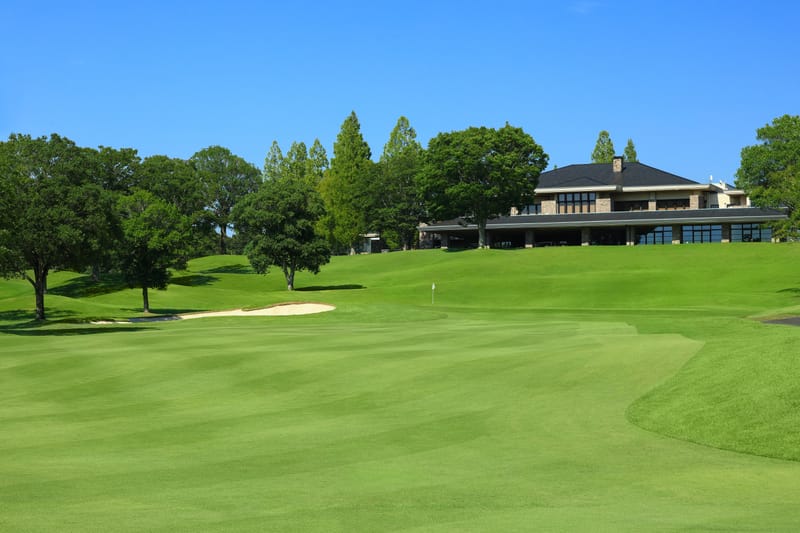 Authorized
Chiba Premium
Authorized
Chiba Premium Narita Golf Club
Designed by Taizo Kawada and opened in 1988, Narita Golf Club embodies the British club tradition with strict dress codes and an emphasis on exclusivity. Ranked among Japan's top 15 courses by Golf Digest Japan, each of the 18 holes tells its own story through strategic water hazards, narrow fairways, and bentgrass single greens. The club hosted the 2017 Japan Airlines Championship, Japan's first US PGA Senior Tour-sanctioned event.
View Course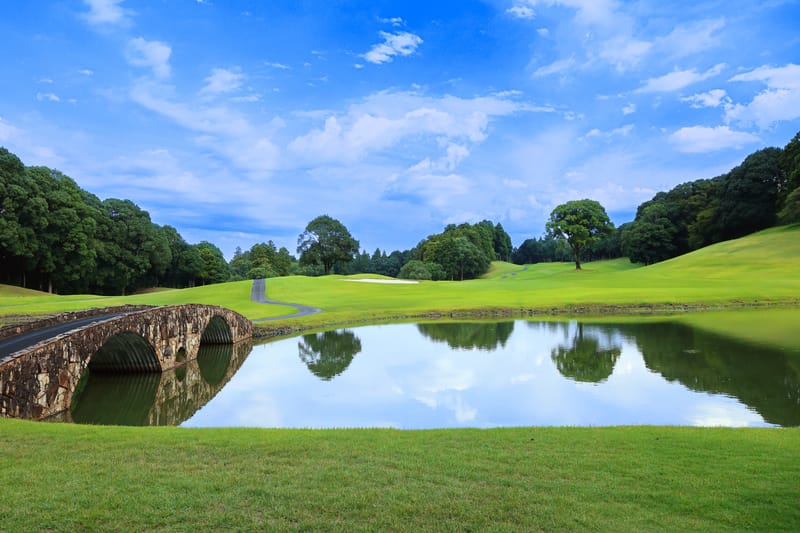 Authorized
Chiba Championship
Authorized
Chiba Championship Oak Hills Country Club
Oak Hills Country Club holds a unique place in Japanese golf history as the country's first bentgrass single-green course, designed by Robert Trent Jones Jr. and opened in 1982. Set on the Kanto Plateau in Katori City, the American-style woodland layout has hosted 11 professional tournaments including the inaugural Golf World Championship. The signature 16th hole features a commanding oak tree at 330 yards with a pond-fronted green.
View Course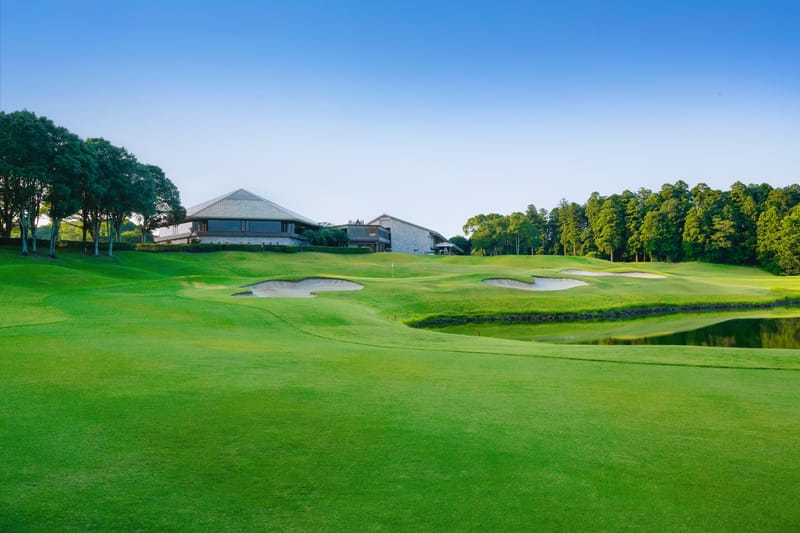 Authorized
Chiba Championship
Authorized
Chiba Championship Glen Oaks Country Club
Designed by Robert Trent Jones Jr. and opened in 1989, Glen Oaks Country Club is the sister course to Oak Hills, featuring some of the largest and most severely undulating greens in Japan — averaging 800 square meters with a maximum of 1,000. The front nine demands strategic shot-making through tight corridors and grass bunkers, while the back nine opens up for power players. The club has hosted four JLPGA Tour events.
View Course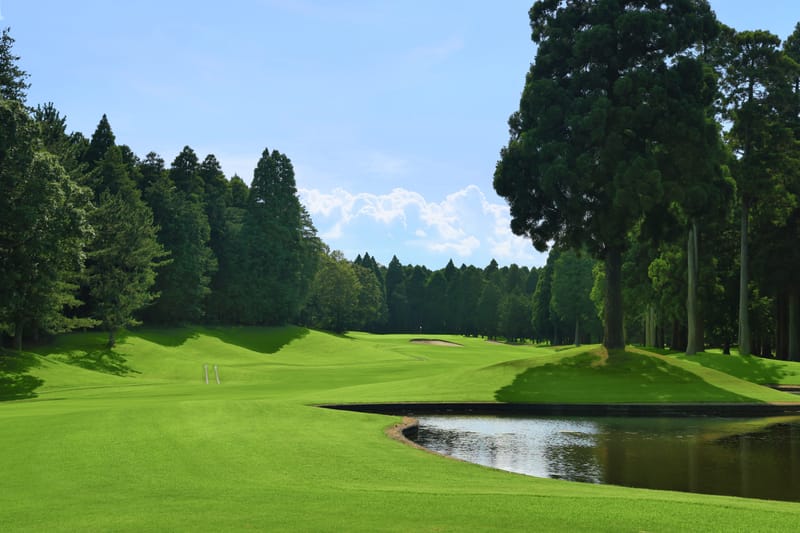 Authorized
Chiba Multi-Course
Authorized
Chiba Multi-Course Higashi Chiba Country Club
Higashi Chiba Country Club offers 36 holes across two distinct courses framed by towering Yambu cedars in Togane City. The East Course stretches to 7,181 yards with dramatic elevation changes and artful pond placement on the closing hole, while the West Course rewards precision with faster greens and sharper breaks. Located just 5 minutes from Togane IC, the club provides easy access from central Tokyo.
View Course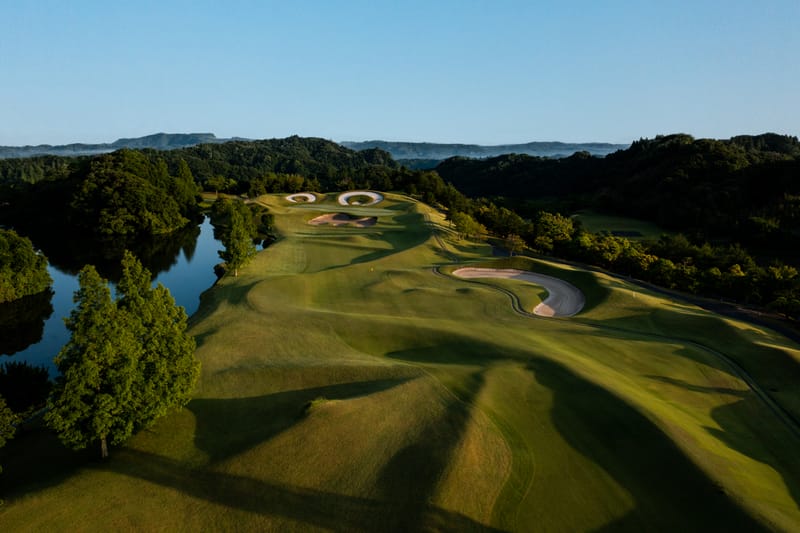 Authorized
Oak Village
Oak Village, in Ichihara, Chiba, is an 18-hole, par-72 championship course designed by the world-renowned Desmond Muirhead, with each hole shaped around the legend of King Arthur. Water comes into play on 13 of the 18 holes, and the vast greens, averaging around 1,000 square meters, are heavily contoured, demanding precise shotmaking from start to finish. Its course rating of 73.6 ranks among the toughest in the prefecture, and the club has hosted the JLPGA Golf5 Ladies tournament.
View Course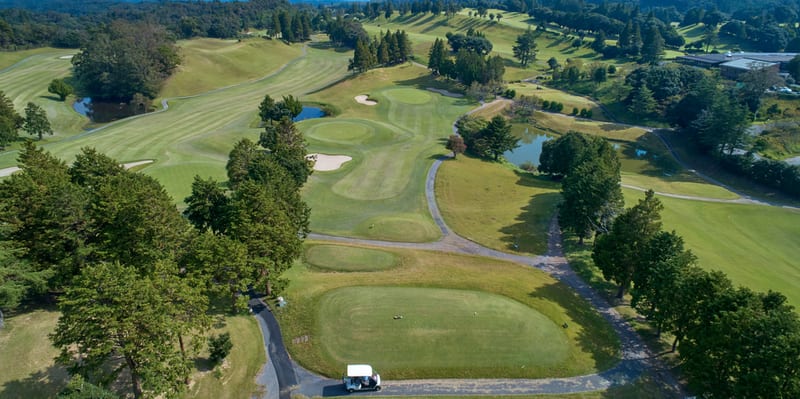 Authorized
Daichiba Country Club
Daichiba Country Club, in Ichihara, Chiba, is a 27-hole, par-108 hillside course laid out across the Out, In and East nines and running to 9,950 yards. Opened in 1971 and shaped to follow the gentle contours of the Boso hills, it is best known for its access: the Ichihara-Tsurumai interchange is just two minutes away, making it the closest course to an expressway of any in Chiba, with check-in possible an hour from central Tokyo. Wide, forgiving fairways, often used for television filming, give way to receptive, undulating two-tier greens that reward a careful putter.
View Course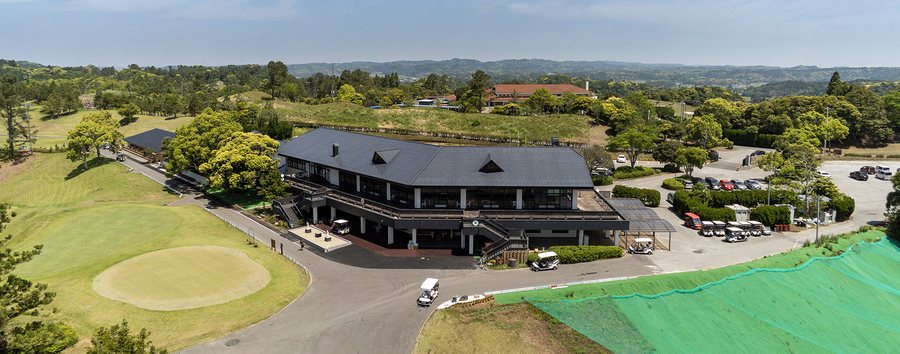 Authorized
Nihon Cheung Kong Golf Club
Nihon Cheung Kong Golf Club, in Ichihara, Chiba, is an 18-hole, par-72 hillside course designed by Hiroshi Umezawa and measuring 6,421 yards. Routed through the gentle Boso hills with short intervals between holes, it rewards placement over power: the front nine is shorter but full of variety, with the 5th and 6th demanding accurate tee shots, while the back nine turns trickier and headlines the par-5 15th, where a large pond guards the green yet tempts big hitters to go for it in two. Two bentgrass greens and cannily placed bunkers keep every hole honest. Just 8 km from the Ichihara-Tsurumai interchange and about 70 minutes from central Tokyo, it is also known for genuine value — a relaxed round paired with a lunch that includes free-flowing drinks.
View Course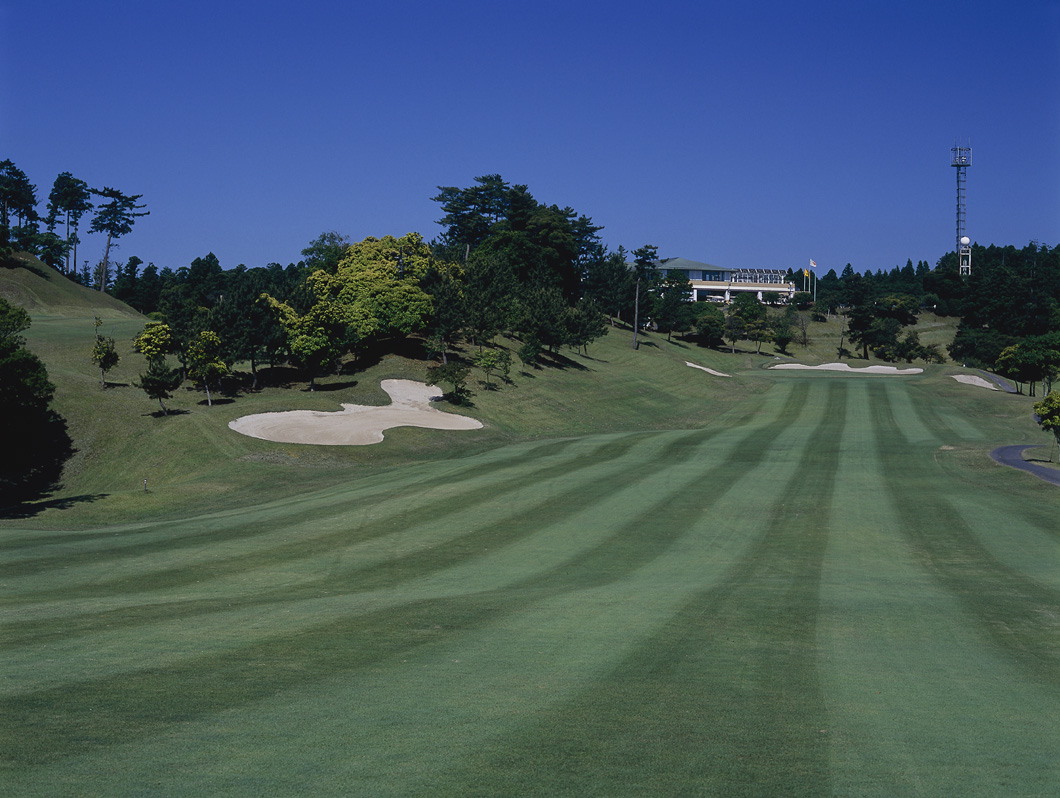
Chiba Sakuranosato Golf Club
Chiba Sakuranosato Golf Club is an 18-hole, par-72 hilly course located in Tabe, Katori City, Chiba Prefecture. The course measures 7,110 yards and was designed by architect Mitsuo Yoshizaki, opening in 1984. It sits roughly 9 kilometers from the Sawara-Katori interchange on the Higashi-Kanto Expressway. The club operates without caddies, using a self-drive system instead: players use riding carts equipped with GPS navigation that seat up to five people. A regular bath facility is available on site after a round, rather than a natural hot-spring onsen. As a hilly-terrain course, the layout follows the natural contours of the land rather than flat or coastal ground. At 7,110 yards over 18 holes with a par of 72, the course is a standard full-length par-72 test. Its location in Katori, Chiba, places it within reach of the Tokyo metropolitan area via the Higashi-Kanto Expressway.
View Course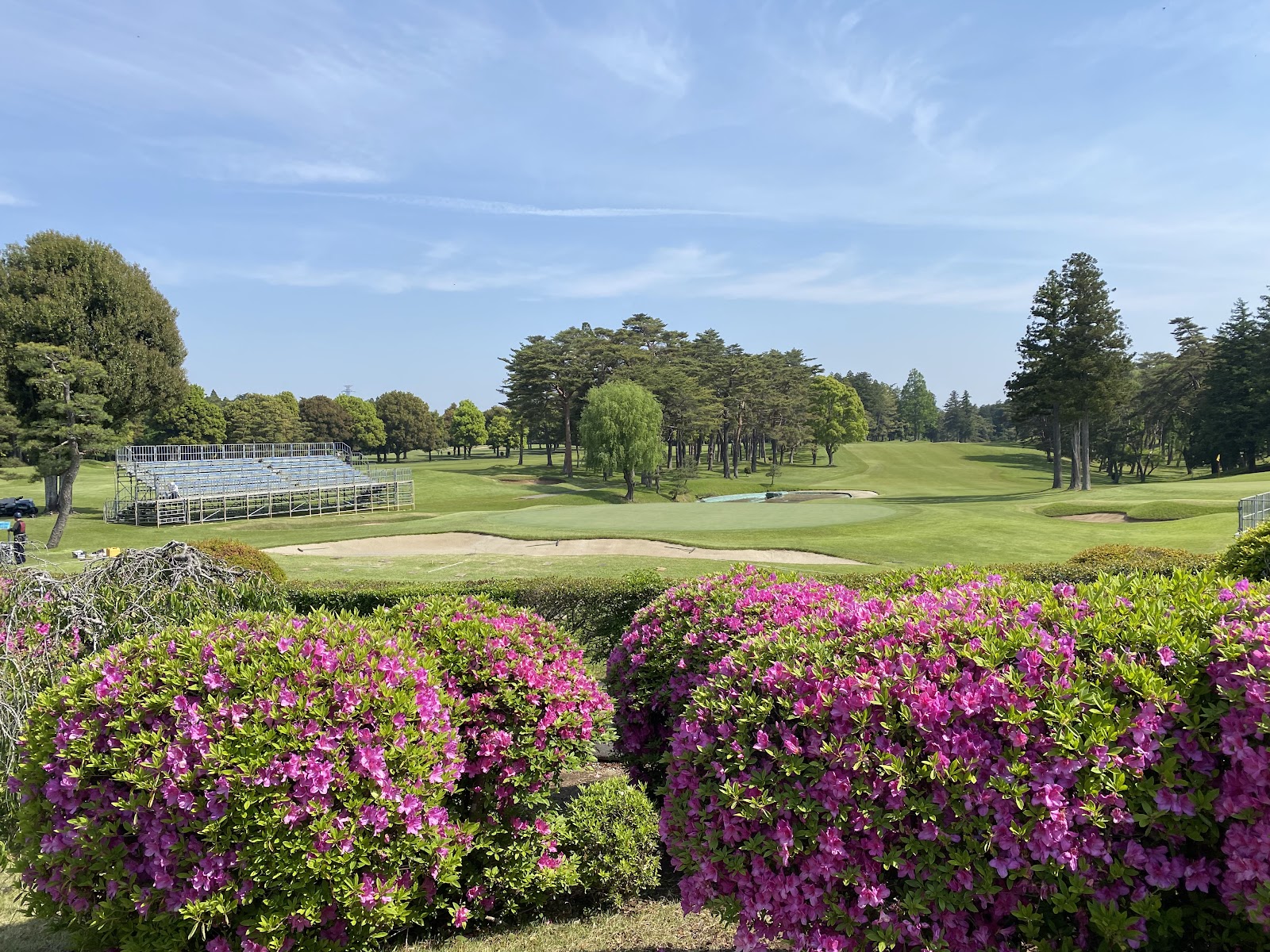
Sodegaura Country Club
Sodegaura Country Club is an 18-hole, par-72 course in Chiba, one of two 18-hole courses operated at the club. The course sits on hilly terrain and was designed by Izumi Ichisuke, opening in 1960. From the back tees the course plays 7,138 yards. Caddy service is required for all rounds, and the clubhouse includes bathing facilities for guests after play. The club is reached by a dedicated club bus that departs from Kamatori Station, making it accessible without a private car. Green fees start at 29,836 yen on weekdays and 37,536 yen on weekends. With more than six decades of history, Sodegaura Country Club is one of the older golf facilities in the Chiba area, and its hilly routing gives the layout natural elevation change across the 18 holes.
View Course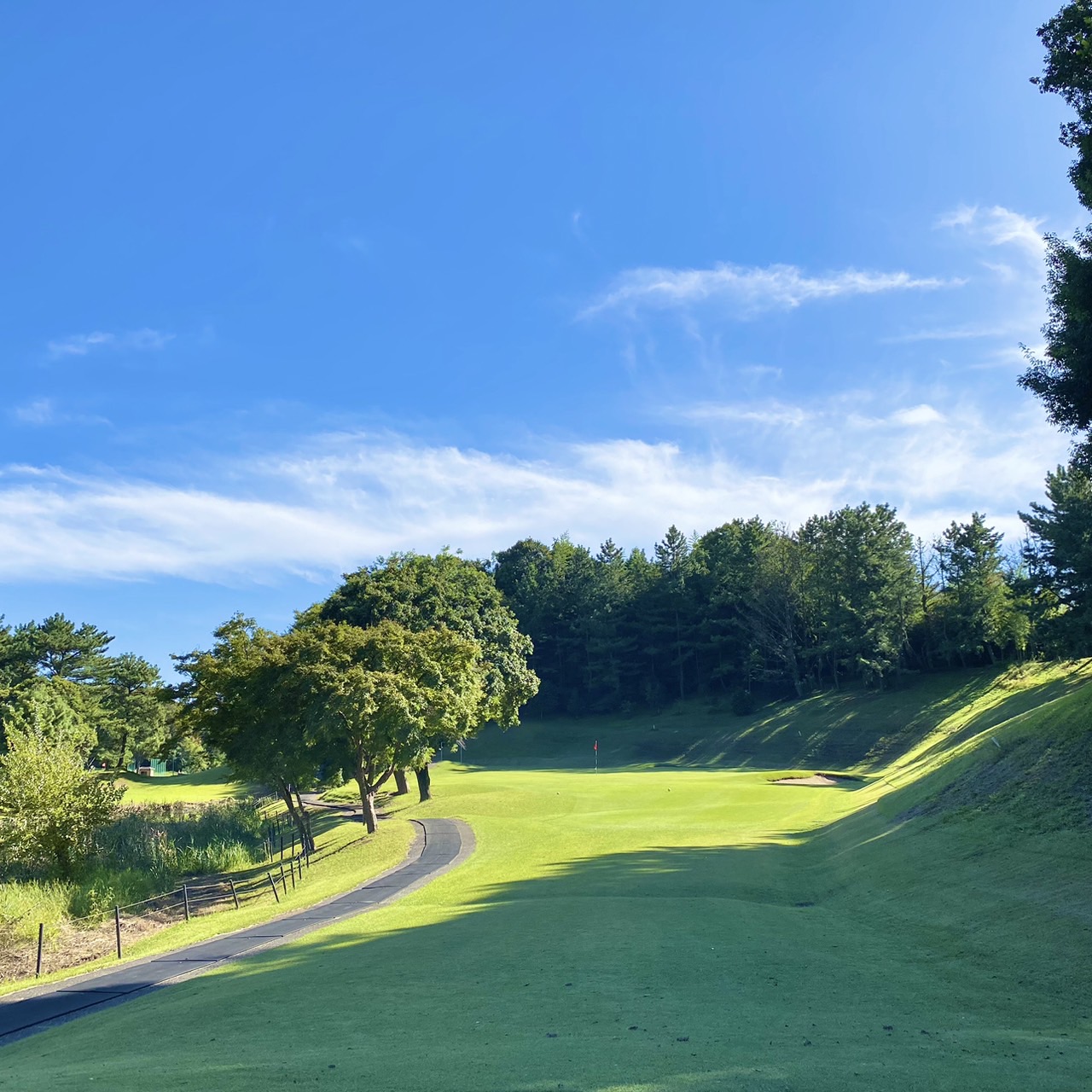
Little Green Valley Funabashi
Little Green Valley Funabashi is a 9-hole course in Shirai, Chiba Prefecture, with a par of 28 over 1,399 yards. The short layout suits players working on iron play and short-game accuracy rather than long tee shots. The course operates without caddie service, so groups play on their own pace throughout the round. Access is from Chiba New Town Chuo Station on the Hokuso Line and Narita Sky Access Line, making it reachable without a car for golfers staying in central Chiba or near Narita. Green fees start at 2,700 yen on weekdays and 3,700 yen on weekends, among the more affordable options in the greater Tokyo area. For visitors balancing a Narita Airport arrival or departure with a quick round, the compact 9-hole format and station access make it a practical stop rather than a full-day outing. Course type details beyond yardage and par are limited in the record, but the scale points to a course built for pace and repeatable practice rounds rather than championship length.
View Course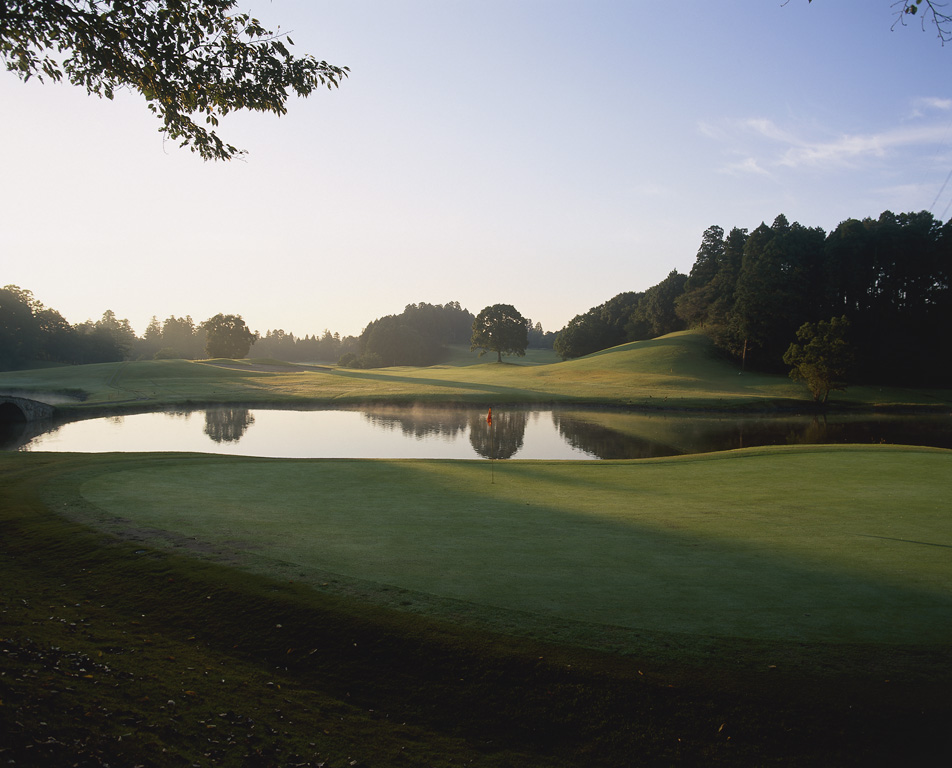
Oak Hills Country Club
Oak Hills Country Club is an 18-hole, par-72 woodland course in Katori, Chiba Prefecture, designed by Robert Trent Jones Jr. and opened in 1982. The course plays to a total yardage of 6,900 yards across its wooded layout. Golfers reach the club via the Higashi-Kanto Expressway, exiting at Taiei Interchange, roughly a 25-minute drive from the highway. Play proceeds on 5-seat riding carts fitted with remote control; since June 2025 the club has offered a paid option for carts to enter the fairway directly, a convenience not available at every Japanese course. Caddy service is optional, giving visitors the choice of a guided round or a self-navigated one. After the round, the clubhouse offers a bath facility for golfers to unwind. With a Robert Trent Jones Jr. design pedigree and a course length approaching 6,900 yards, Oak Hills suits golfers looking for a full-length woodland test within reach of the Tokyo metropolitan area via the Higashi-Kanto Expressway.
View Course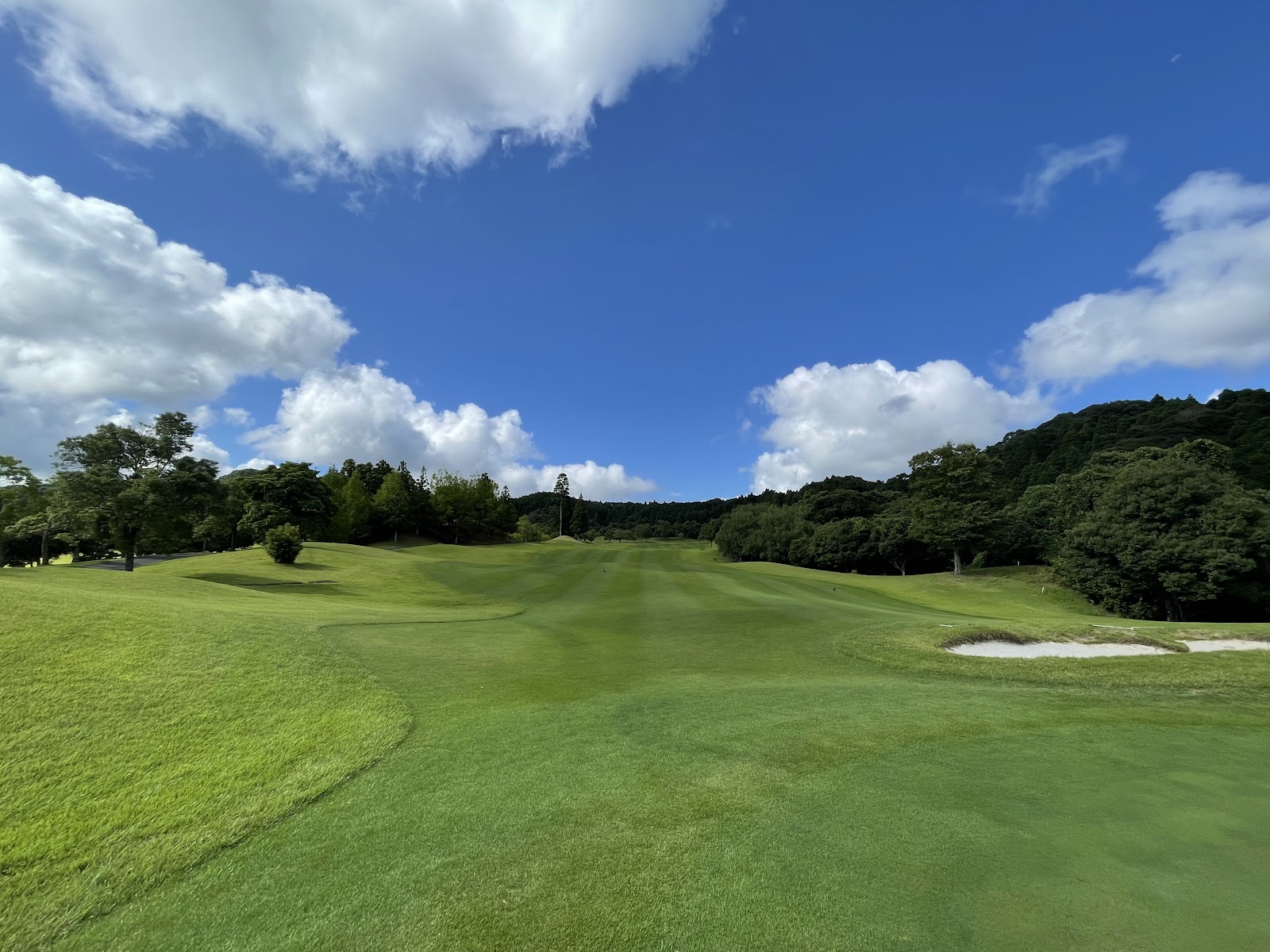
Otakijo Golf Club
Otakijo Golf Club is a 27-hole, par-108 facility in Otaki, Chiba, made up of three nine-hole courses totaling 9,733 yards over hilly terrain. The layout was designed by Gary Player and Takeaki Kaneda. The club is located in Uehara, Otaki-machi, Isumi District, and is reached by car, with the Ichihara-Tsurumai interchange about 16 kilometers away, the Ichihara IC roughly 35 kilometers away, and the Kisarazu-Kaneda IC about 28 kilometers away. Players can choose between caddied and self-drive rounds, with riding carts available in both 2-seat and 5-seat self-driving configurations. The clubhouse includes a bath. With three separate nine-hole loops, the course allows for multiple 18-hole combinations, and its design credit split between Gary Player and Takeaki Kaneda distinguishes it among Chiba's hilly-terrain courses. Access runs through three different expressway interchanges at varying distances, giving visitors several route options depending on where they are coming from.
View Course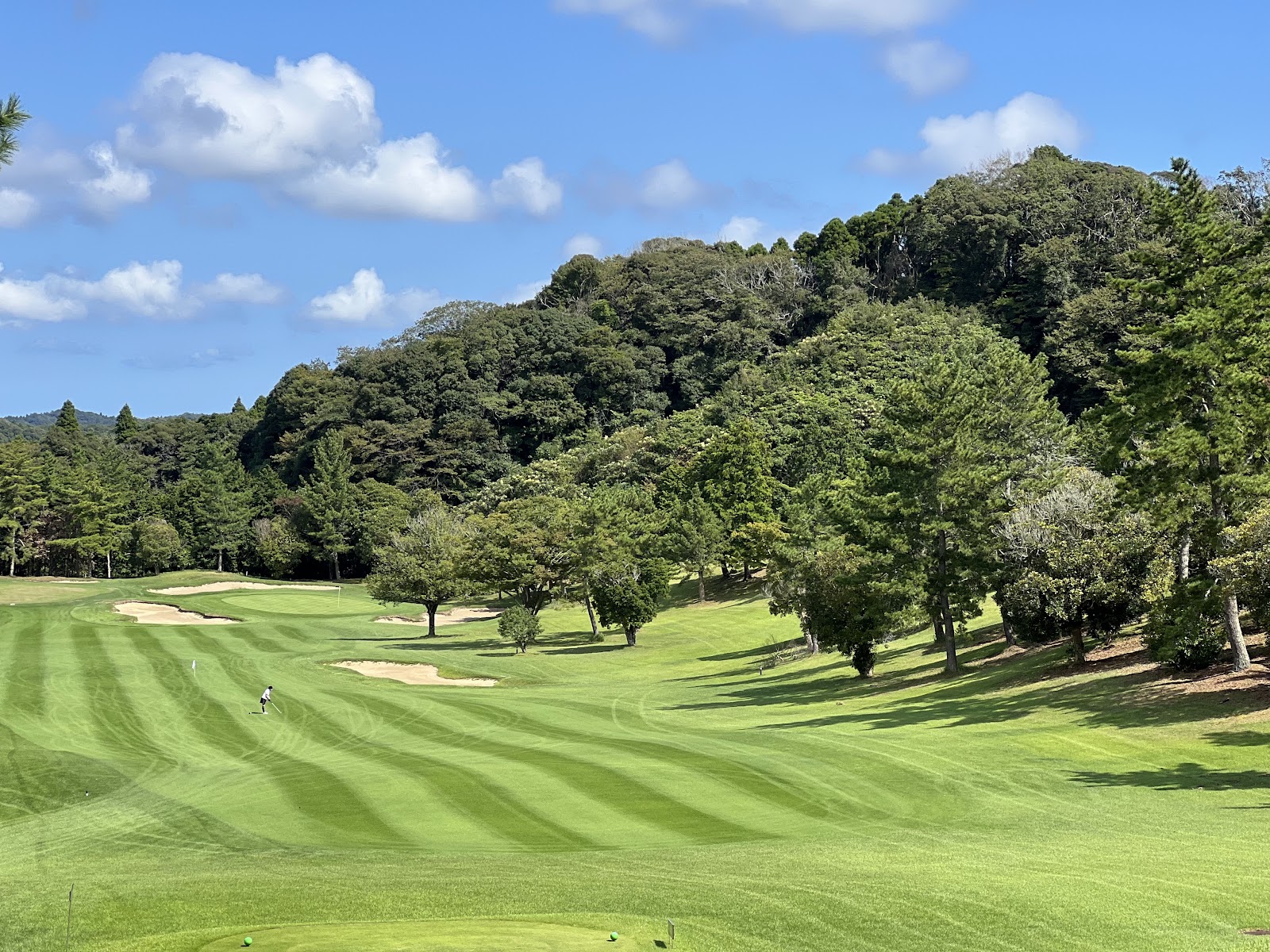
Chiba Isumi Golf Club
Chiba Isumi Golf Club is a 27-hole, par-108 course in Otaki, Chiba, comprising three nine-hole layouts across 11,008 yards of hilly terrain. Designed by Koukichi Yasuda and Shiro Kawamura, the club opened in 1979 in Itaya, Otaki-machi, Isumi District. Visitors can reach the course by a club shuttle bus from JR Mobara Station, or by car via the Ken-O Expressway, with the Ichihara-Tsurumai interchange about 20 minutes away and the Kisarazu-Higashi interchange about 25 minutes away. Caddy service is required for all rounds, and play is by riding cart. Weekday green fees start at 6,700 yen. The clubhouse includes an onsen bath. At 11,008 total yards across three nines, Chiba Isumi is one of the longer 27-hole layouts in the Otaki area, and its mandatory-caddy format together with an onsen facility distinguishes its service style from self-drive, cart-only clubs.
View Course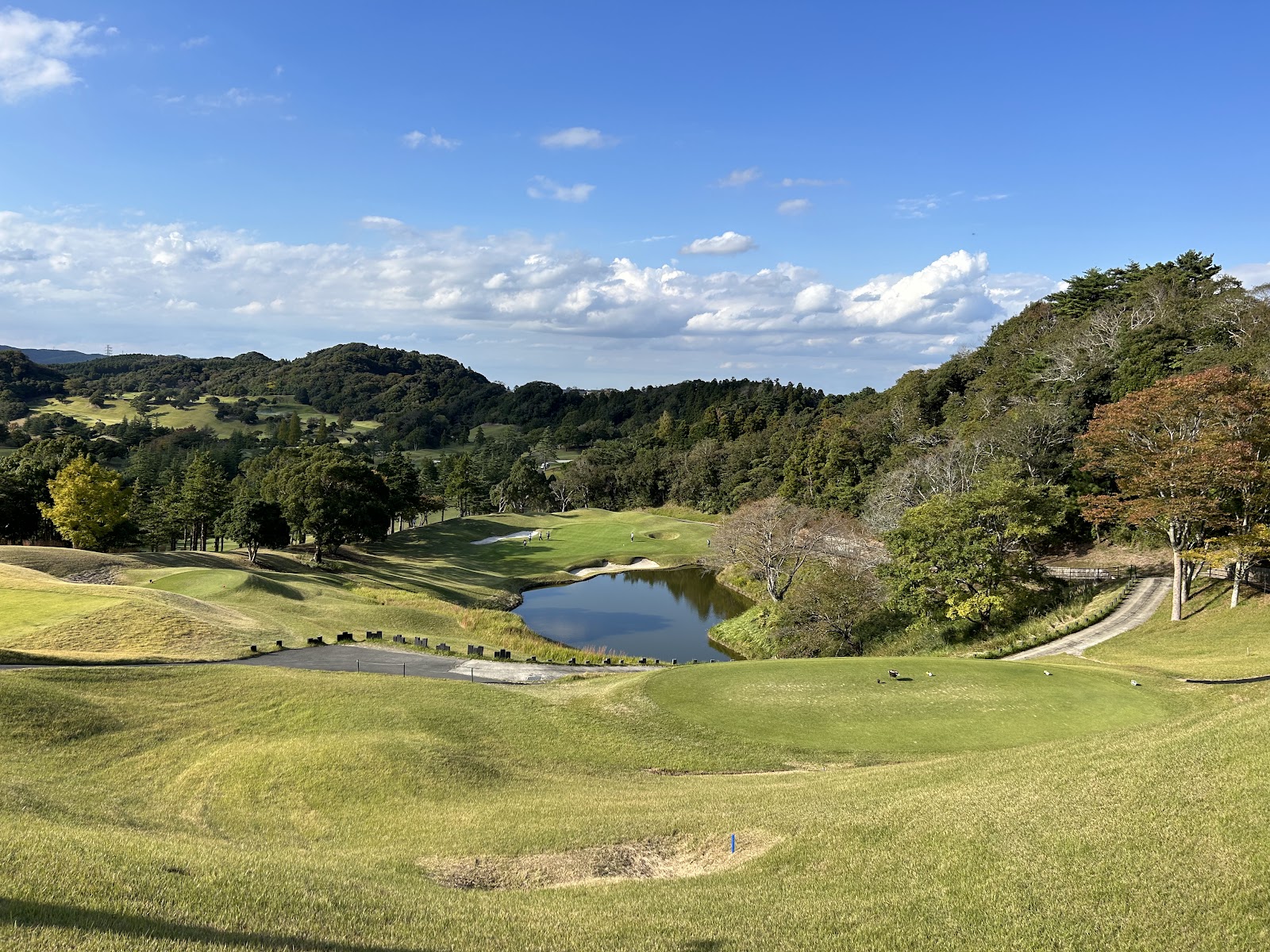
Kazusa Monarch Country Club
Kazusa Monarch Country Club is an 18-hole, par-72 course set on hilly terrain in Kimitsu, Chiba Prefecture. Designed by Jack Nicklaus and opened in 1984, the course plays to a total yardage of 7,056 from the back tees. Riding carts are five-seat models fitted with remote controls, and caddy service is optional, letting groups choose a self-drive or caddied round. The course sits in Kimitsu, roughly 20 to 25 minutes from the Ken-O Expressway's Kisarazu Higashi interchange, or about 35 to 40 minutes from the Tateyama Expressway's Anesaki-Sodegaura interchange, making it accessible from both the Tokyo Bay Aqua-Line corridor and central Chiba. As a Nicklaus design from the mid-1980s, the layout reflects the hilly topography typical of the Boso Peninsula golf belt around Kimitsu, an area with a concentration of courses built during Japan's golf course expansion of that decade.
View Course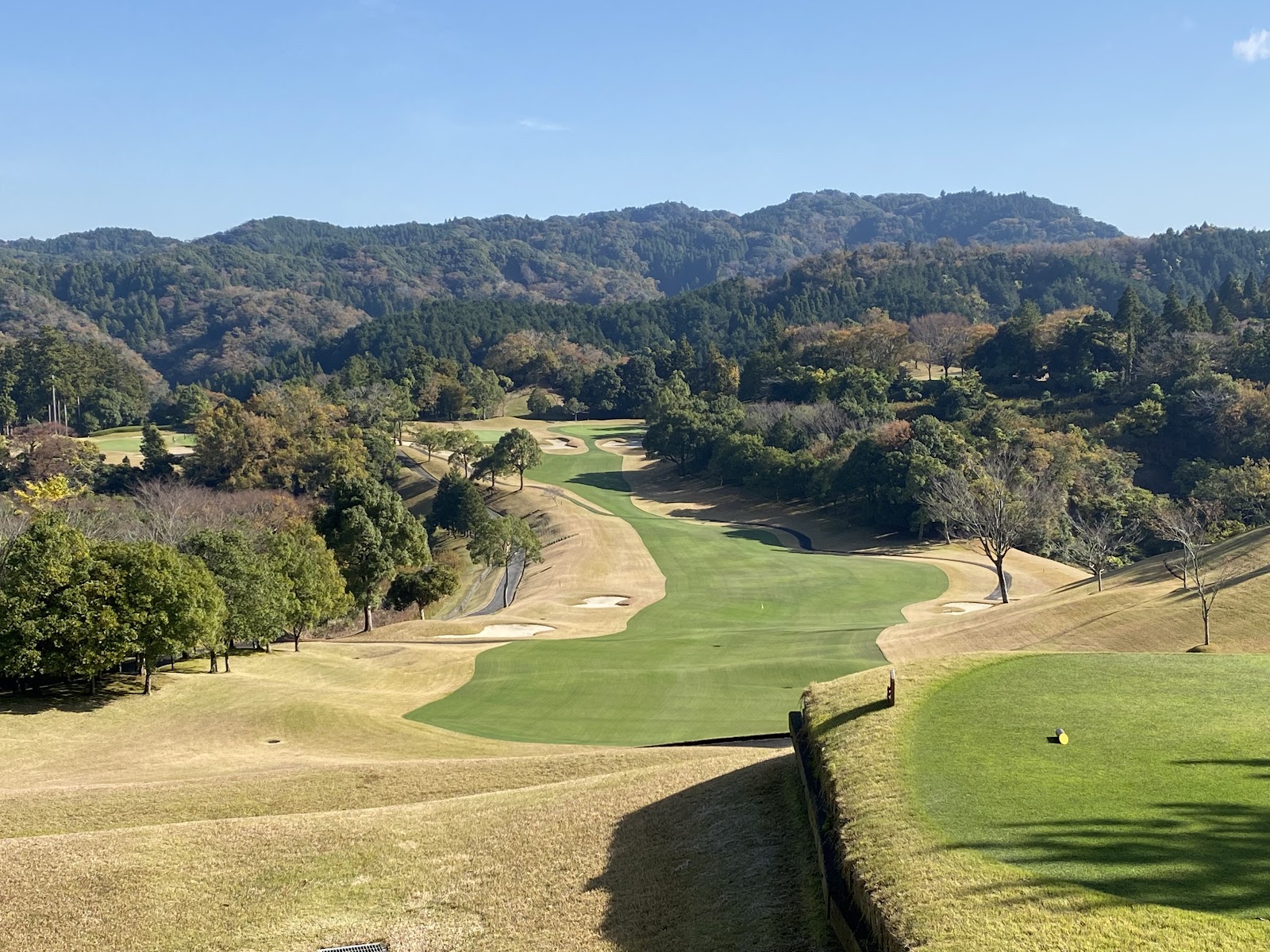
Royal Star Golf Club
Royal Star Golf Club is a 27-hole facility in Kimitsu, Chiba, comprising three nine-hole courses for a combined par of 108 and total yardage of 10,547. The Out and In nines were designed by Noriyuki Miyoshi, while the New course was designed by Katsumi Takizawa; the club opened in 1987 on hilly terrain. Green fees start from 7,600 yen on weekdays and 12,500 yen on weekends. Golfers ride in electric, remote-controlled carts equipped with cart navigation, and caddy service is optional. The club is well positioned for Tokyo-area visitors: it's about 13 to 15 minutes from the Ken-O Expressway's Kisarazu Higashi interchange via the Tokyo Bay Aqua-Line, around 25 minutes from the Keiyo Road's Anesaki-Sodegaura interchange, and about 25 minutes from the Tateyama Expressway's Kimitsu interchange. With three routings to combine, the 27-hole layout offers flexibility for groups wanting a different composition each round.
View Course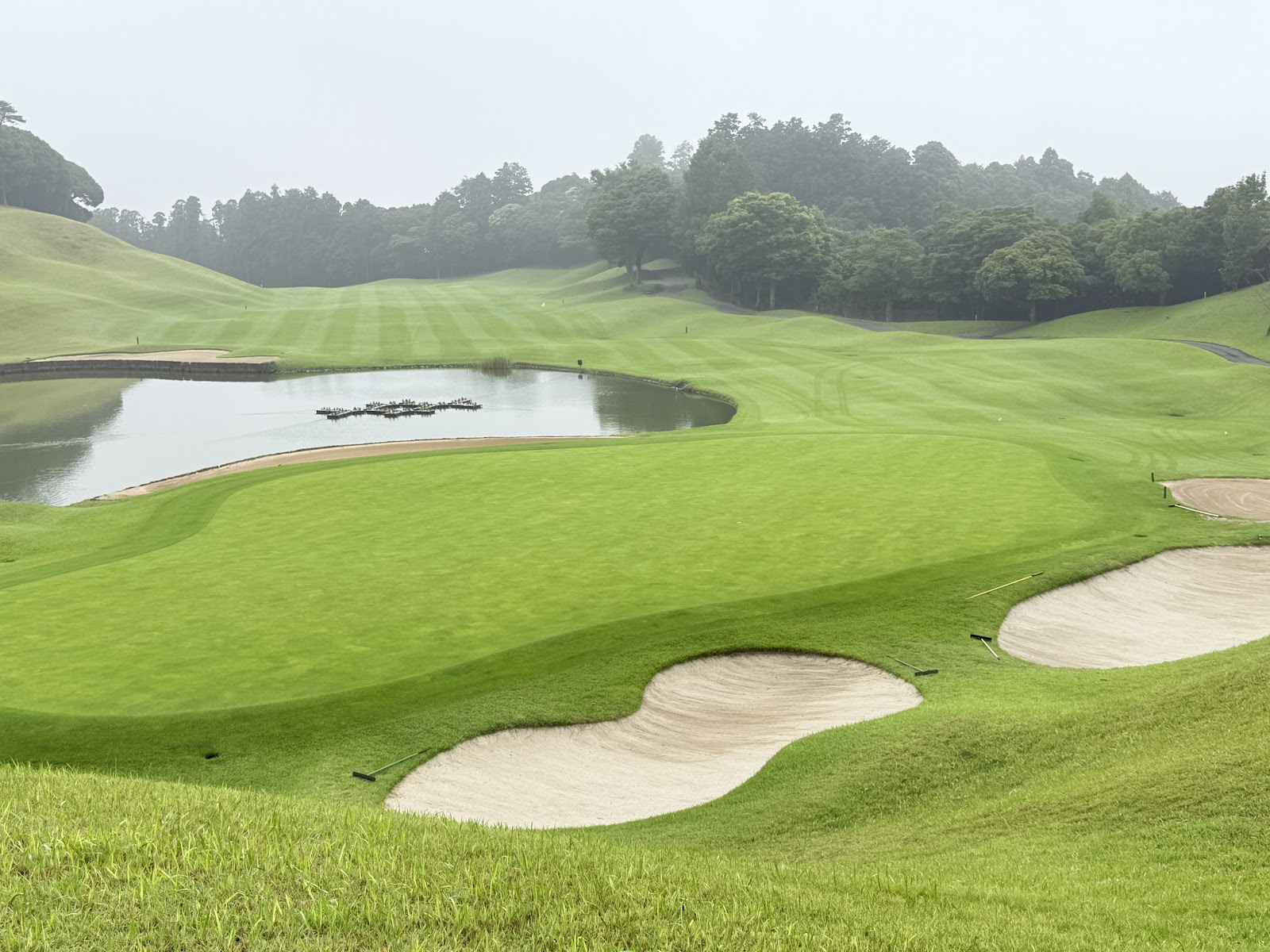
Gold Kisarazu Country Club
Gold Kisarazu Country Club is an 18-hole, par-72 course in Kimitsu, Chiba Prefecture, designed by Isao Aoki, with a total yardage of 6,856. The club does not offer caddy service; golfers use GPS-navigation-equipped, self-drive riding carts for every round. It's reachable from JR Uchibo Line's Kimitsu Station by taxi in about 35 minutes, or from the Tateyama Expressway's Kimitsu interchange in around 13 minutes, making it one of the more accessible courses in the Kimitsu golf area for drivers coming off the expressway. As an Isao Aoki design, the course carries the signature of one of Japan's best-known professional golfers turned architect. The self-drive, GPS-cart format suits golfers who prefer to set their own pace, and the course's par-72 routing over 6,856 yards keeps it within a standard championship-style yardage range for the region.
View Course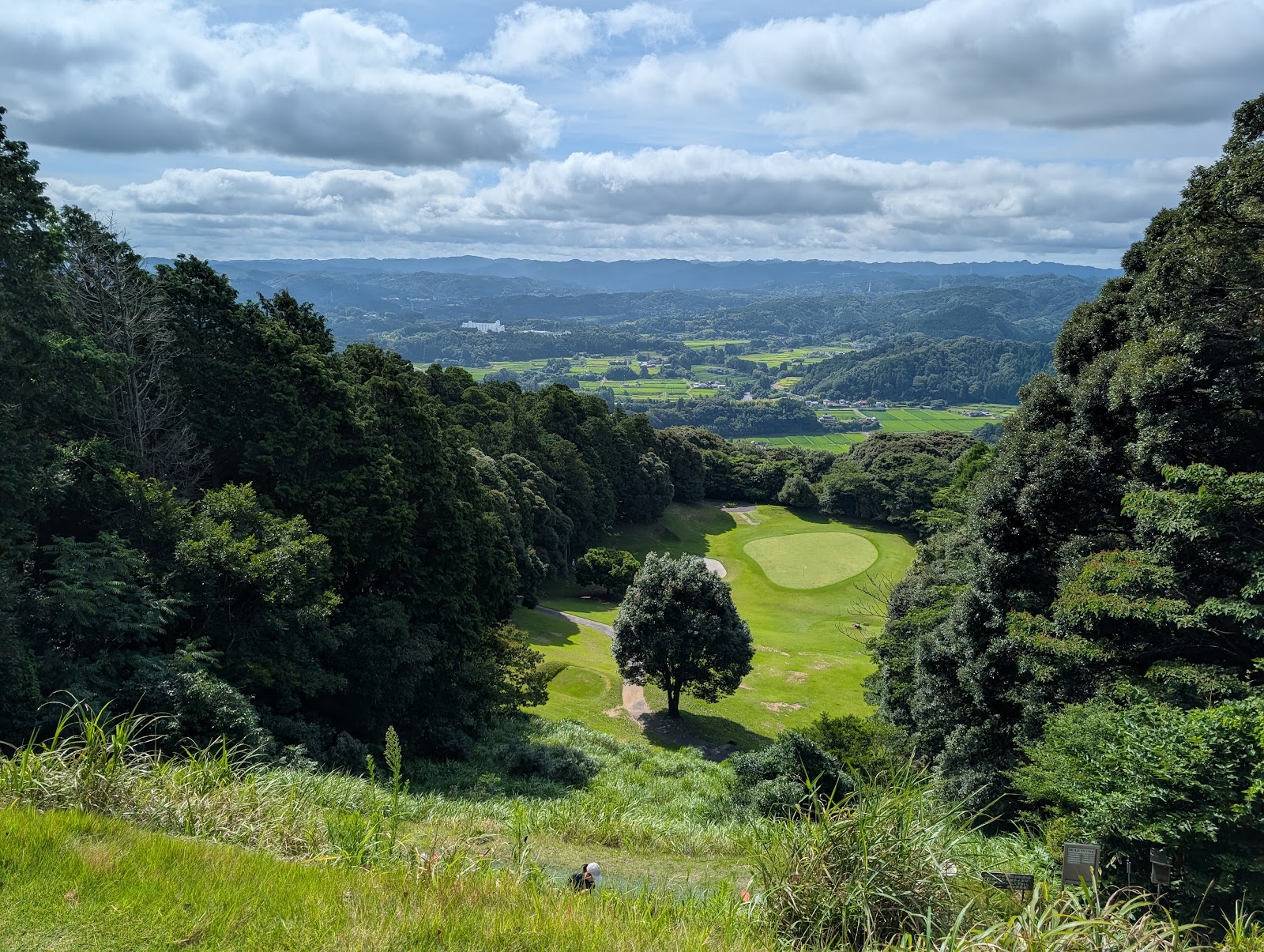
Kazusa Fuji Golf Club
Kazusa Fuji Golf Club is a 27-hole facility in Kimitsu, Chiba Prefecture, made up of three nine-hole courses, giving golfers a choice of routings for an 18-hole round. Caddy service is optional, and golfers ride in G-cart riding carts equipped with navigation systems for those who prefer to play without a caddy. The club is located within about 15 kilometers of the Ken-O Expressway's Kisarazu Higashi interchange, placing it in the Kimitsu golf cluster that is reachable via the Tokyo Bay Aqua-Line and Ken-O Expressway from central Tokyo. The course address is Osaka-Fujisan in Kimitsu, part of the hilly Boso Peninsula terrain that hosts a dense concentration of golf clubs in this part of Chiba. The three-course structure is typical of larger clubs built to serve high weekend demand from the Tokyo metropolitan area.
View Course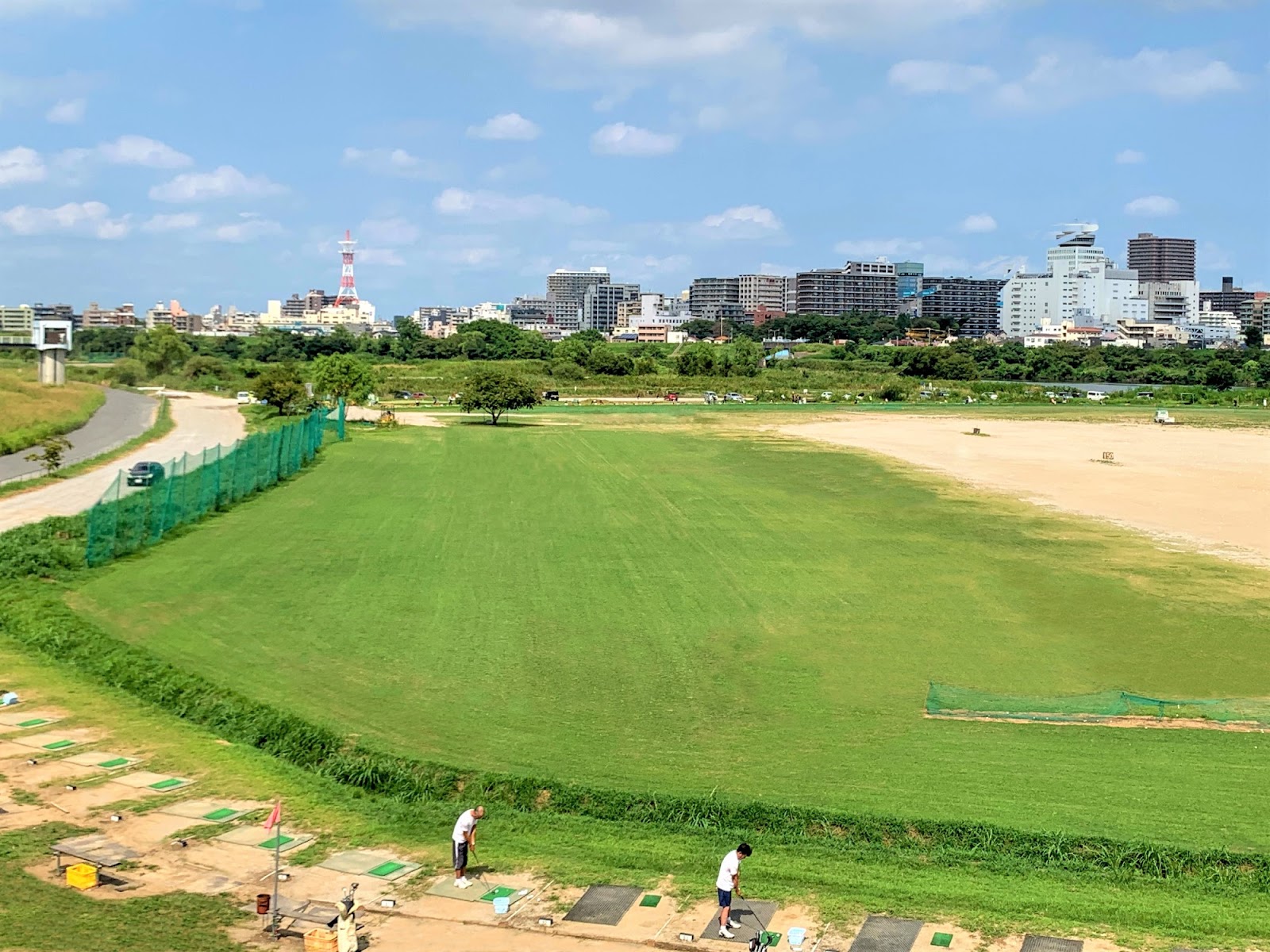
Edogawa Line Golf
Edogawa Line Golf is an 18-hole, par-68 course in Matsudo, Chiba, with a total back-tee yardage of 4,609 yards. Located at 1717 Matsudo in Matsudo City, the course offers weekday green fees starting from 4,950 yen and weekend fees starting from 8,500 yen, making it an accessible option for a round close to central Tokyo. The par-68 layout, shorter than a standard par-72 course, suits golfers looking for a quicker round without traveling far from the city. As a single 18-hole course rather than a multi-course facility, the routing moves through all 18 holes in one continuous circuit. The Matsudo location places the course within the Chiba side of the Tokyo metropolitan area, convenient for visitors staying in central Tokyo or Chiba who want a same-day round. Pricing that separates weekday and weekend rates is typical of courses in the greater Tokyo area, where weekend demand pushes fees higher.
View Course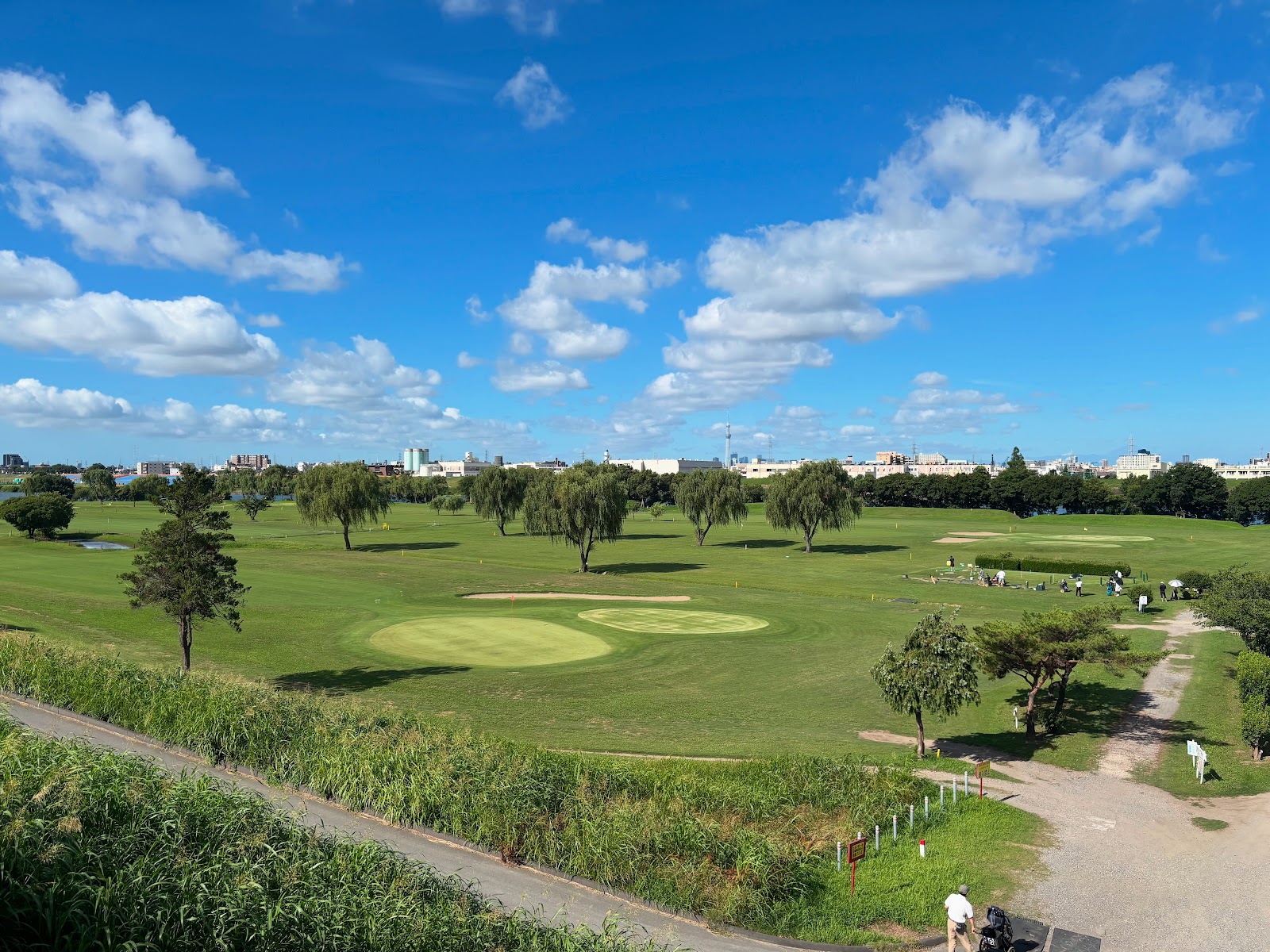
Edogawa Golf Club
Edogawa Golf Club is an 18-hole, par-68 riverside course in Matsudo, Chiba, with a total back-tee yardage of 4,773 yards. Designed by Yoshiro Hayashi and opened in 1963, the course sits along the Edogawa river corridor that runs between Chiba and Tokyo. Access is available from two directions: JR Joban Line and Keisei Line's Kanamachi Station, about a 20-minute walk or a 5-to-10-minute taxi ride, or JR Joban Line and Shin-Keisei Line's Matsudo Station, roughly a 10-minute bus ride plus a 3-minute walk. This dual-station access makes the course reachable without a car for golfers staying in central Tokyo or Chiba. As a single 18-hole course, the routing moves through all 18 holes in one circuit rather than combinable nine-hole loops. The par-68, 4,773-yard layout is on the shorter side, giving golfers a complete round without the length of a full par-72 course.
View Course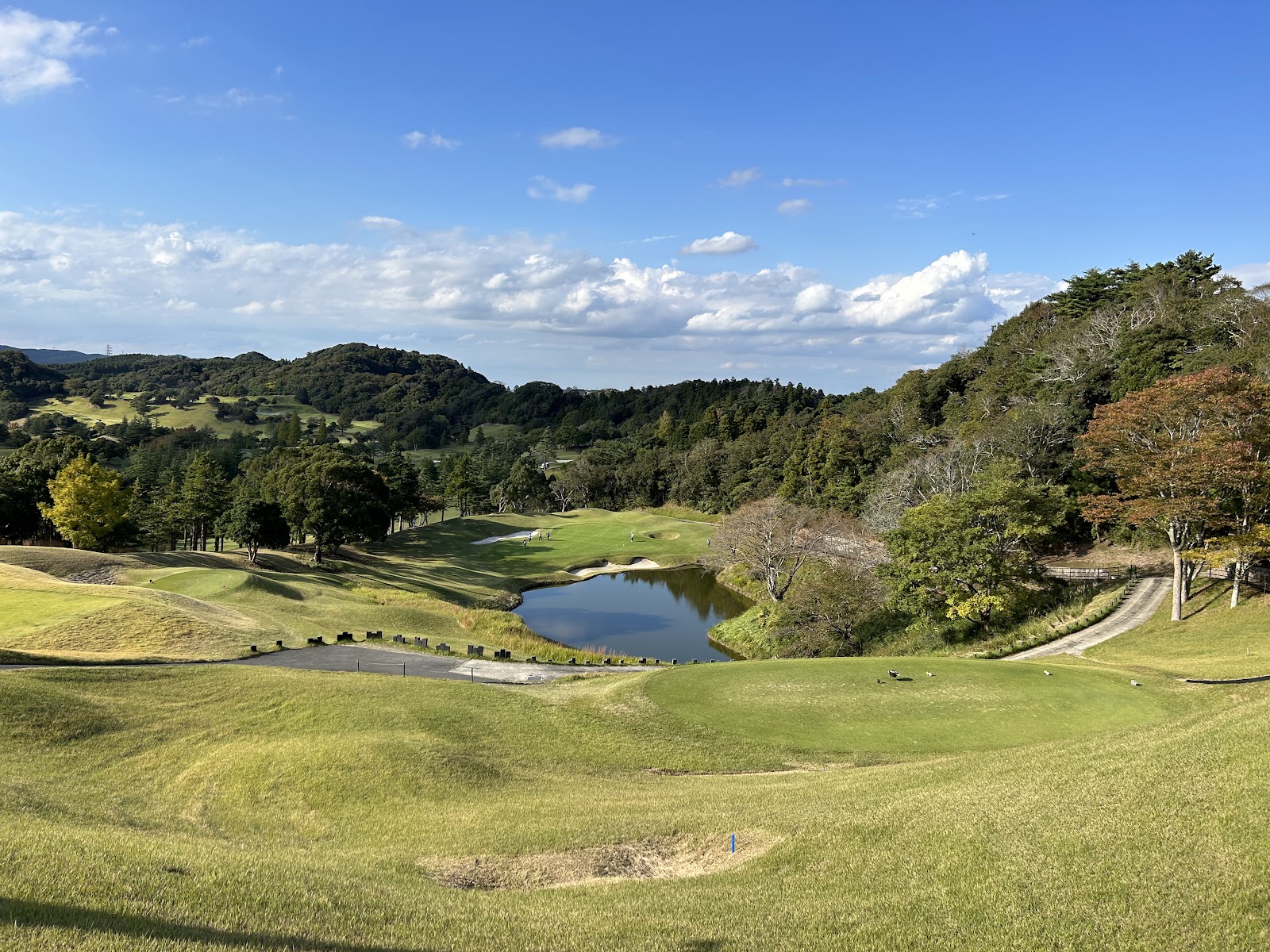
Asakura Country Club
Asakura Country Club is an 18-hole, par-72 woodland course in Sakura, Chiba Prefecture, designed by Nagao Kurosawa and Shoji Sugimoto. The course opened in 2008, making it one of the newer clubs in the Chiba area, and plays to 7,103 yards from the back tees. The club is located at Uchida in Sakura City. Caddy service is required for all rounds, and golfers ride in electromagnetic-guided riding carts around the course. A clubhouse bath is available after play. Access is by reservation-only shuttle bus from the south exit of either Keisei Sakura Station or JR Sakura Station, and drivers can reach the club via the Sakura interchange on the Higashi-Kanto Expressway. With its 2008 opening and 7,103-yard back-tee length, the course reflects a more modern design approach than many of the region's older woodland clubs.
View Course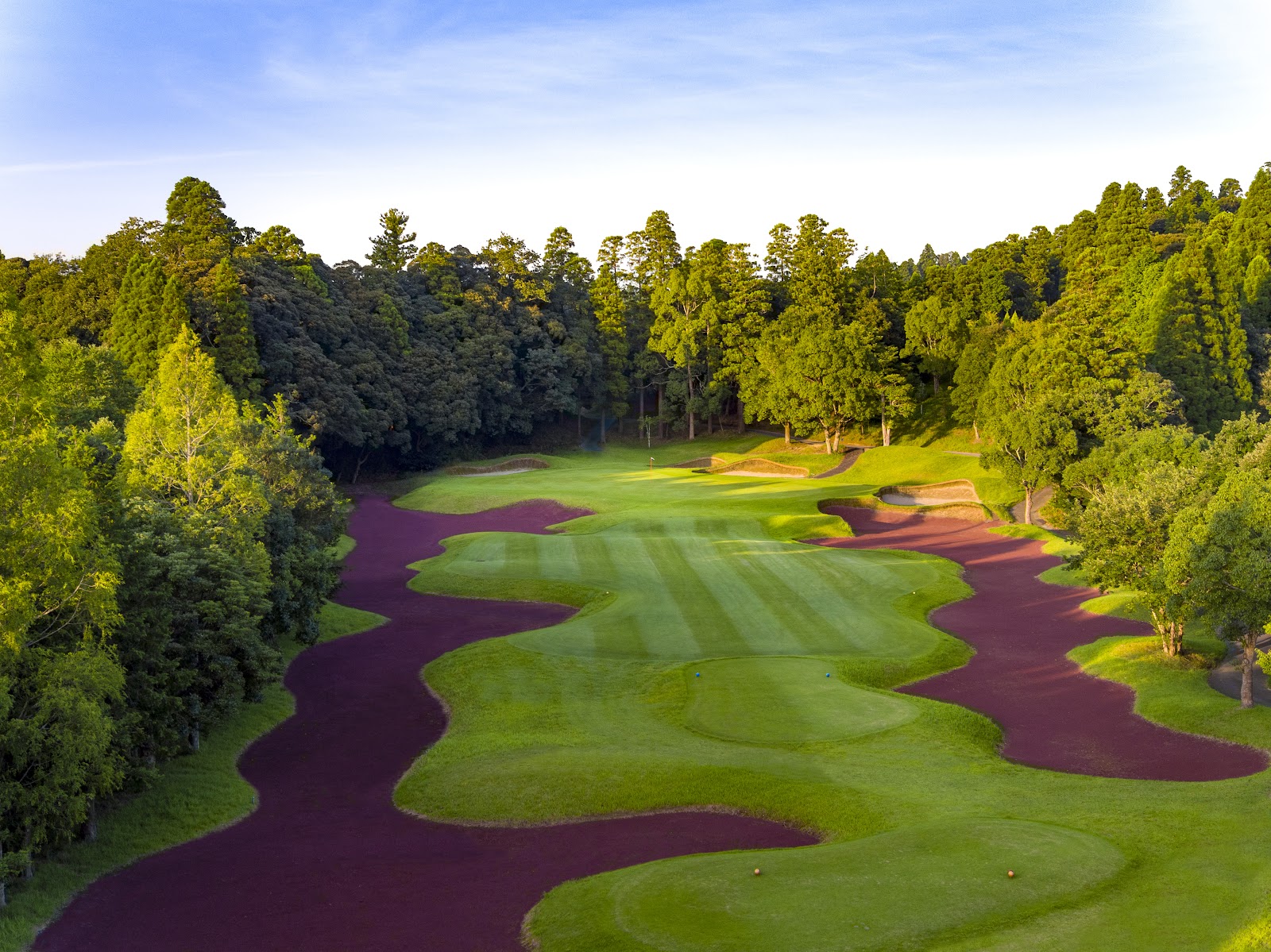
Mana Country Club
Mana Country Club is a 45-hole hilly golf complex in Mobara, Chiba, opened in 1976. The complex comprises two courses: the Mana Course, designed by Izumi Ichisuke and Izumi Michio, and the GP Course, designed by Gary Player. The terrain is hilly, typical of the highland areas of Chiba inland from the Boso Peninsula. The club has an onsen bath on site, letting players soak after a round, a feature not common at every course in the region. Access is by car: from JR Sotobo Line, Toga Station is about 25 minutes away with a club bus available, and Toke Station is about 15 minutes by car. Drivers can also reach the club in about 3 minutes from the Mobara-Nagara Smart IC on the Ken-O Expressway. Caddies are available on an optional basis, giving visiting golfers a choice between a caddied round or a self-navigated one. With two distinct course designs under one membership, including a Gary Player layout, Mana Country Club offers variety across a single visit for golfers touring the Chiba region.
View Course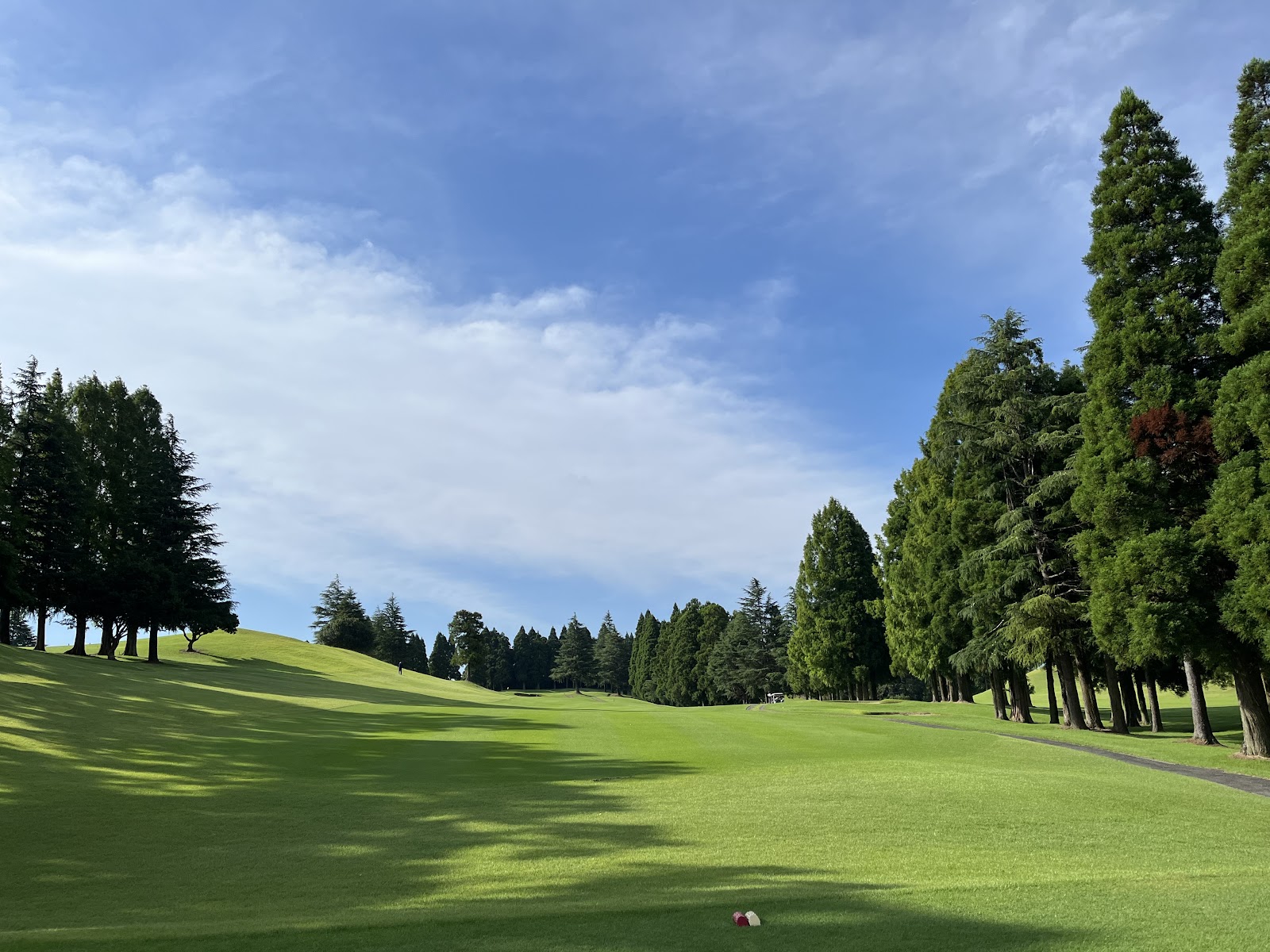
Chiba International Country Club
Chiba International Country Club is a 45-hole hilly golf complex in Nagara, Chiba, opened in 1968. The two courses were designed by Asami Rokuzo and together play to a par of 180 across a total yardage of 16,090 yards. The hilly terrain places the club among the inland highland courses of the Chiba region, an area known for wooded, rolling layouts within reach of the Boso Peninsula. Carts are GPS-equipped riding carts, giving players yardage and hole information as they play, useful for visitors unfamiliar with the layout. With 45 holes on offer, golfers can play more than one round in a day or rotate between different nine-hole combinations across a stay. The scale of the complex, spanning two full courses under one design by Asami Rokuzo, makes it one of the larger golf facilities in the Nagara area of Chiba Prefecture.
View Course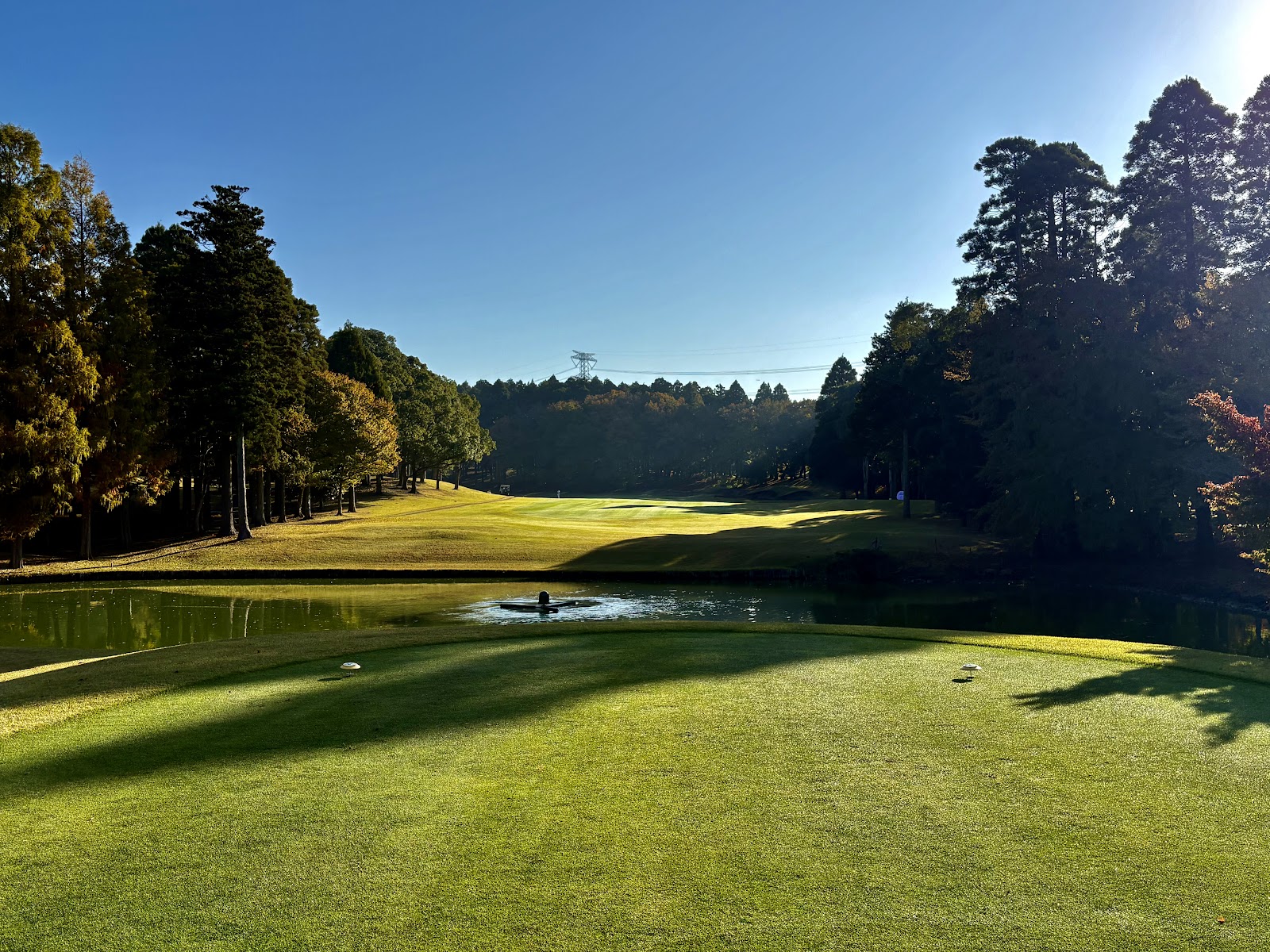
Hirakawa Country Club
Hirakawa Country Club is an 18-hole, par-72 woodland course in Midori-ku, Chiba City, opened in 1988. The course was designed by Yasuda Kokichi and Kawamura Shiro and plays to 6,965 yards from the regular tees, with a back-tee yardage of 6,963 yards. Its woodland setting sits within the greenbelt southeast of central Chiba City. Green fees start at 16,000 yen on weekdays and 23,650 yen on weekends, placing it in the mid-to-upper range for courses near the city. Caddies are available on an optional basis. The club is reachable from JR Sotobo Line's Toga Station, about 7 minutes by taxi or 10 minutes by club bus, and from the Nakano IC on the Chiba Togane Road, about 5 minutes by car. For golfers based in Chiba City or arriving via the Chiba Togane Road, Hirakawa Country Club offers a wooded 18-hole round with straightforward access from both rail and expressway.
View Course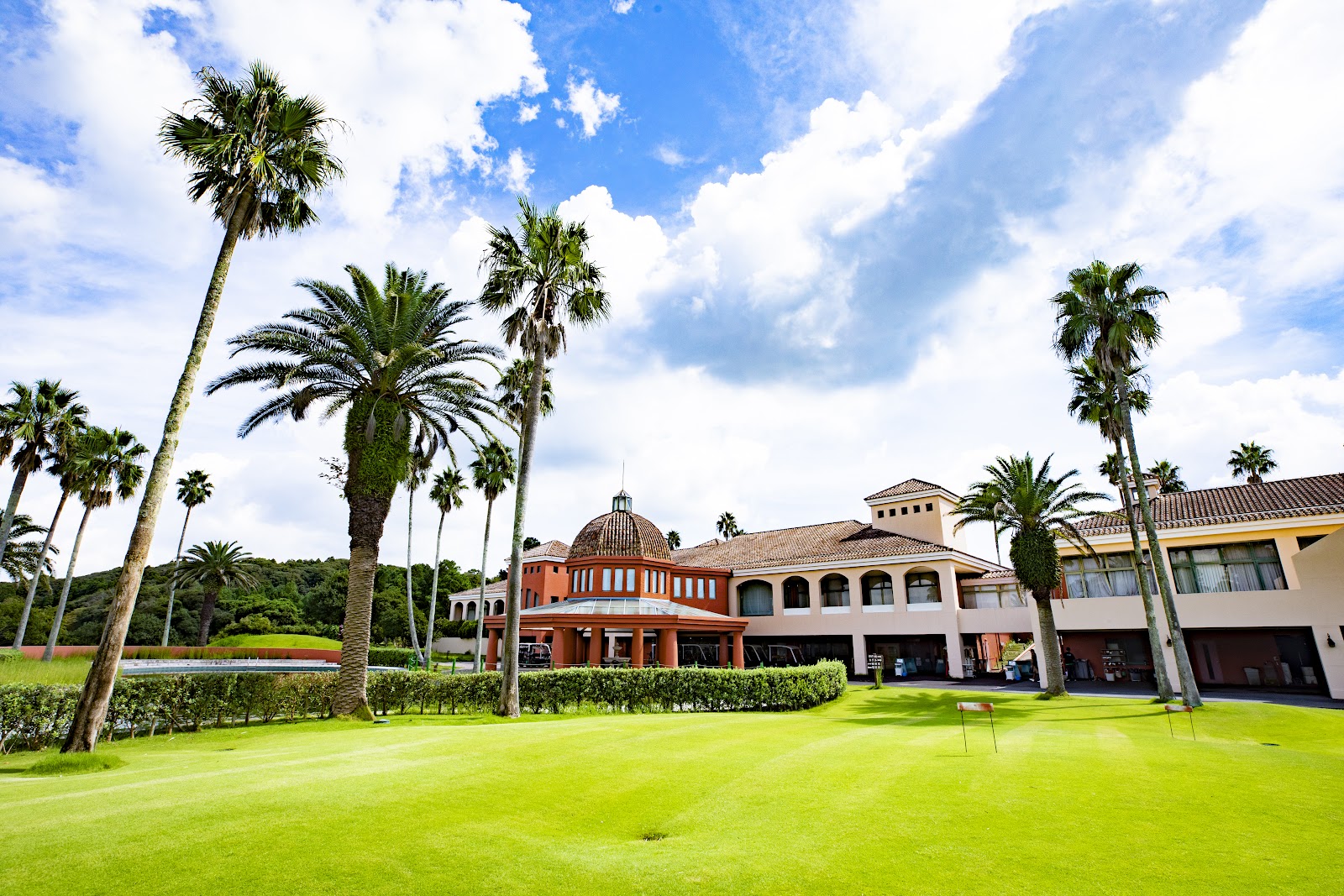
La Vista Golf Resort
La Vista Golf Resort is an 18-hole golf course in Chonan, Chosei District, Chiba Prefecture. Detailed specifications such as par, yardage, and course type are not listed in available records. The property is located inland from the eastern Boso Peninsula, in the Chosei District area that is also home to other Chiba golf facilities including Mana Country Club and Chiba International Country Club. Access is available by both rail and road: JR Sotobo Line's Mobara Station is the nearest station, and the Ichihara-Tsurumai IC on the Ken-O Expressway is the nearest interchange. This dual access point, close to both a JR line station and a Ken-O Expressway interchange, makes La Vista Golf Resort a straightforward stop for golfers routing through the Chosei District golf area of Chiba Prefecture, whether arriving by train from Tokyo or by car via the expressway.
View Course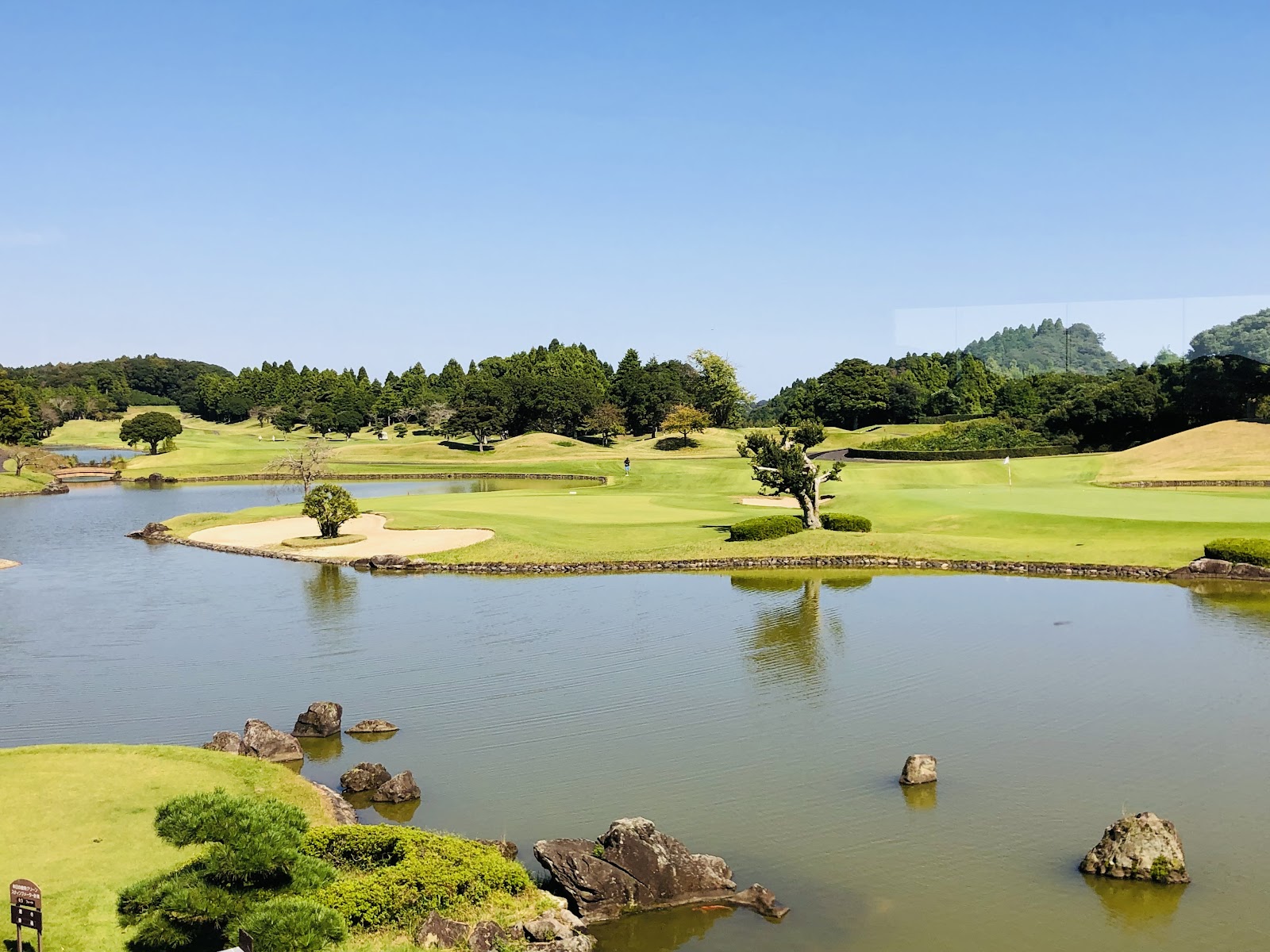
Minami-Mobara GC
Minami-Mobara Golf Club sits in Chosei District, Chiba Prefecture, part of a two-course hilly facility. The course played here is 18 holes at par 72, running to 6,985 yards. The layout was designed by Masahayashi Yamada, with supervision from Haruo Yasuda. The hilly terrain of Chosei gives the course its elevation changes and shot variety typical of inland Chiba golf. Access is by JR Sotobo Line to Mobara Station, followed by a club bus or taxi of about 20 minutes; drivers can reach the club via the Ken-O Expressway at the Mobara-Chonan interchange. The club's location in Chonan-machi places it within the rural, forested belt of central Chiba, a common setting for the prefecture's postwar golf development. For visitors based in Tokyo or Chiba city, the course is reachable as a day trip by car or rail-plus-transfer, making it a workable choice for golfers exploring courses outside the immediate Tokyo metropolitan area.
View Course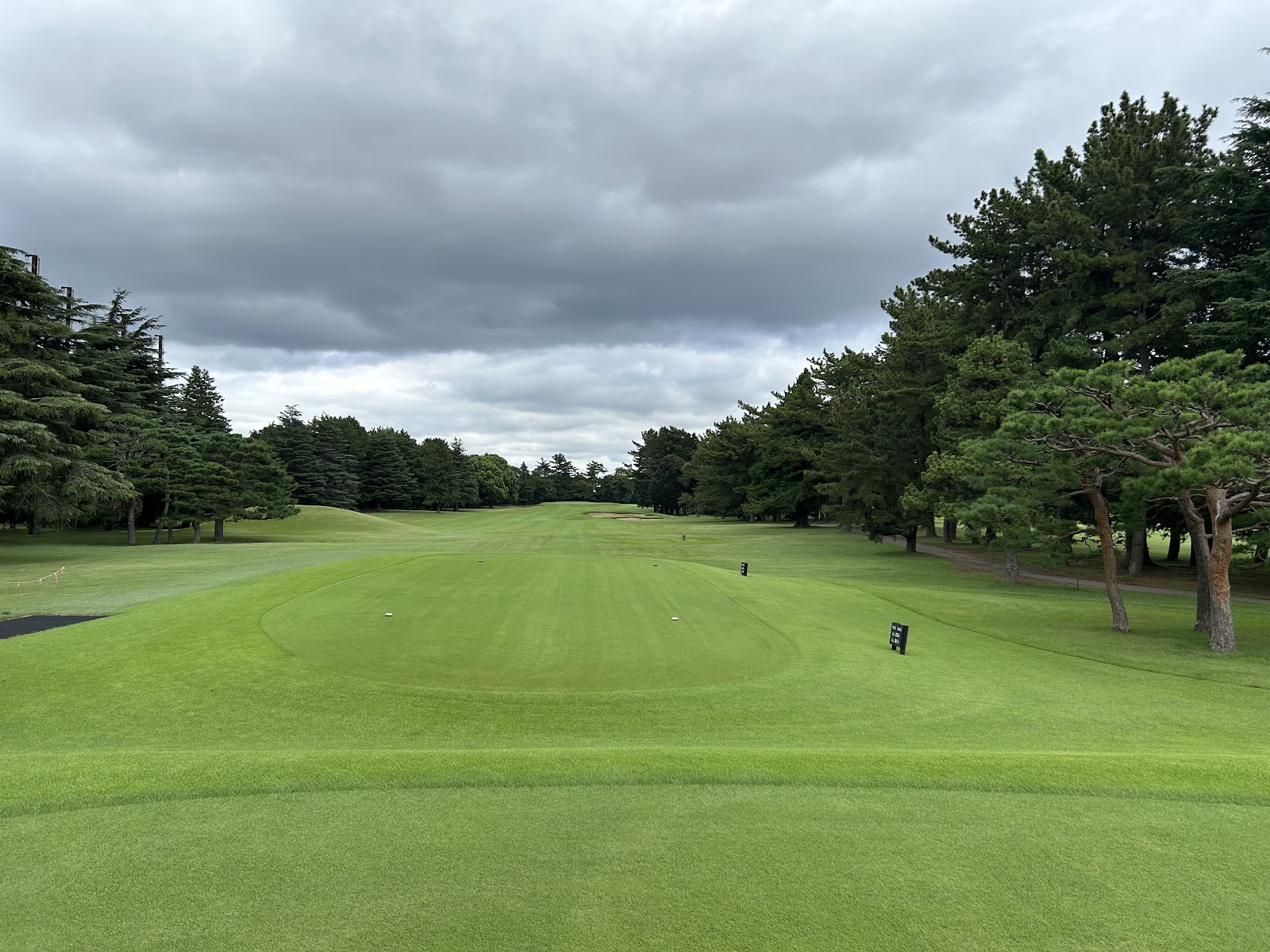
Taka-no-dai CC
Taka-no-dai Country Club is an 18-hole, par-72 woodland course in Chiba, opened in 1954. The course was designed by Seiichi Inoue, one of Japan's most prominent postwar golf course architects, and plays to a total back-tee yardage of 7,044 yards. Located in Hanamigawa-ku, Chiba City, the club sits within a wooded setting typical of Inoue's inland designs from the era. Access is straightforward for visitors based in Tokyo or Chiba: the course is roughly a 7-minute walk from Keisei-Owada Station on the Keisei Main Line, and about 15 minutes by car from Chiba-kita Interchange on the Higashi-Kanto Expressway. Caddy service is required at Taka-no-dai, in keeping with many of Japan's older, traditionally run clubs. Green fees start from 20,900 yen on weekdays and 29,700 yen on weekends. With nearly seven decades of history and a yardage exceeding 7,000 yards, the course offers a substantial test for golfers visiting the Chiba area.
View Course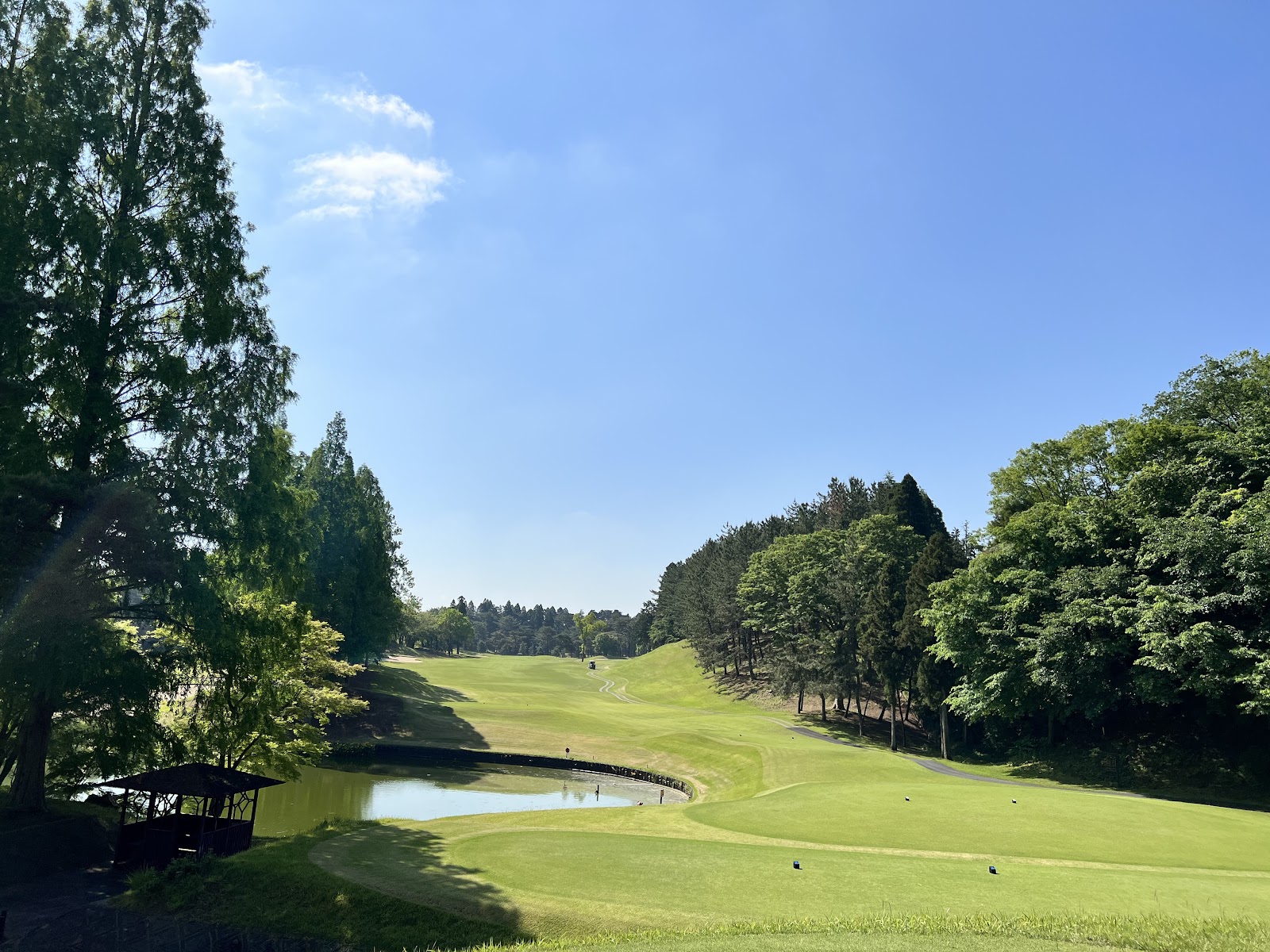
PGM Sohsei Golf Club
PGM Sohsei Golf Club is a 27-hole, par-108 facility comprising three courses in Narita, Chiba Prefecture. The layout was designed by Izumi Ichisuke, who created the East and West courses, and Mano Teikichi, who designed the South course. The club opened in 1964, giving it a history spanning more than six decades in the hilly terrain of the Narita area. Located at Nishi-Izumi in Narita City, the course sits about 5 kilometers from Narita IC, making it a convenient stop for golfers arriving by car, including those connecting via Narita. A bath facility is available at the clubhouse after the round. With three separate nine-hole courses combining into 27 holes total, PGM Sohsei offers multiple routing combinations across the East, West, and South courses, each carrying its own design pedigree from the two original architects.
View Course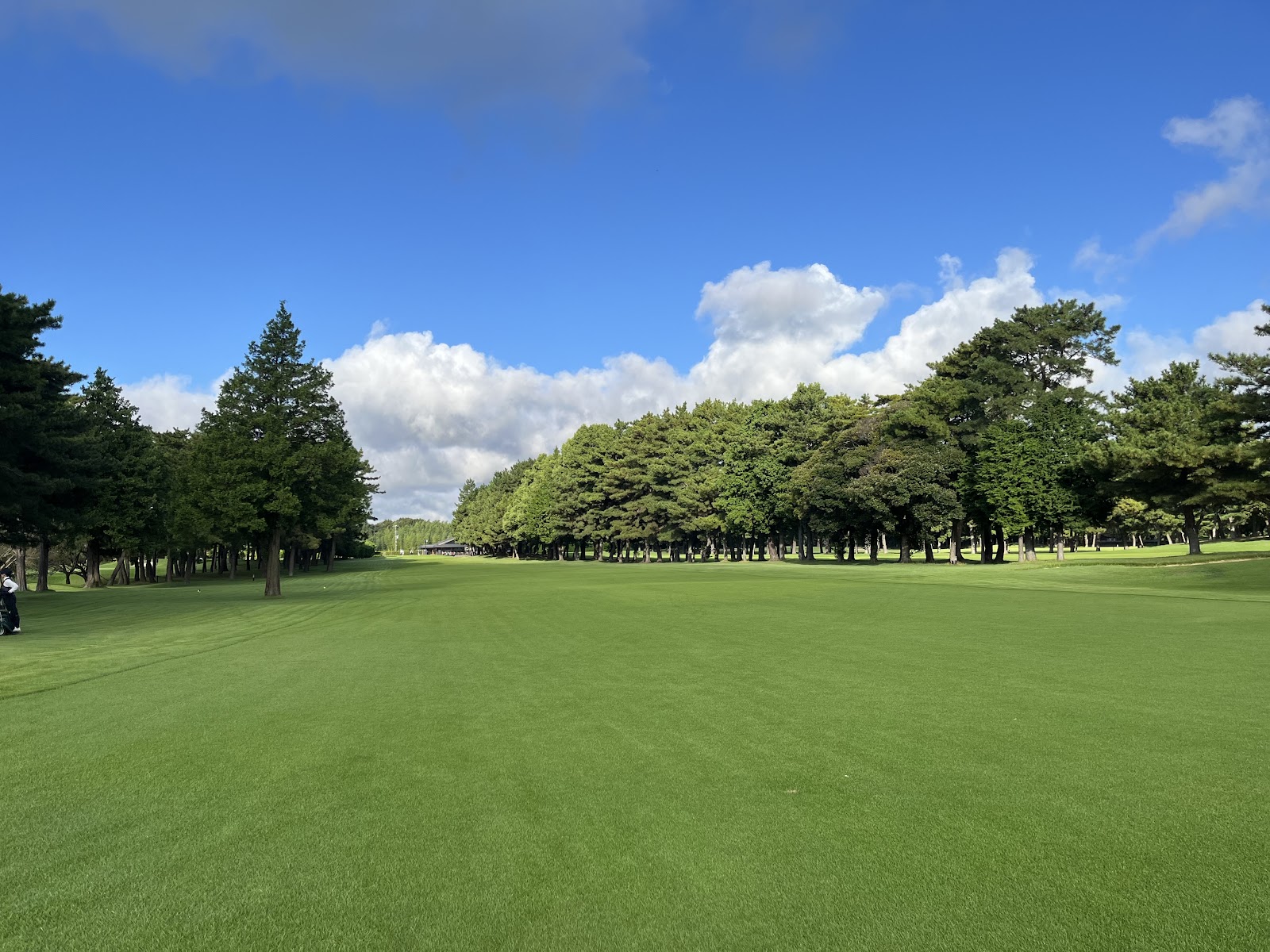
Taiheiyo Club Yachiyo Course
Taiheiyo Club Yachiyo Course is an 18-hole, par-72 woodland course in Yonemoto, Yachiyo City, Chiba Prefecture, playing 6,251 yards. The course was originally designed by Yasuda Kokichi and later renovated by Shimamura Tadashi. It opened in 1961, making it one of the longer-established clubs in the Chiba area. Golfers can reach the course from Katsutadai Station on the Keisei Electric Railway and Toyo Rapid Railway lines, about a 15-minute bus or taxi ride away, with a shuttle service also available from the station. By car, the club is roughly 20 minutes from Chiba-kita IC. Play options include a two-seat riding cart, some fitted with a cooler, or a fully self-contained walking round using a hand-pulled cart. Caddy service is available on an optional basis for those who prefer it. The combination of woodland terrain and a course dating to 1961 gives Yachiyo a mature, tree-lined character typical of Chiba's earlier golf developments.
View Course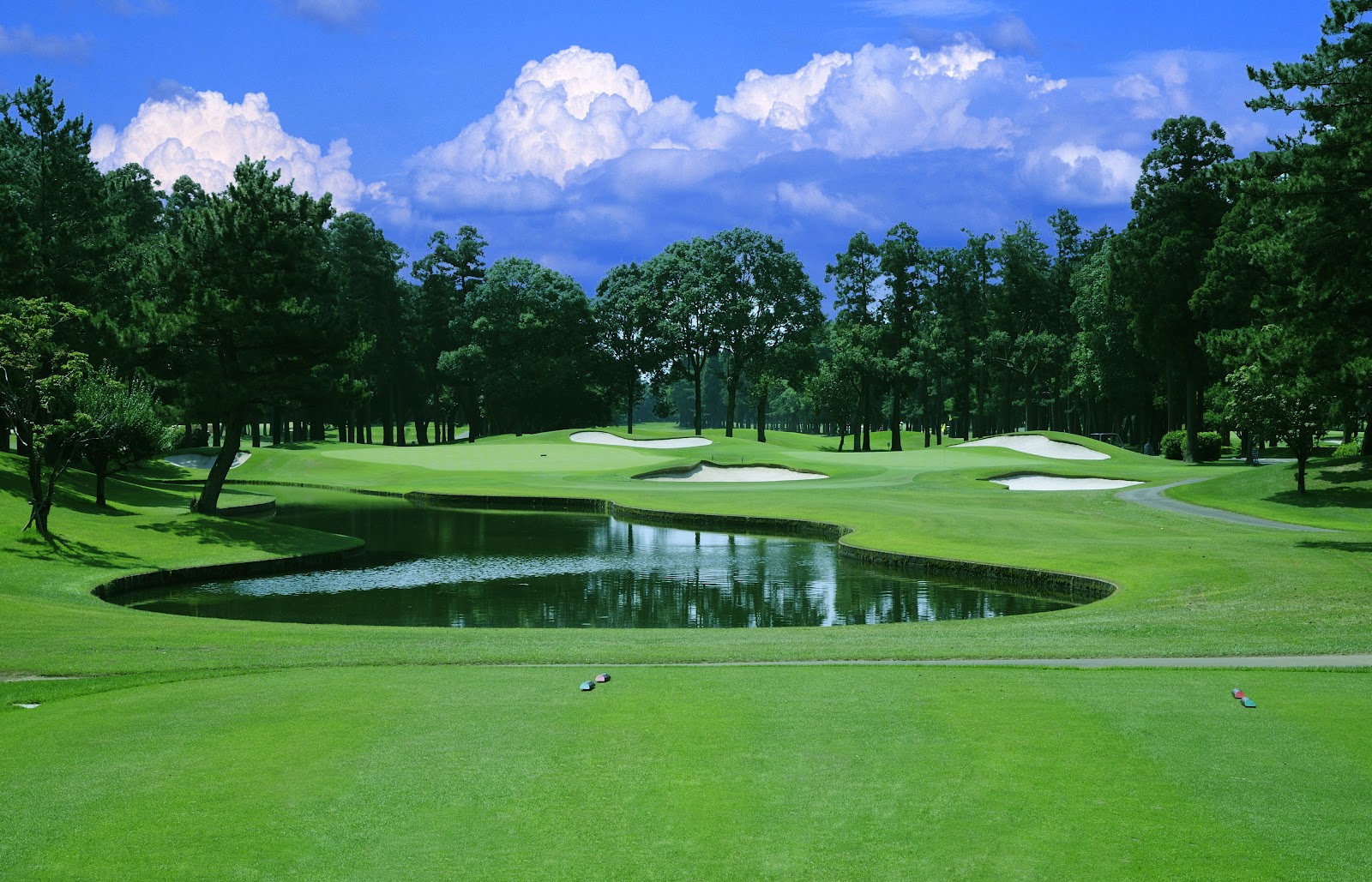
Narashino Country Club King Queen Course
Narashino Country Club sits in Inzai, Chiba, and offers 36 holes split across two courses, King and Queen, each set to par 72 for a combined back-tee yardage of 6,944 yards. The layout was designed by Kinya Fujita and opened in 1965, giving the club six decades of history on woodland terrain northeast of central Chiba. Self-drive riding carts for five passengers are available for a fee, and caddies can be arranged on request rather than assigned by default. A bath is available on site after the round. The club is reachable by shuttle bus from Chiba New Town Chuo Station on the Hokuso Line, with Inzai-Makinohara Station as a second option, and by car via the Chiba-Kita Interchange on the Higashi-Kanto Expressway. With two full 18-hole courses under one roof, Narashino suits groups wanting a full day of golf without changing venues.
View Course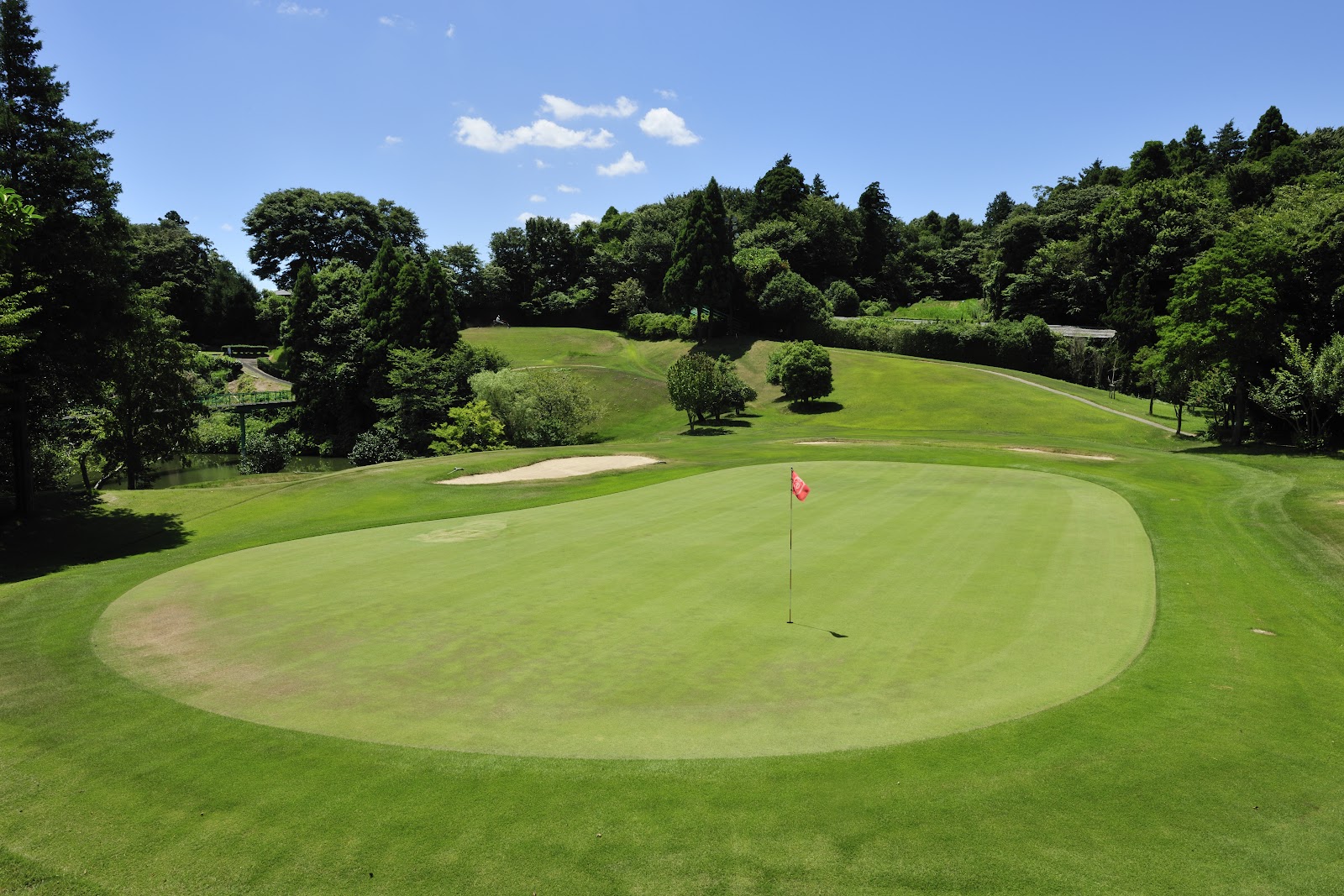
Yotsukaido Golf Club
Yotsukaido Golf Club is an 18-hole, par-70 woodland course in Yotsukaido, Chiba Prefecture, at Ona 268. Designed by Tokuyuki Miyoshi and opened in 1980, the course plays to 5,736 yards. The club is close to JR Yotsukaido Station on the Sobu Main Line, with a club bus available for players arriving by train, and it sits about 4km from Yotsukaido IC on the Higashi-Kanto Expressway, roughly a 10-minute drive. Rounds are played without a caddy, using a five-seat, remote-controlled powered cart, making it a straightforward self-navigated round for golfers comfortable with cart-based play. An on-site bath is available after the round. As a woodland course opened in 1980, the routing runs through tree-lined terrain typical of Chiba's inland golf clubs, and its position near both the train line and the expressway makes it accessible for golfers based in central Tokyo or Narita, whether traveling by rail or by car.
View Course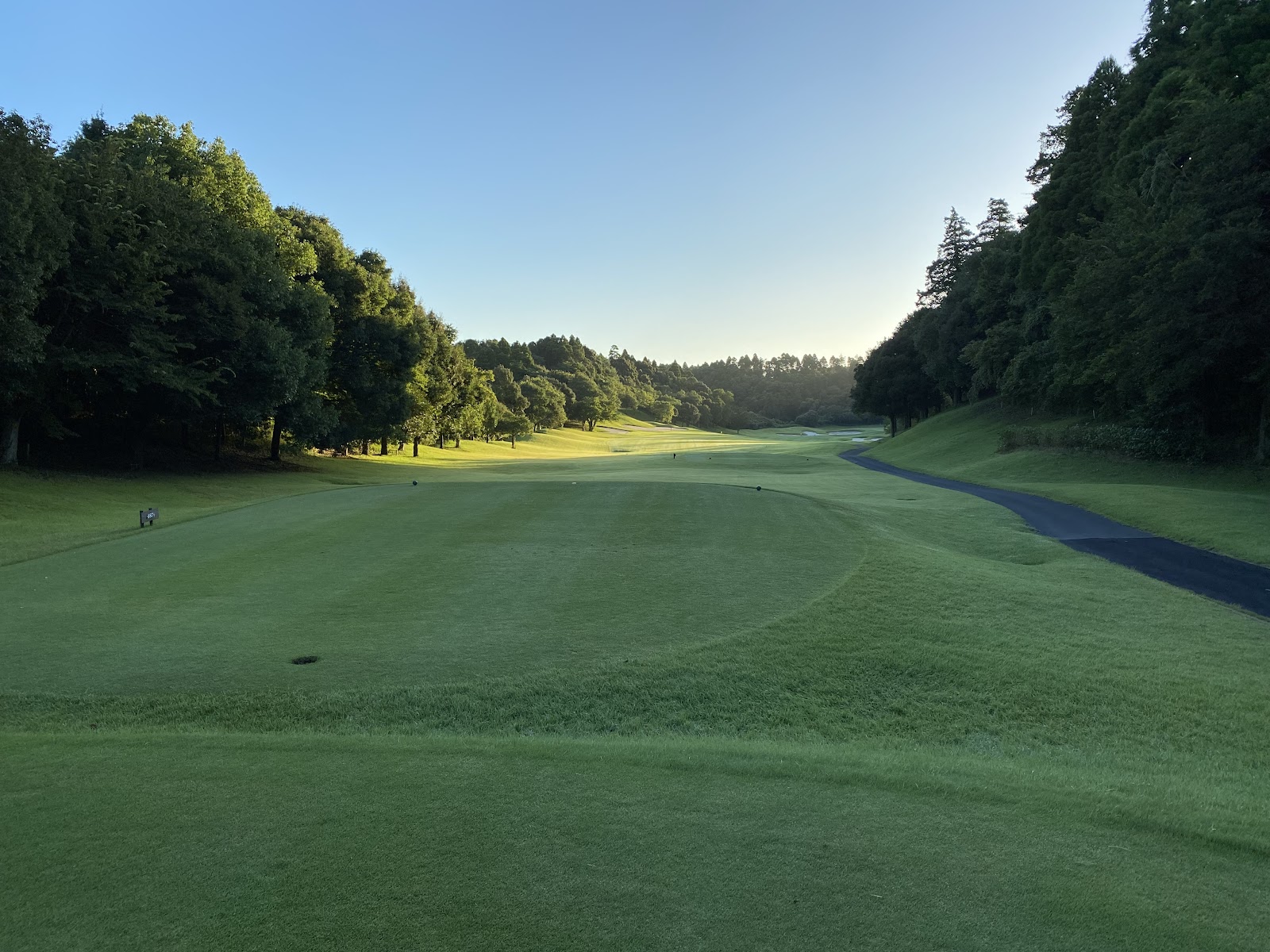
Kiminomori Golf Club
Kiminomori Golf Club is an 18-hole, par-72 hilly course in Oamishirasato, Chiba, with a total yardage of 7,055 yards (6,723 yards on the back tees per club specs), designed by architect Chohei Miyazawa. The course sits close to the Chiba-Togane Road, roughly two minutes from Yamada IC and about five minutes from Togane IC, making it a straightforward stop for golfers driving out from the Tokyo metropolitan area. Play here uses self-driving, GPS-equipped five-seat carts rather than caddies, so groups navigate the hilly terrain and select clubs at their own pace. After the round, the clubhouse offers a bath facility for players to unwind. The par-72 layout and full-length yardage make it a substantial test suited to golfers who want a complete hilly round without the formality of a caddy-serviced round. Its Chiba address places it within the Boso Peninsula golf corridor, a common day-trip region for visitors staying in central Tokyo or Narita.
View Course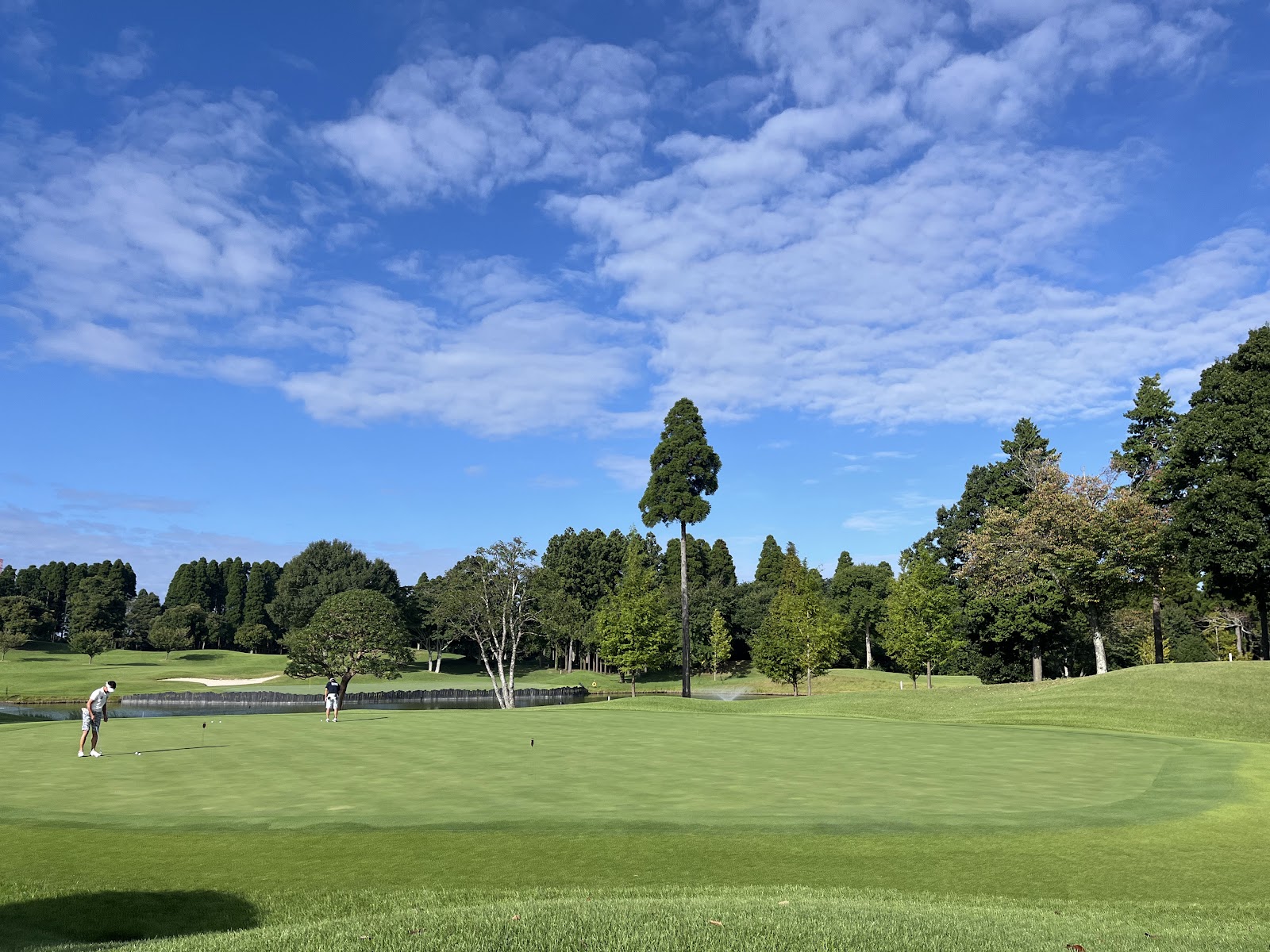
Nouvelle Golf Club
Nouvelle Golf Club is an 18-hole, par-72 hilly course in Oamishirasato, Chiba, with a total yardage of 6,693 yards on the back tees. The course sits inland from the Boso Peninsula coast, reachable by taxi in about ten minutes from JR Oami Station or by car from Yamada IC on the Chiba-Togane Road, roughly 3 kilometers away. This puts it within the same Oamishirasato golf cluster as several other Chiba courses, making it a convenient option for golfers building a multi-day itinerary in the area. The hilly routing runs to a full par-72 length, giving players a complete 18-hole test rather than an executive or short-course layout. For visitors traveling from Tokyo or Narita, the combination of a nearby JR station and a nearby expressway interchange means the course can be reached either by rail-and-taxi or by rental car, depending on how the rest of the trip is planned.
View Course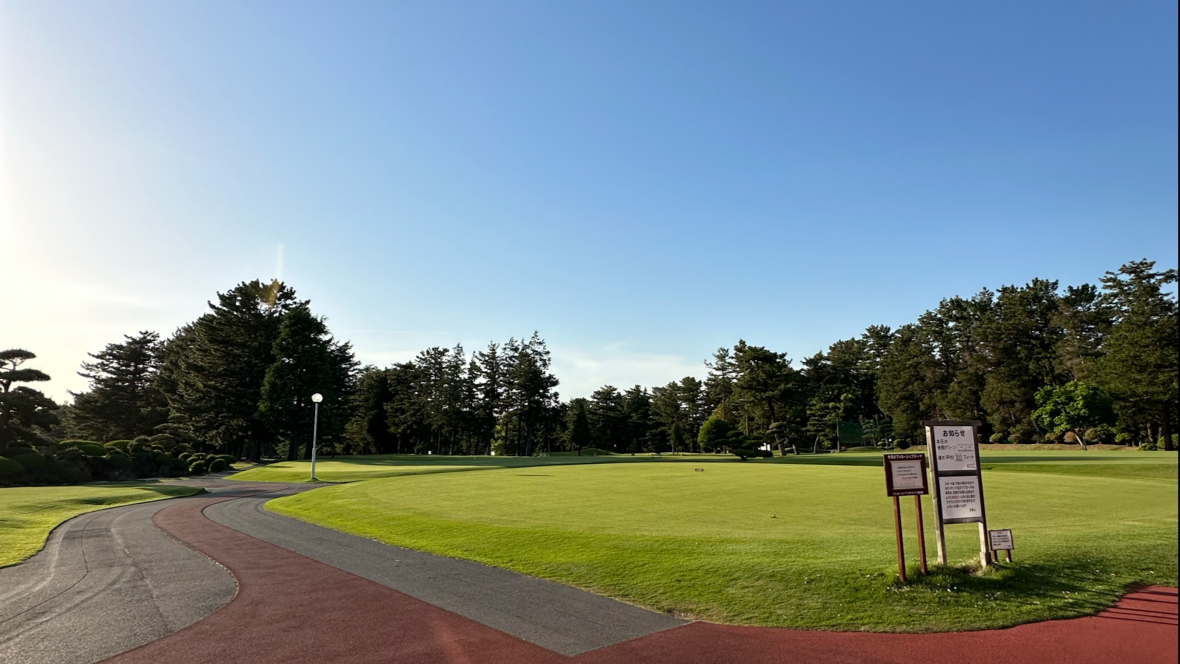
Kamagaya Country Club
Kamagaya Country Club in Kamagaya, Chiba Prefecture, is a 27-hole, par-108 woodland facility comprising three 9-hole courses, opened in 1961. Total yardage across the back tees is 10,021. The greens were originally built in-house with Korai grass, and a Tom Doak-supervised renovation introduced bentgrass greens in 1998 (Heisei 10). Caddies are required for all rounds, and play is with caddy carts. Green fees start from 27,190 yen on weekdays and 35,990 yen on weekends, reflecting the club's larger 27-hole layout and required caddy service. Access by train is via the Tobu Urban Park Line to Kamagaya or Shin-Kamagaya stations, or the JR Sobu Line to Nishi-Funabashi Station, with a club bus connecting from these stations. By car, the Keiyo Road offers two nearby exits, Baraki IC about 9.5 kilometers away and Ichikawa IC about 9.2 kilometers away. With three courses under one club, a required-caddy format, and a Tom Doak-supervised green renovation on record, Kamagaya Country Club sits among the more established woodland clubs in the Chiba area.
View Course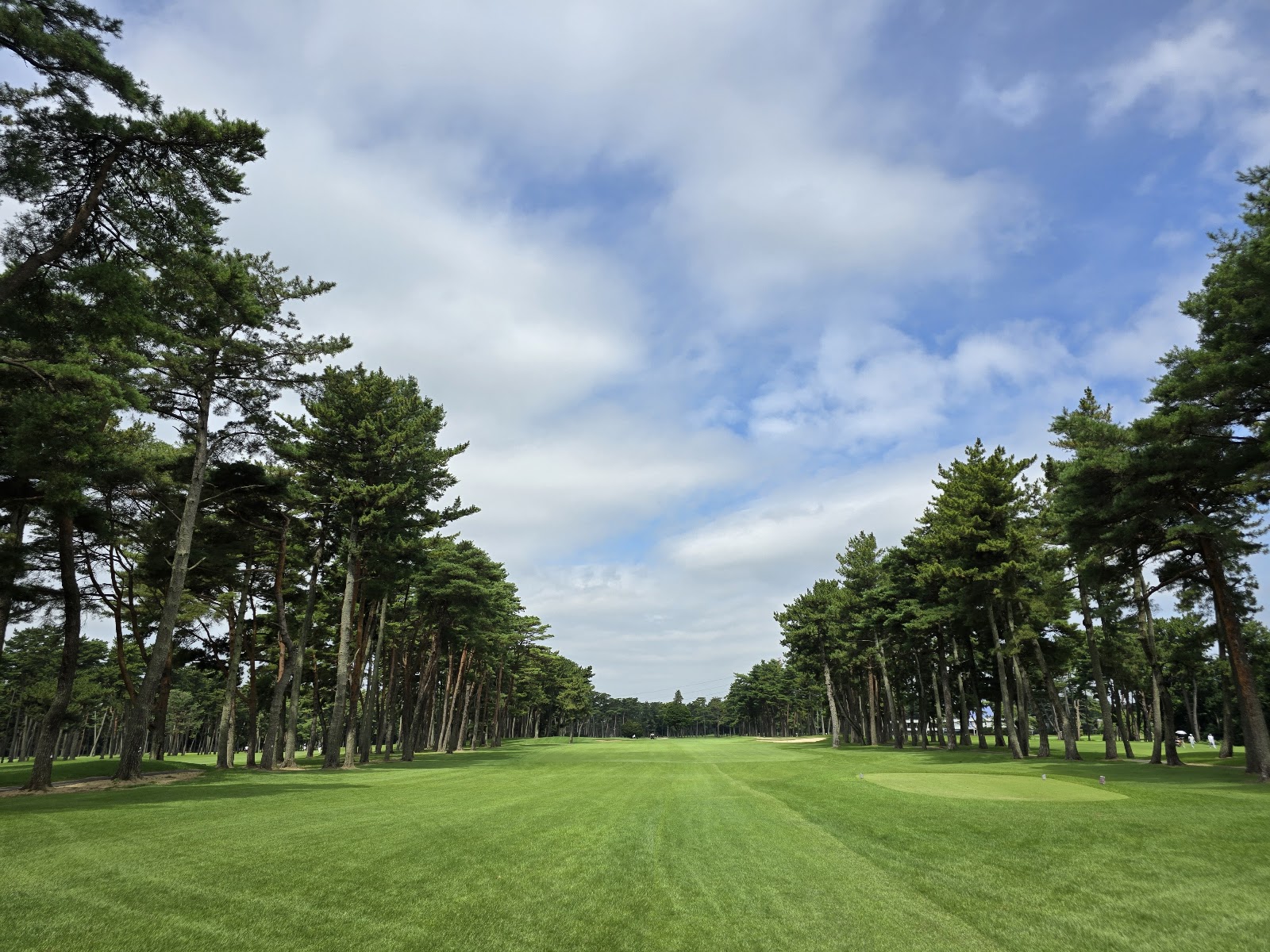
Murasaki Country Club Ayame Course
Murasaki Country Club Ayame Course is an 18-hole, par-72 woodland layout in Noda, Chiba, one of two courses that make up Murasaki Country Club. The course opened in 1959. Players ride remote-control electromagnetic guided carts equipped with GPS navigation and automatic score entry, a setup aimed at keeping pace of play steady across the wooded terrain. The clubhouse sits at 463-1 Tsurumatsuri, Noda City, reachable by car in about 15 minutes from Nodashi Station on the Tobu Noda Line, with a club bus also available from the station. By road, the course is roughly 9 kilometers from Kashiwa Interchange on the Joban Expressway, putting it within reach of both central Tokyo and the wider Kanto region. Green fees start at 13,000 yen on weekdays and 20,500 yen on weekends, reflecting the course's position as an accessible woodland option north of Tokyo without a long highway drive.
View Course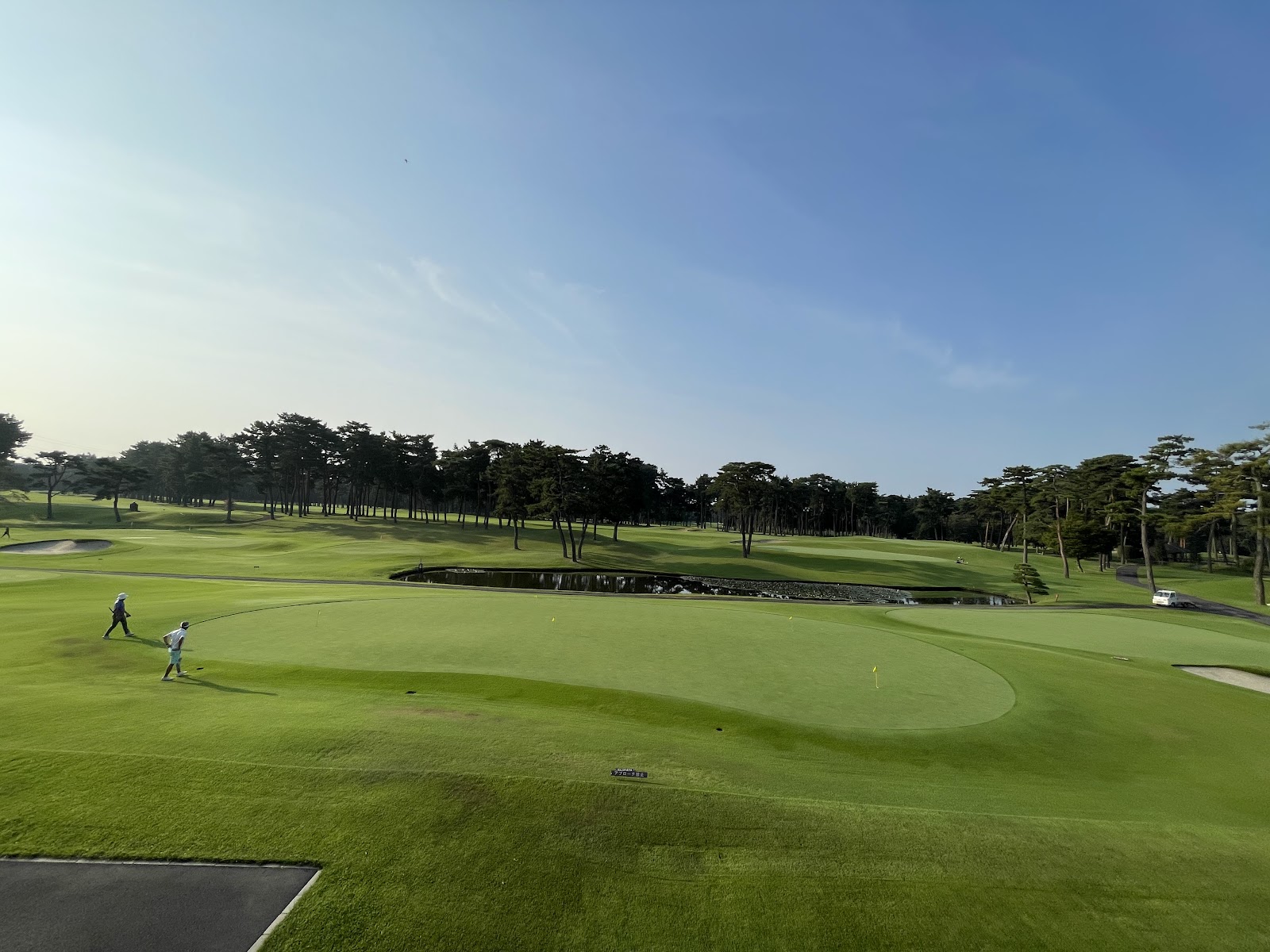
Murasaki Country Club Sumire Course
Murasaki Country Club Sumire Course is the second of two 18-hole, par-72 layouts at Murasaki Country Club in Noda, Chiba, opened in 1961, two years after the club's Ayame Course. From the back tees the course plays 7,378 yards, a longer test than its sister layout. The club renewed its cart fleet in October 2009, introducing GPS-equipped carts across the course, and caddy service is available on an optional basis. The course is located at 111 Mebuki, Noda City, and is reached from Nodashi Station on the Tobu Noda Line, either by club bus in about 25 minutes or by taxi in roughly 10 minutes. Set in woodland terrain like its sister course, Sumire gives golfers visiting Murasaki Country Club a longer yardage option alongside the club's Ayame Course, both operating under the same Noda address.
View Course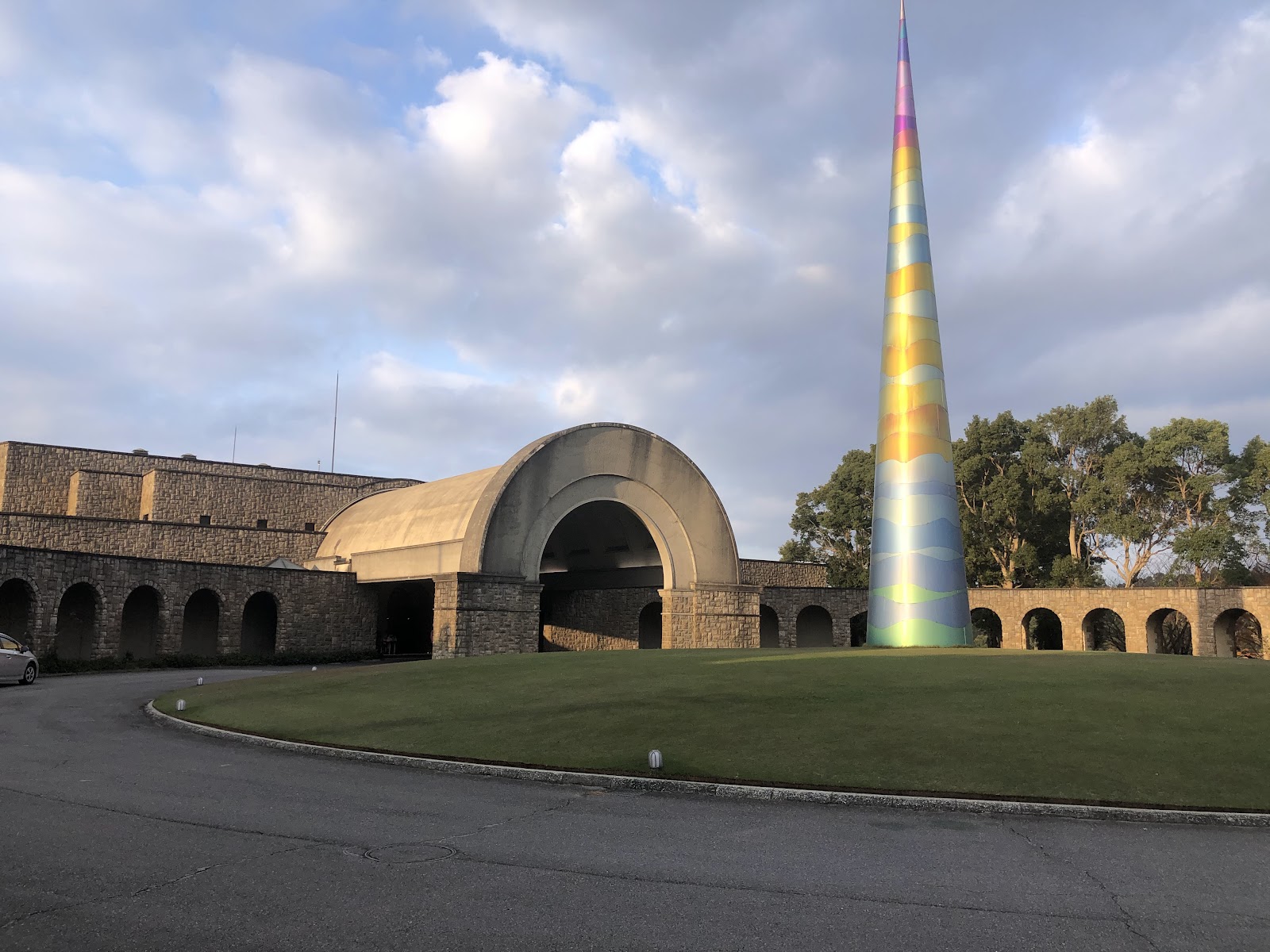
Glissando Golf Club
Glissando Golf Club is an 18-hole, par-72 hilly-terrain course in Narita, Chiba Prefecture, that opened in 1991. The course was designed by Mitsuaki Kobayashi and plays to a total yardage of 6,873 yards. It sits close to Narita Airport, roughly a 10-minute taxi ride from Narita Airport Station (Airport Terminal 2 Station) on the Keisei Main Line and JR Narita Line, and about 4 kilometers from the Narita Interchange on the Higashi-Kanto Expressway. Green fees start at 21,000 yen on weekdays and 27,500 yen on weekends. Caddy service is optional, and play is by air-conditioned riding cart, though the number of carts is limited and advance arrangement is required. The course's proximity to Narita Airport makes it a practical stop for golfers arriving in or departing from Japan through Narita, while its hilly routing over 18 holes gives the round variety across the 1991-built layout.
View Course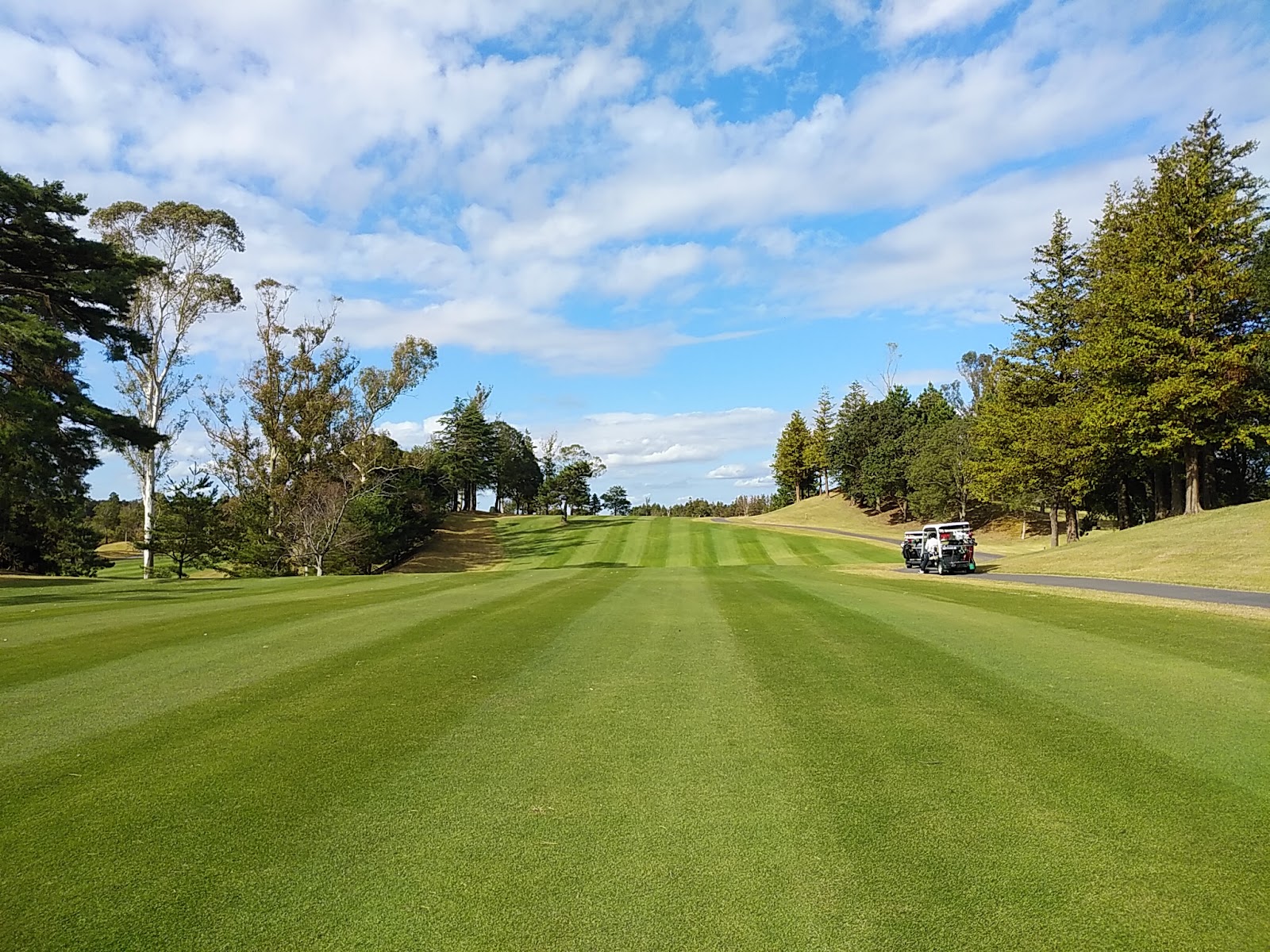
Kasco Hanaha Club
Kasco Hanaha Club sits on hilly terrain in Narita, Chiba, and opened in 2014. The complex runs to 45 holes and par 180, arranged as five nine-hole courses: Cattleya, Lavender and Salvia, designed by Jim Fazio, and Rindou and Shibazakura, designed by Chin Seisui and Makoto Tomizawa. Play moves by riding cart throughout. Weekday green fees start from 12,200 yen. The club is reachable from JR Naruta Line's Namekawa Station via a club bus, and by road it sits close to the Ken-O Expressway's Kozaki and Shimofusa interchanges, each about five minutes from the gate, with the Higashi-Kanto Expressway's Narita IC roughly 15 kilometers away. The five-course layout, with two design teams working across the property, gives visitors a choice of routings within a single site rather than a single fixed round. Its location near Narita makes it a practical stop for travelers connecting through the airport area.
View Course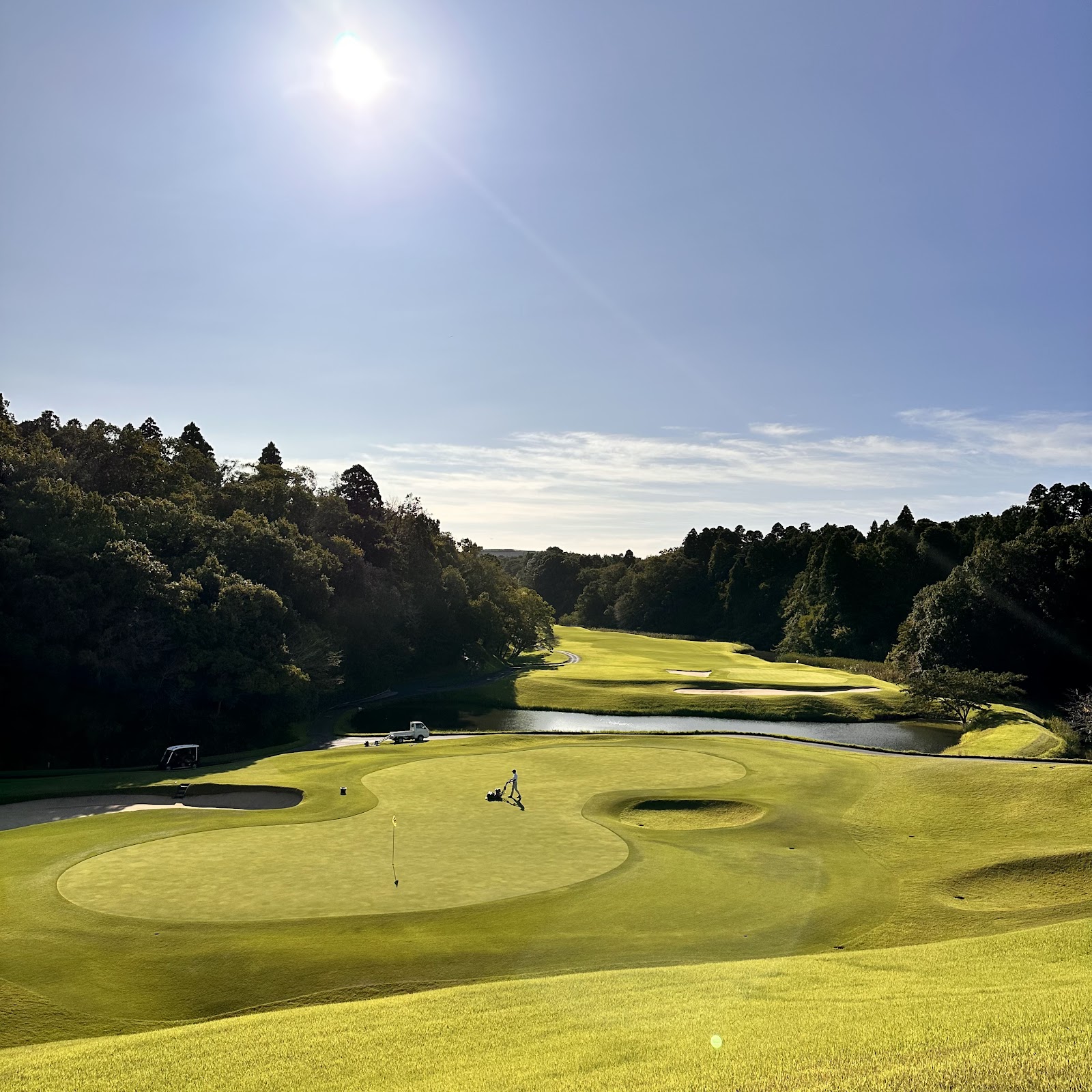
Taiheiyo Club Narita Course
Taiheiyo Club Narita Course is an 18-hole, par-72 woodland course in Narita, Chiba, designed by Gary Player and opened in 1999. The course plays 6,581 yards from both the regular and back tees. Caddy service is required, and riding carts are permitted onto the fairways during a round. The club has an on-site bath facility. Weekend green fees start from 34,200 yen. A club bus connects the course to JR Narita Station, and by car it lies close to the Higashi-Kanto Expressway, about 5.0 kilometers from the Narita interchange and 5.7 kilometers from the Tomisato interchange. As a Gary Player design opened at the end of the 1990s, the course is routed through wooded terrain typical of the Narita area, and its short distance from Narita International Airport makes it a convenient round for golfers arriving from or departing to overseas.
View Course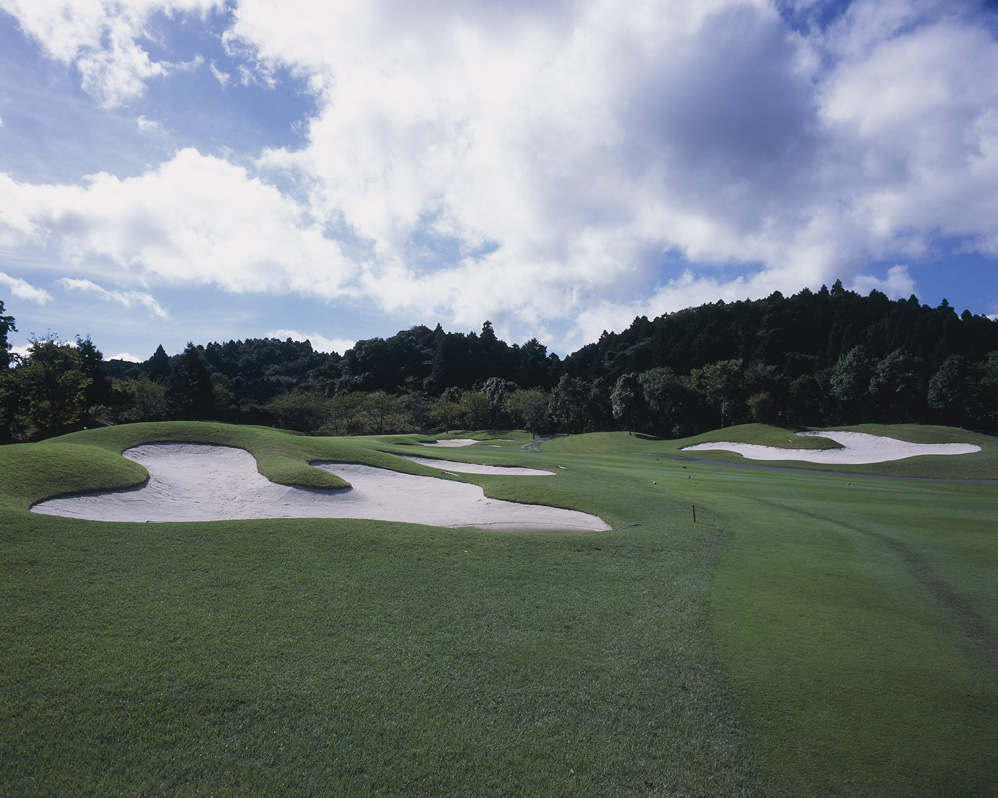
Hanao Country Club (Accordia Golf)
Hanao Country Club, operated by Accordia Golf, is an 18-hole, par-72 hilly course in Otaki, Chiba Prefecture. Mitsuaki Kobayashi designed the course, which opened in 1992 and plays to 6,858 yards, the longest layout among the courses covered here. The club operates without caddy service; players instead use self-drive riding carts that seat five and are permitted directly onto the fairways, a setup common at Accordia-managed clubs built to streamline pace of play. Access is by car via the Ken-O Expressway, exiting at Kisarazu-Higashi interchange roughly 31 kilometers from the course. On-site bath facilities are available after the round. As one of the newer courses in this data set, opened in 1992, Hanao Country Club reflects the longer, self-play format that became more common at Japanese clubs built in the early 1990s.
View Course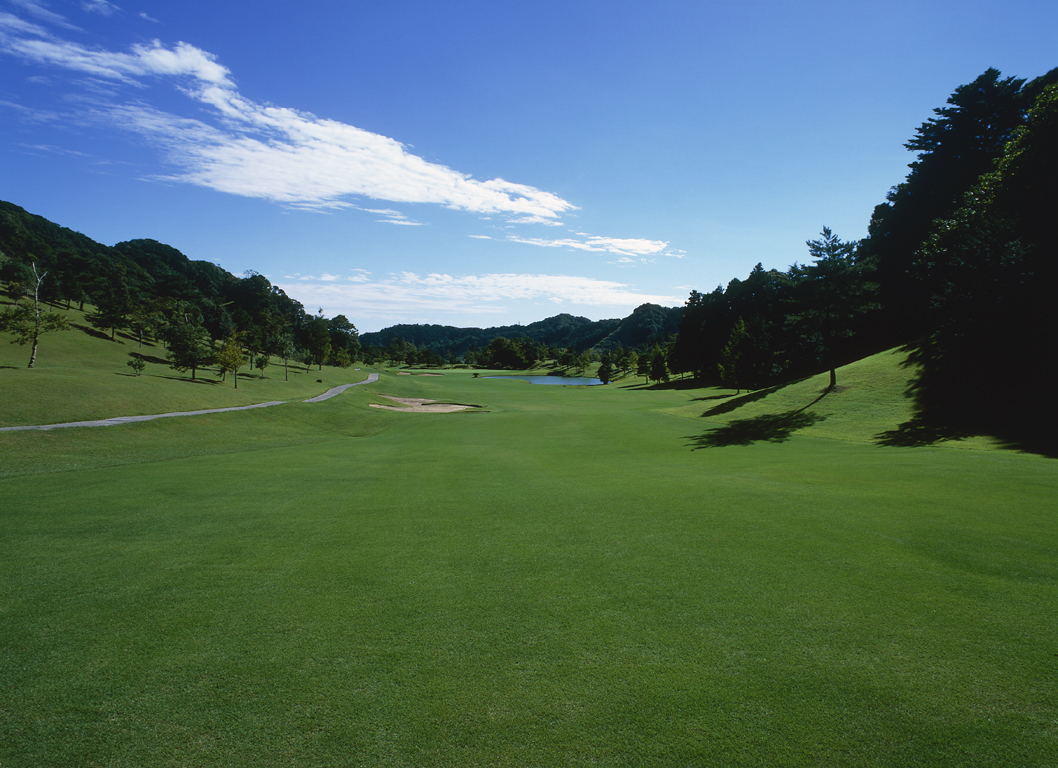
Kamogawa Country Club
Kamogawa Country Club is an 18-hole, par-72 hilly course in Kamogawa, Chiba, opened in 1992. The course plays to a total yardage of 6,331 and was designed jointly by Hale Irwin and Toshio Kinoshita. The clubhouse sits at 2607 Izumi, Kamogawa, roughly 37 kilometers from Kimitsu IC on the Tateyama Expressway. Golfers use self-drive carts, with a fan-equipped option available for warmer months, and there is no caddy service. A bath facility is on site for post-round use. Weekday green fees start from 3,764 yen and weekend fees start from 4,819 yen, placing the course among the more accessible options in the Boso Peninsula area. The hilly terrain and the pedigree of its co-designer, a former US Open champion turned course architect, distinguish this layout within Chiba's crowded golf market. Visitors driving from central Tokyo or Narita typically approach via the Tateyama Expressway before the final stretch to Kamogawa.
View Course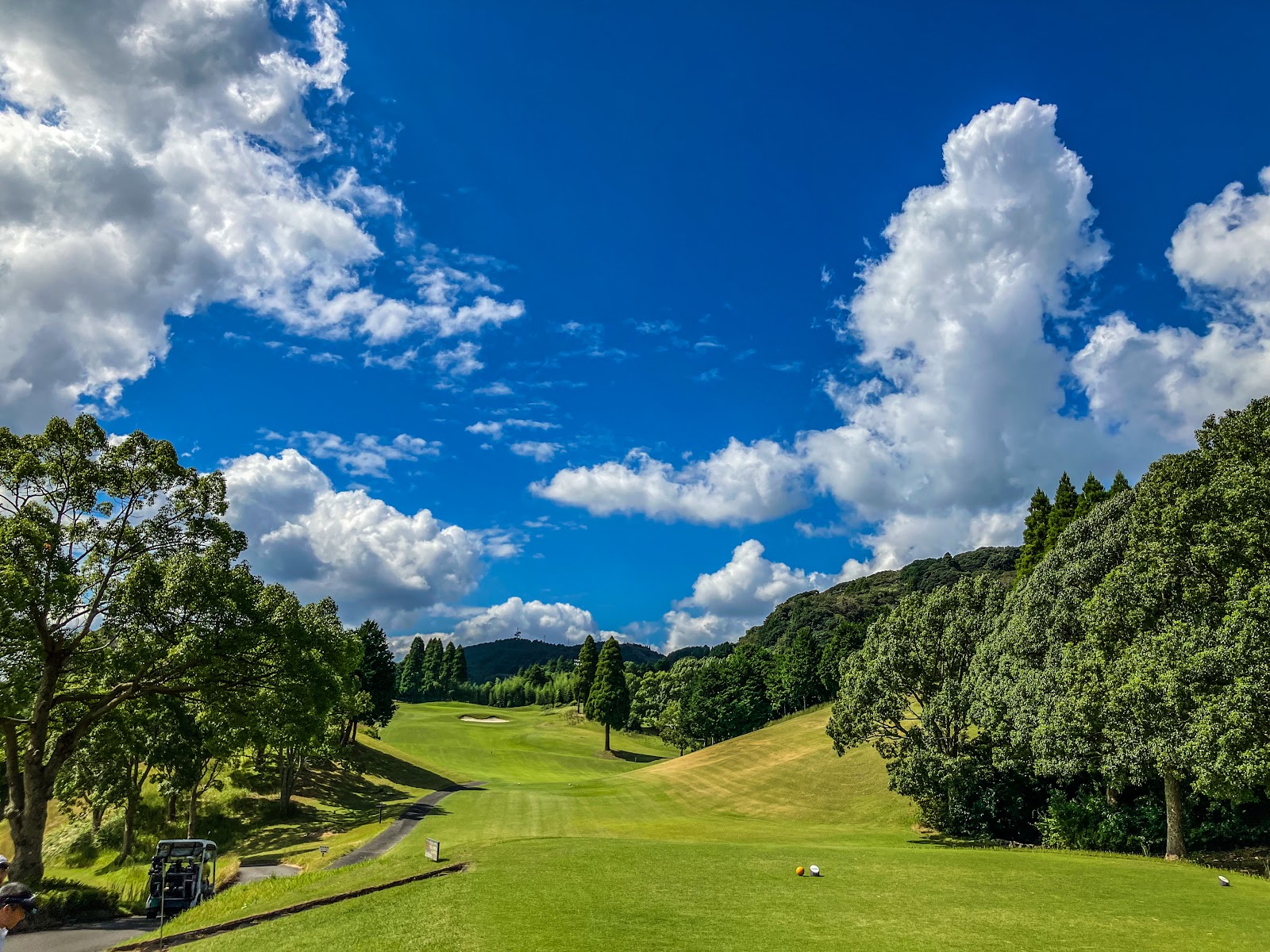
MacGregor Country Club
MacGregor Country Club is an 18-hole, par-72 hilly course located in Otaki, in Isumi District, Chiba. Designed by Sadakichi Mano, the course opened in 1979 and plays to a total yardage of 6,491. The clubhouse is at 2-1 Sawayama, Otaki-machi, Isumi-gun, Chiba. By car, the course is reached via the Ken-O Expressway's Ichihara-Tsurumai IC, about 12 kilometers and a 15-minute drive away. Golfers arriving by train can take the JR Sotobo Line to Mobara Station, followed by a taxi ride of roughly 40 minutes and about 7,300 yen. The course's hilly routing and its design by Mano, whose work spans a number of Chiba-area layouts from the same era, give it a distinct character among the region's late-1970s courses. Green fee, caddy, and cart details are not published for this course, so golfers should confirm current rates and service options directly with the club before booking.
View Course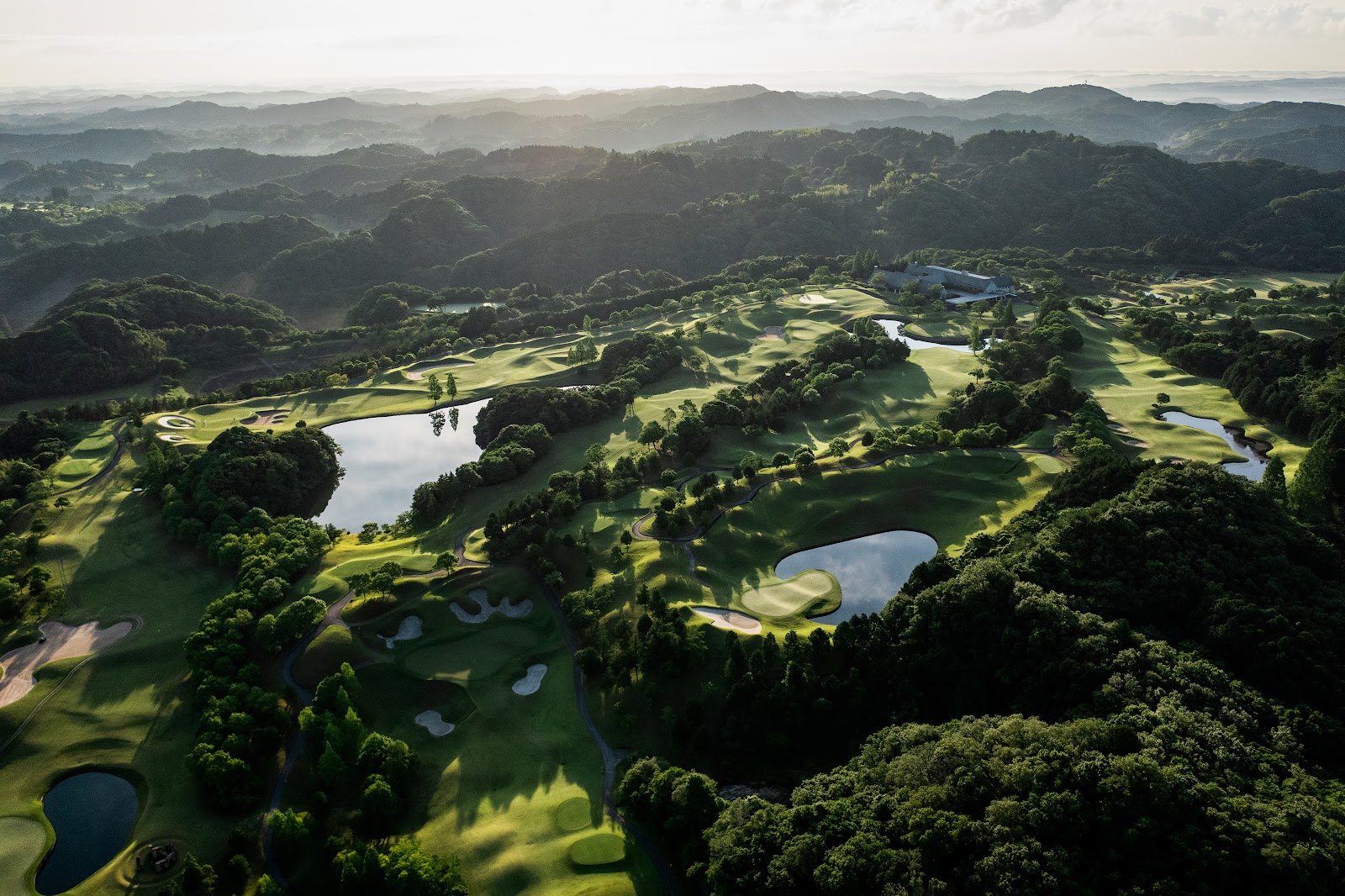
Golf 5 Country Oak Village
Golf 5 Country Oak Village is an 18-hole, par-72 hilly course in Ichihara, Chiba, opened in 1994. Designed by Desmond Muirhead, the course plays to a substantial total yardage of 7,024, making it one of the longer layouts in the region. The clubhouse address is 767 Kunimoto, Ichihara, Chiba, and the course is reached via the Ken-O Expressway's Ichihara-Tsurumai IC, about a 15-minute drive away. Riding carts are provided, with a fan-equipped option available on some carts, and there is a bath facility on site for use after the round. Muirhead, an architect known internationally for conceptual, sculpted course designs, brought that sensibility to this hilly Chiba site. Green fee information is not published for this course, so golfers should check current rates directly with the club. The combination of length, hilly terrain, and a name-brand designer makes Oak Village a notable stop for visitors exploring golf courses in the Ichihara area.
View Course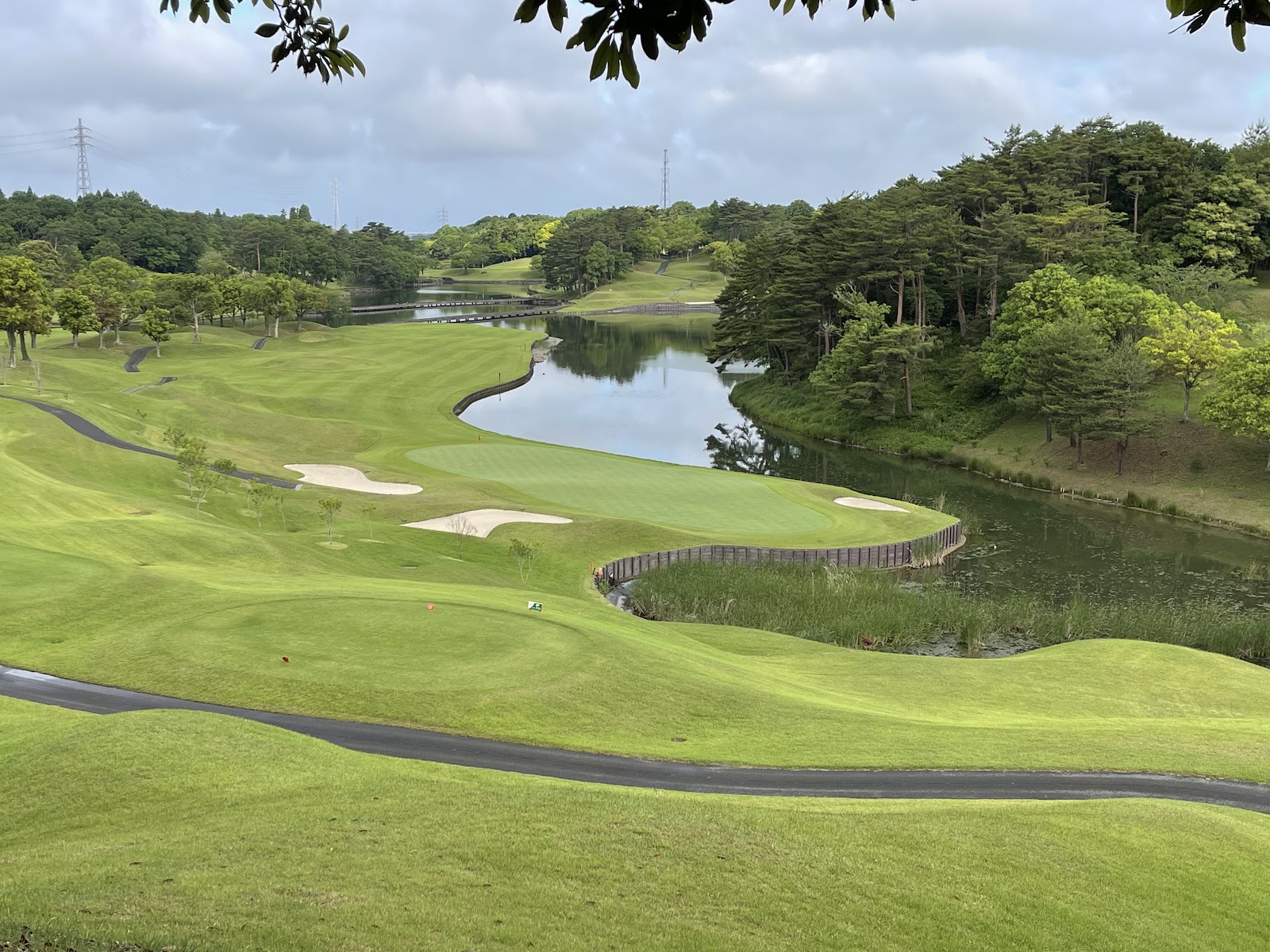
Narita Hills Country Club
Narita Hills Country Club is an 18-hole, par-72 course in Sakae, Inba District, Chiba, set on hilly terrain. The course was designed by Perry Dye and plays 7,128 yards from the back tees, one of the longer layouts in the area. Green fees start from 17,500 yen on weekdays and 30,200 yen on weekends. Caddie service is optional, allowing golfers to choose between caddie-accompanied and self-drive rounds. The clubhouse is at 1236-3 Ryukakuji, Sakae-machi, Inba-gun, Chiba, near the Narita interchange on the Higashi-Kanto Expressway. Golfers arriving by train can reach JR Narita Station or Keisei Narita Station and continue to the course by taxi, a ride of about 15 minutes. Given its proximity to Narita, the course suits golfers arriving from or departing via Narita International Airport who want a round of golf close to the airport corridor.
View Course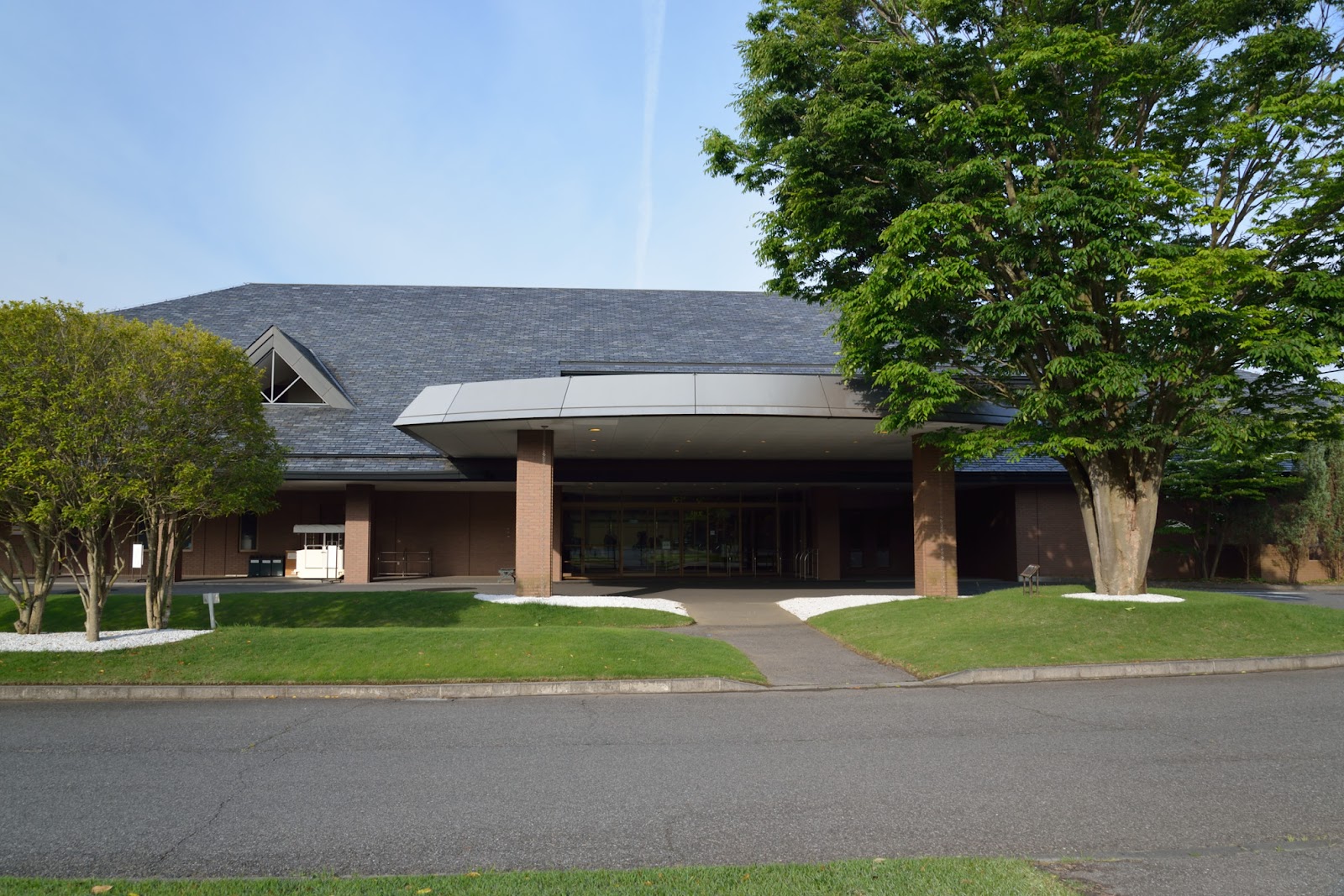
Narita Fairfield
Narita Fairfield is an 18-hole, par-72 hilly course in Narita, Chiba, that opened in 1998. The course plays to a total yardage of 6,815 from the back tees and was designed by the first-class architect office of Mitsui Construction Co., Ltd. Carts are equipped with GPS navigation systems, helping visiting golfers track distances and pin positions around the property. The club sits roughly 10 kilometers from the Narita interchange on the Higashi-Kanto Expressway, about a 15-minute drive, making it a practical stop for golfers arriving by car from Tokyo or Narita Airport. Golfers without a car can reach the course from JR Narita Station or Keisei Narita Station by taxi in about 20 minutes; on weekends and holidays a club shuttle bus also runs from the east exit of Narita Station. Weekday green fees start at 11,300 yen, rising to 17,500 yen on weekends, reflecting the course's role as a popular round for Tokyo-area and airport-transit golfers.
View Course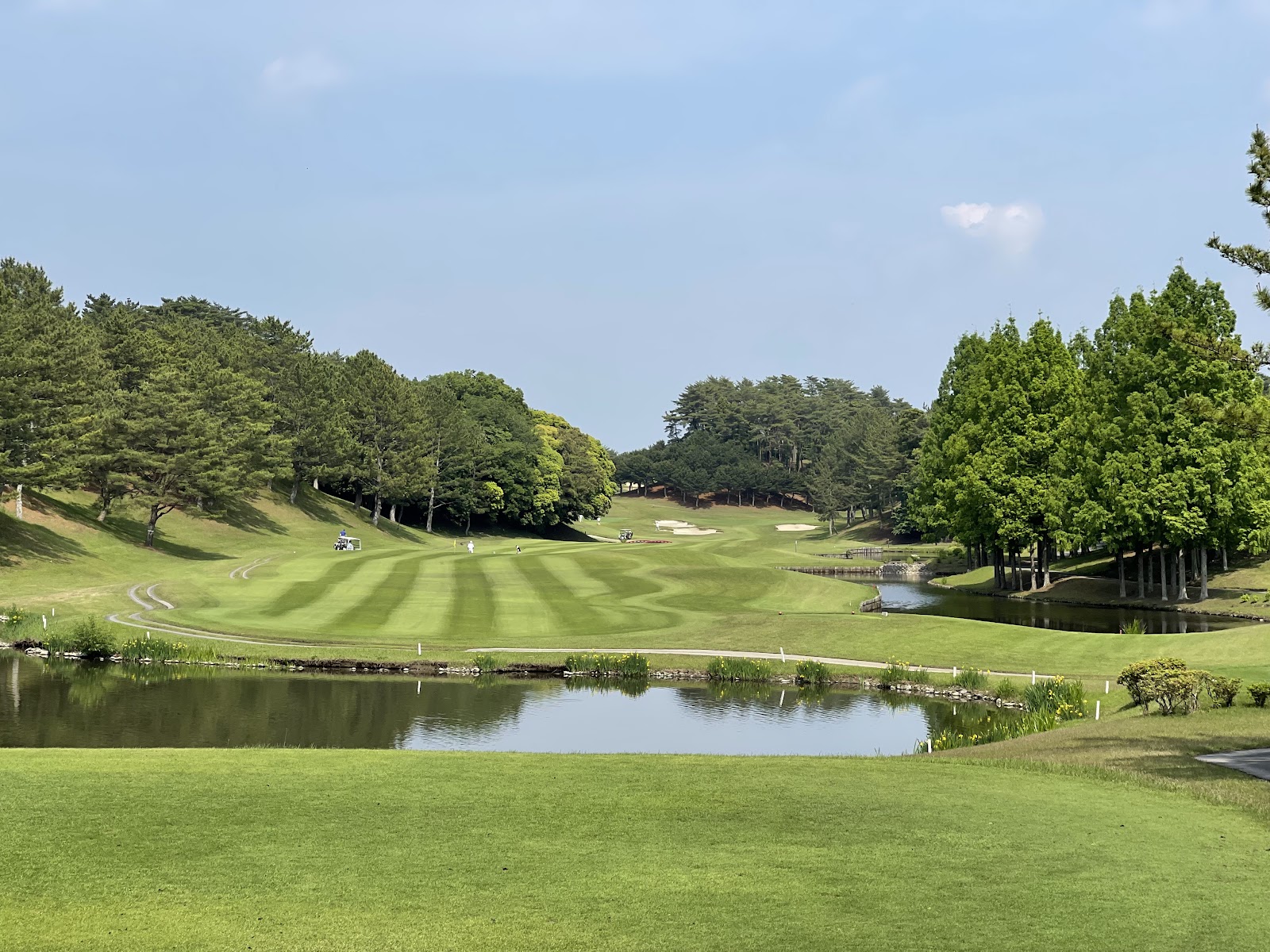
Hakuho Country Club
Hakuho Country Club is an 18-hole, par-72 hilly course in Narita, Chiba, designed by Sho Okubo. The course plays to a total yardage of 6,805 from the back tees. The club is located about 8 kilometers from the Narita interchange on the Higashi-Kanto Expressway, roughly 10 minutes by car, and is also accessible from the Kozaki interchange on the Ken-O Expressway, about 10 minutes away. Golfers arriving without a car can reach the club from JR Narita Line's Narita Station or Keisei Narita Station by taxi in around 20 minutes. Weekday green fees start at 12,100 yen, and weekend green fees start at 22,600 yen, placing Hakuho among the higher-priced weekend rounds in the Narita golf cluster. The course's opening year is not documented, but its layout and Okubo design credit place it among the established hilly courses built up around Narita to serve Tokyo-area and airport-transit golfers.
View Course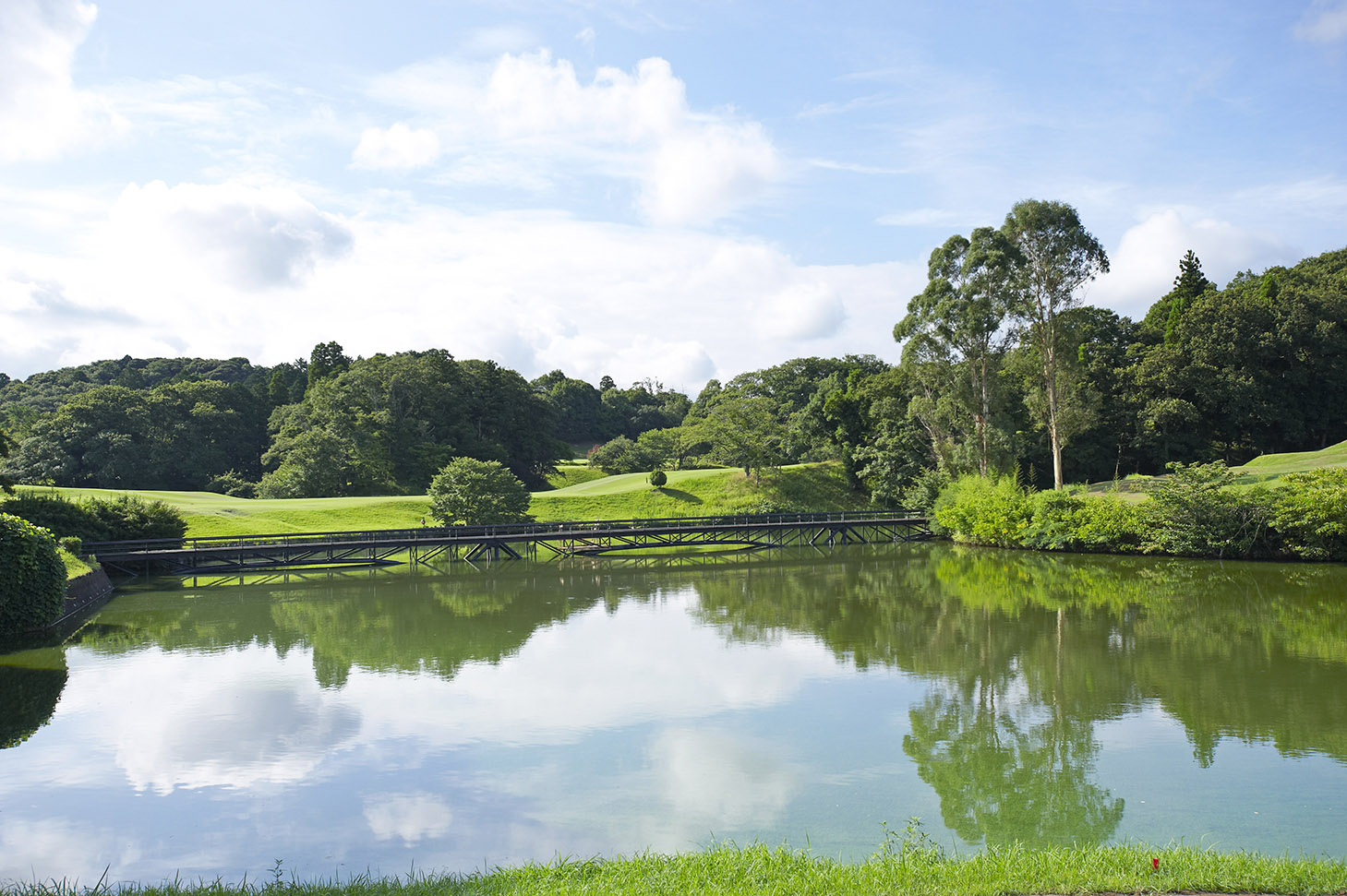
Skyway Country Club
Skyway Country Club is an 18-hole, par-72 hilly course in Narita, Chiba, that opened in 1978. The course plays to a total yardage of 6,829, with design credited to Akira Hotchi. Golfers can choose to play with or without a caddy, and the club provides riding carts for five passengers with remote-control operation. After the round, players can use the club's onsite bath. The course is located about 10 km from the Narita interchange on the Higashi-Kanto Expressway, making it accessible by car from central Tokyo and Narita Airport. As one of the older courses in the Narita golf area, having opened in 1978, Skyway Country Club offers a longer-established layout compared to some of the newer clubs built in the same district during the 1980s and 1990s.
View Course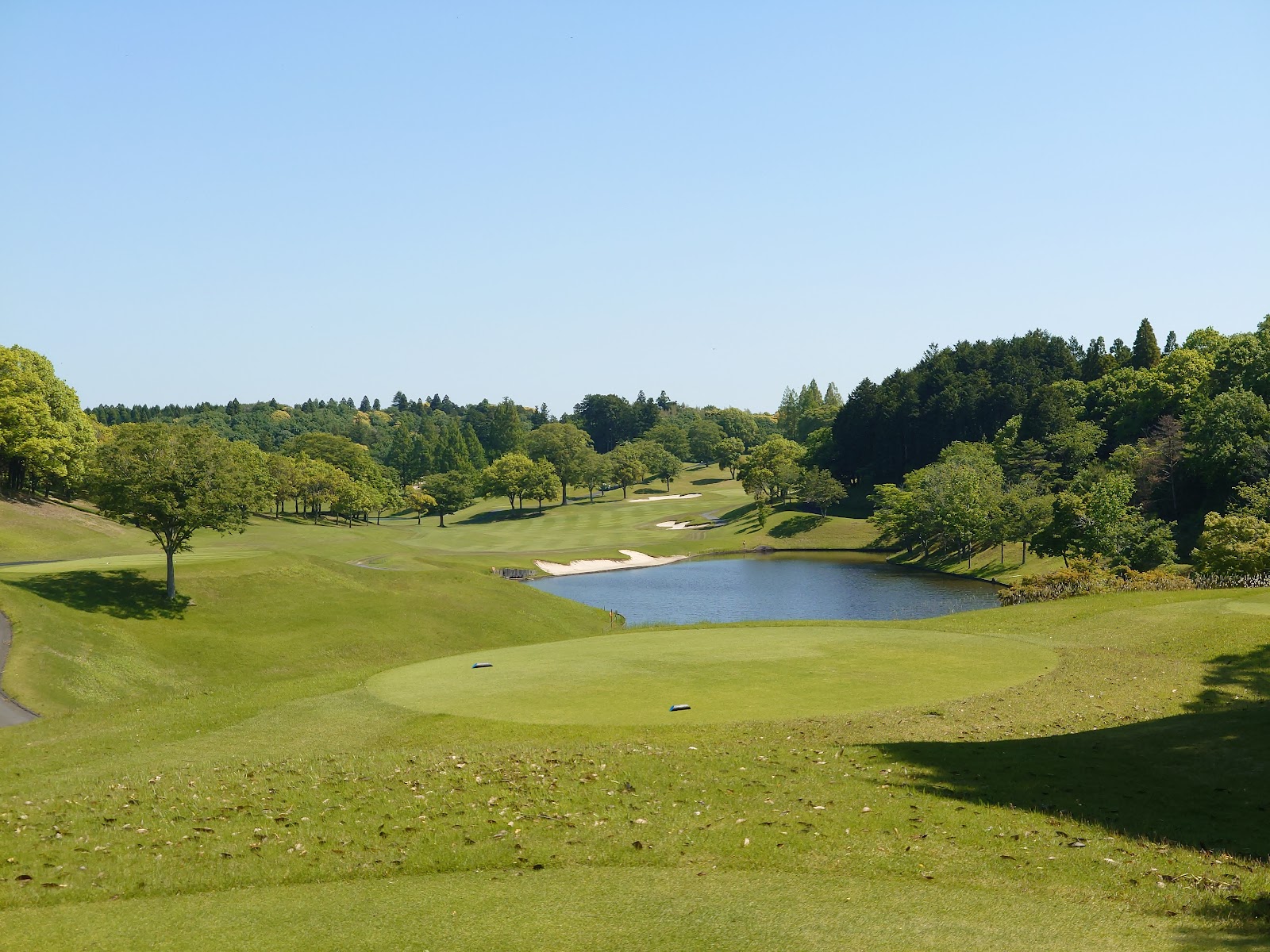
Narita Golf Club
Narita Golf Club is an 18-hole, par-72 hilly course in Narita, Chiba, that opened in 1988. The course plays to 7,140 yards from the back tees, making it one of the longer layouts in the Narita golf cluster, and was designed by Taizo Kawada. A caddy is required for rounds at the club, and an onsite bath is available after play. The course is located about 7 km from the Narita interchange on the Higashi-Kanto Expressway, roughly a 10-minute drive, and is also reachable in about 15 minutes from JR Narita Station or Keisei Narita Station. Opened a decade after nearby Skyway Country Club, Narita Golf Club adds a longer, hilly test to the group of courses clustered around Narita, within easy reach of both central Tokyo and Narita Airport for visiting golfers.
View Course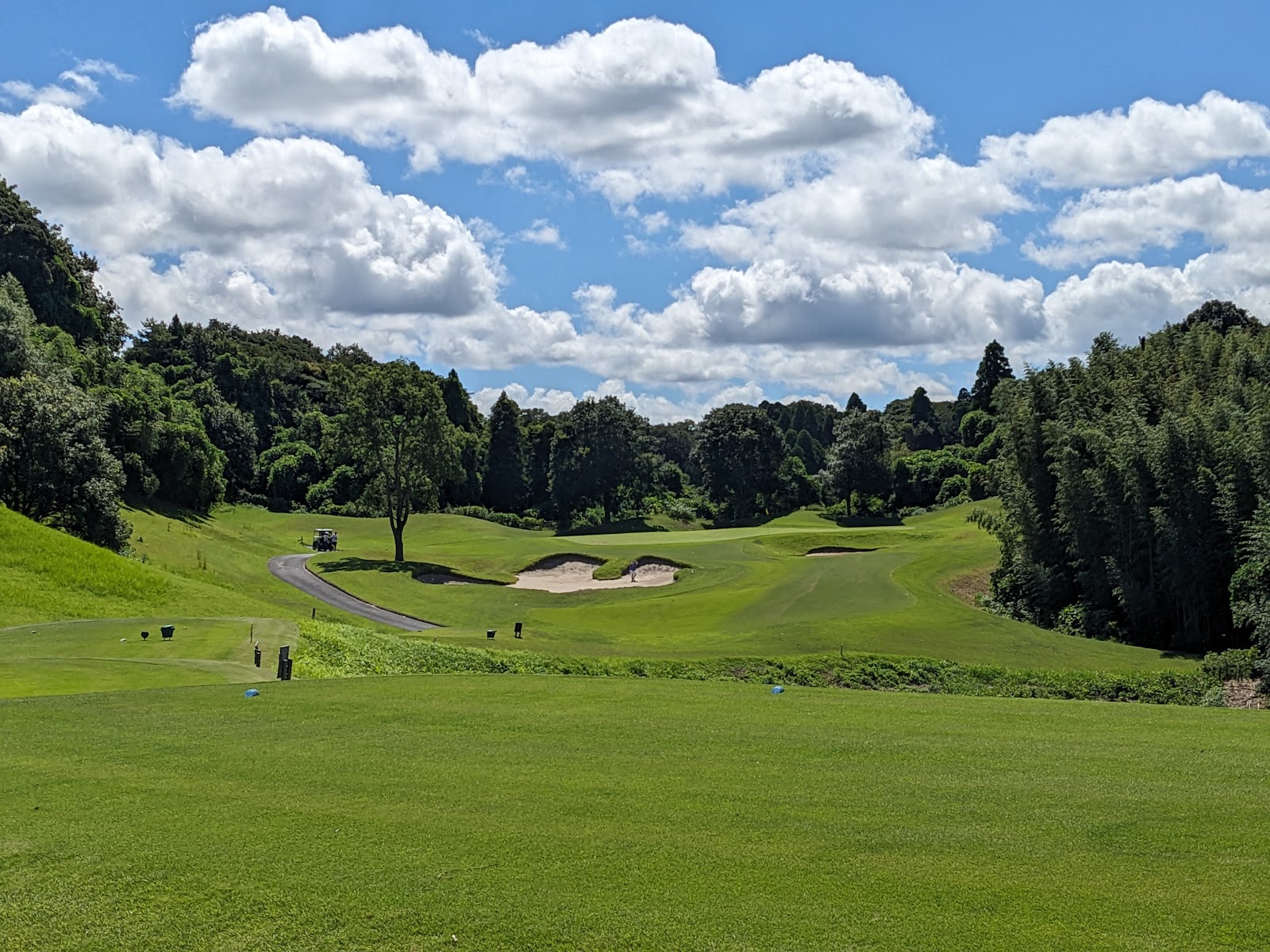
Moon Lake Golf Club Mobara Course
Moon Lake Golf Club Mobara Course is an 18-hole hilly course in Mobara, Chiba, opened in 2000. The layout follows the region's hilly terrain, giving players elevation change across all 18 holes. The club is reached from the Ken-O Expressway via Mobara-Kita Interchange, making it accessible for golfers driving from Tokyo and the wider Kanto region. Carts are riding carts equipped with GPS navigation, helping players track distances and pace of play around the course. As part of the Moon Lake Golf Club group, the Mobara course sits within Chiba's inland golf belt, an area with a concentration of courses built from the 1970s through the 2000s. Golfers visiting Mobara Course can expect a full 18-hole round on hilly ground with modern cart support throughout.
View Course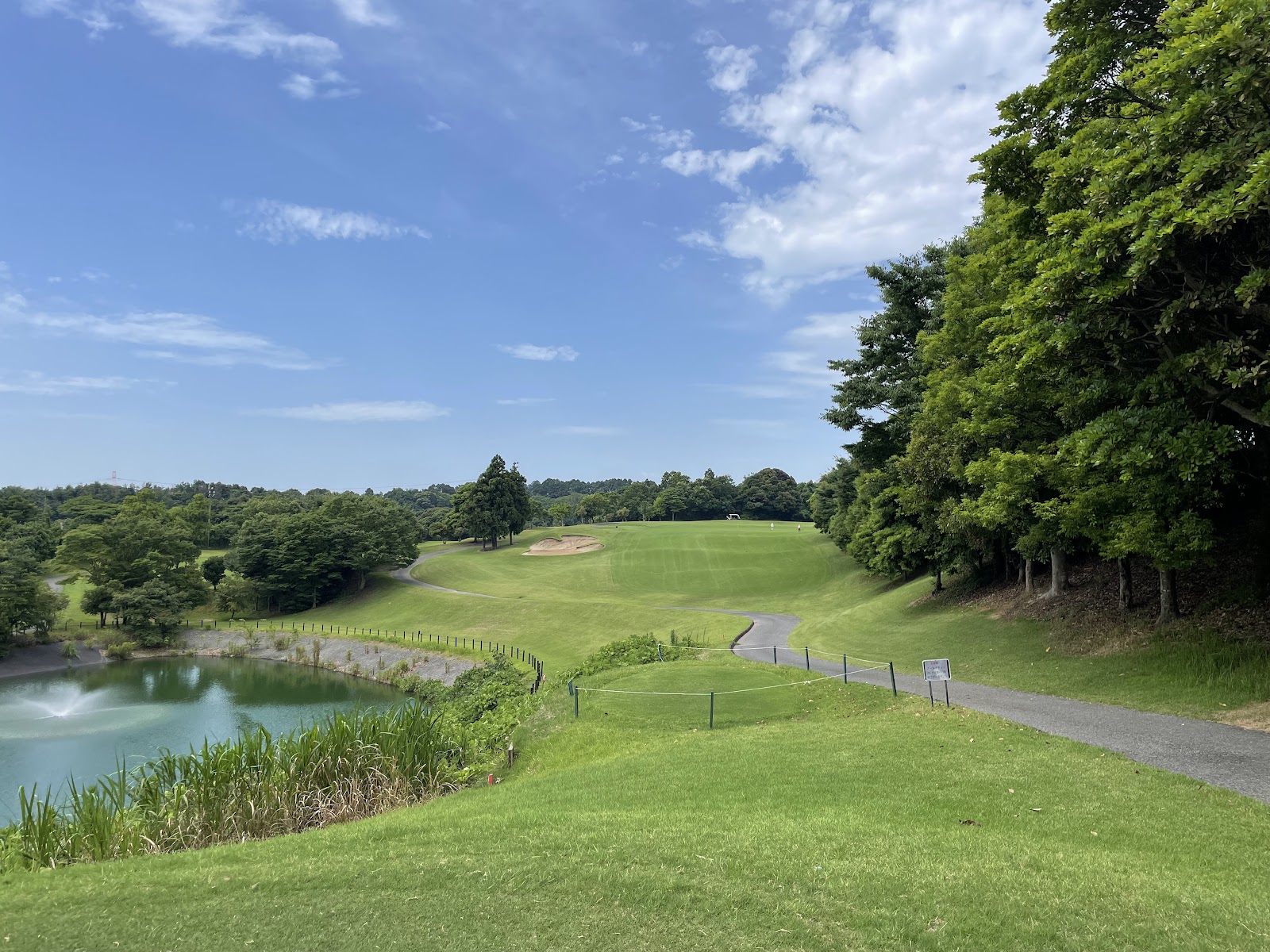
Moon Lake Golf Club Ichihara Course
Moon Lake Golf Club Ichihara Course is an 18-hole hilly course in Ichihara, Chiba. The course sits on hilly ground typical of the Boso Peninsula's inland golf region, part of the Moon Lake Golf Club group alongside the Mobara course. Golfers arrive by train via the JR Uchibo Line to Goi Station, or by car via the Tateyama Expressway using Ichihara Interchange. The club provides riding carts equipped with GPS navigation for tracking yardages and pacing rounds across all 18 holes. Ichihara sits within Chiba's cluster of golf courses along the Tateyama Expressway corridor, an area golfers from Tokyo can reach within a comparable drive time to the Mobara course. Visitors should expect a full 18-hole hilly round with cart support and dual access options by rail or expressway.
View Course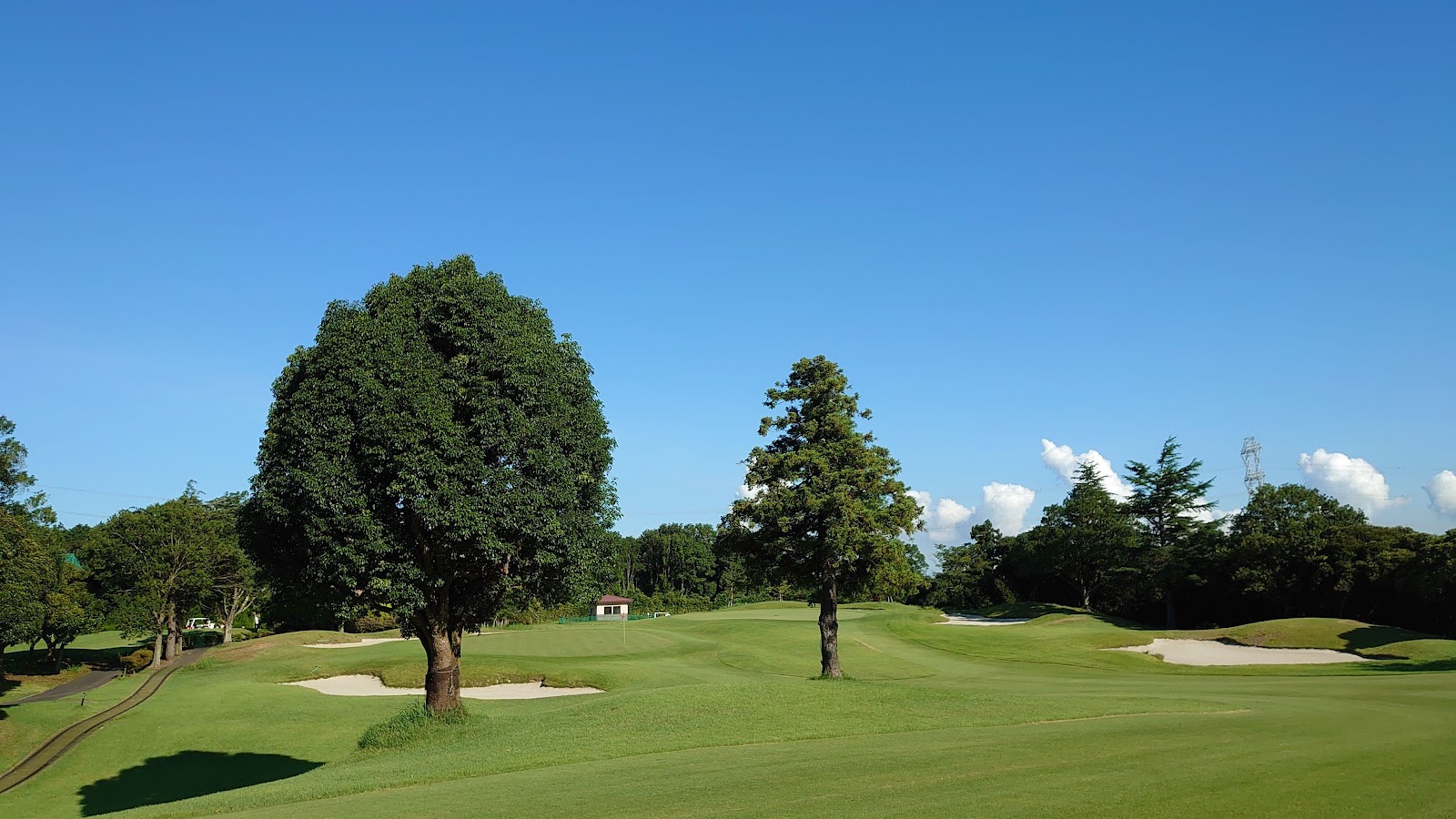
Ichihara Keikyū Country Club
Ichihara Keikyu Country Club is an 18-hole, par-72 hilly course in Ichihara, Chiba, spanning 6,715 yards from the back tees. The course was designed by Taisei Corporation and opened in 1980. Weekday green fees start from JPY 13,800 and weekend fees start from JPY 22,930. Golfers can reach the club by train via the JR Uchibo Line to Goi Station, followed by a roughly 25-minute club bus, or by car via the Tateyama Expressway, exiting at Ichihara Interchange, about 11km and 20 minutes from the course. Caddies are available on an optional basis, and play is supported by 1-rider, 4-bag riding carts. At 6,715 yards over 18 holes with a par of 72, the layout offers a full-length test of hilly terrain typical of the Boso Peninsula's inland courses, with clubhouse transport and optional caddie service for visiting golfers.
View Course
Chiba Central Golf Club
Chiba Central Golf Club is a 27-hole woodland facility in Ichihara, Chiba, made up of three 9-hole courses combining for a total par of 108 and 10,044 yards. The layout was designed by Kazumi Miura. Golfers can reach the club by train via the JR Uchibo Line to Goi Station, about 25 minutes away with a shuttle bus available, or by car via the Tateyama Expressway, exiting at Ichihara Interchange roughly 9km from the course. Play is supported by riding carts across all three courses. With three combinable 9-hole loops set in woodland terrain, Chiba Central Golf Club gives visiting golfers flexibility to play 18 or 27 holes in a single visit, within the same Ichihara golf corridor as the region's other Tateyama Expressway-accessible courses.
View Course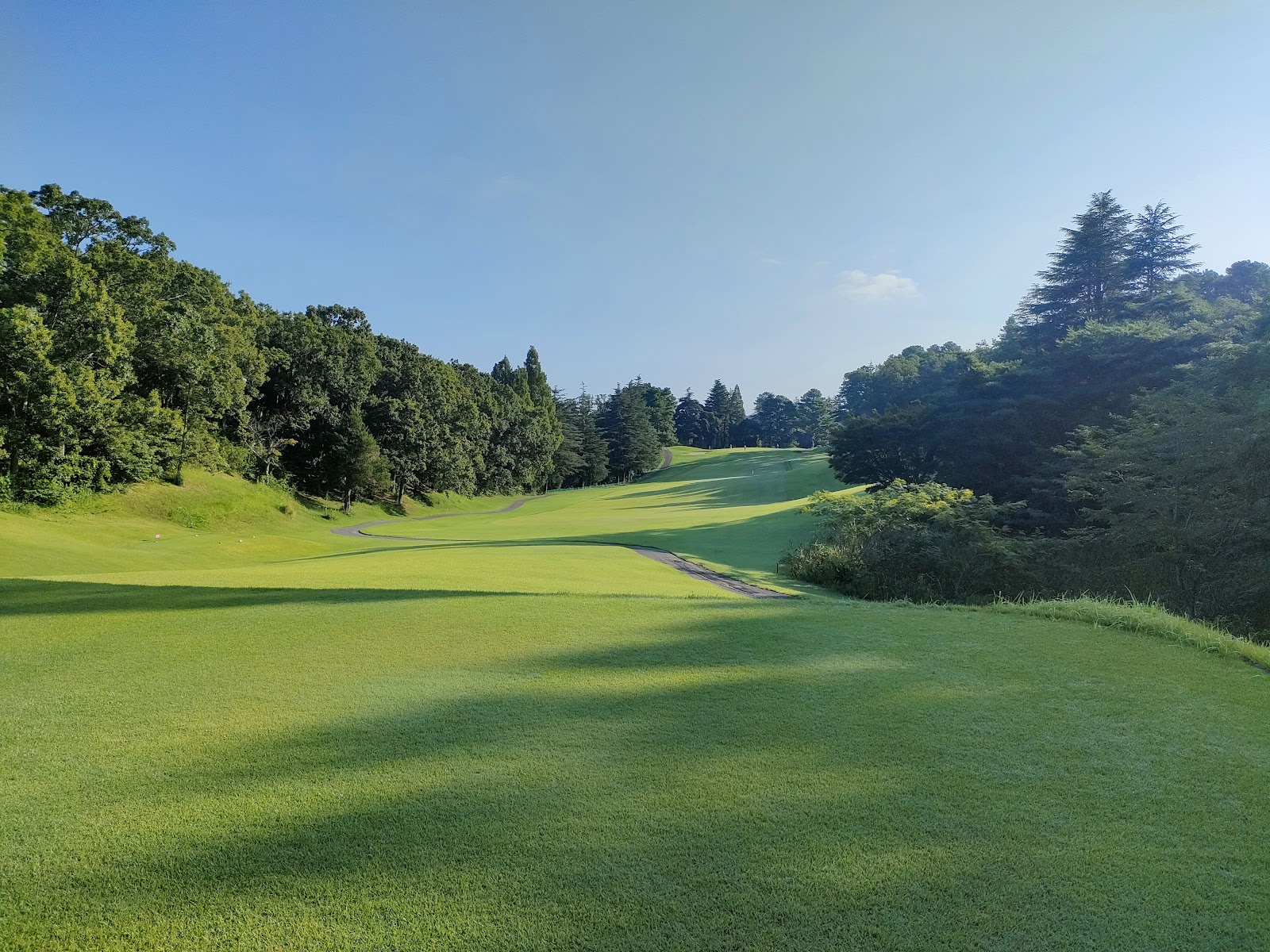
CPG Country Club
CPG Country Club is an 18-hole, par-72 course laid out over hilly terrain in Ichihara, Chiba Prefecture. Designed by Kokichi Yasuda, the course opened in 1961 and plays to 6,586 yards from the back tees. Rounds are carted rather than walked: players use five-seat electric remote-control carts equipped with navigation and scoring displays, and no caddy service is offered. After the round, golfers can use the on-site bath. The club is reached from JR Uchibo Line's Goi Station, where a club bus departs from the east exit on a reservation basis, or by car via the Tateyama Expressway's Ichihara Interchange. The hilly routing reflects terrain typical of inland Chiba courses built in the early 1960s, and its 1961 opening makes it one of the region's longer-established layouts.
View Course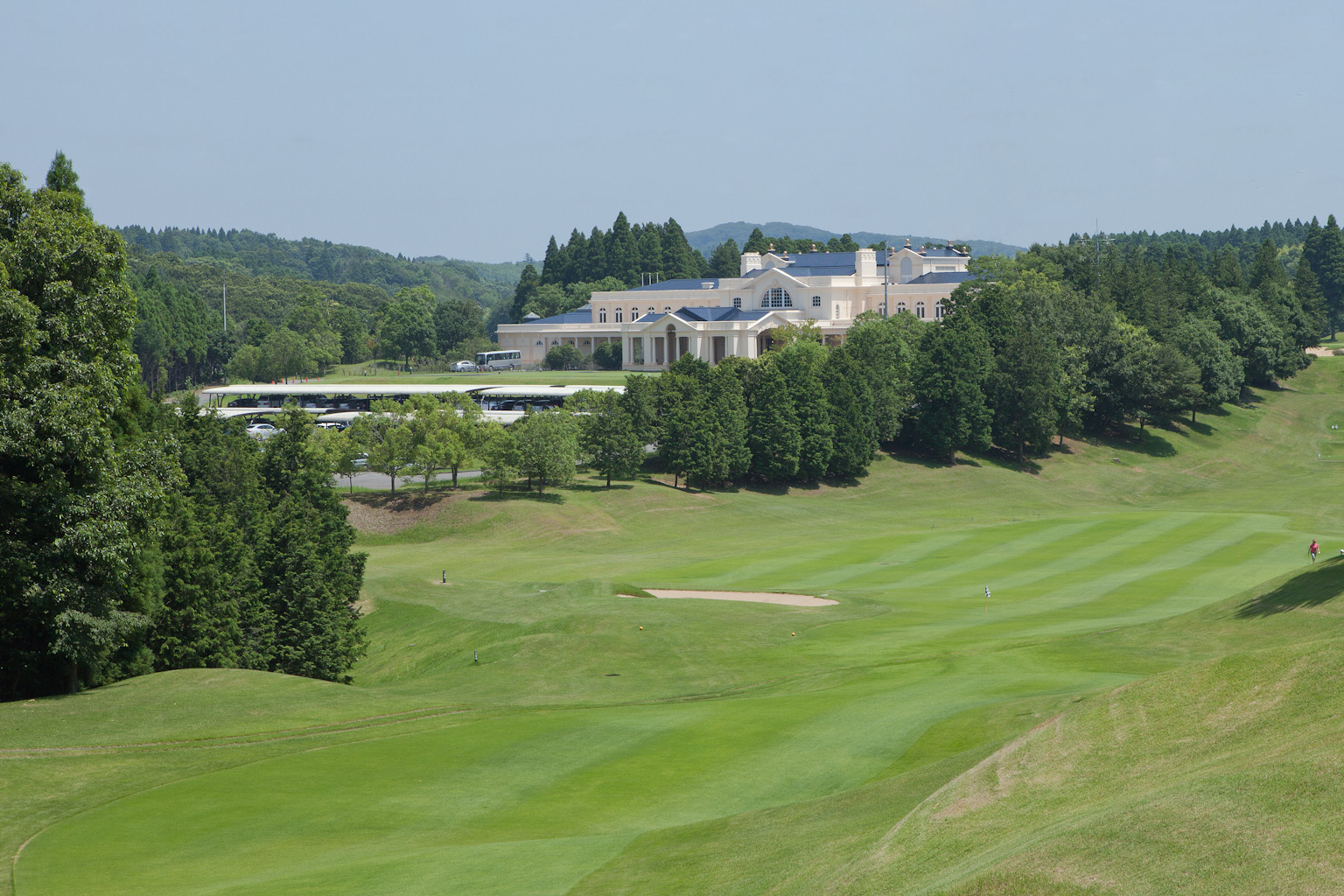
Mille-feuille Golf Club
Mille-feuille Golf Club is an 18-hole, par-72 course set on hilly ground in Nagara, Chiba Prefecture. Designed by Shunsuke Kato, the course opened in 1997 and measures 6,765 yards from the back tees, longer than many of the region's older layouts. Caddy service is optional, so golfers can choose to walk or ride depending on preference. The club runs its own bus from JR Uchibo Line's Goi Station, and drivers can reach the course via the Ken-O Expressway's Mobara-Nagara Smart Interchange. As one of the newer courses in the Chiba golf belt, Mille-feuille's 1997 opening places it among the later wave of hilly-terrain courses built in the prefecture, distinct from the older courses common in the area.
View Course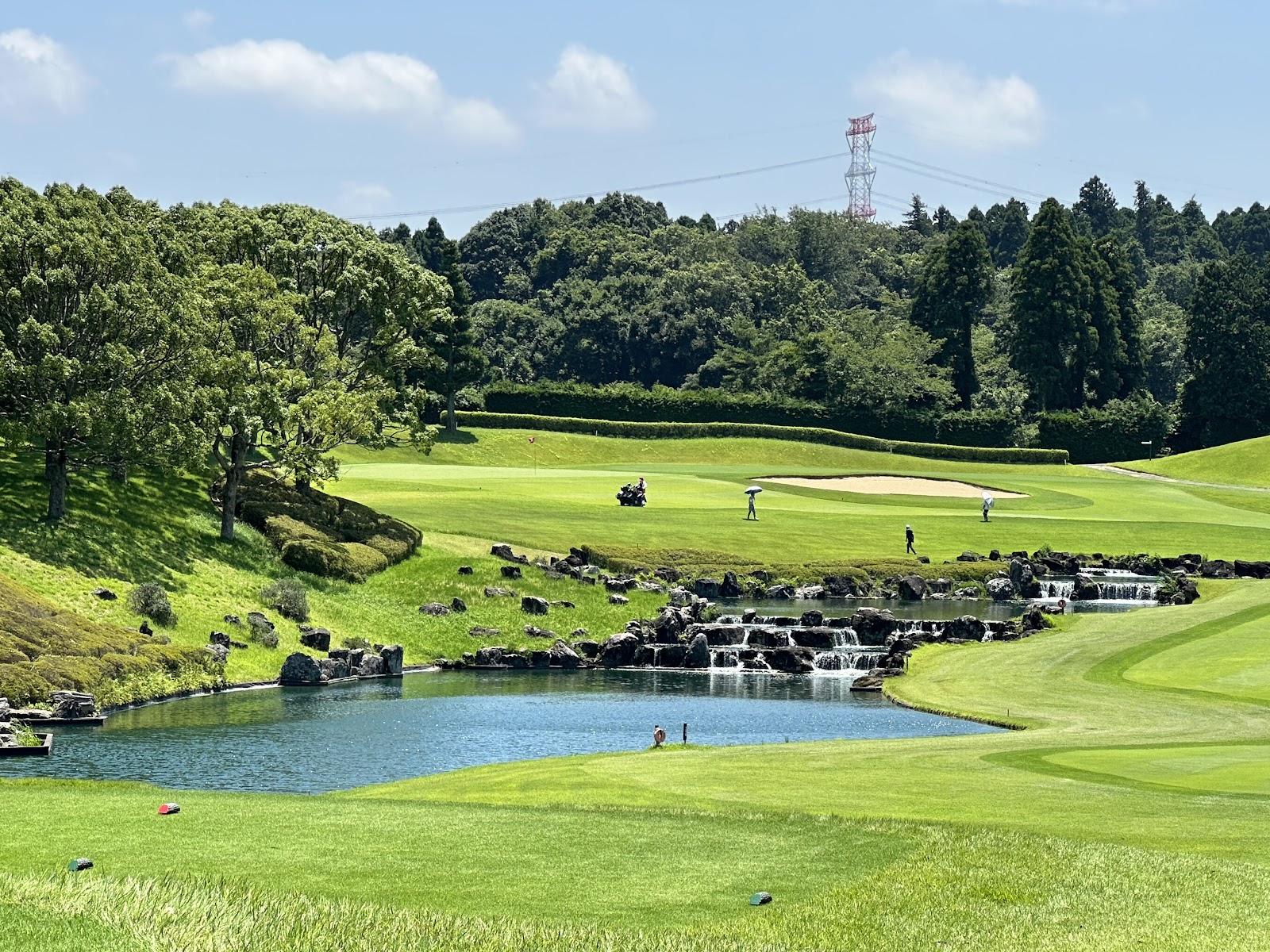
Hamano Golf Club
Hamano Golf Club is an 18-hole, par-72 course on hilly terrain in Ichihara, Chiba Prefecture. Designed by Seiichi Inoue, one of Japan's most prominent golf course architects, the course opened in 1984 and plays to 7,217 yards from the back tees, one of the longer layouts in the prefecture. Caddy service is required, and rounds are played on foot as the standard format; riding carts are reserved for golfers aged 70 and over or those holding a disability certificate. The club is accessible from JR Keiyo Line's Soga Station (east exit) or JR Sotobo Line's Toga Station (south exit), and by car via the Keiyo Road's Soga Interchange. The combination of Inoue's design pedigree and the course's length places Hamano among the more demanding walking courses in the Chiba area.
View Course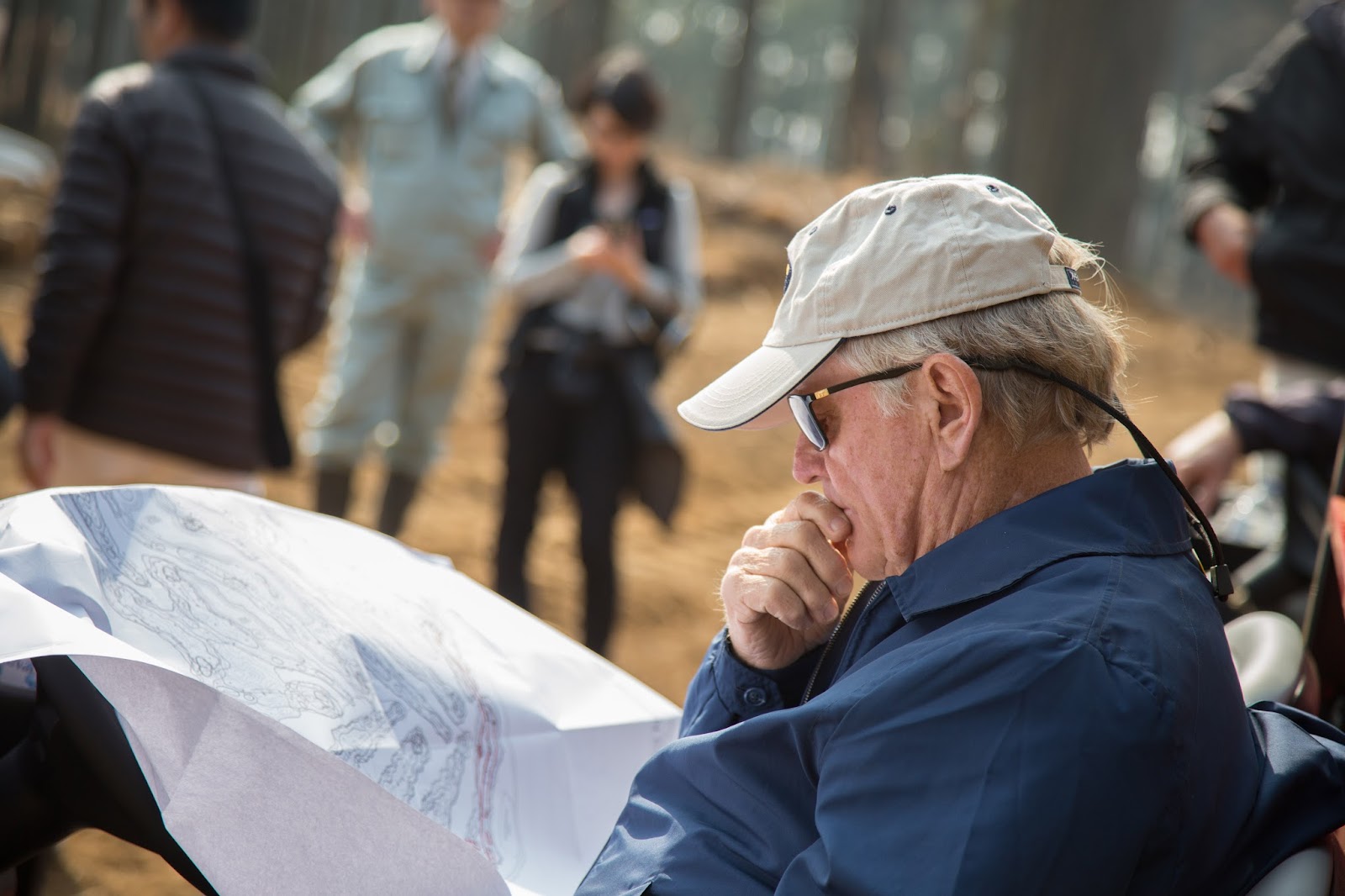
Tokyo Classic Club
Tokyo Classic Club is an 18-hole, par-72 course located in the Wakaba ward of Chiba City, Chiba Prefecture, at Izumi-cho. The course was designed by Jack Nicklaus and measures 7,204 yards from the back tees, placing it among the longest golf courses in the prefecture. Access is by car via the Chiba Togane Road's Nakano Interchange, approximately 1.7 kilometers from the club. At over 7,200 yards, the par-72 layout represents a championship-scale test from the back tees for golfers who want a full-length round. Set within Chiba City rather than one of the more rural inland courses in the prefecture, Tokyo Classic Club combines a metropolitan-adjacent location with a Nicklaus-designed routing built for distance.
View Course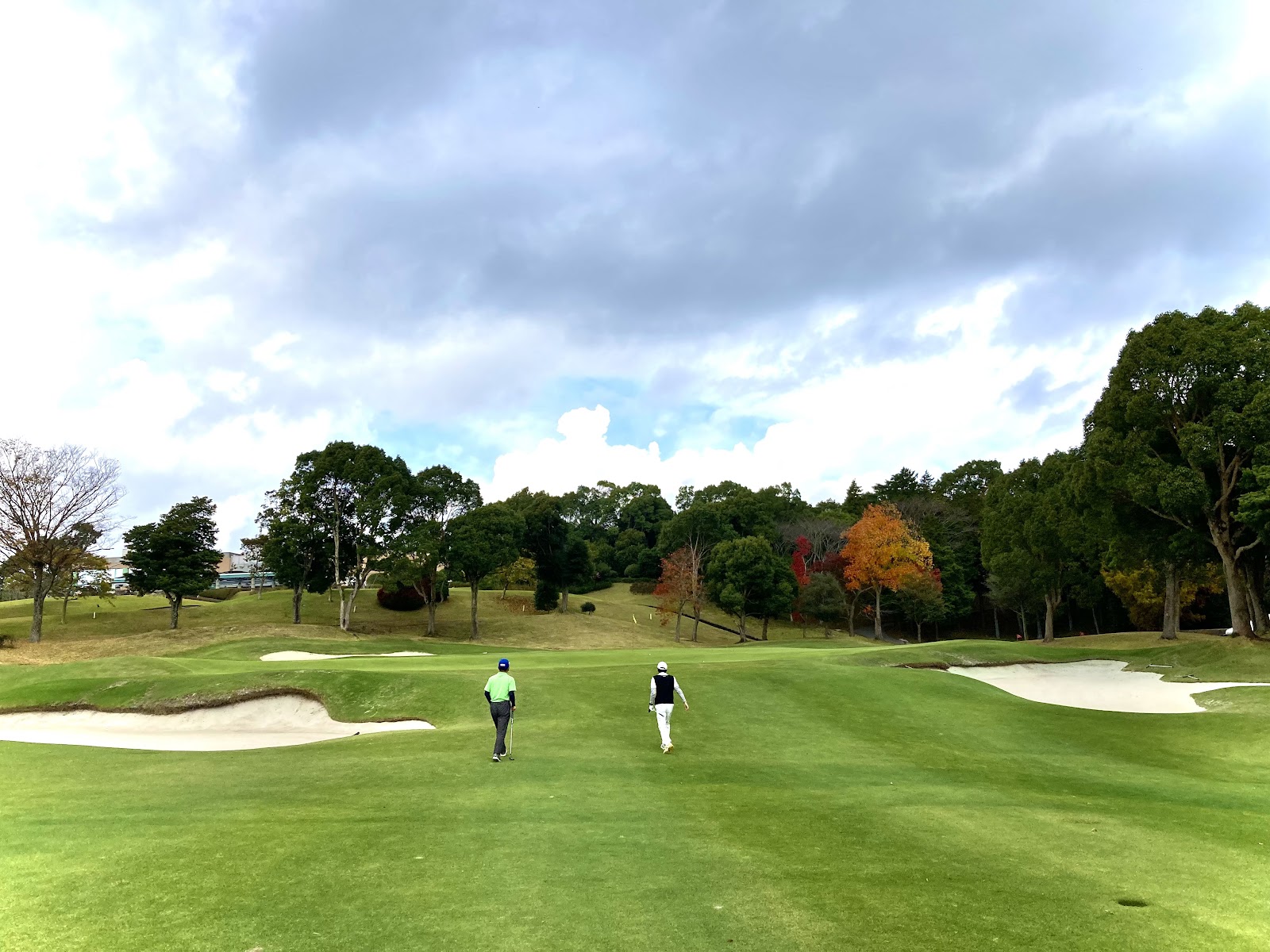
Tatsuno Classic Golf Club
Tatsuno Classic Golf Club is an 18-hole, par-72 course in Ichihara, Chiba, playing to 6,972 yards from the back tees. Design was supervised by Bernhard Langer, with Yasuzo Kaneko also credited on the course. The nearest station is Goi on the JR Uchibo Line, roughly 20 minutes from the club by shuttle bus. By car, the course is about 8.0 kilometers from Anesaki-Sodegaura IC via the Tokyo Bay Aqua-Line, or about 8.0 kilometers from Ichihara IC via the Keiyo Road. The address is 1166 Nakatakane, Ichihara-shi, Chiba, placing the club within reach of both central Tokyo and the Boso Peninsula via the Aqua-Line crossing. No green fee data or opening year is listed for this course. The Aqua-Line access point makes it a viable option for visitors based in Tokyo or Kanagawa without a long inland drive into Chiba.
View Course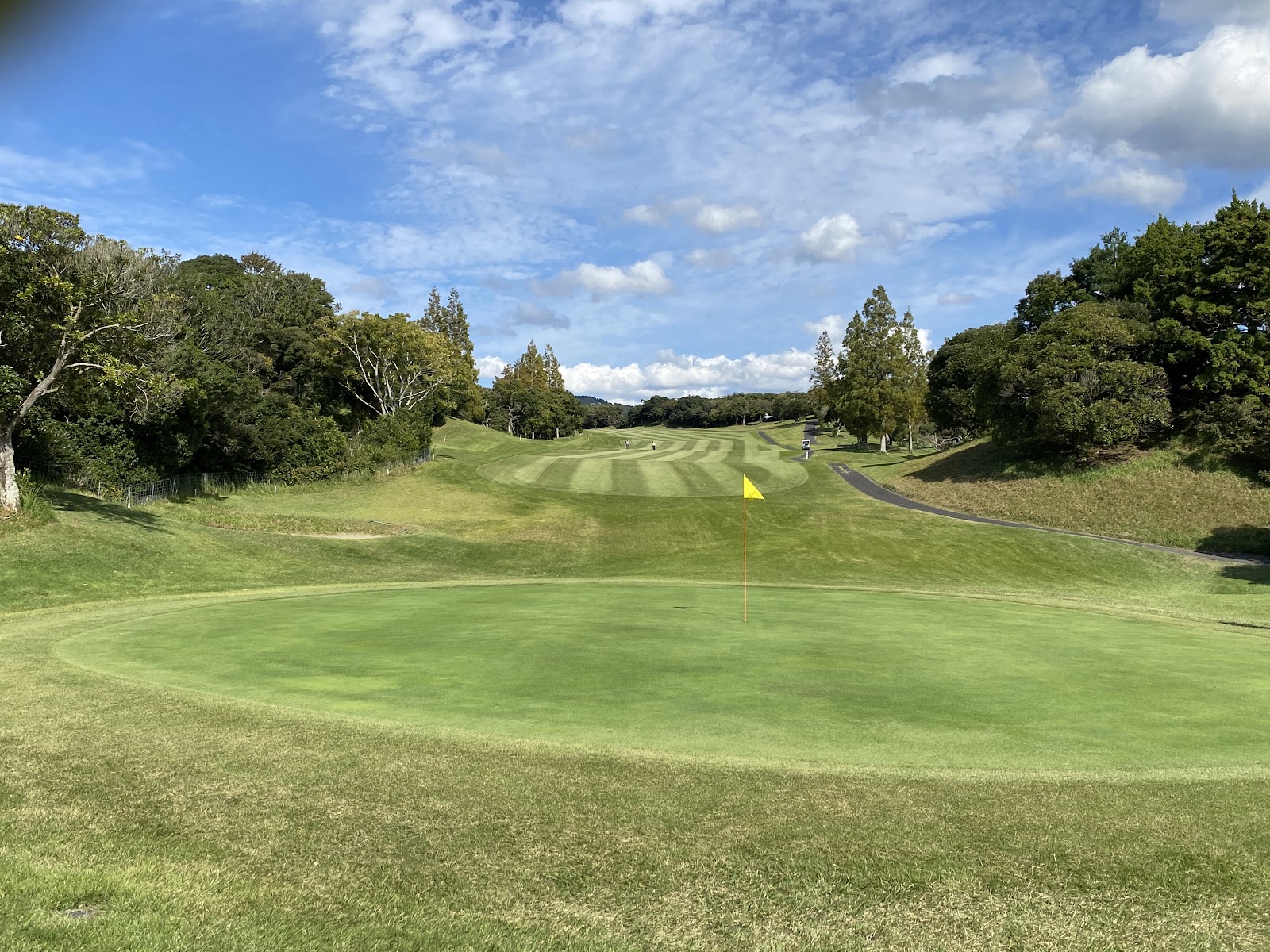
South Sōsā Hills Country Club
South Sōsā Hills Country Club is a 27-hole, par-108 course in Futtsu, Chiba Prefecture, opened in 1977. The three nine-hole courses run over hilly terrain and combine for a total yardage of 9,746 yards. The club is reachable from JR Kazusa-Minato Station on the Uchibo Line, or by car via the Futtsu-Chuo Interchange on the Tateyama Expressway. Located on the Boso Peninsula, the course sits within a region known for its hilly, coastal-adjacent golf terrain, offering routing variety across its three nine-hole loops. The 1977 opening places South Sōsā Hills among the courses built during Chiba's golf development period of the 1970s, when a number of clubs opened across the Boso Peninsula to serve the greater Tokyo golfing population. Access by both rail and expressway makes it a practical option for visitors approaching from central Tokyo or the Boso coastal route.
View Course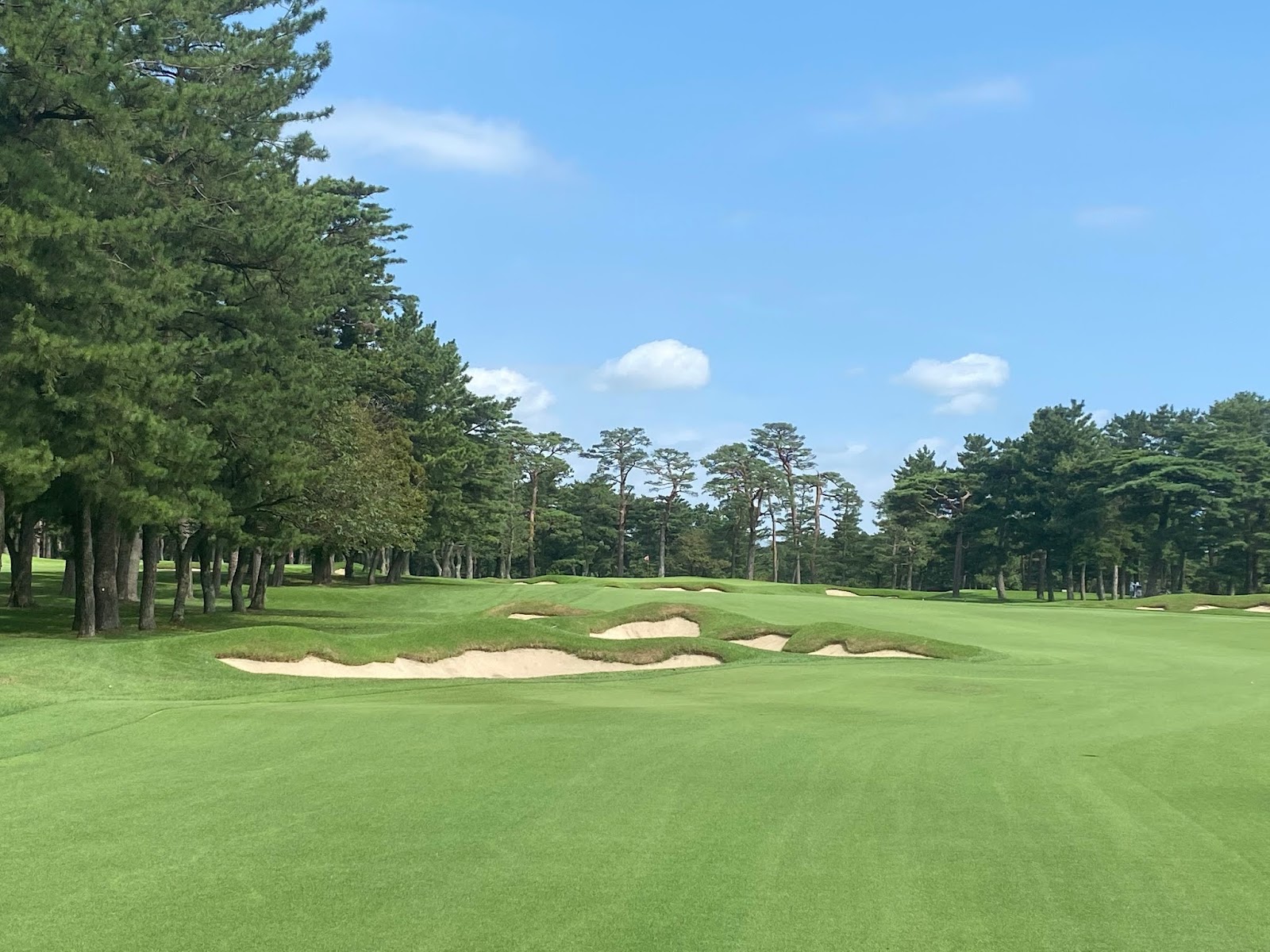
Abiko Golf Club
Abiko Golf Club is an 18-hole, par-72 hilly course in Abiko, Chiba, first laid out in 1930 by Rokuro Akaboshi. The course underwent a renovation in 2012 by Brian Silva and Kyle Franz, and plays to 6,923 yards from the back tees. Abiko follows a caddie-required walking format; riding carts, caddie-driven, are permitted only in special circumstances. The club is reached from JR Joban Line's Tennodai Station via a 5-minute club shuttle bus, making it accessible without a rental car. On-site facilities include a bath. Green fees start at 16,500 yen on weekdays and 24,200 yen on weekends. With nearly a century of history and a design lineage spanning both prewar and modern renovation work, Abiko offers golfers a walking-only round on a course shaped by two distinct eras of design.
View Course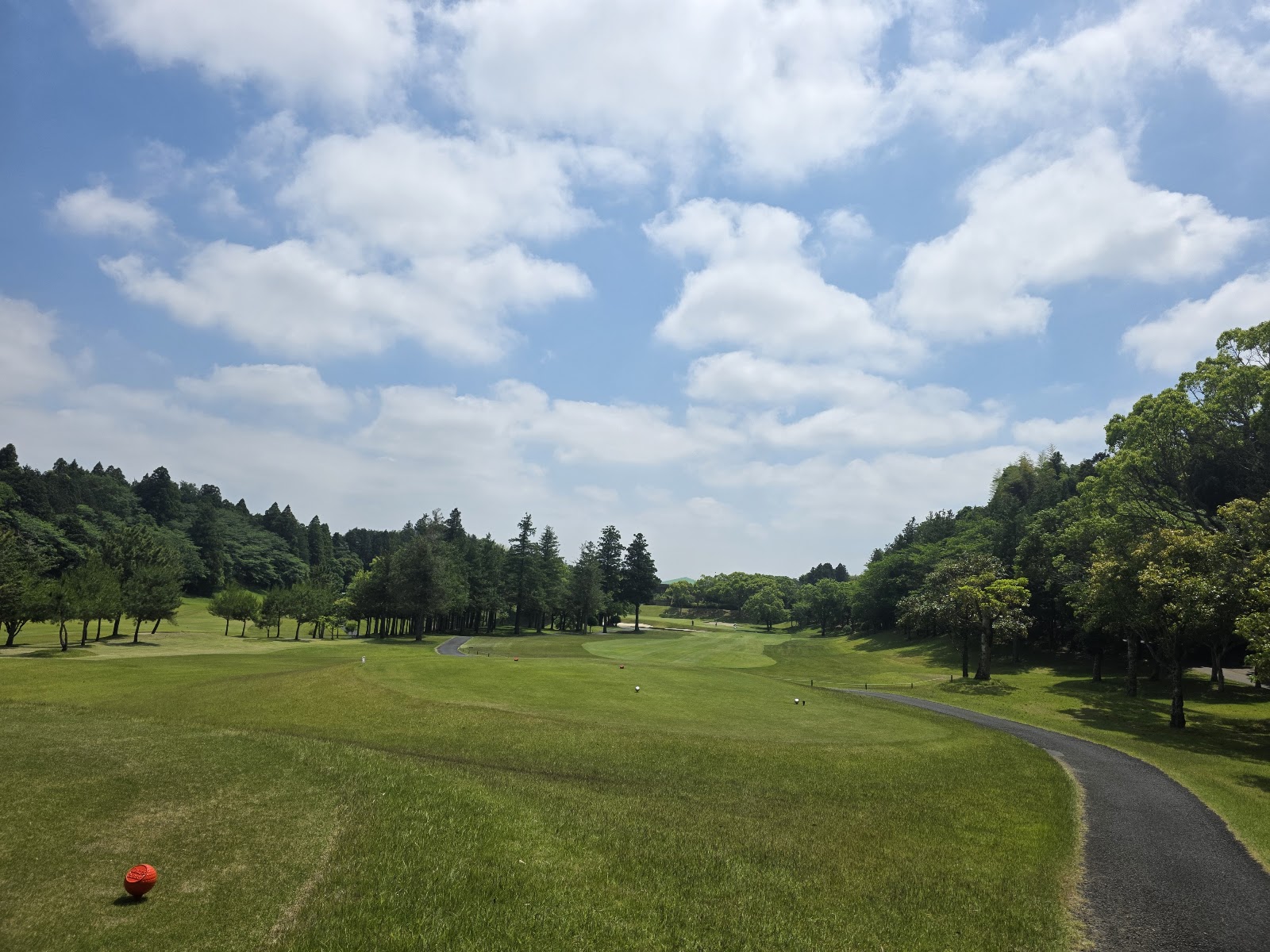
Daiei Country Club
Daiei Country Club is an 18-hole, par-72 hilly-terrain course in Narita, Chiba, that opened in 1989. Designed by Yasushi Kaizu, the course plays to 6,741 yards. It is located close to Narita International Airport, about a 20-minute drive from Narita Airport Station, and near the Higashi-Kanto Expressway's Daiei Interchange, roughly 4 kilometers (5 minutes) away, making it a convenient option for golfers flying in or out of Narita. Riding carts are provided on the course, and the clubhouse includes a bath facility for use after a round. Given the short transfer time from the airport, the club can suit golfers looking to fit in a round before an international flight or shortly after arrival in Japan.
View Course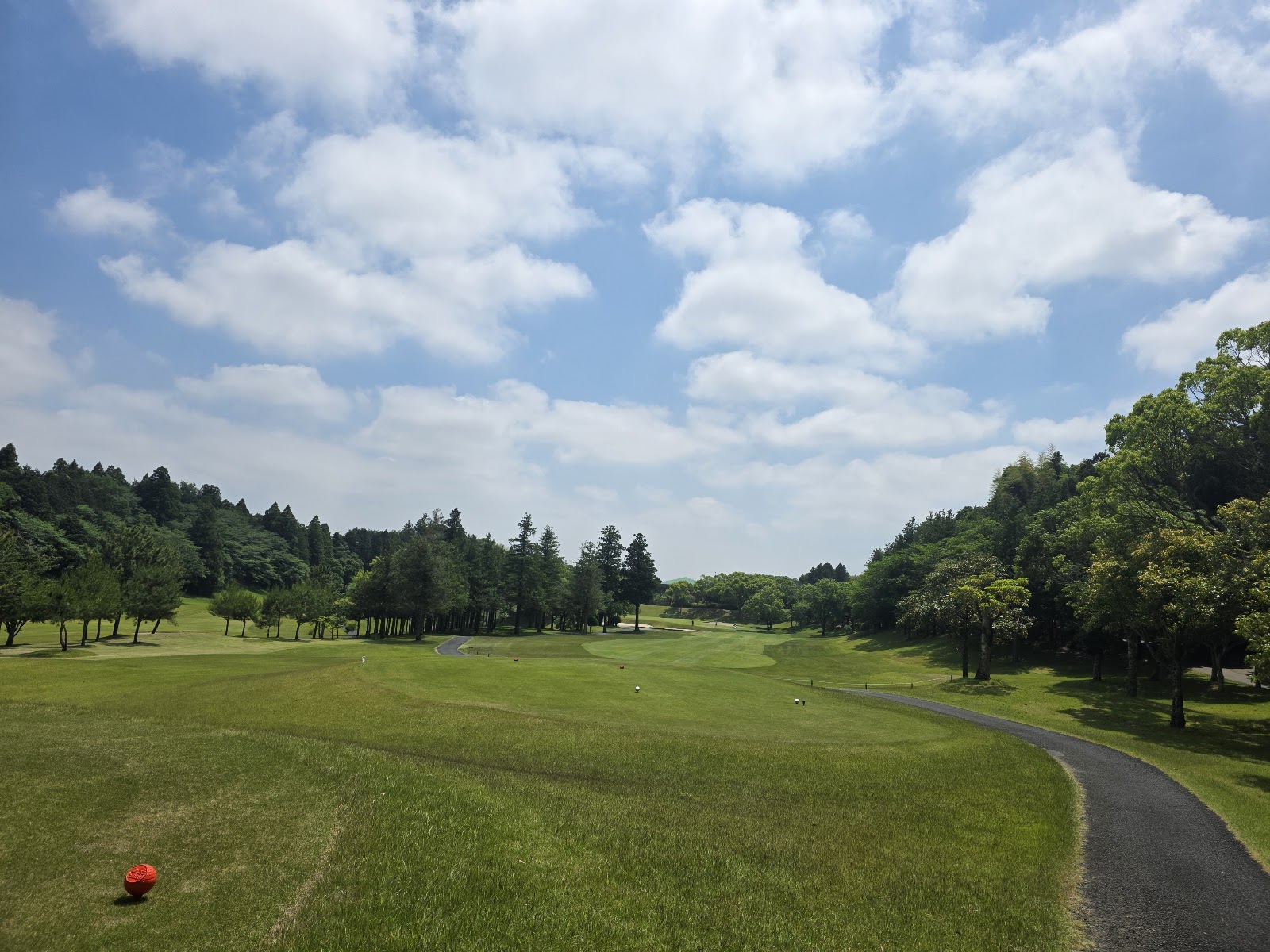
Taiei Country Club
Taiei Country Club is an 18-hole, par-72 course in Narita, Chiba, that opened in 1989 and was built by Dai Nippon Doboku Co., Ltd. The course plays to a total of 6,741 yards and is situated near the Higashi-Kanto Expressway's Daiei Interchange. Golfers use riding carts that seat five and come equipped with GPS navigation, and caddy service can be arranged on an optional basis for those who prefer one. A bath facility is available at the clubhouse for use after a round. The course type is not specified in course records, though its yardage places it among the mid-length 18-hole layouts of the Narita area of Chiba. With direct expressway access via the Daiei Interchange, it is a straightforward drive for golfers based in central Chiba or the greater Tokyo area.
View Course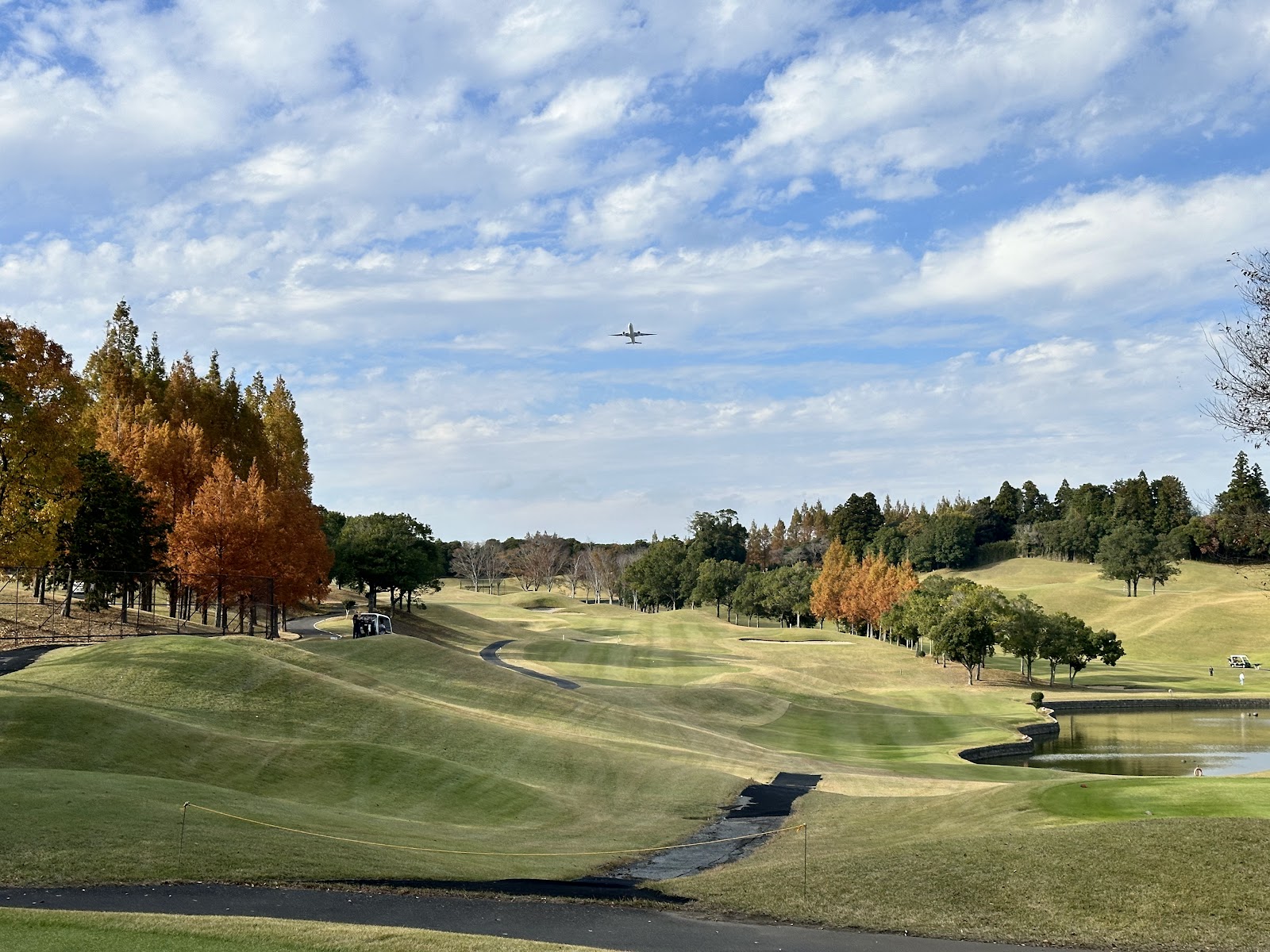
Kyo Country Club
Kyo Country Club is an 18-hole golf course in Shibayama, Sanbu District, Chiba Prefecture, which opened in 1990. The club sits near the Higashi-Kanto Expressway, reachable from Sakasai Interchange, about 12 kilometers away. Shibayama lies in eastern Chiba, within the broader corridor served by Narita International Airport and the Higashi-Kanto Expressway, making the course accessible for golfers routing through the region. Kyo Country Club's 1990 opening places it among the newer clubs in the Chiba golf landscape, following the wave of course development that expanded across the prefecture through the late twentieth century. The course's par, total yardage, and design credit are not part of the published record for this listing. Golfers interested in a round here should check with the club directly for hole-by-hole specifications, cart and caddy arrangements, and current green fee rates.
View Course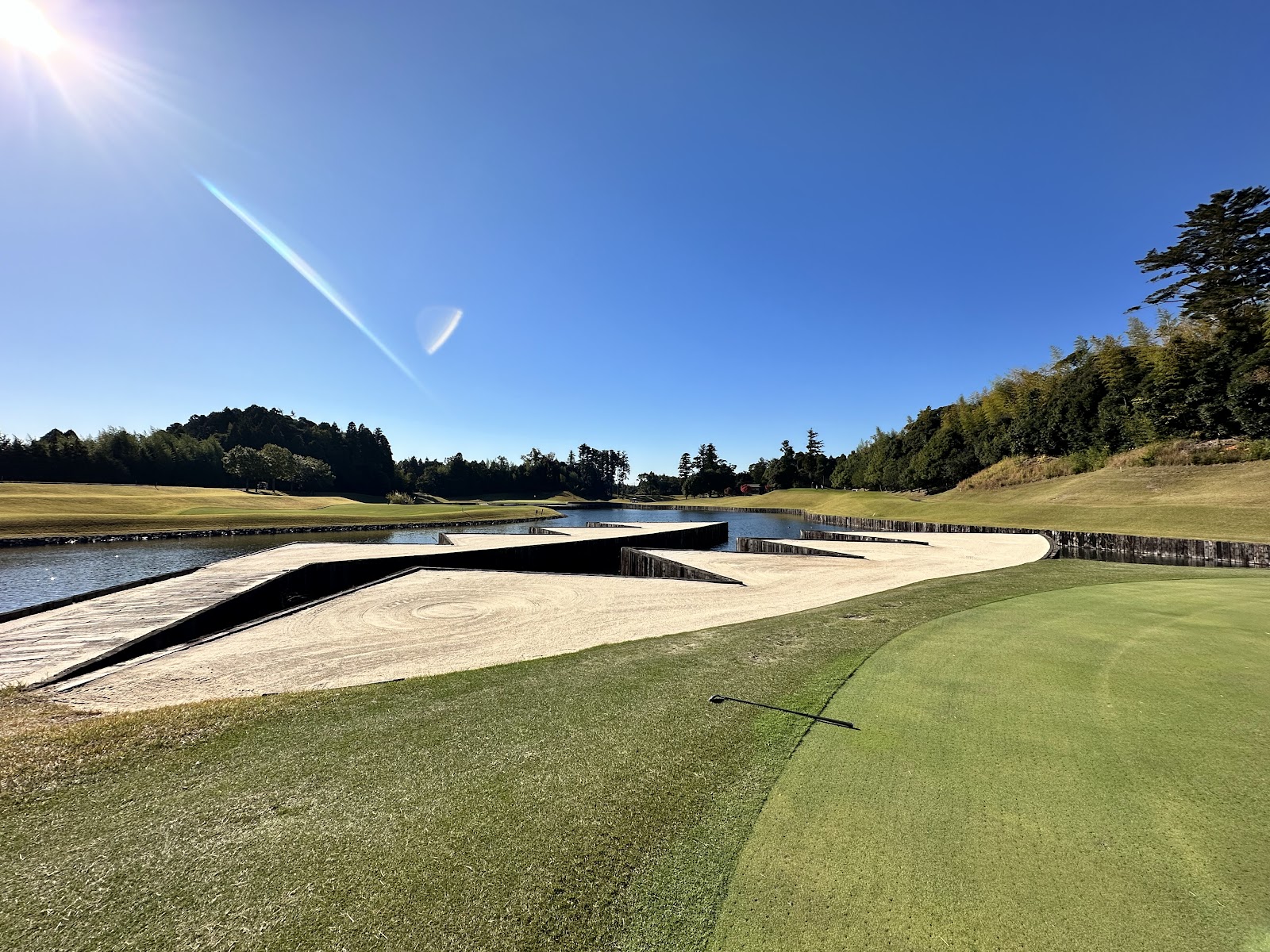
Shibayama Golf Club
Shibayama Golf Club sits in Sanmu District, Chiba, roughly 7 kilometers from the Matsuo-Yokoshiba Interchange. The 18-hole, par-72 layout plays 6,438 yards from the back tees over hilly terrain, and was designed by American architect Desmond Muirhead. Players get around the course in 5-seat electromagnetic-guided carts, and caddies are available on an optional basis for those who want local course knowledge on the day. The clubhouse includes bath facilities for post-round use. The course sits within easy driving distance of the inland Boso Peninsula, making it a practical stop for golfers touring Chiba prefecture. With hilly ground and a Muirhead design, the routing rewards accurate approach play over raw length. Green fee pricing is not listed here; check directly with the club for current weekday and weekend rates before booking.
View Course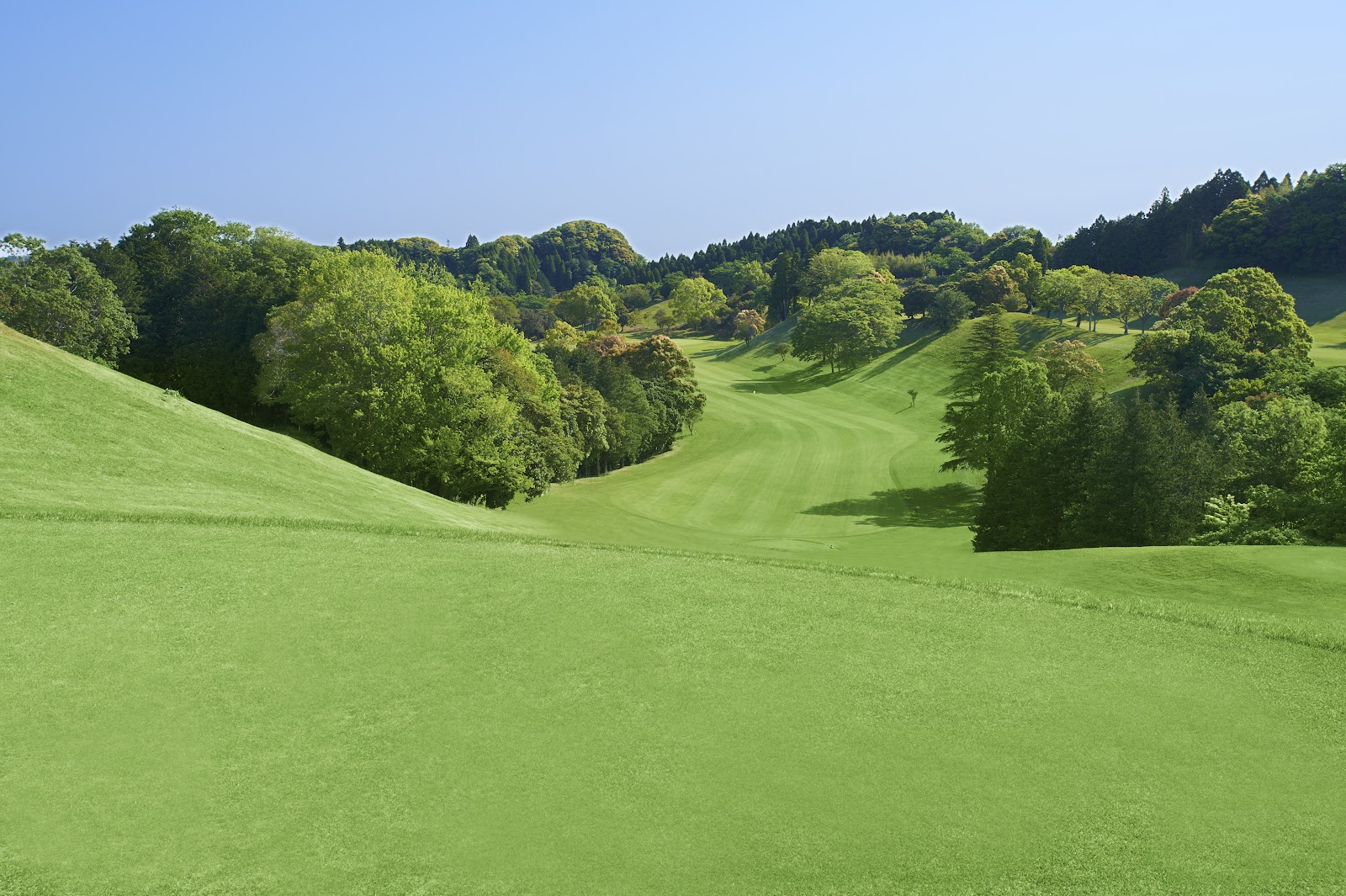
Kazusa Country Club
Kazusa Country Club is a 27-hole, par-108 hilly golf complex in Ichihara, Chiba, made up of three 9-hole courses that together total 10,196 yards. It was designed by architect Ichisuke Izumi and opened in 1977 at 975 Koshikiya, Ichihara-shi. The property sits roughly 6 kilometers from the Ichihara-Tsurumai Interchange on the Ken-O Expressway, giving golfers driving from Tokyo a direct route into the course. Carts are self-drive, 5-seat riding models permitted onto the fairways, and no caddy service is offered, so groups manage their own pace and navigation around the hilly terrain. A bath facility is available on-site after the round. With three combinable 9-hole loops, the club can host larger groups or rotate members through different 18-hole pairings, a layout structure common to Chiba's hilly-terrain courses built in the 1970s
View Course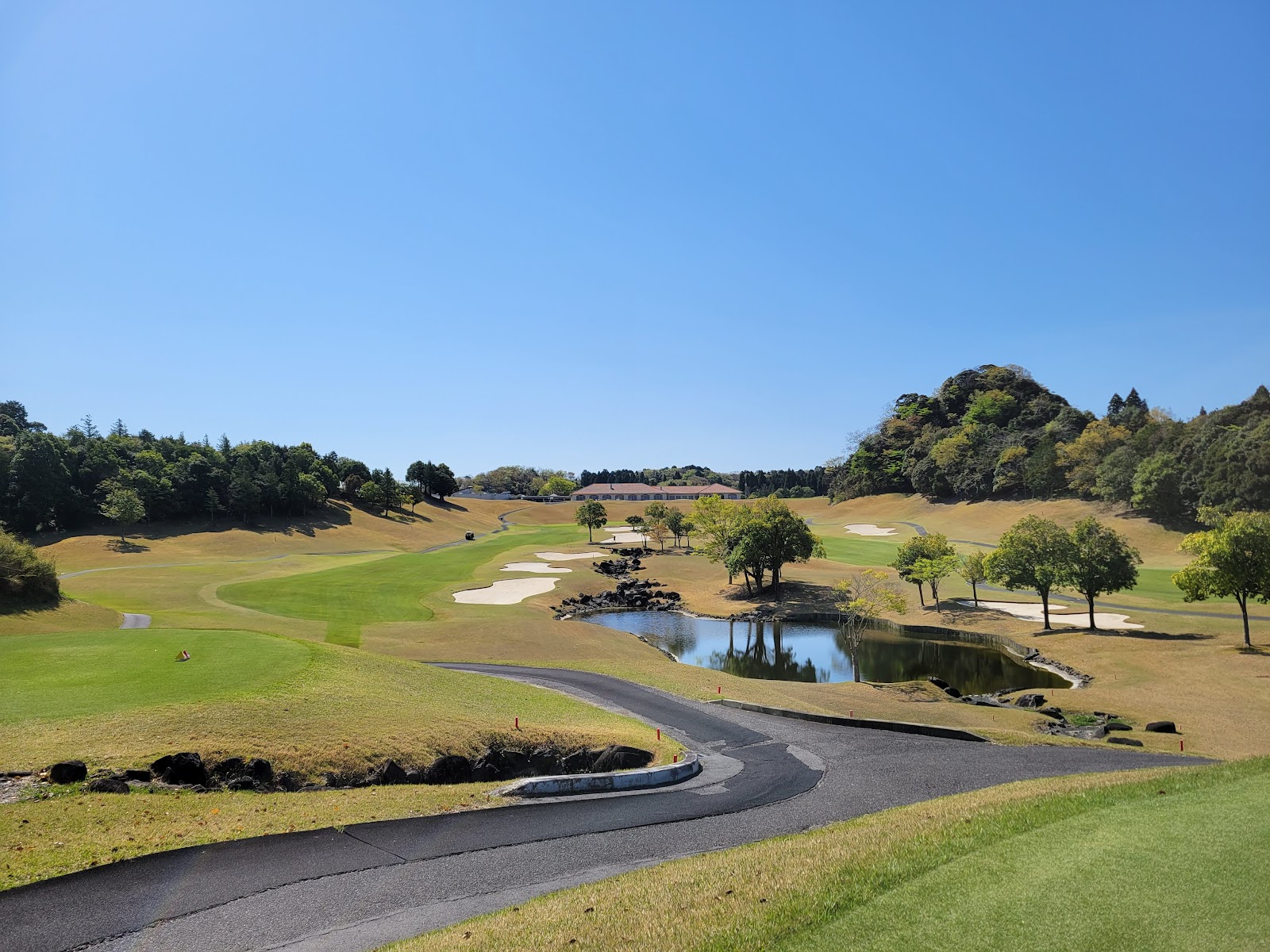
Morinaga Takataki Country Club
Morinaga Takataki Country Club is an 18-hole, par-72 course routed over hilly terrain in Ichihara, Chiba Prefecture. Designed by Taizo Kawada, the course measures 7,094 yards in total, with a back-tee yardage of 6,584 recorded in the club's specifications. The clubhouse includes a bath facility. By car, the course is about 6 kilometers, roughly a 7-minute drive, from the Ichihara-Tsurumai Interchange on the Ken-O Expressway. Golfers arriving by train can reach the club from JR Uchibo Line's Goi Station, about a 45-minute taxi ride; on Saturdays, Sundays, and holidays, a fully reservation-based club bus also runs from the station. The course's location in Ichihara places it among the hilly courses of inland Chiba, an area known for elevation change distinct from the prefecture's flatter coastal layouts.
View Course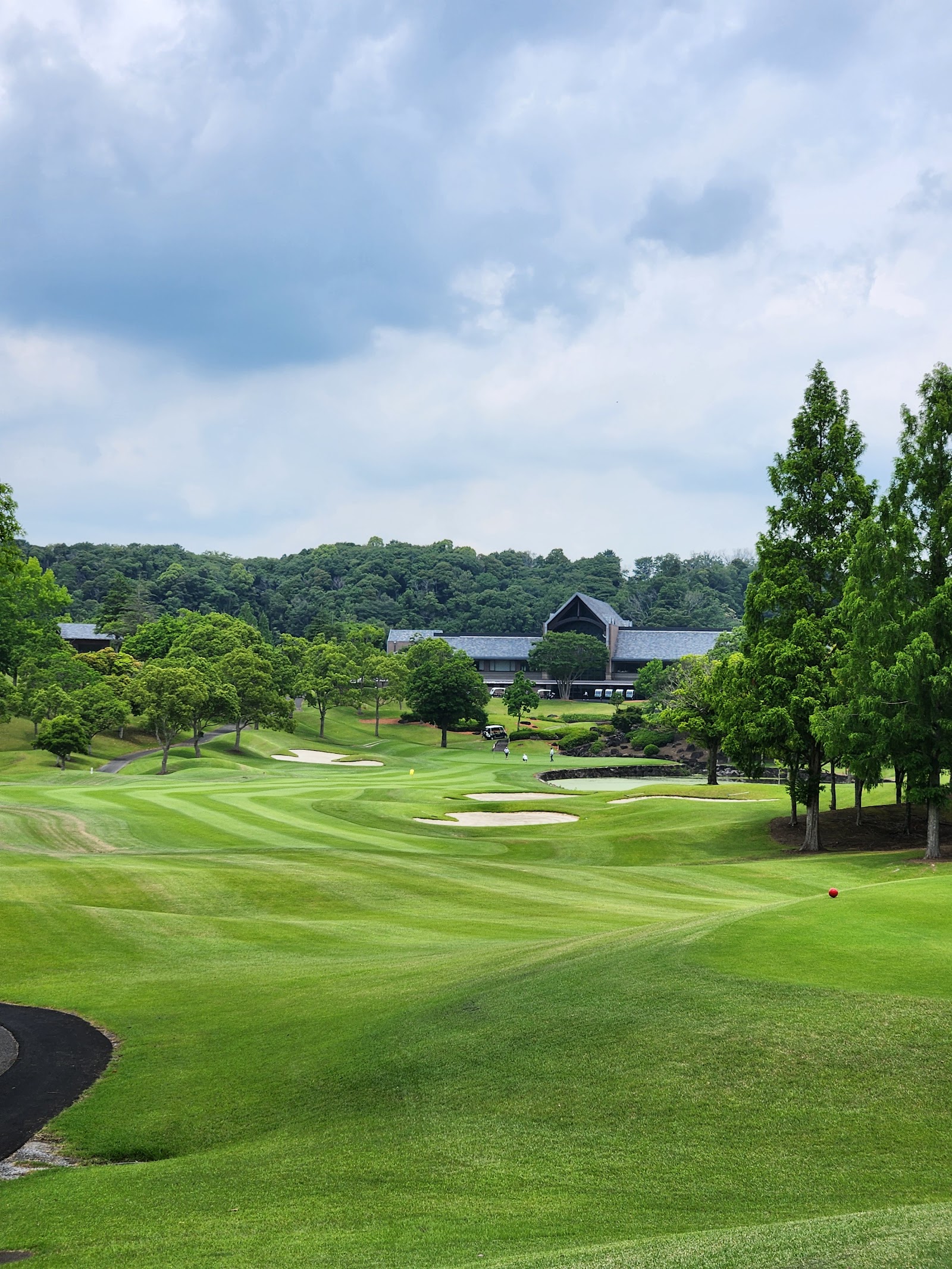
Fuji OGM Golf Club Ichihara Course
Fuji OGM Golf Club Ichihara Course is an 18-hole, par-72 layout set on hilly terrain in Ichihara, Chiba Prefecture. The course plays to a total yardage of 6,837 yards and was designed by Robert Trent Jones Jr., opening in 1992. Its address is Koshikiyagongendai 1685, Ichihara, Chiba, placing it within the Boso Peninsula's inland hill country, roughly 6 kilometers from Ichihara-Tsurumai Interchange on the Ken-O Expressway, a practical stop for golfers driving from central Chiba or the greater Tokyo area. As a Robert Trent Jones Jr. design, the routing follows the terrain-driven style typical of hilly Chiba layouts, with holes shaped around the natural contours of the land rather than flat parkland fairways. Detailed pricing, caddie, and cart information are not published for this course, so golfers should confirm current green fees and service options directly with the club before booking a round.
View Course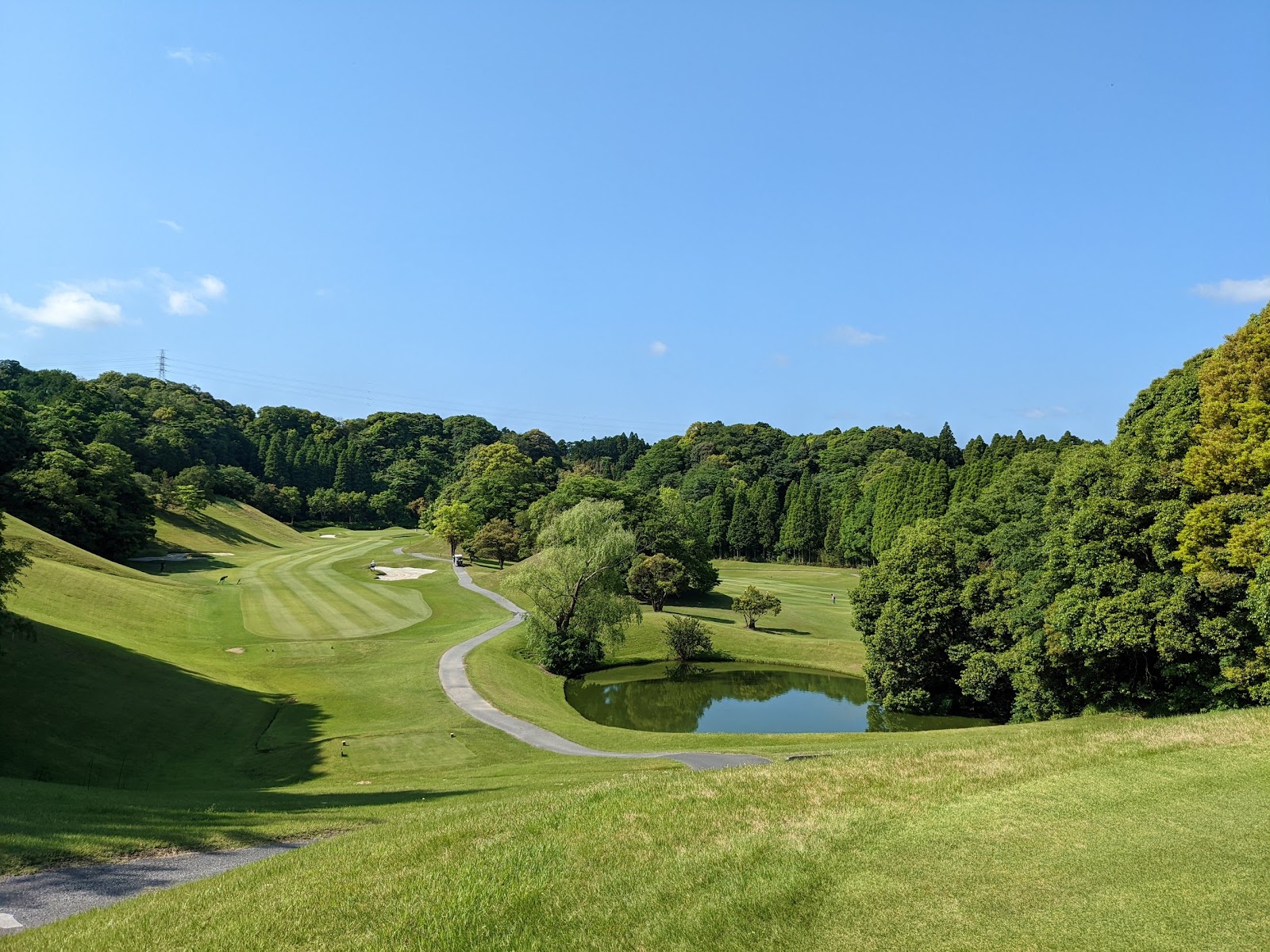
Kamo Golf Club
Kamo Golf Club is an 18-hole, par-72 course on hilly terrain in Ichihara, Chiba Prefecture, playing to a total yardage of 6,746 yards. The course was designed by Seizo Tomizawa and opened in 1978. Green fees start at 9,150 yen on weekdays and 17,300 yen on weekends and holidays. The club operates without caddies, and golfers drive self-operated carts that are restricted to cart paths only, with no access onto the fairways. A bath facility is available on site after the round. Access is by taxi from Mobara Station on the JR Sotobo Line, a ride of about 30 minutes, or by car via the Ken-O Expressway, exiting at Ichihara-Tsurumai Interchange and driving roughly 10 kilometers, about 15 minutes. The address is Tsukide 8-1, Ichihara, Chiba. The combination of hilly routing, cart-path-only carts, and no-caddie play makes Kamo Golf Club a self-service round suited to golfers comfortable navigating Japanese hill-country courses independently.
View Course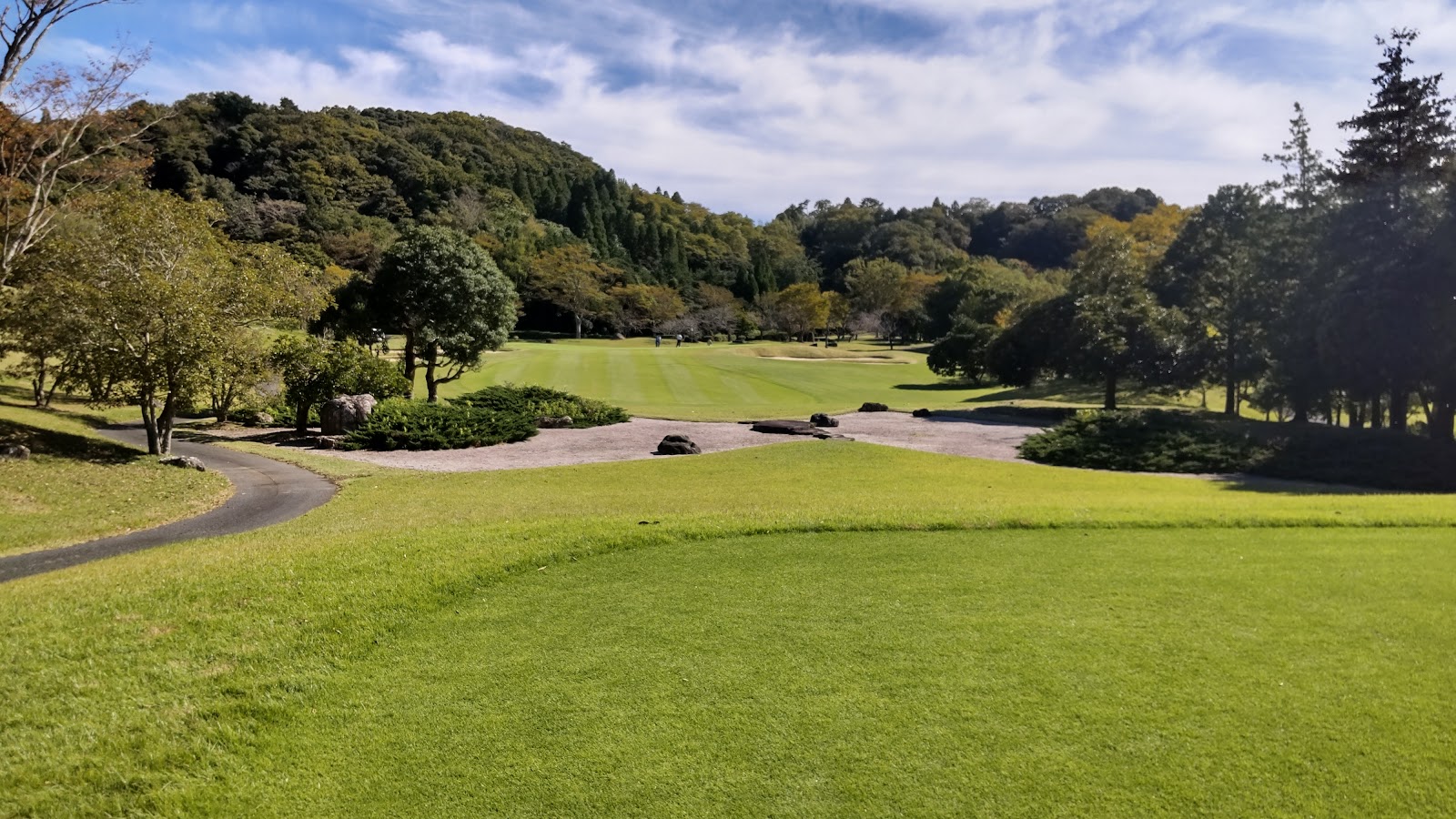
Holin Country Club
Holin Country Club is an 18-hole, par-72 course in Ichihara, Chiba Prefecture, playing to a total yardage of 7,040 yards, one of the longer layouts in the area. The course was designed by Kotaro Iwaki of Dai Nihon Doboku, with course supervision by professional golfer Hideyo Sugimoto, and opened in 1989. Green fees start at 21,980 yen on weekdays and 29,900 yen on weekends and holidays. Golfers use riding carts throughout the round, and a bath facility is available on site afterward. The club is reachable by taxi, about 15 minutes, from Kazusa-Ushiku Station on the Kominato Railway, or by car via the Ken-O Expressway, exiting at Ichihara-Tsurumai Interchange and driving about 7 kilometers, roughly 10 minutes. The address is Ogusabatake 244, Ichihara, Chiba. At 7,040 yards, Holin Country Club offers one of the longer par-72 tests in the Ichihara area, backed by riding-cart service and on-course bath facilities.
View Course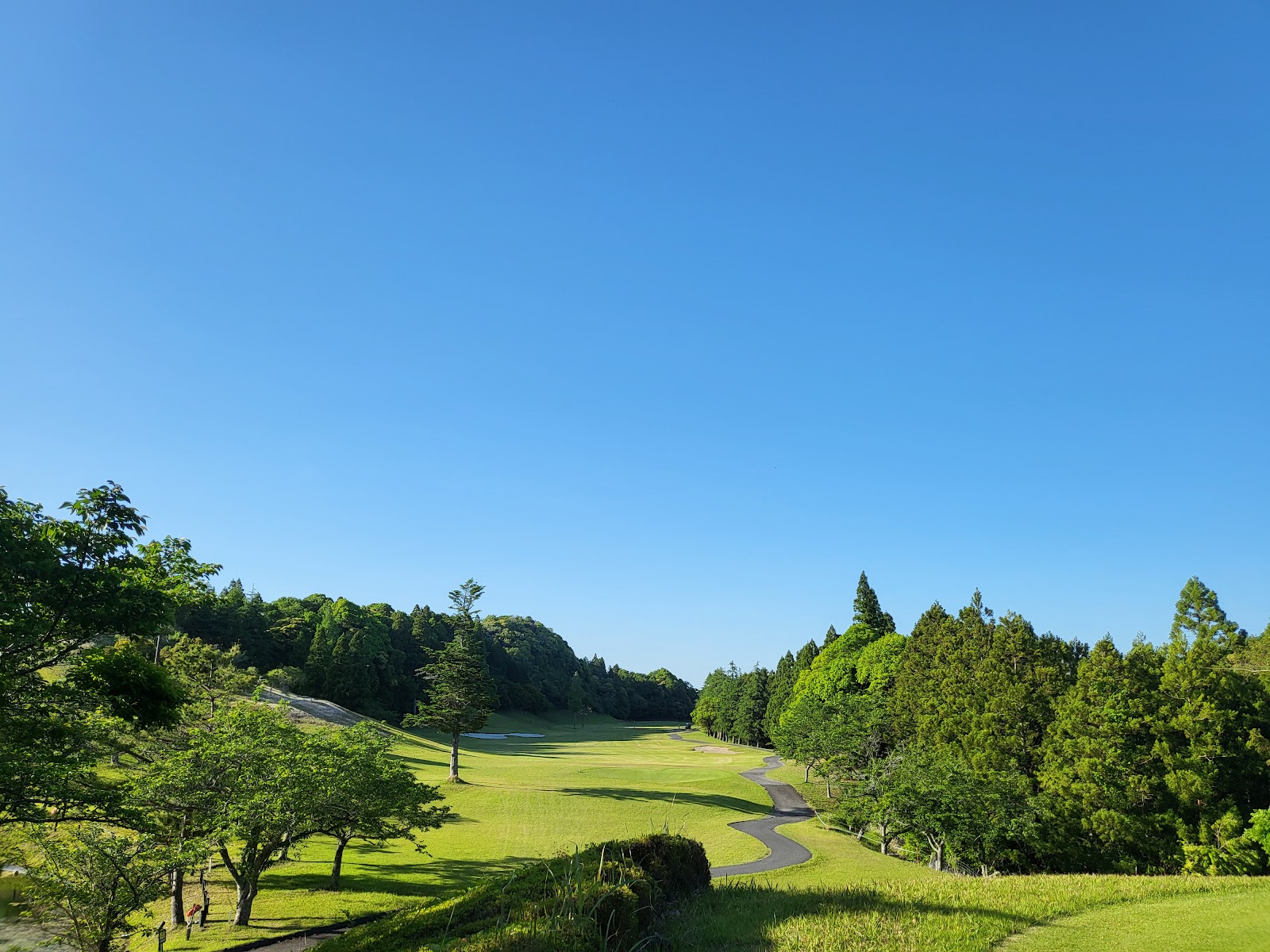
Moonlake Golf Club Tsuruma Course
Moonlake Golf Club Tsuruma Course is an 18-hole, par-72 course on hilly terrain in Ichihara, Chiba Prefecture. The course plays to a total yardage of 6,322 yards, with the back tees stretching to 7,152 yards for golfers seeking a longer test. The address is Ogusabatake 577, Ichihara, Chiba, and the course sits close to the Ken-O Expressway, roughly 6 kilometers, about an 8-minute drive, from the Ichihara-Tsurumai Interchange. This puts it within the same Ichihara hill-country golf cluster as several other Chiba clubs, convenient for golfers traveling by car from the Tokyo area. No architect or opening year is listed for the course, and detailed pricing, caddie, and cart information are not published, so golfers should contact the club directly to confirm current green fees and playing conditions before booking a round.
View Course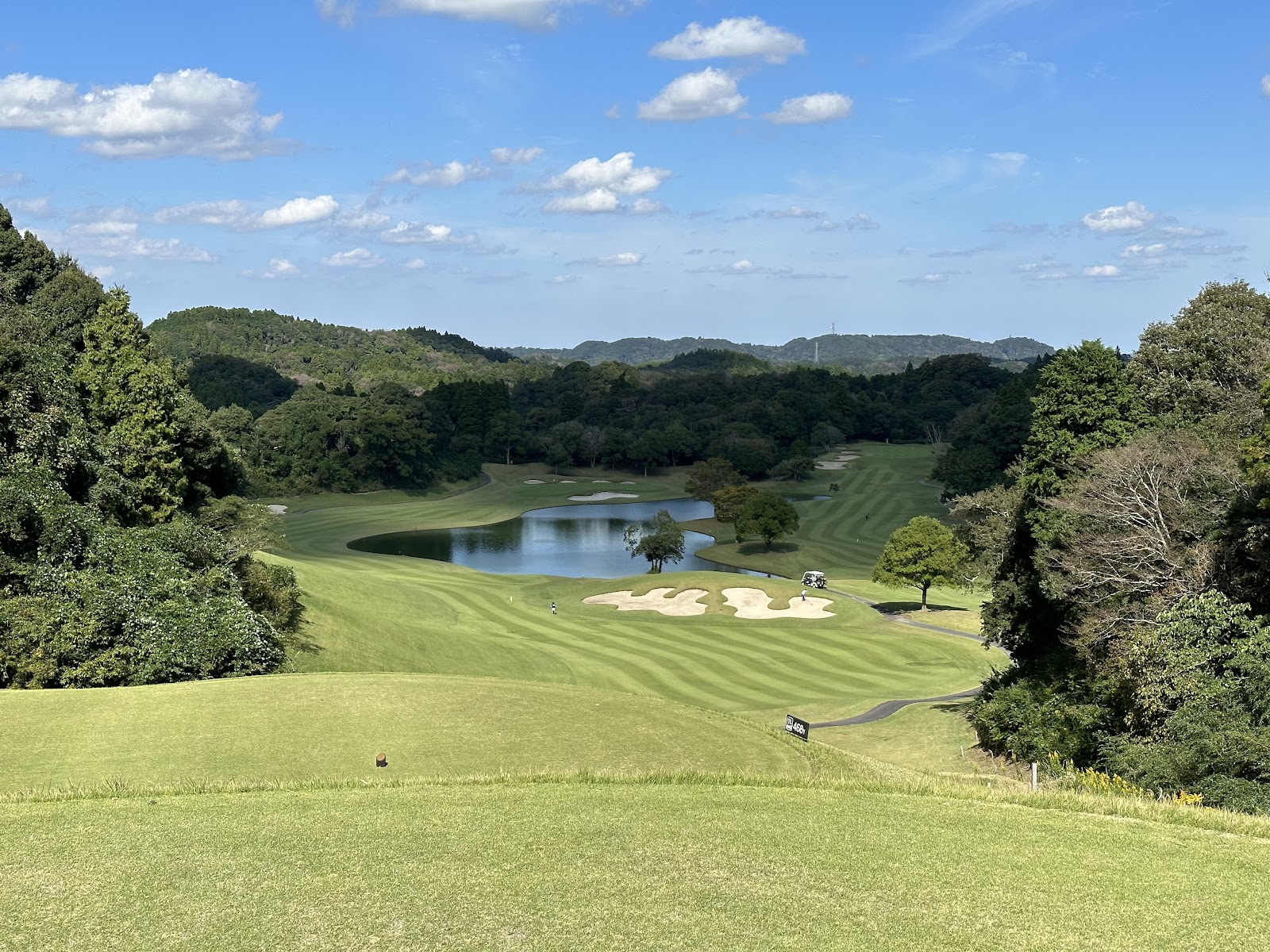
Yonehara Golf Club
Yonehara Golf Club is an 18-hole, par-72 course in Ichihara, Chiba, opened in 1989 and designed by architect Mitsuaki Kobayashi. The course plays 6,140 yards from the regular tees, stretching to 6,811 yards from the back tees. Caddy service is optional, giving golfers the choice of a caddied round or a self-navigated pace. A bath facility is available on site for post-round relaxation. Access is straightforward for visitors: the course sits about 8 minutes from Ichihara-Tsurumai IC on the Ken-O Expressway, making it a convenient stop for those driving from the greater Tokyo area. Golfers arriving by train can reach the club via JR Sotobo Line's Mobara Station, roughly 30 minutes away by taxi. The 1989 opening places Yonehara among Chiba's later-generation courses, built as the prefecture's golf development matured through the late 1980s.
View Course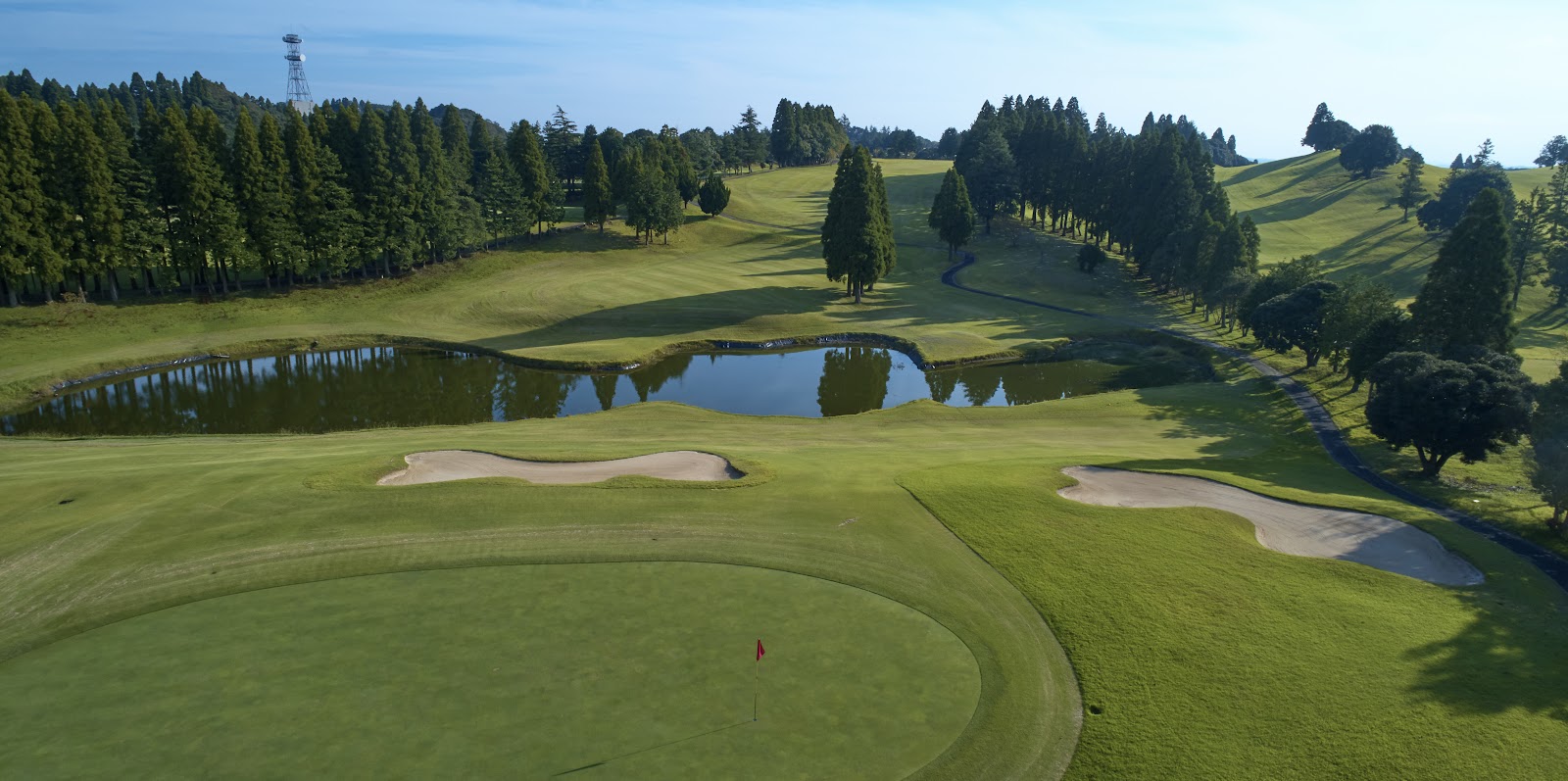
Dai-Chiba Country Club
Dai-Chiba Country Club is a 27-hole, par-108 facility in Ichihara, Chiba, opened in 1971. The complex is laid out over three nine-hole courses across hilly terrain, totaling 9,950 yards. Play is self-service: there is no caddy option, and golfers use riding carts equipped with GPS navigation to move around the course. The club sits close to the Ken-O Expressway, about 2 minutes from Ichihara-Tsurumai IC, making it one of the more accessible hilly courses for drivers heading out of Tokyo. Rail travelers can reach the area via JR Sotobo Line's Mobara Station or JR Uchibo Line's Goi Station. With three nine-hole loops, the club can offer several 18-hole combinations, giving repeat visitors variety across rounds. The 1971 opening places it among the established courses built during Chiba's early wave of golf development in the postwar decades.
View Course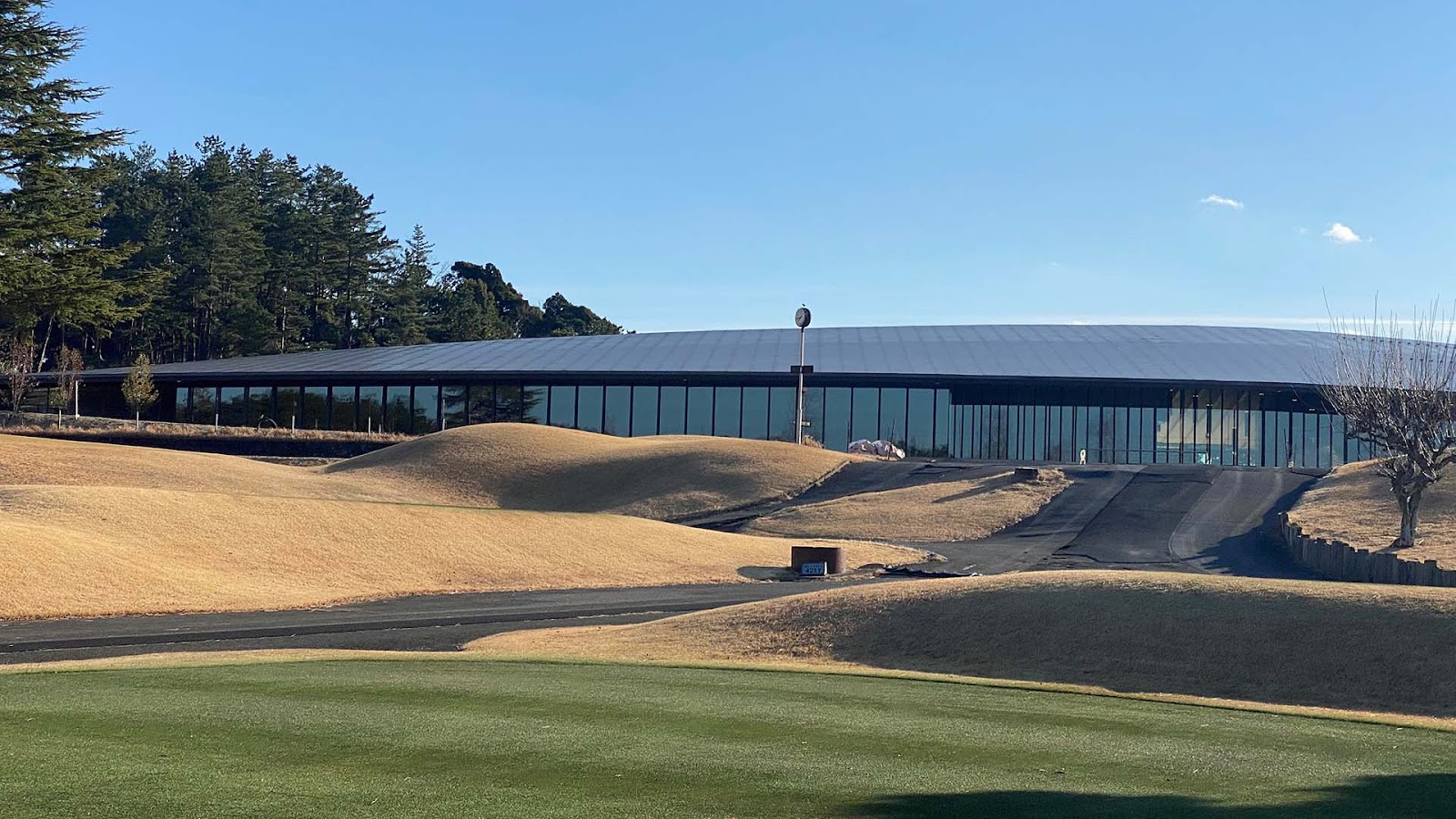
Ichihara Golf Club Ichihara Course
Ichihara Golf Club Ichihara Course is a golf course in Chiba, Japan with 18 holes, par 72. The course type is recorded as woodland, and the course page keeps that classification separate from unverified design or history notes. The recorded address is 855 Hōme, Ichihara, Chiba 290-0224, Japan. Map coordinates are 35.41428, 140.15381, which helps visitors check driving routes, nearby hotels, and regional travel plans before asking for tee-time support. For golf planning, the confirmed course specifications on this page are limited to 18 holes and par 72. The gallery uses 6 course photos from the imported media set, giving visitors a visual check before they contact Elite Golf Japan. Elite Golf Japan can review availability for this course and explain what can be arranged for overseas golfers, including tee-time requests, rental club needs, caddie requests, and English communication with the course. Green fees, visitor rules, dress code, transportation timing, and seasonal operations can change, so those details should be confirmed before booking rather than inferred from the directory listing.
View Course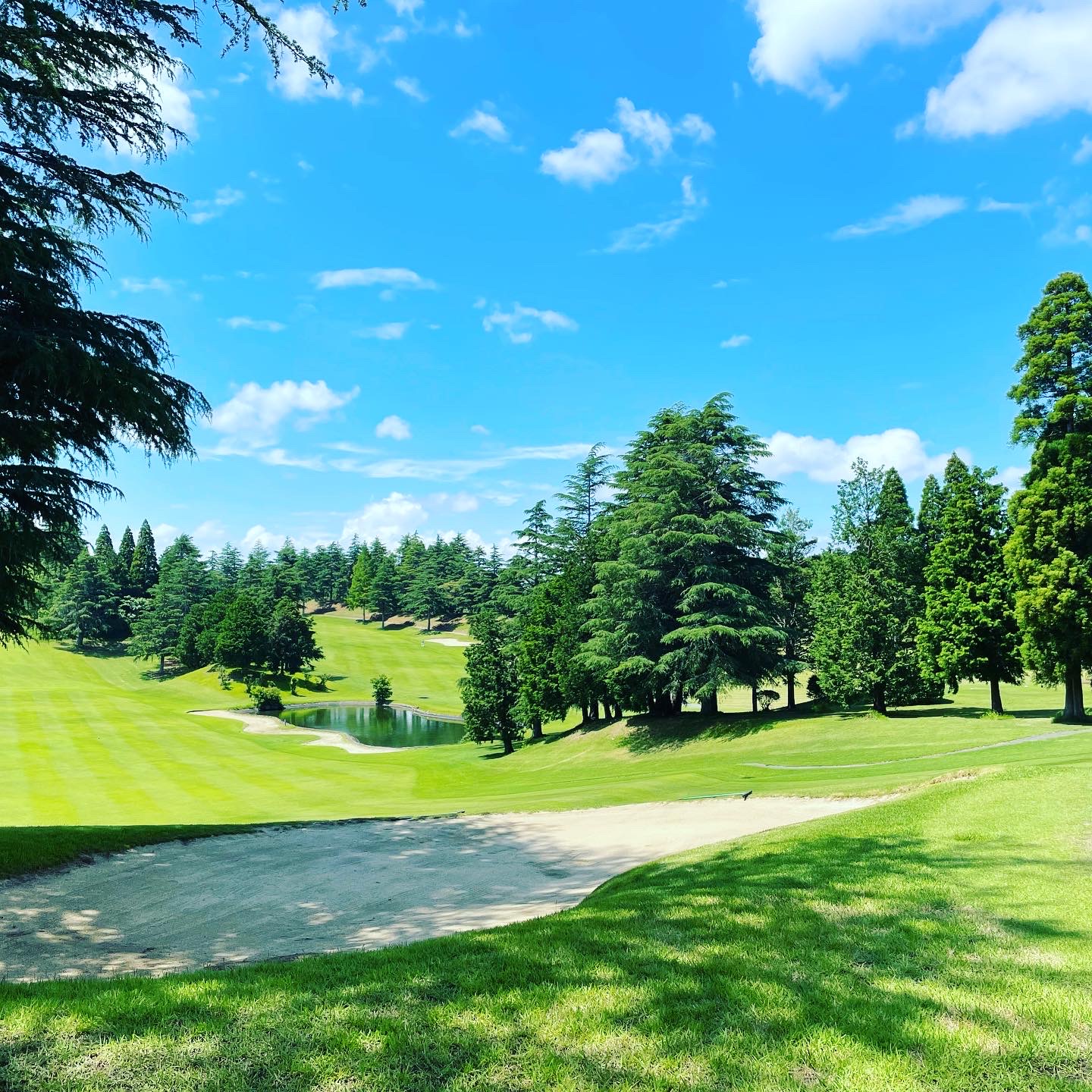
Chiba Shin-Nippon Golf Club
Chiba Shin-Nippon Golf Club is a 36-hole hilly course in Ichihara, Chiba, made up of two 18-hole layouts for a combined par of 144. The two courses play to a total of 12,880 yards from the regular tees and 13,664 yards from the back tees, giving groups a choice of routing across hilly terrain. The club sits at 850 Aramaki, Ichihara City, in the Chiba golf belt reachable from both central Tokyo and the Boso Peninsula. Access is by car via the Ken-O Expressway's Ichihara-Tsurumai interchange, or by taxi from JR Uchibo Line's Goi Station, roughly 25 minutes away. The club has bathing facilities on site for players finishing either round. With two full 18-hole courses under one roof, Chiba Shin-Nippon suits groups wanting a full day of golf or a choice of routing without leaving the property.
View Course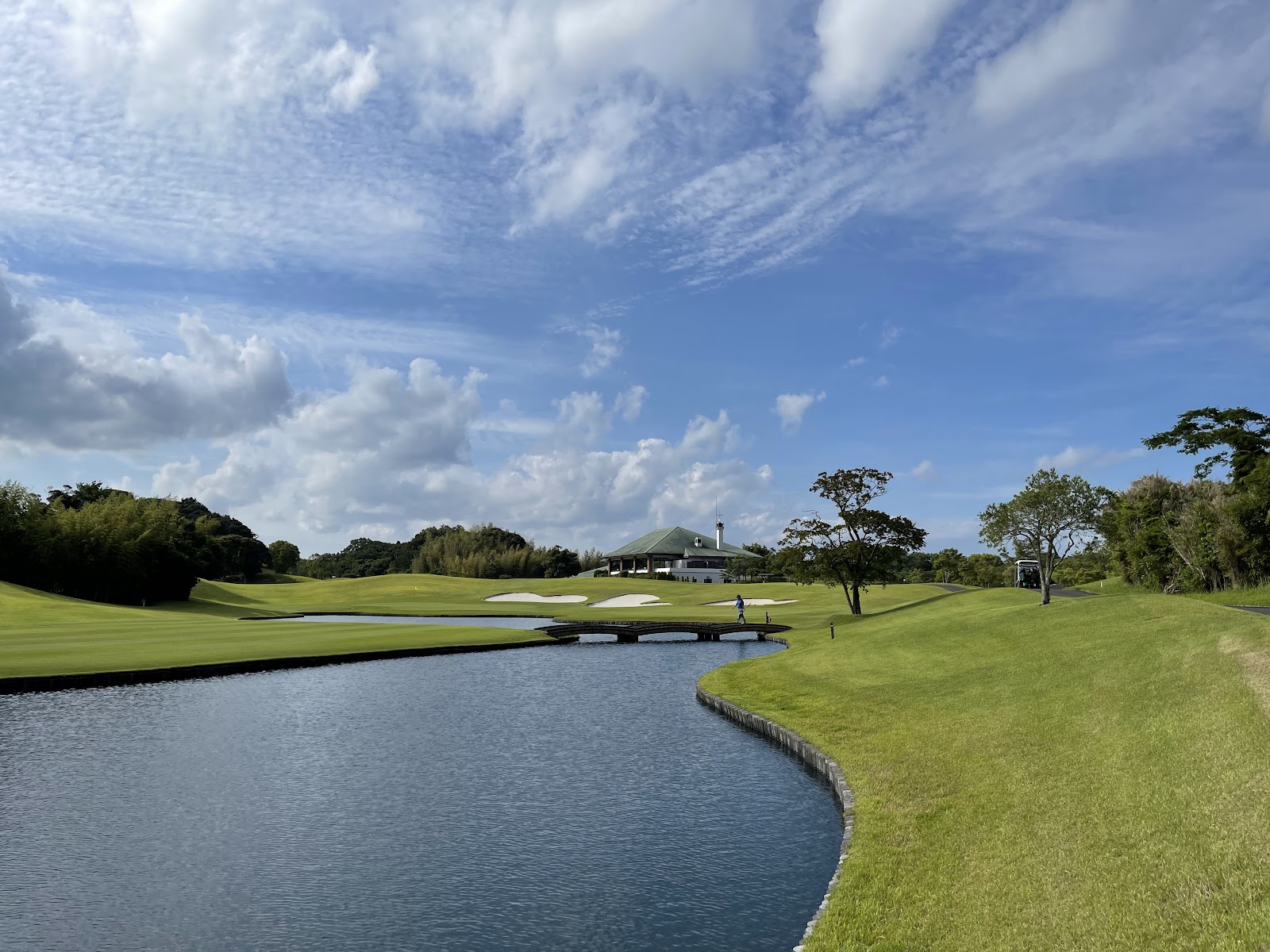
Pacific Club Ichihara Course
Pacific Club Ichihara Course is an 18-hole, par-72 hilly course in Ichihara, Chiba, designed by Shunsuke Kato and opened in 1984. The layout measures 6,842 yards from the regular tees and 6,528 yards from the back tees. The club is located at 151 Okuno, Ichihara City, reachable by car from the Ken-O Expressway's Mobara-Chonan interchange, or by taxi from either JR Sotobo Line's Mobara Station (about 25 minutes) or JR Uchibo Line's Goi Station (about 30 minutes). Green fees start from 7,850 yen on weekdays and 26,000 yen on weekends. As a single 18-hole course set on hilly terrain, it suits players looking for a straightforward round without the logistics of a multi-course facility.
View Course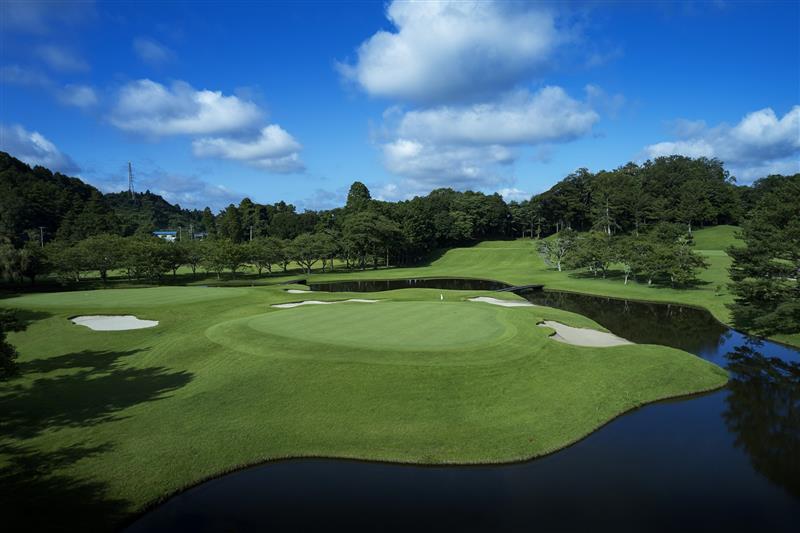
Tsuruma Country Club
Tsuruma Country Club is a 36-hole woodland course in Ichihara, Chiba, made up of two 18-hole layouts designed by Seiichi Inoue and opened in 1971. The course plays to 6,940 yards from the back tees. The club is located at 1293-2 Tao, Ichihara City, and is reached by car via the Ken-O Expressway / Metropolitan Inter-City Expressway's Ichihara-Tsurumai interchange. Caddies are available on an optional basis, and players get around in 5-seat electromagnetically guided carts. The club has on-site bathing facilities for use after the round. Designed by Seiichi Inoue, one of Japan's best-known golf course architects, and dating to 1971, Tsuruma Country Club offers two full-length 18-hole routings through wooded terrain within easy reach of the Ken-O Expressway.
View Course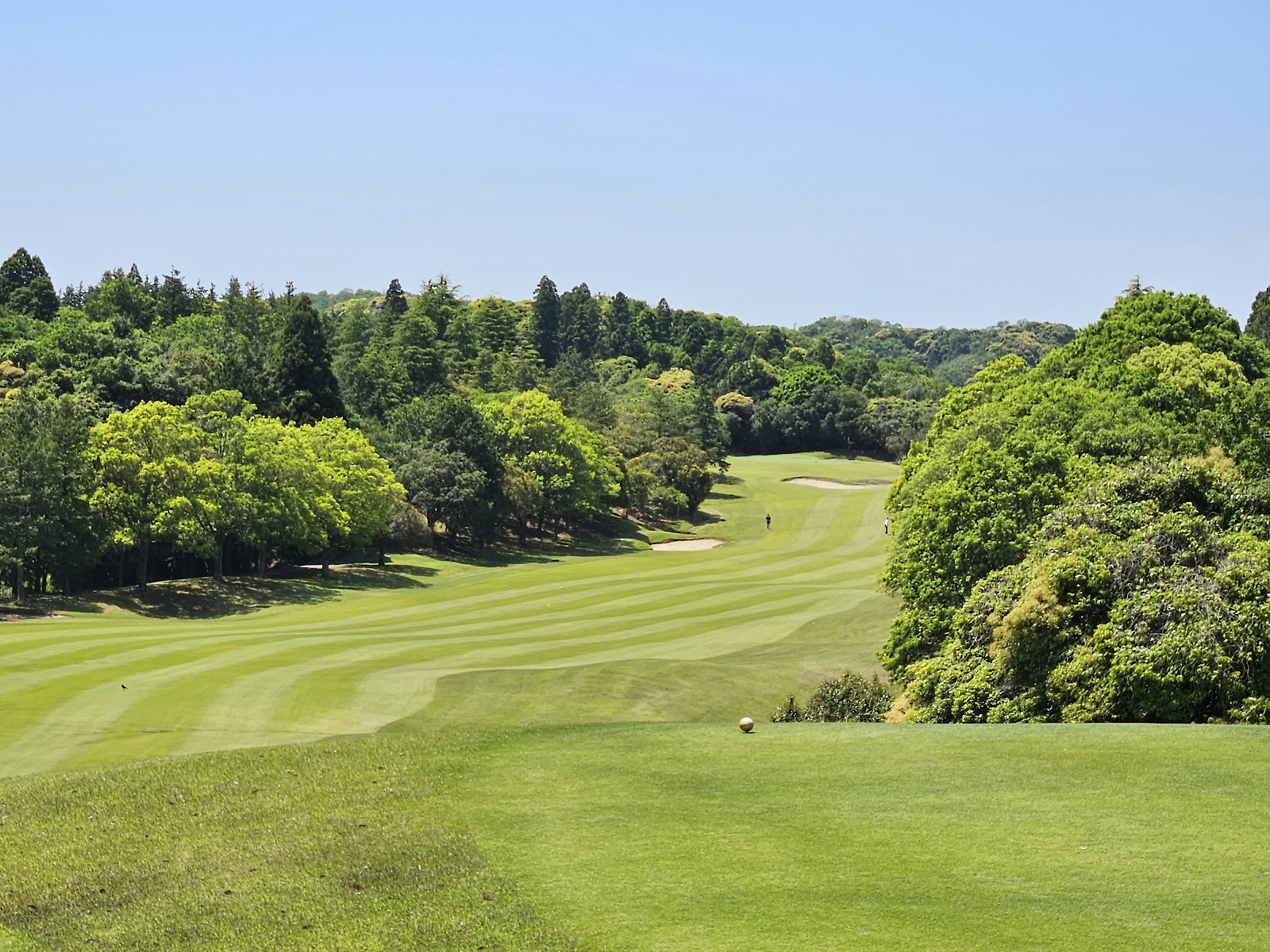
Chonan Country Club
Chonan Country Club is an 18-hole, par-72 course set in the hilly terrain of Chonan, in Chiba's Chosei District. Designed by Yasuda Kokichi, the course opened in 1978 and plays 6,806 yards from the back tees. The layout follows the natural contours of the hills, a common approach among Chiba courses built in this era. Golfers coming from central Tokyo can reach the club by bus from JR Osaki Station, a one-way trip priced at 2,000 yen under the course's bus plan. Drivers can approach via the Tateyama Expressway, exiting at Ichihara IC roughly 20 kilometers from the clubhouse. Green fees start at 10,500 yen on weekdays and 10,850 yen on weekends, making it an accessible option for a day trip from the greater Tokyo area. With more than four decades of history, the course remains a straightforward test of hilly-course strategy rather than a resort-style destination.
View Course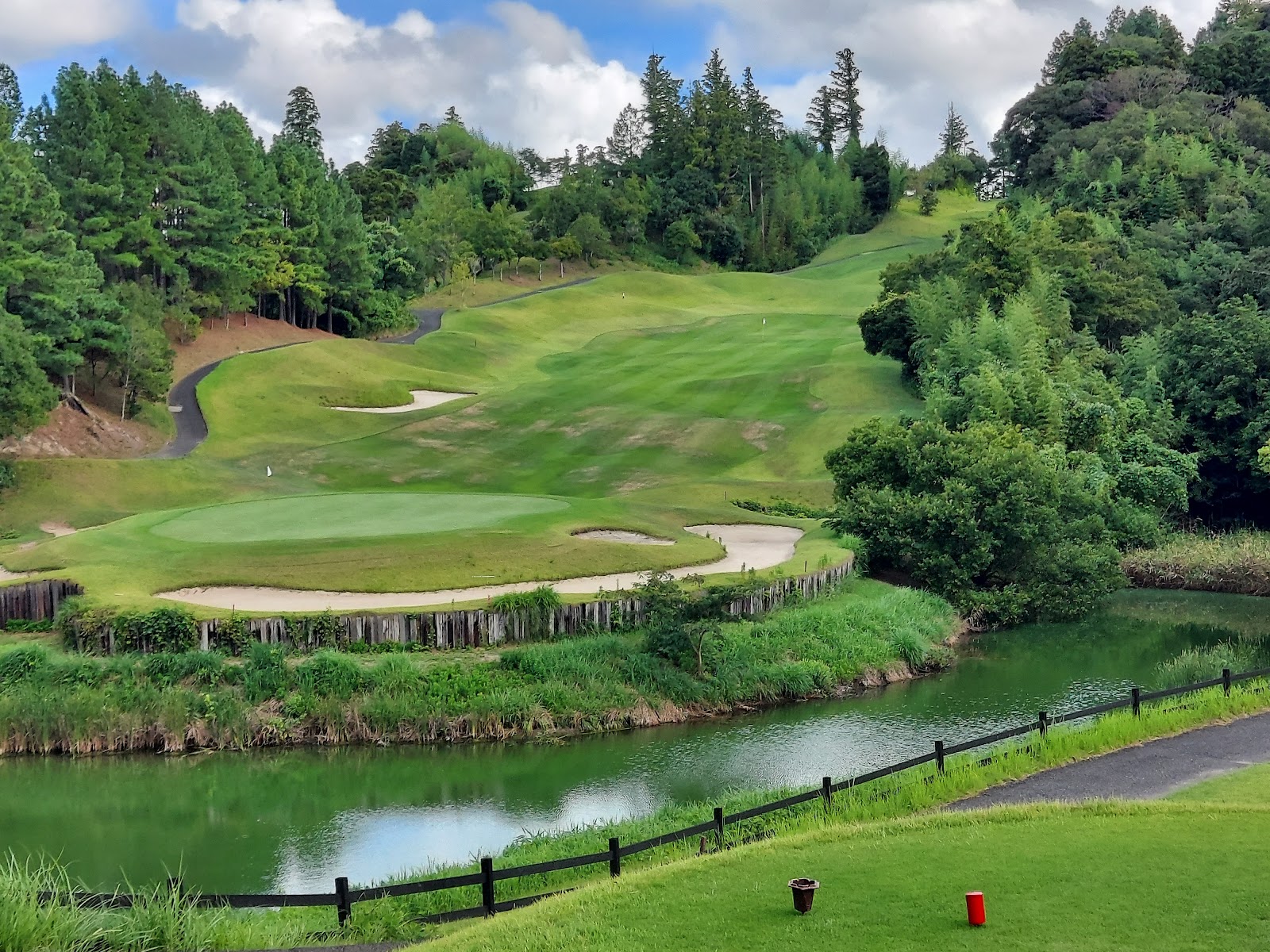
Brick & Wood Club
Brick & Wood Club is an 18-hole, par-72 course in Ichihara, Chiba, laid out by American architect Desmond Muirhead. The course measures 6,418 yards from the back tees, with a total yardage of 5,805 recorded for the layout overall. It operates as a caddy-free, self-play club, with manual-drive carts available to golfers holding a standard driver's license. The nearest station is Kazusa-Ushiku on the Kominato Railway, about a 10-minute taxi ride from the course, and drivers can reach the club via the Ken-O Expressway's Kisarazu-Higashi IC, roughly 11 kilometers away. Muirhead, known internationally for conceptual and sculptural course designs, brings a distinct design pedigree to this Ichihara layout, setting it apart from the area's more conventional hilly-terrain courses. The self-play, no-caddy format suits golfers who prefer to set their own pace around the course.
View Course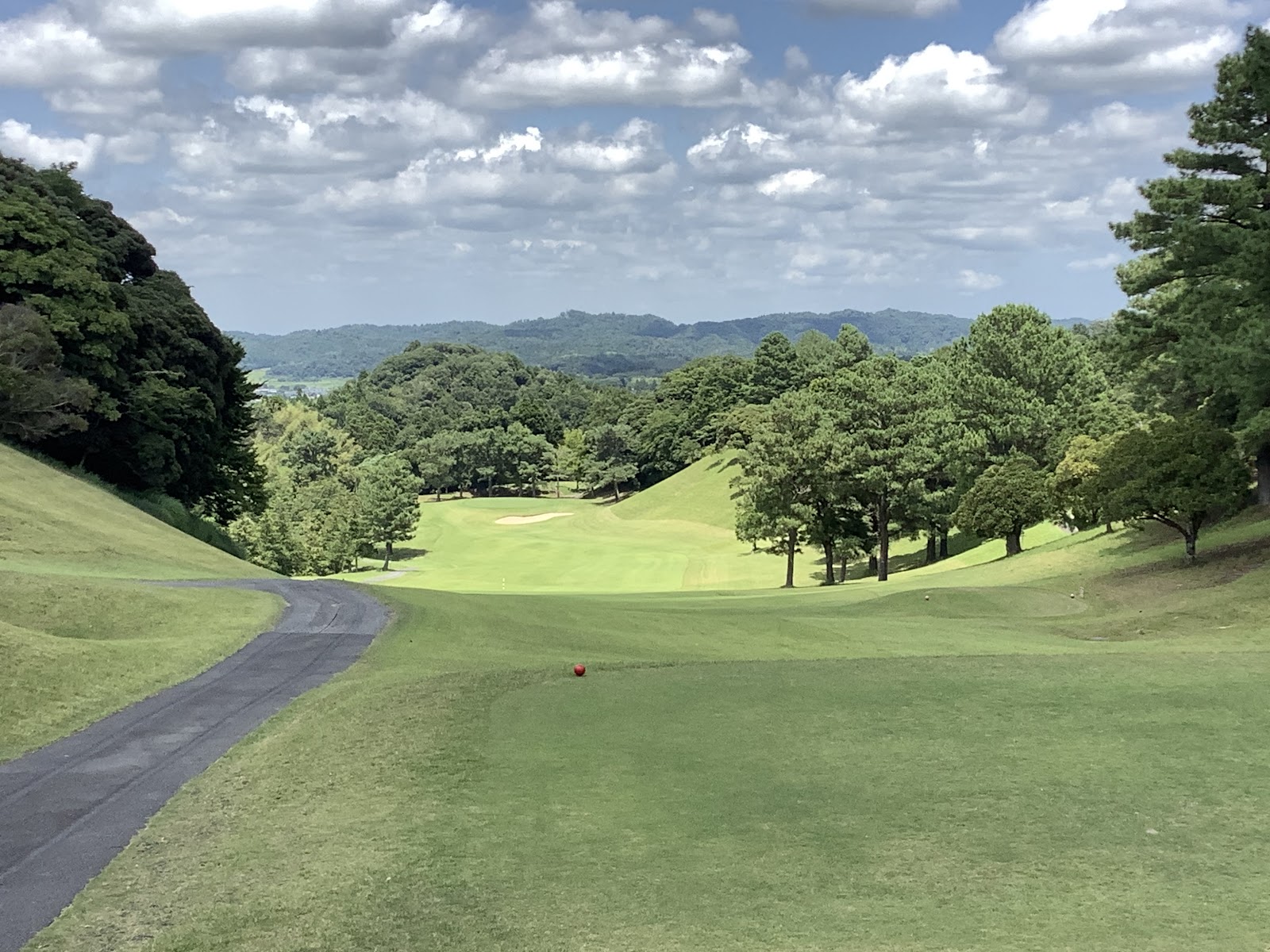
Chiba Yomiuri Country Club
Chiba Yomiuri Country Club is an 18-hole, par-72 hilly course in Ichihara, Chiba, designed by Abe Tsuneo and opened in 1978. The course plays 6,142 yards in total, with a back-tee yardage of 6,491. Access is via the Kominato Railway's Kazusa-Ushiku Station, from which the club runs a shuttle bus; a separate shuttle connection from Goi Station was discontinued in March 2025, so golfers relying on rail should plan around the Kazusa-Ushiku route. Drivers can reach the course from the Ken-O Expressway's Ichihara-Tsurumai IC. Opened the same year as several other Chiba hilly-terrain courses, Chiba Yomiuri Country Club reflects the region's late-1970s wave of course development, when hilly land east of Tokyo was widely developed for golf. The course remains a full 18-hole, par-72 layout for golfers visiting the Ichihara area.
View Course
Lotte Minkichi-dai Country Club
Lotte Minkichi-dai Country Club is an 18-hole hilly course in Ichihara, Chiba, designed by Tomizawa Hirochika and opened in 1989. Golfers can choose optional caddy service, and the course is played with riding carts throughout. Green fees start at 19,800 yen on weekdays and rise to 29,800 yen on weekends, reflecting a premium positioning within the Ichihara golf market. The club runs a reservation-only bus from the east exit of JR Goi Station on the Uchibo Line, giving train travelers a direct route to the course. Drivers can reach the club via the Ken-O Expressway's Kisarazu-Higashi IC, about 12 kilometers and a 17-minute drive from the course. As one of the newer clubs among Ichihara's hilly-terrain courses, opening in 1989, it offers a more service-oriented format, with optional caddies and riding carts standard for all rounds.
View Course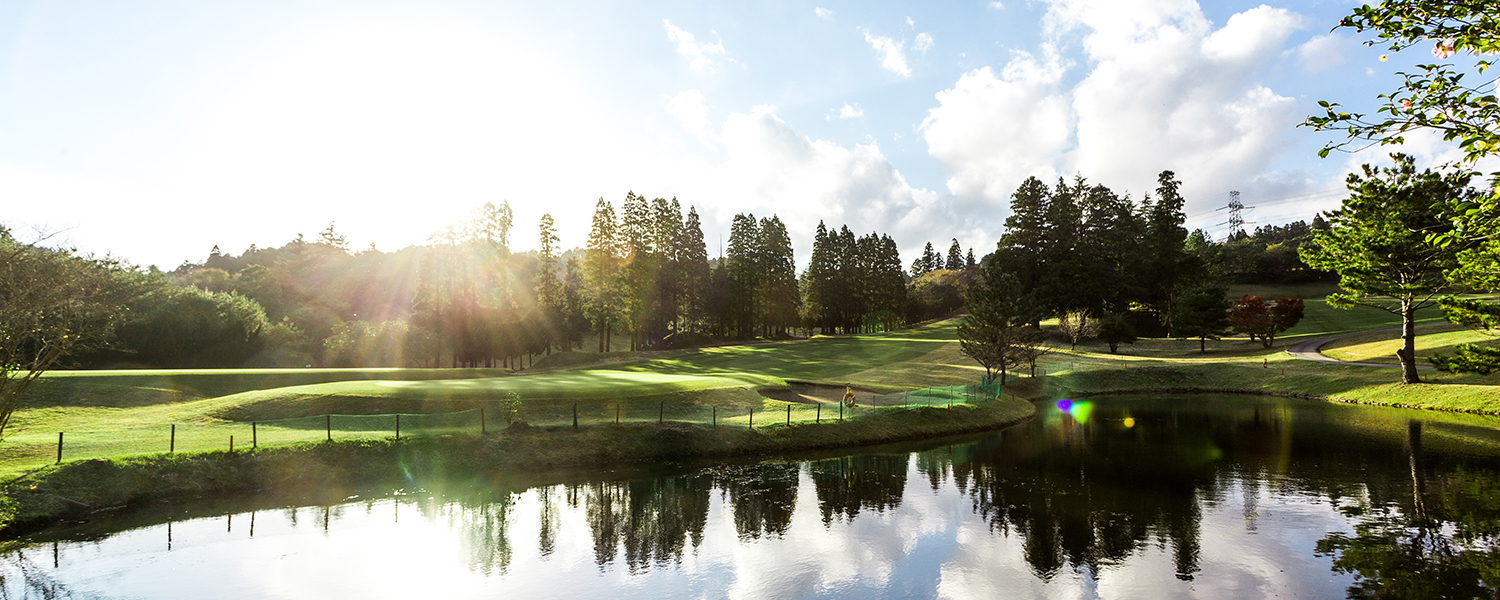
The National Country Club Chiba
The National Country Club Chiba is a 27-hole, par-108 hilly course in Ichihara, Chiba Prefecture, opened in 1965. The layout is arranged as three 9-hole courses with a combined yardage of 9,698 yards, designed by Hozuki Kajitani. The club sits near JR Uchibo Line's Goi Station, which runs a free shuttle bus to the course, and is roughly 50 minutes from central Tokyo via the Tokyo Bay Aqua-Line. Play here is self-play, with riding carts permitted directly onto the fairways for every group, which keeps pace of play steady across the hilly terrain. With three separate 9-hole loops available for combination, golfers can choose different routings for an 18-hole round. After the round, players can use the on-site bath facility to wash off before heading back toward Tokyo or elsewhere in Chiba.
View Course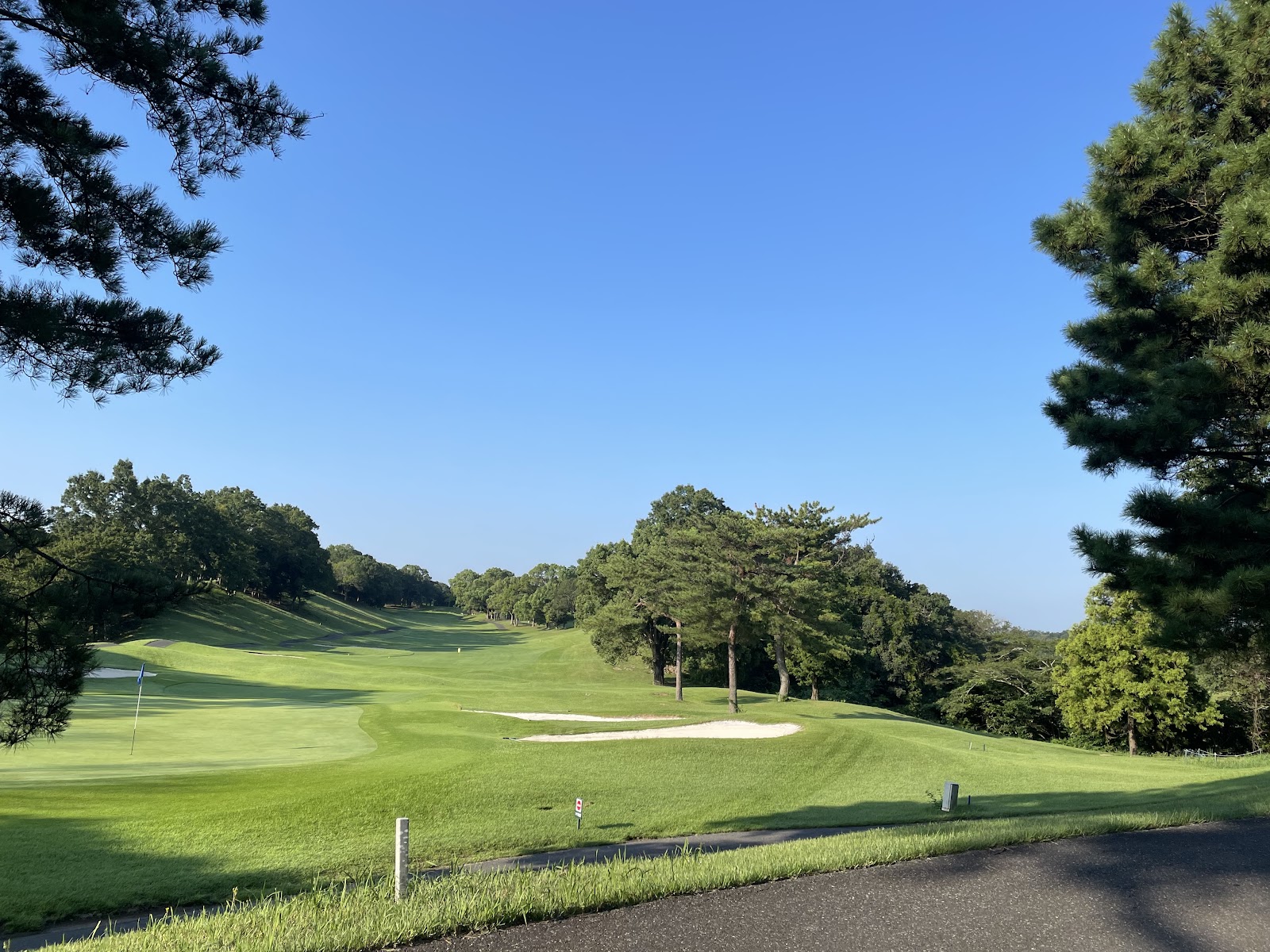
Nanto Country Club
Nanto Country Club is a 36-hole hilly golf facility in Ichihara, Chiba Prefecture, opened in 1977. It comprises two courses with a par of 72 and a total yardage of 13,655 yards, with a back-tee yardage of 13,308 yards, designed by Akira Hocchi. The club is close to JR Uchibo Line's Goi Station in Ichihara city. Green fees start from 12,450 yen on weekdays and 19,700 yen on weekends. Caddie service is optional here, so golfers can choose between a caddie-assisted round or a self-navigated one depending on preference and pace. After the round, an on-site bath facility is available to freshen up before the return trip. With 36 holes split across two distinct courses on hilly ground, the club can host a full day of golf, pairing either course for a single round or playing both across a longer visit.
View Course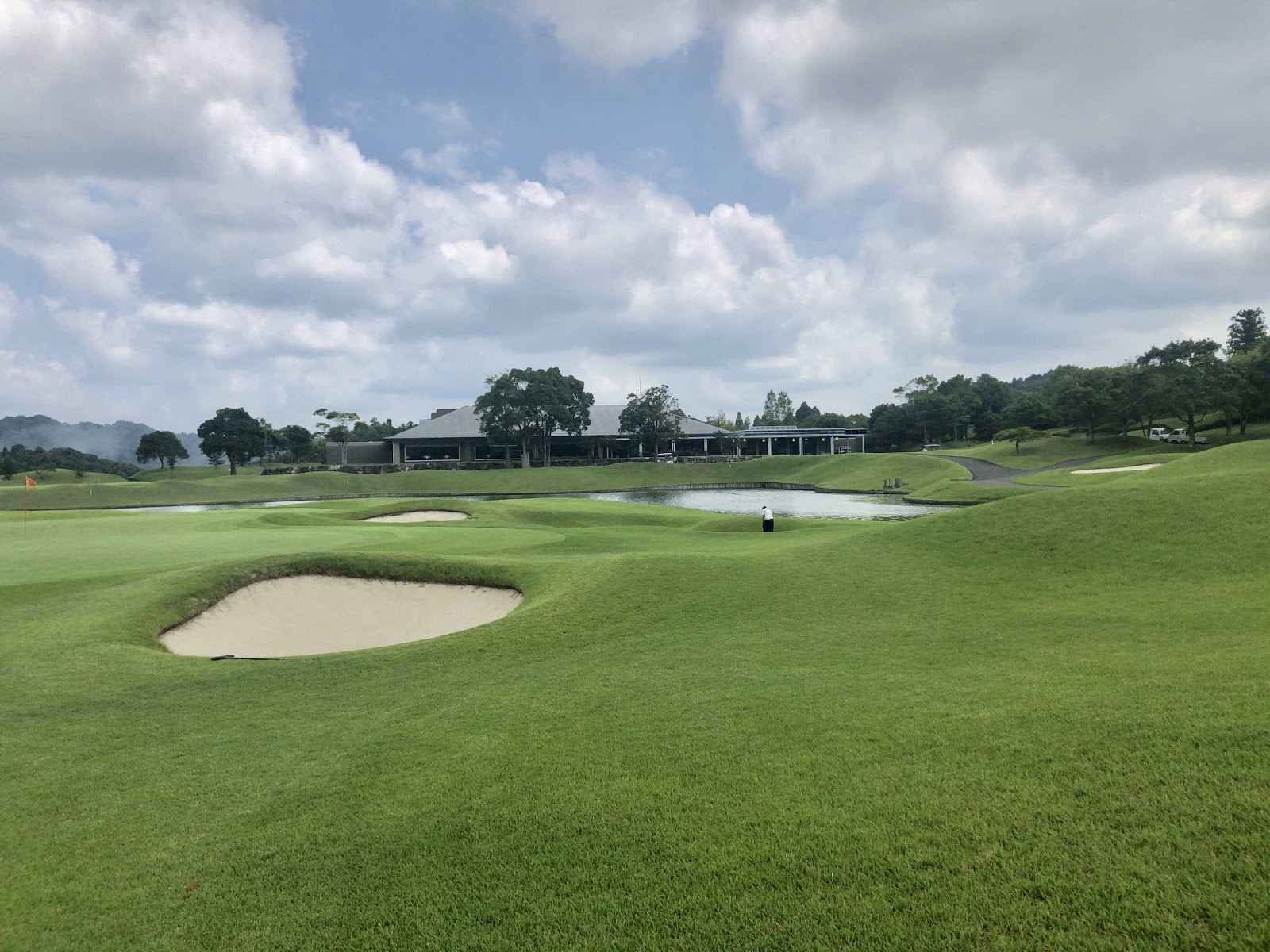
The Country Club Japan
The Country Club Japan is an 18-hole, par-72 hilly course in Kisarazu, Chiba Prefecture, with a total yardage of 7,247 yards. It was designed by Shunsuke Kato, with a subsequent remodel by Kyoichi Nagatari. The club can be reached from Tokyo Station via the limited express Sazanami train to JR Kisarazu Station, about 55 minutes, followed by a club bus of roughly 35 minutes. By car, it is around 10 minutes from Kisarazu-Higashi IC on the Ken-O Expressway, or about 20 minutes from Anesaki-Sodegaura IC on the Tateyama Expressway. A caddie is required for every round at this course, and golfers ride in electromagnetic-guided riding carts that follow a fixed track around the course. The combination of a single 18-hole layout, mandatory caddie service, and guided carts gives the round a more structured pace than at self-play facilities nearby.
View Course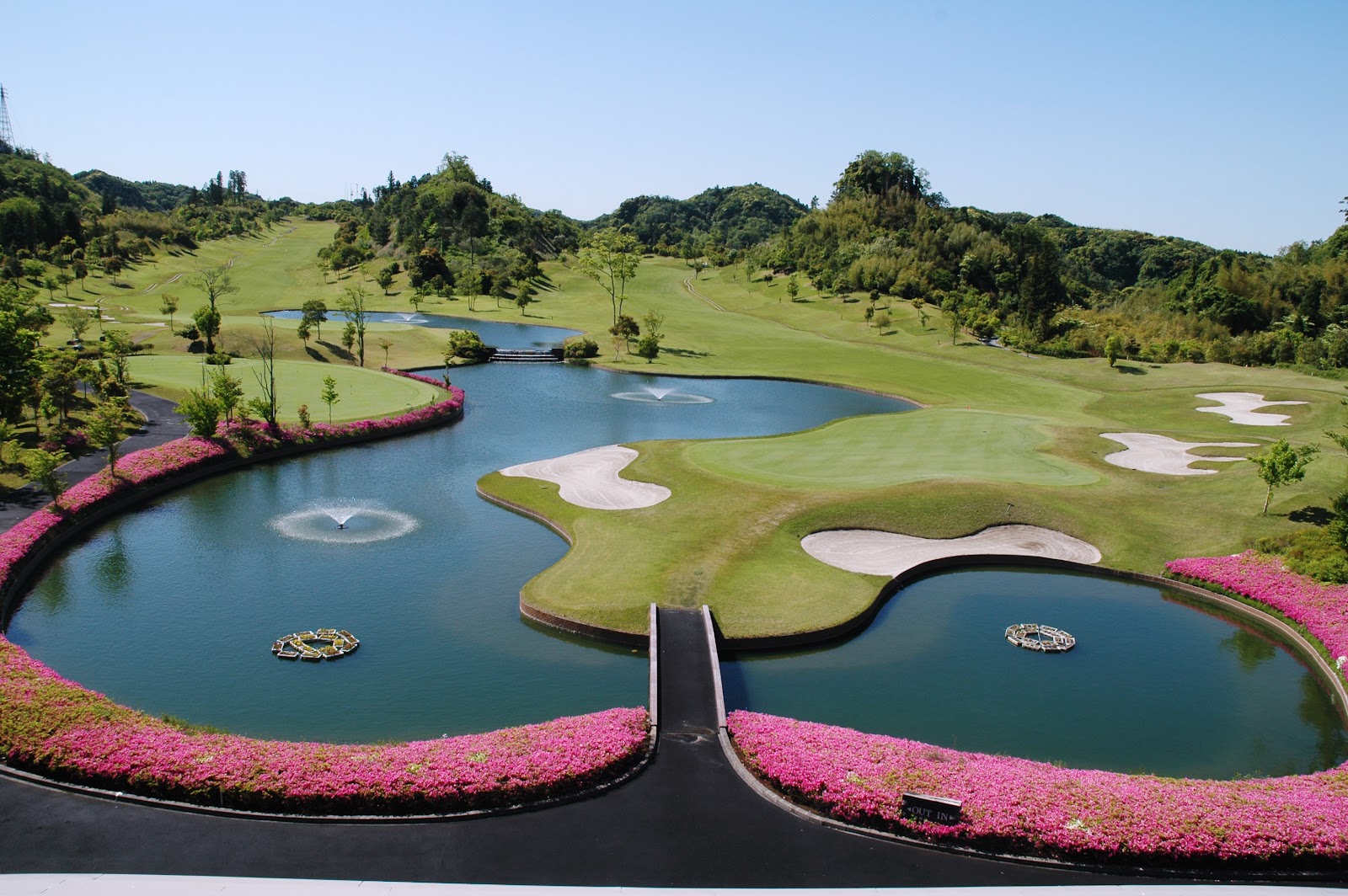
Minami-Ichihara Golf Club
Minami-Ichihara Golf Club is an 18-hole course set on hilly ground in Ichihara, Chiba Prefecture. The course was designed by Mitsuaki Kobayashi and opened in 1994. It operates without caddies, and the club provides on-site bathing facilities for golfers after their round. Minami-Ichihara is located about 45 minutes by car from Goi Station on the JR Uchibo Line, and is accessible from the Ken-O Expressway via the Ichihara-Tsurumai interchange. The 18 holes wind through the hilly landscape typical of inland Chiba, and the club's bath gives golfers a place to unwind once their round is finished. Set roughly an hour from central Tokyo by car, the course draws day-trip golfers from the greater Tokyo area. Par and total yardage are not listed in the club's published records.
View Course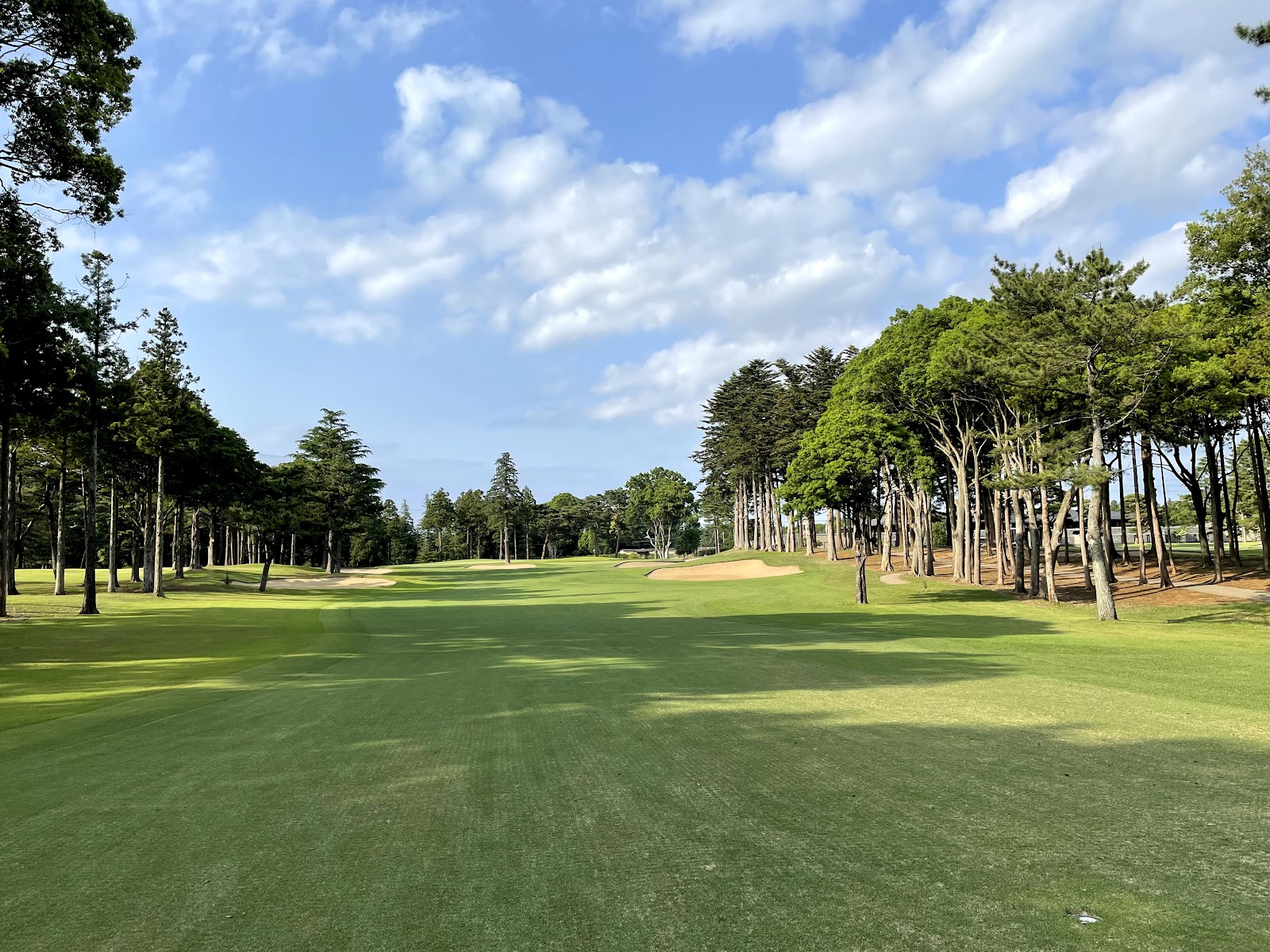
Takeshi Country Club Sogo-Takeshi Course
Takeshi Country Club Sogo-Takeshi Course sits in Inzai, Chiba Prefecture, one of three courses at the Takeshi Country Club complex. The layout runs 27 holes to a par of 108 across a total yardage of 10,643, set on wooded terrain typical of the Chiba New Town area. The course opened in 1964, making it one of the older facilities in the region. Caddie service is required for all rounds. Access is geared toward both rail and road: golfers arriving by train can take the Hokuso Line to Chiba New Town Chuo Station, where a club shuttle bus covers the roughly 10-minute transfer to the course. Drivers can reach the club via the Higashi-Kanto Expressway, exiting at Yotsukaido IC and following Route 64. The combination of a three-course facility, mandatory caddie play, and a decades-long operating history places Sogo-Takeshi in the established tier of Chiba's inland woodland courses.
View Course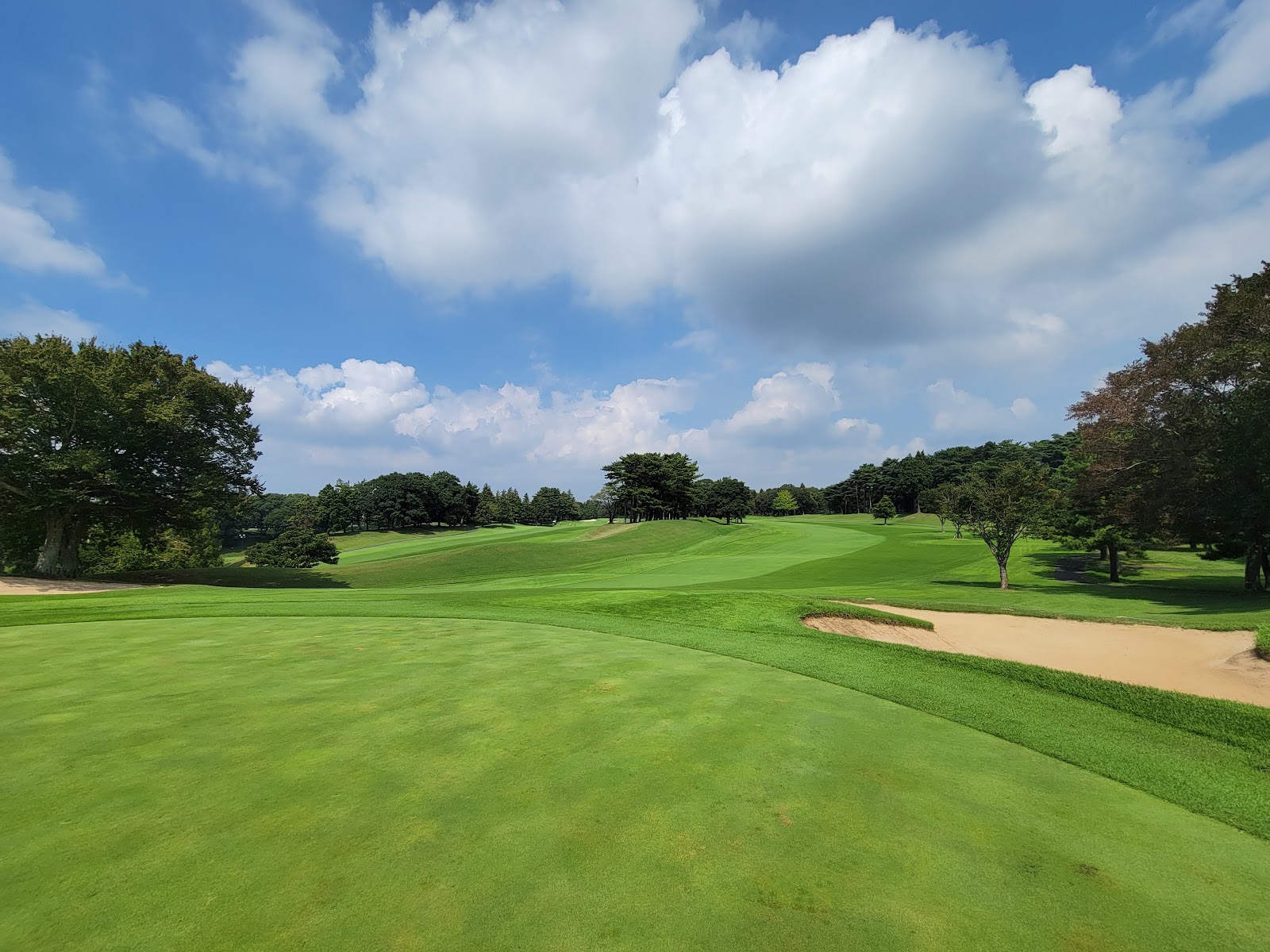
Izumi Country Club
Izumi Country Club is a 27-hole woodland course in Inzai, Chiba Prefecture, one of three courses on the property. The layout plays to a par of 108 over a total yardage of 10,352 yards through wooded terrain. It opened in 1979. Golfers without a car can reach the club by taking the Keisei Main Line or Tōyō Rapid Railway to Katsutadai Station, from which a club shuttle bus is available. Drivers can approach via the Higashi-Kanto Expressway, exiting at Chiba-Kita IC. As a three-course facility opened in the late 1970s, Izumi offers a larger day of golf than a standard 18-hole round, with the flexibility of combining any two of its three nines. The course sits within the same inland Chiba woodland belt as several other Inzai-area clubs, reflecting the region's concentration of courses built in the postwar golf boom.
View Course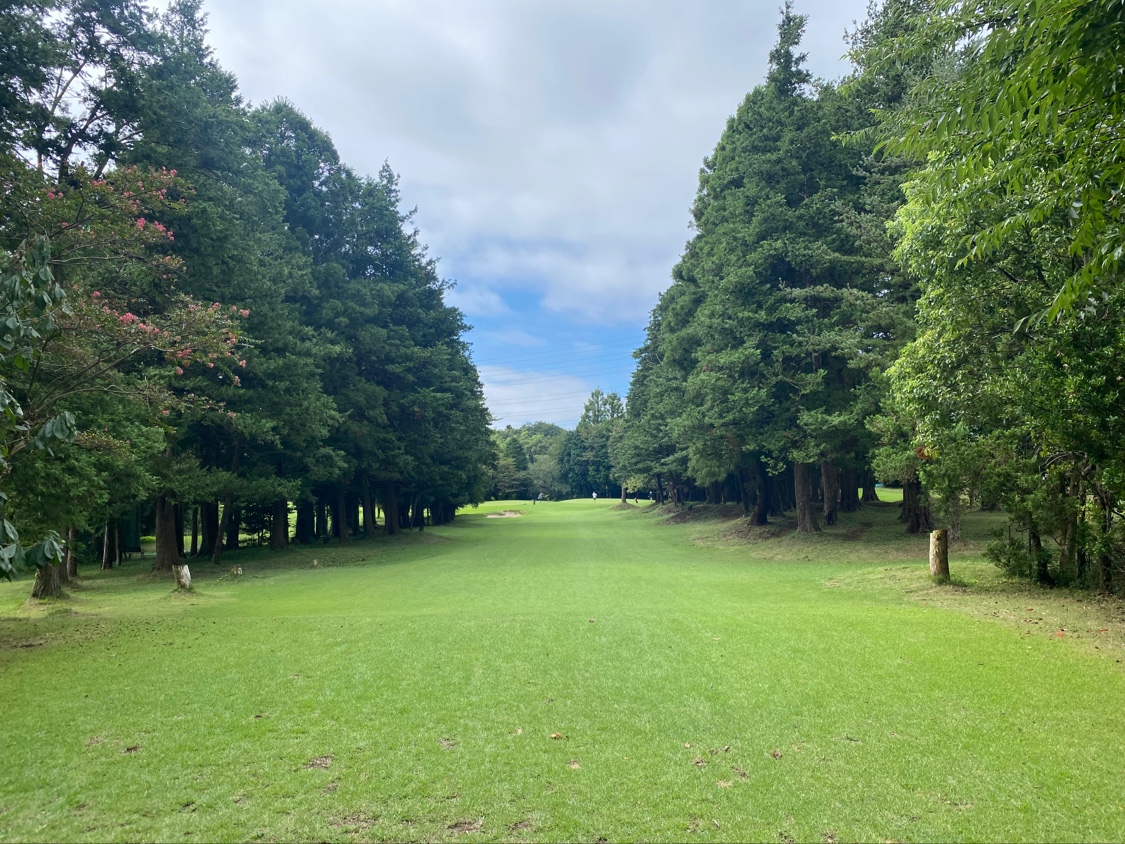
Shiroi Golf
Shiroi Golf is a 9-hole, par-27 woodland course in Shirai, Chiba Prefecture, at 412 Ne. The course measures 1,037 yards and opened in 1974. With a par of 27 across 9 holes — an average of par 3 per hole — this is a short-course layout, geared toward putting, chipping, and short-iron shots rather than long tee shots. As a woodland-type course, the holes run through tree-lined terrain. Green fees start from 2,200 yen on weekdays and 3,300 yen on weekends, a price point that reflects the course's short format. Shirai is a city in northwestern Chiba Prefecture. For golfers with limited time, Shiroi Golf offers a full 9-hole round on a compact, tree-lined par-3 layout without the time or cost of a full 18-hole day.
View Course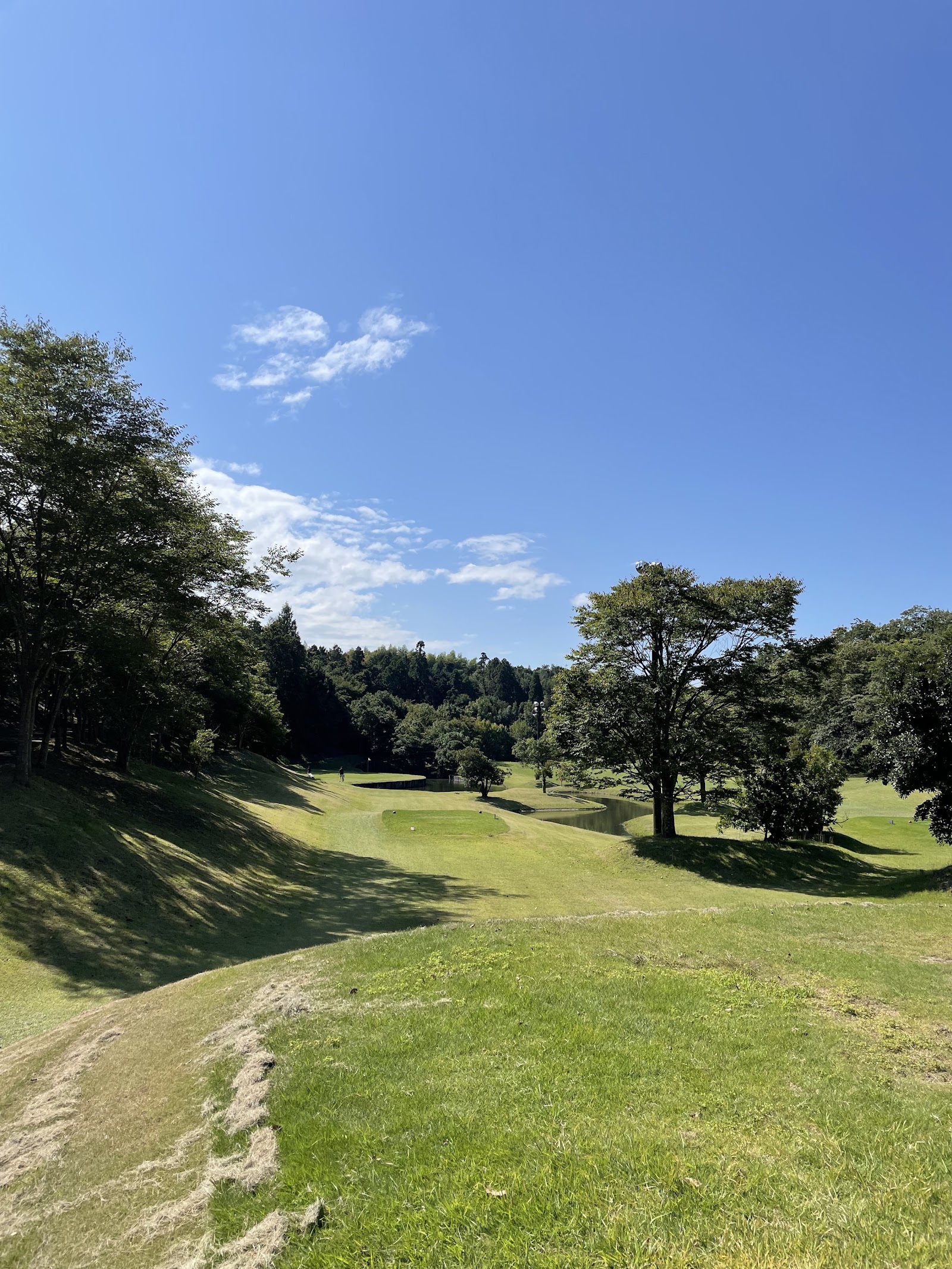
Sunrise Golf
Sunrise Golf is a compact 9-hole course in Kisarazu, Chiba Prefecture, playing to a par of 28 over a total yardage of 1,221 yards. The short yardage and low par point to a par-3 style layout, suited to a quicker round than a full 18-hole course. The club does not offer caddie service, so all rounds are self-navigated. It is located near Kisarazu-Minami Interchange on the Tateyama Expressway, in the Shimokarasuda Yamagami area of Kisarazu City, Chiba. No architect, course-type classification, or opening year is on record for the club, and cart or bathing facility details are not listed, so golfers should confirm amenities directly before visiting.
View Course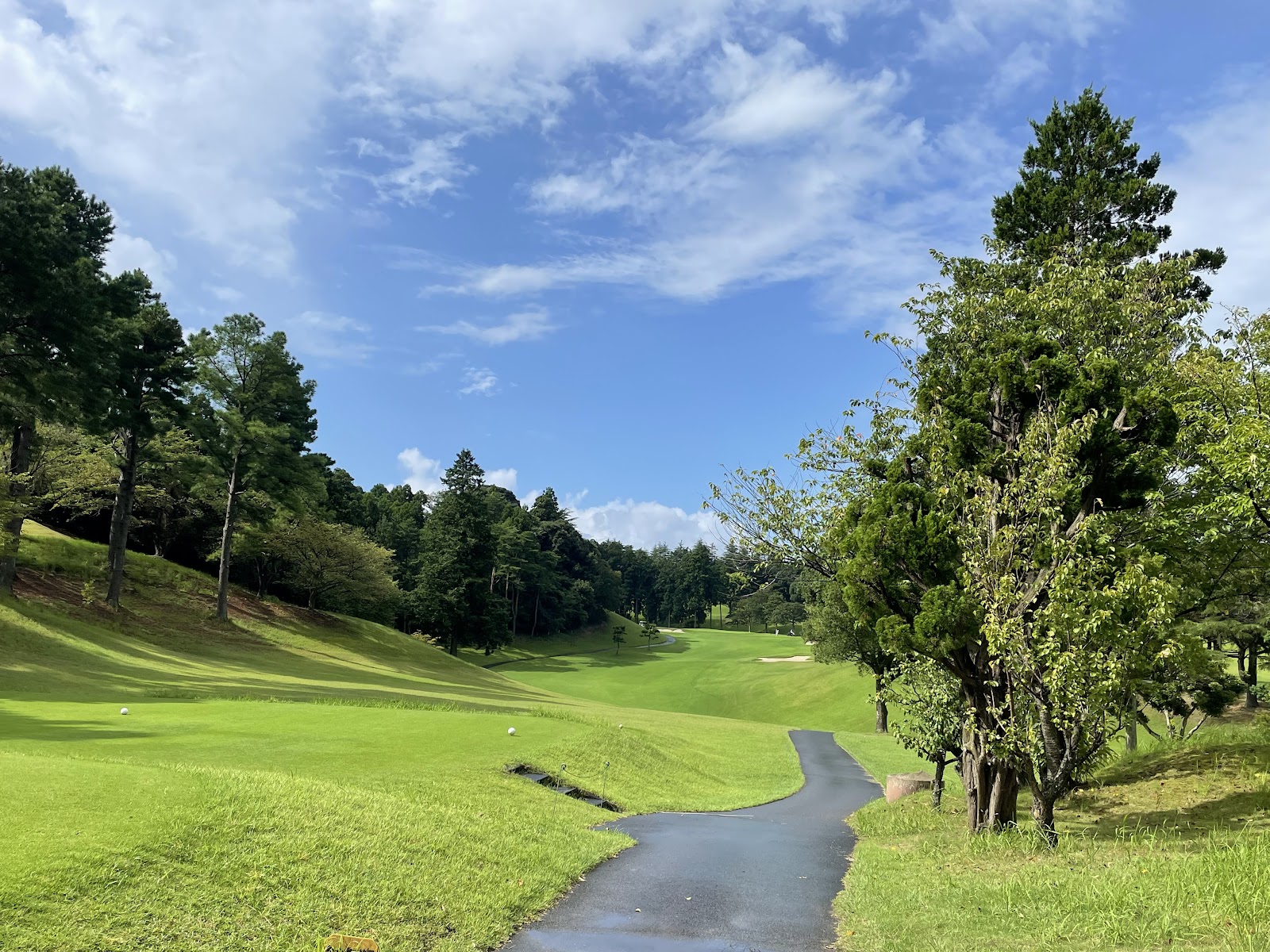
Anegasaki Country Club
Anegasaki Country Club is a 36-hole, par-144 club in Ichihara, Chiba Prefecture, made up of two 18-hole courses with a combined yardage of 13,659 yards from the back tees. The club opened in 1960 and was designed by Tadashi Taniguchi, Kazuichi Sugaura, and Yasuzo Kaneko, with course supervision by Yoshiro Hayashi. The layout is hilly throughout both courses. The East course uses electromagnetic-induction carts, while the West course uses self-propelled carts, and an optional caddy service is available. Access to the club is by JR Uchibo Line to Anegasaki Station, about a 15-minute taxi ride from the course, or by the club's own shuttle bus; drivers can also reach the club via the Anesaki-Sodegaura IC, roughly 6 kilometers away. With two full 18-hole courses on one site, Anegasaki Country Club is one of the larger golf facilities in the Ichihara area of Chiba, offering visitors a choice of rounds within a single visit.
View Course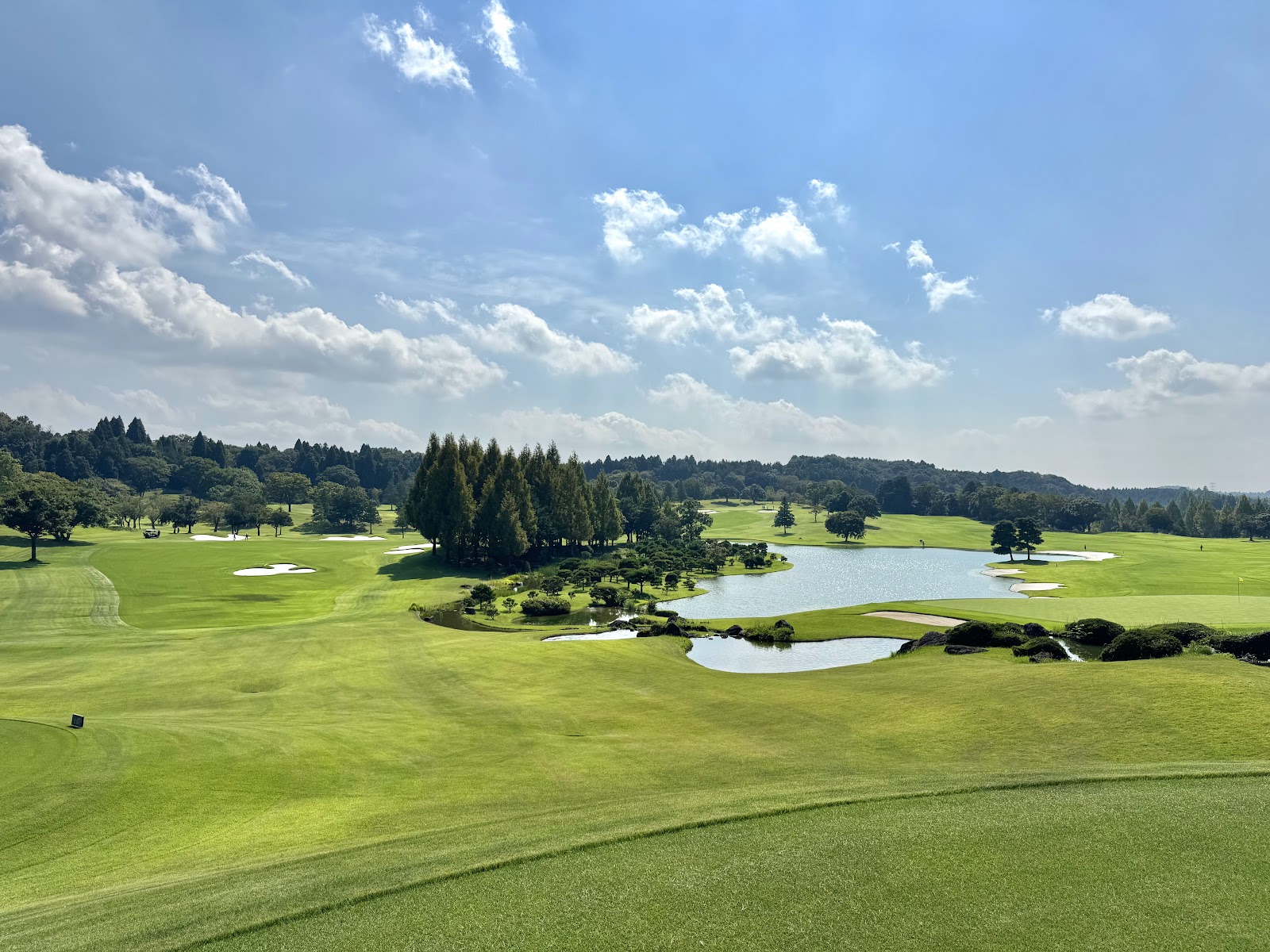
King Fields Golf Club
King Fields Golf Club is an 18-hole, par-72 hilly course in Ichihara, Chiba, originally laid out by architects Bentz & Poellot and later redesigned by Akira Okubo. The course plays to 7,133 yards from the back tees, one of the longer layouts in the region. It sits at Niimaki 377 in Ichihara, within reach of both rail and expressway access. The nearest train station is JR Goi on the Uchibo Line, while drivers can reach the club from the Ken-O Expressway's Ichihara-Tsurumai IC, about 18 minutes away, or from the Tateyama Expressway's Ichihara IC, about 20 minutes away. The dual expressway access from central Chiba and greater Tokyo makes King Fields a workable option for golfers based in the Boso Peninsula area or arriving from Haneda or Narita.
View Course
Genji-yama Golf Club
Genji-yama Golf Club is an 18-hole, par-72 course set on hilly terrain in Ichihara, in Chiba Prefecture. The course plays to 6,545 yards from the back tees and opened in 1977. Caddy service is required for all rounds. The club sits in the Oke district of Ichihara, reached from Goi Station on the JR Uchibo Line, where a club bus picks up players; on weekdays golfers can also reach the course by taxi in about 25 minutes. By car, the nearest interchange is Ichihara IC on the Tateyama Expressway, roughly 10 kilometers from the clubhouse. The hilly layout sits within the Boso Peninsula golf belt that developed through the 1970s and 1980s, with elevation change built into the routing. Golfers travelling from central Tokyo or Narita can combine the Tateyama Expressway with the Uchibo Line for access without a rental car.
View Course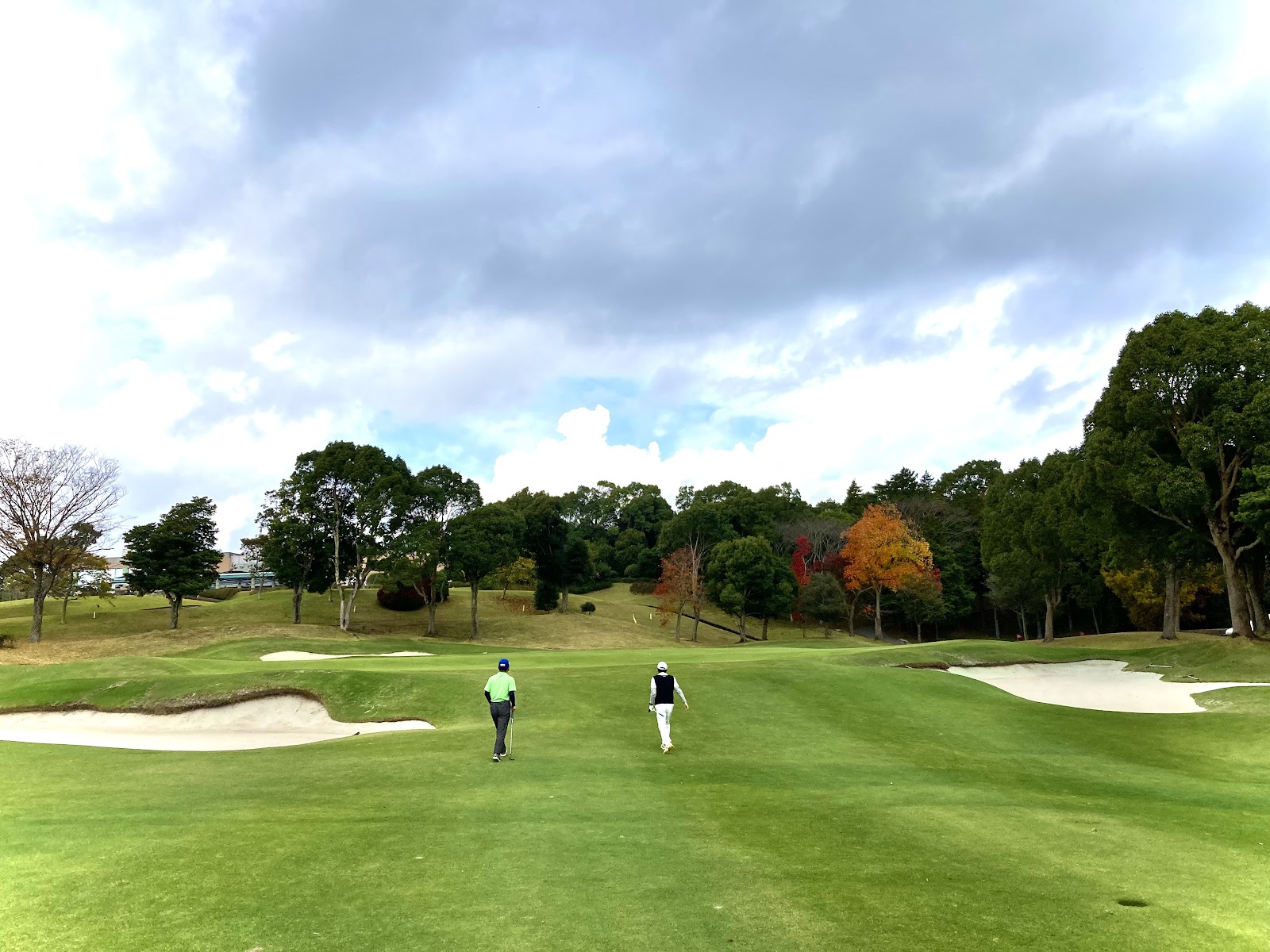
Tateno Classic Golf Club
Tateno Classic Golf Club is an 18-hole, par-72 course on hilly ground in Ichihara, Chiba Prefecture. It plays to 6,972 yards from the back tees, one of the longer layouts in the area. The course was designed by Yasuzo Kaneko, with course supervision by major champion Bernhard Langer, and opened in 1986. The clubhouse address is Nakatakane, Ichihara-shi. The hilly routing sits within the wider Boso Peninsula golf corridor south of Tokyo, an area developed heavily during the 1980s golf boom. At 6,972 yards, the par-72 layout rewards accurate long hitting across its hilly terrain. No detailed public transport access information is listed for the club, so golfers should confirm transfer arrangements directly with the club or through a booking service before visiting.
View Course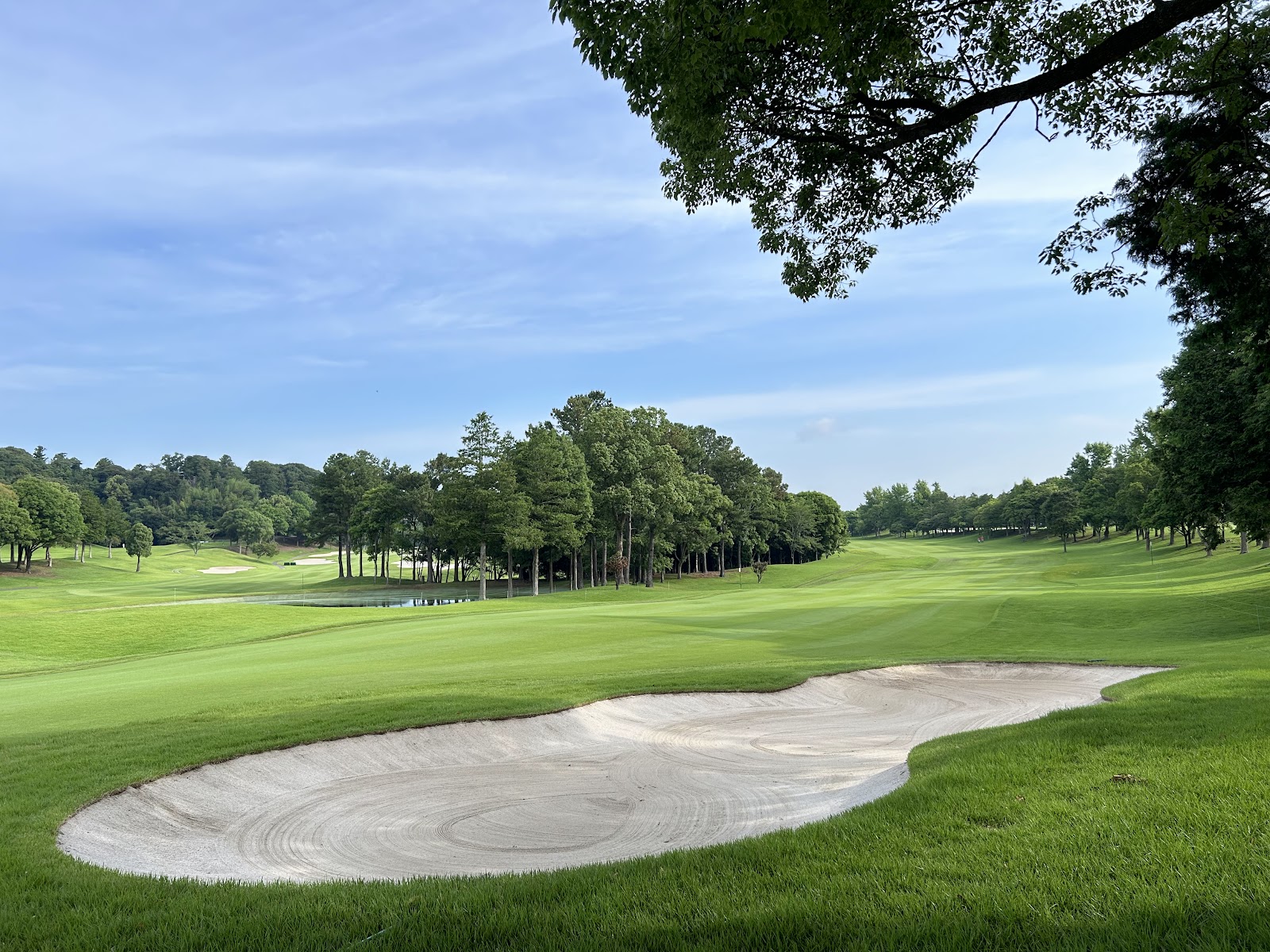
Camellia Hills Country Club
Camellia Hills Country Club is an 18-hole, par-72 course on hilly terrain in Sodegaura, Chiba Prefecture. The course was designed by Koukichi Yasuda and opened in 1990, playing to 6,682 yards from the back tees. Caddy service is the standard format, though a cart is available as an option for an additional fee of 11,000 yen. The clubhouse is located at Otake, Sodegaura-shi, reached from Kisarazu Station on the JR Uchibo Line via a reservation-only club bus, a journey of about 20 minutes. By car, the nearest interchange is Kisarazu-kita IC on the Tateyama Expressway, roughly 5 kilometers, or about 8 minutes, from the club. The course sits within the cluster of golf clubs around Kisarazu and Sodegaura on the Boso Peninsula, an area within reach of central Tokyo via the Tokyo Bay Aqua-Line.
View Course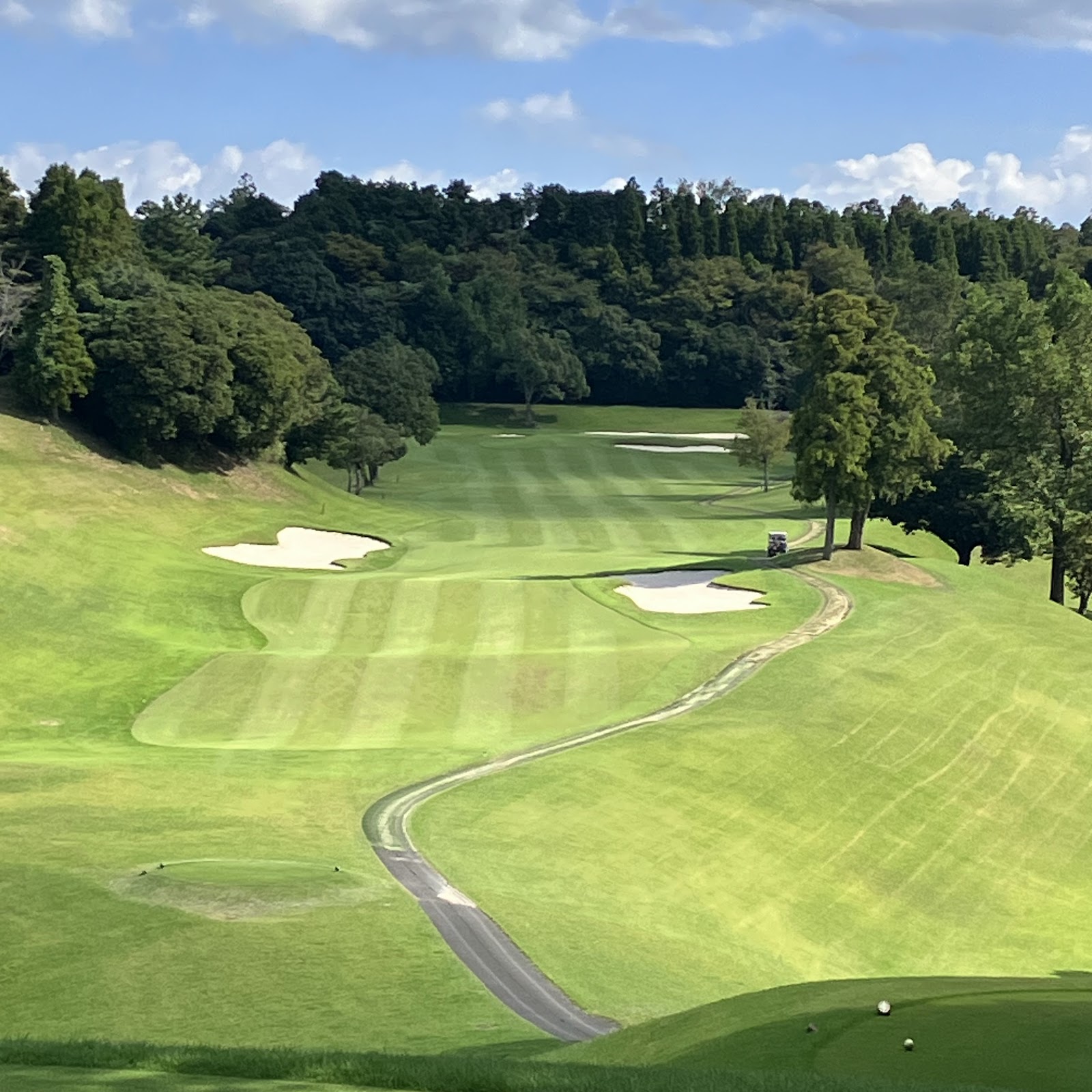
Kisarazu Golf Club
Kisarazu Golf Club is an 18-hole, par-72 course in Sodegaura, Chiba Prefecture, designed by Takuzo Sato and opened in 1978. It plays to 6,790 yards from the back tees. Caddy service is required. Weekday green fees start at 18,500 yen and weekend fees start at 30,000 yen. The clubhouse is at Shimomiyada, Sodegaura-shi, and a club bus runs to Kisarazu Station on the JR Uchibo Line, departing from the Hagiwara Hospital parking lot with advance reservation required. By car, the course is reached via Kisarazu-kita IC on the Tokyo Bay Aqua-Line, putting it within a direct highway run from central Tokyo across the bay. As one of the longer-established clubs in the Kisarazu area, it dates to the years just after the Boso Peninsula's first wave of course development in the 1970s.
View Course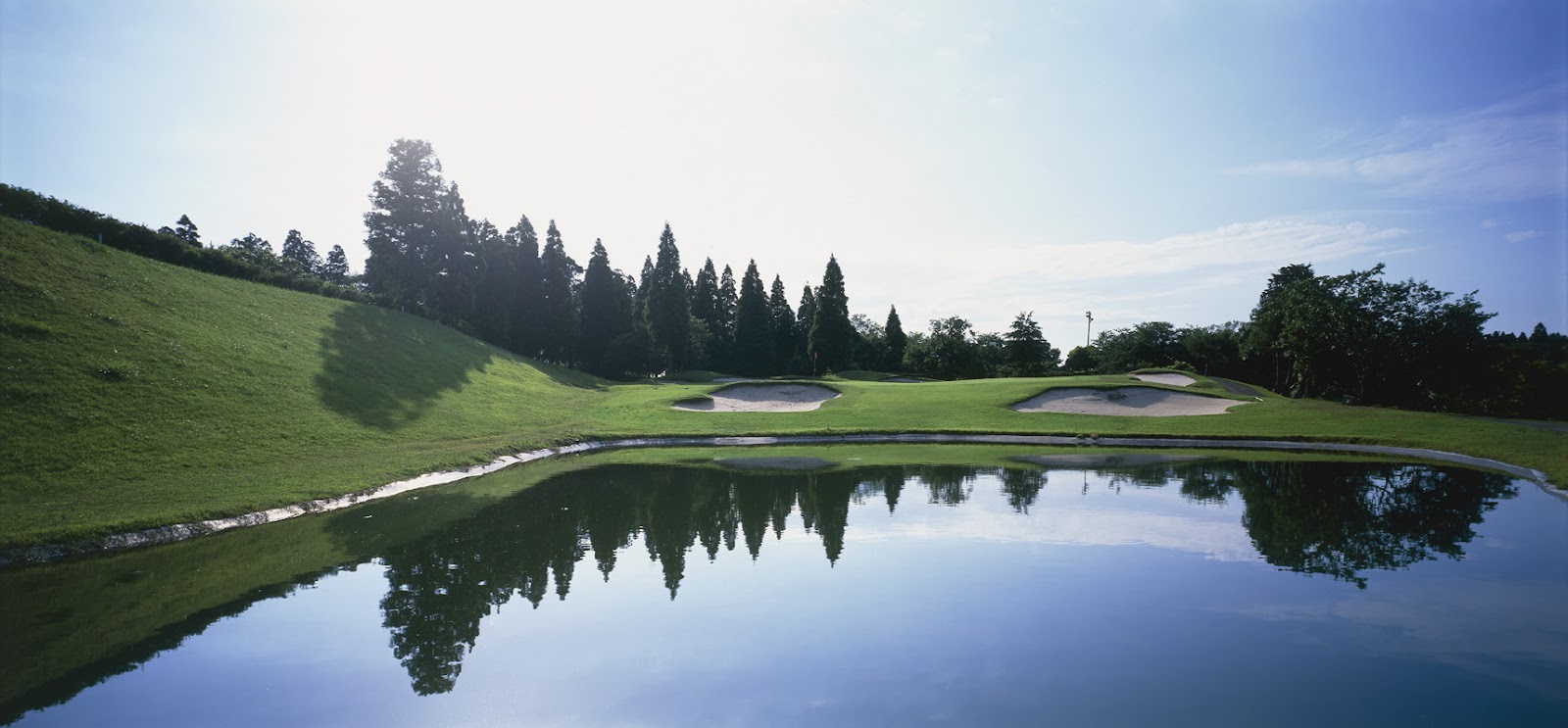
Tokyo Bay Country Club
Tokyo Bay Country Club is a 27-hole, par-108 hilly course in Sodegaura, Chiba, spanning three 9-hole loops with a combined yardage of 10,008 yards. The course opened in 1979 and was designed by Mitsuo Yoshizaki. Golfers reach the club via JR Uchibo Line's Nagaura Station, with a club shuttle bus available, or by car from the Tateyama Expressway's Anesaki-Sodegaura Interchange, roughly 5 kilometers away. Rounds are played without caddie service, using self-drive riding carts fitted with GPS navigation for up to 5 passengers. After the round, players can unwind in the club's bath facility. The course's hilly terrain and three-loop layout give it flexibility for combination rounds of 18 or 27 holes, and its address at 1147 Kuranami, Sodegaura, places it within reach of both the Tokyo Bay Aqua-Line corridor and central Chiba. With more than four decades of operation since its 1979 opening, Tokyo Bay Country Club remains an established hilly-terrain course in the Sodegaura area.
View Course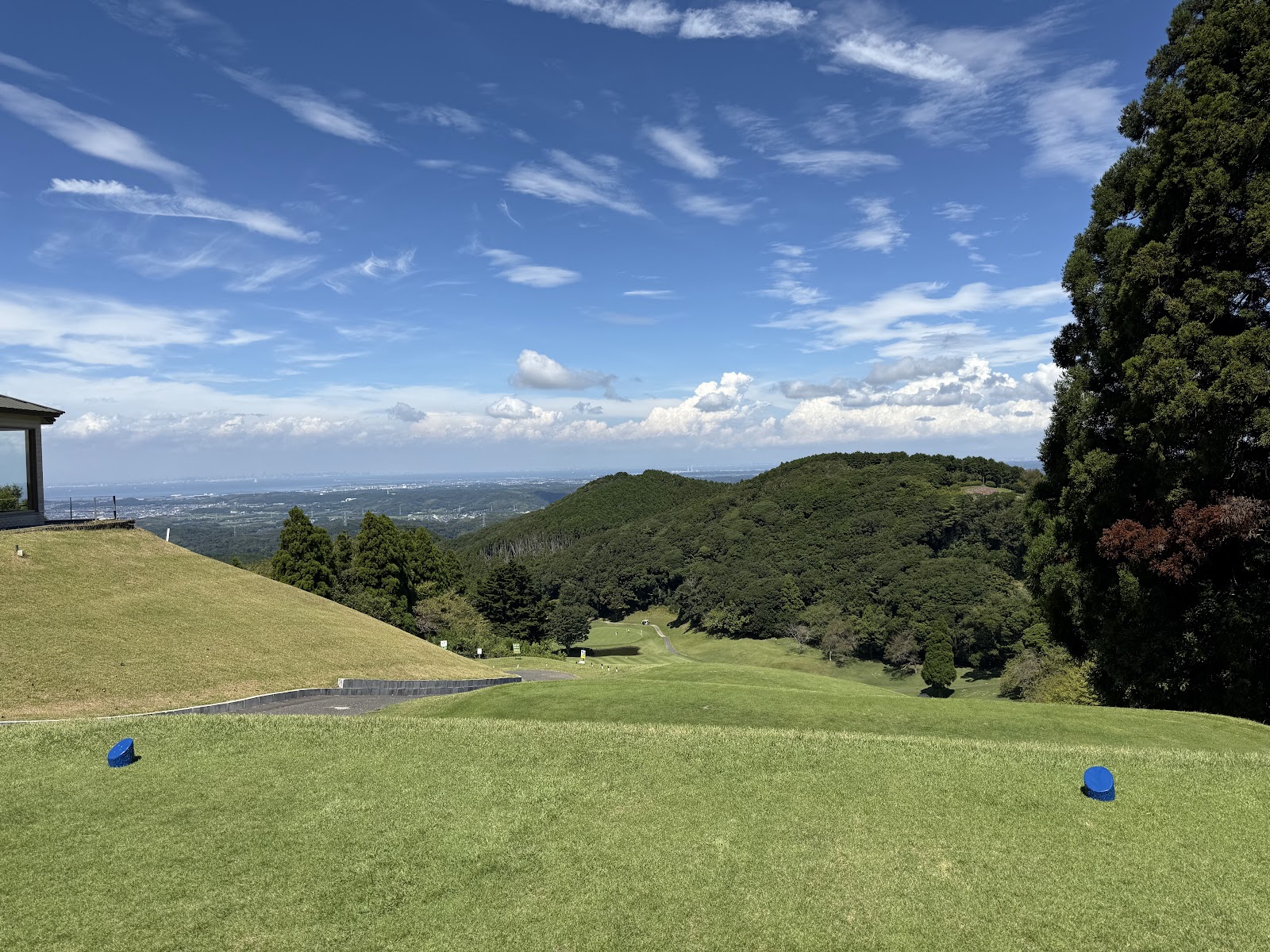
Kanoyama Golf Club
Kanoyama Golf Club is a 27-hole, par-108 course set on hilly terrain in Kimitsu, Chiba Prefecture, comprising three 9-hole courses. It opened in 1960, making it one of the older golf facilities in the area, and was designed by Yoshiharu Suzuki and Yoshio Machida. The club is located at 288 Kanozan, Kimitsu, and is reachable by car from the Tateyama Expressway's Kimitsu Interchange, about 13 kilometers away. Play does not include caddie service; golfers instead use riding carts equipped with GPS navigation, and the course permits carts to drive directly onto the fairways. The three 9-hole loops give visiting golfers the flexibility to play combinations of 18 or 27 holes in a single visit. With over six decades of history since its 1960 opening, Kanoyama Golf Club is among the longer-established hilly courses in the Kimitsu area of Chiba Prefecture, southeast of Tokyo.
View Course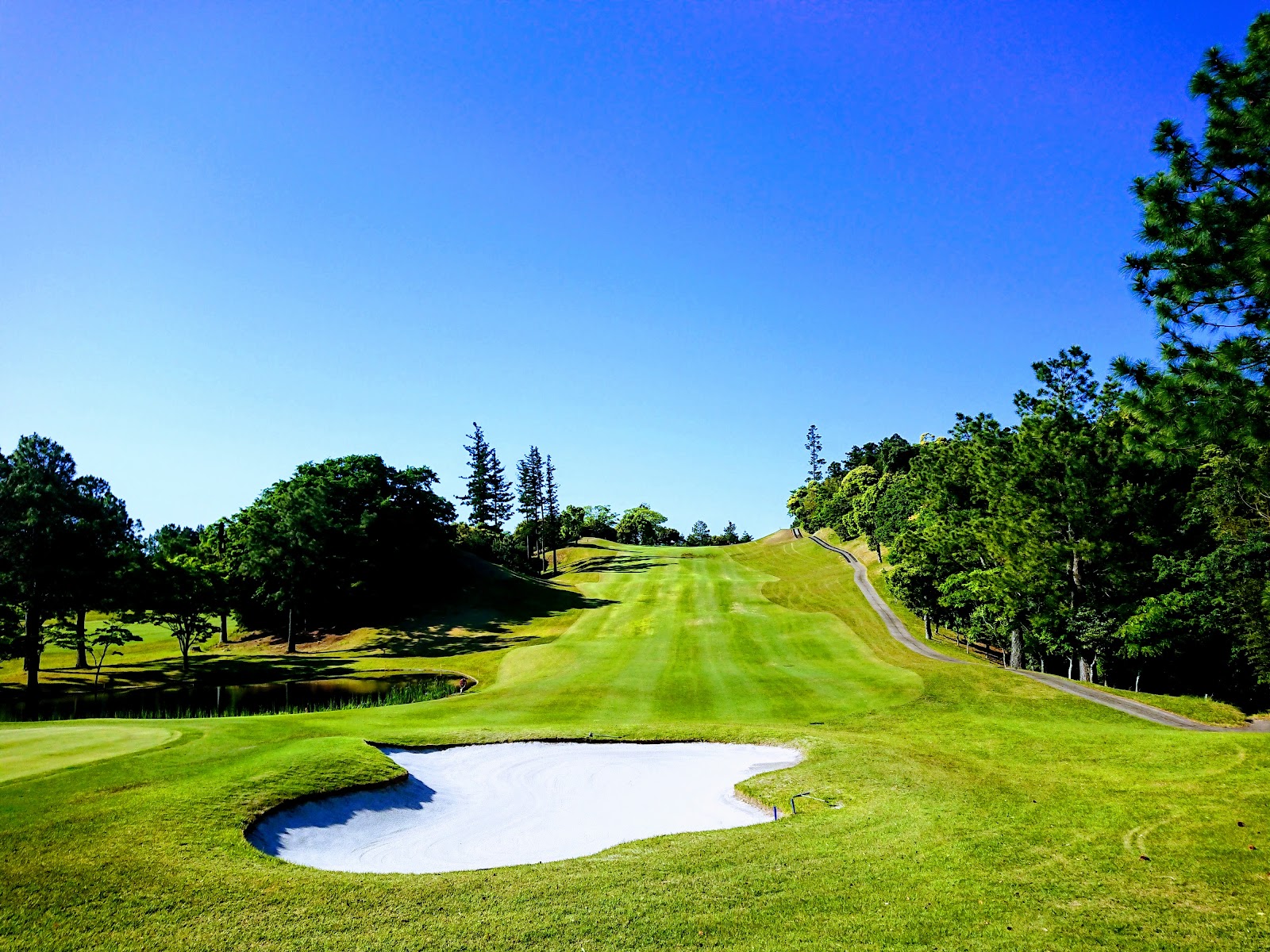
Japan PGA Golf Club
Japan PGA Golf Club is an 18-hole, par-72 course in Kimitsu, Chiba Prefecture, laid out over hilly terrain to a back-tee yardage of 6,936 yards. The course was developed and named for the Japan Professional Golfers' Association and opened in 1995. From Tokyo Station, the JR Uchibo Line reaches Kimitsu Station in about 70 minutes by limited express, with a further 25-minute taxi ride to the clubhouse; drivers can also reach the course via the Tateyama Expressway's Kimitsu Interchange. Caddies are optional rather than mandatory, giving golfers the choice between a caddied round or self-play. Riding carts are standard for self-play rounds, and caddy-attended groups also use riding carts rather than walking. The course's hilly routing and full-length back tees make it a course for players seeking a physically engaging 18 holes within reach of central Tokyo.
View Course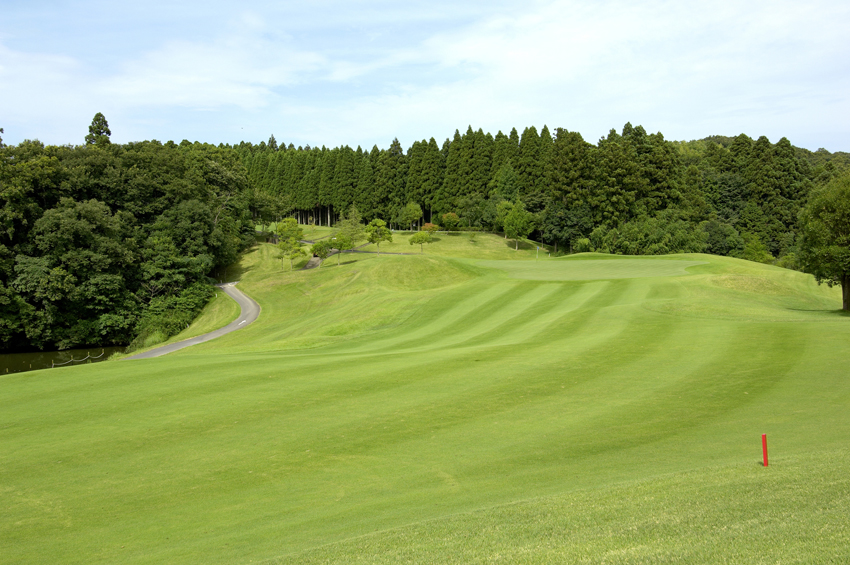
Aqua Line Golf Club
Aqua Line Golf Club is an 18-hole, par-72 course in Kisarazu, Chiba Prefecture, set on hilly ground and measuring 6,917 yards from the back tees. It was designed by Shunsuke Kato and opened in 1997. The clubhouse is reachable from JR Kisarazu Station on the Uchibo Line, or by car via the Ken-O Expressway's Kisarazu Higashi Interchange, about 3 kilometers and a 5-minute drive away. The club does not offer caddy service; all rounds are self-play with self-drive riding carts, and night golf rounds use electromagnetic induction carts instead. After the round, golfers can use the on-site bath facility. The combination of a short expressway link, a no-caddy self-play format, and a bath makes it a straightforward option for a same-day round out of the Tokyo area.
View Course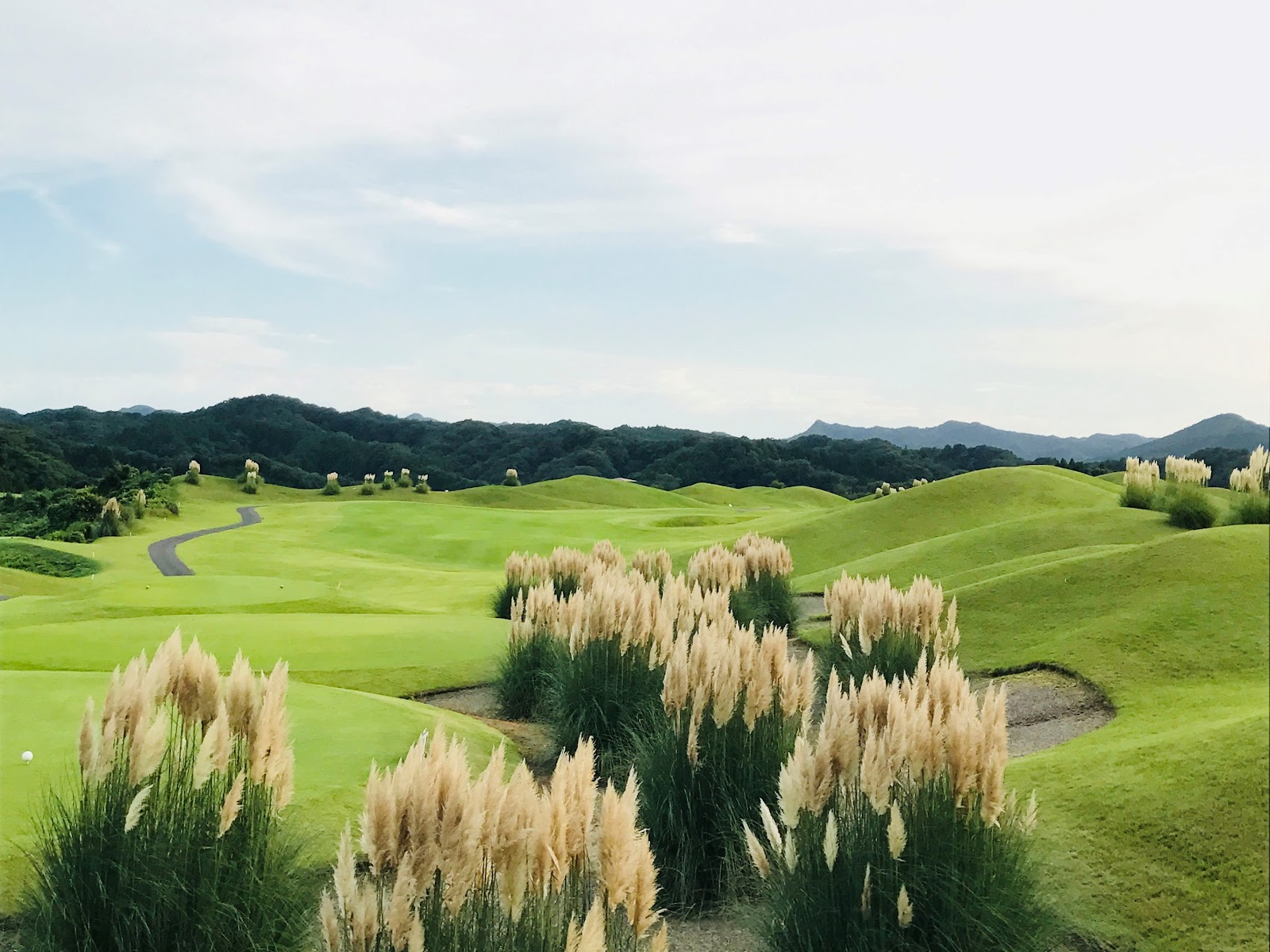
Shin-Kimitsu Bell Green Country Club
Shin-Kimitsu Bell Green Country Club is an 18-hole, par-72 course in Kimitsu, Chiba Prefecture, set on hilly terrain and measuring 6,826 yards from the back tees. The club is reached via the Tateyama Expressway's Kimitsu Interchange, putting it within driving distance of central Tokyo. Golfers play the course using 5-seater riding carts, which carry full groups together across the hilly routing rather than requiring players to walk. At 6,826 yards and par 72 over 18 holes, the layout offers a full round of golf accessible as a day trip from the Tokyo metropolitan area via the expressway network. Specific details on the course's architect and opening year are not published, but its yardage, par, and hilly routing place it among the standard-length hilly courses found throughout inland Chiba Prefecture.
View Course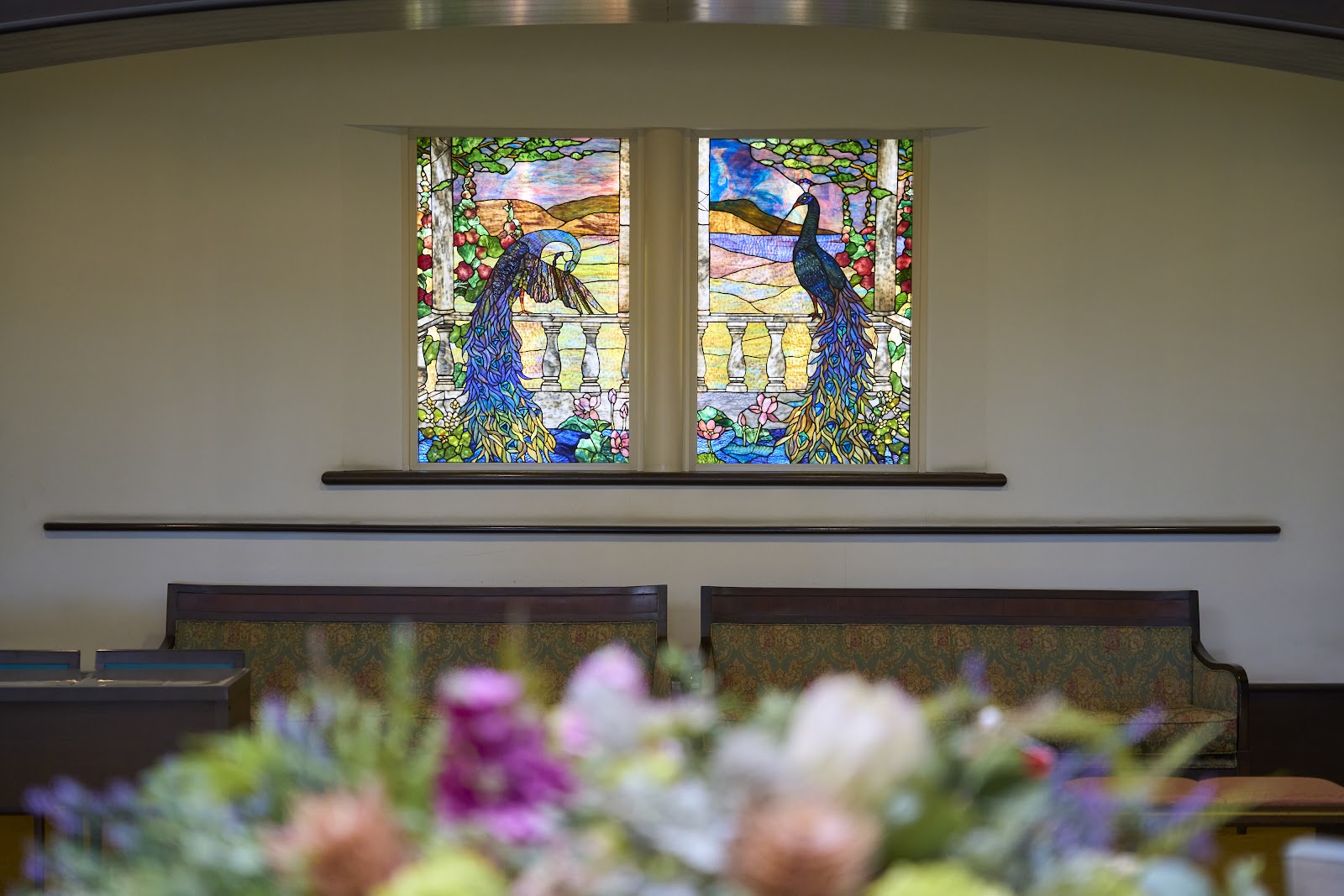
Kisarazu Higashi Country Club
Kisarazu Higashi Country Club is an 18-hole, par-72 course in Kimitsu, Chiba Prefecture, set on hilly ground and measuring 6,727 yards from the back tees. The course was designed by Shinichi Nishinaka and opened in 1996. All carts on the course are cooler carts, fully equipped fleet-wide, giving golfers cold drinks on hand throughout the hilly round. Detailed access information such as the nearest station or expressway interchange is not published for this club, though its address places it in the Kawamata area of Kimitsu City. At 6,727 yards and par 72, it is a standard-length 18-hole hilly layout for the Kimitsu area, designed by Nishinaka and opened in 1996.
View Course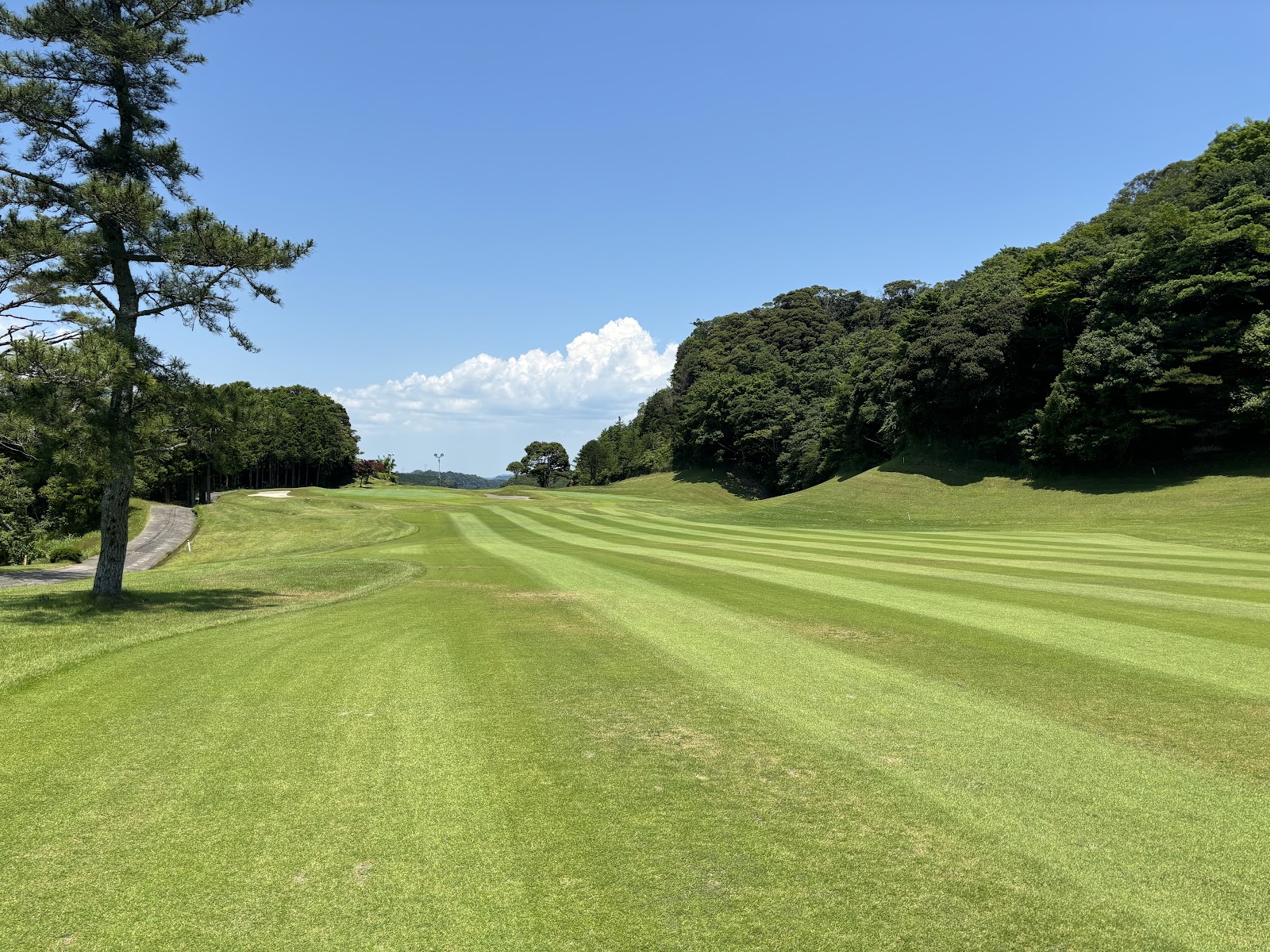
Kimitsu Kogihara Country Club
Kimitsu Kogihara Country Club is an 18-hole, par-72 course in Kogihara, Kimitsu City, on the Boso Peninsula in Chiba Prefecture. It plays to 6,420 yards and was designed by Tomekichi Miyamoto, opening in 1987. The club runs riding carts fitted with cart navigation systems, and caddy service is optional, so groups can choose a self-navigated round or add a caddy on request. The course sits inland from Tokyo Bay in the hills of southern Chiba. By car, it is reached from Kimitsu IC on the Tateyama Expressway, about 25km away and roughly a 45-minute drive. Travelers without a car can reach the area via JR Sotobo Line to Awa-Kamogawa Station, followed by a 15-to-20-minute taxi ride to the clubhouse. The combination of a coastal-region Chiba setting with cart navigation and optional caddy support makes it a straightforward stop for visiting golfers touring the Boso Peninsula.
View Course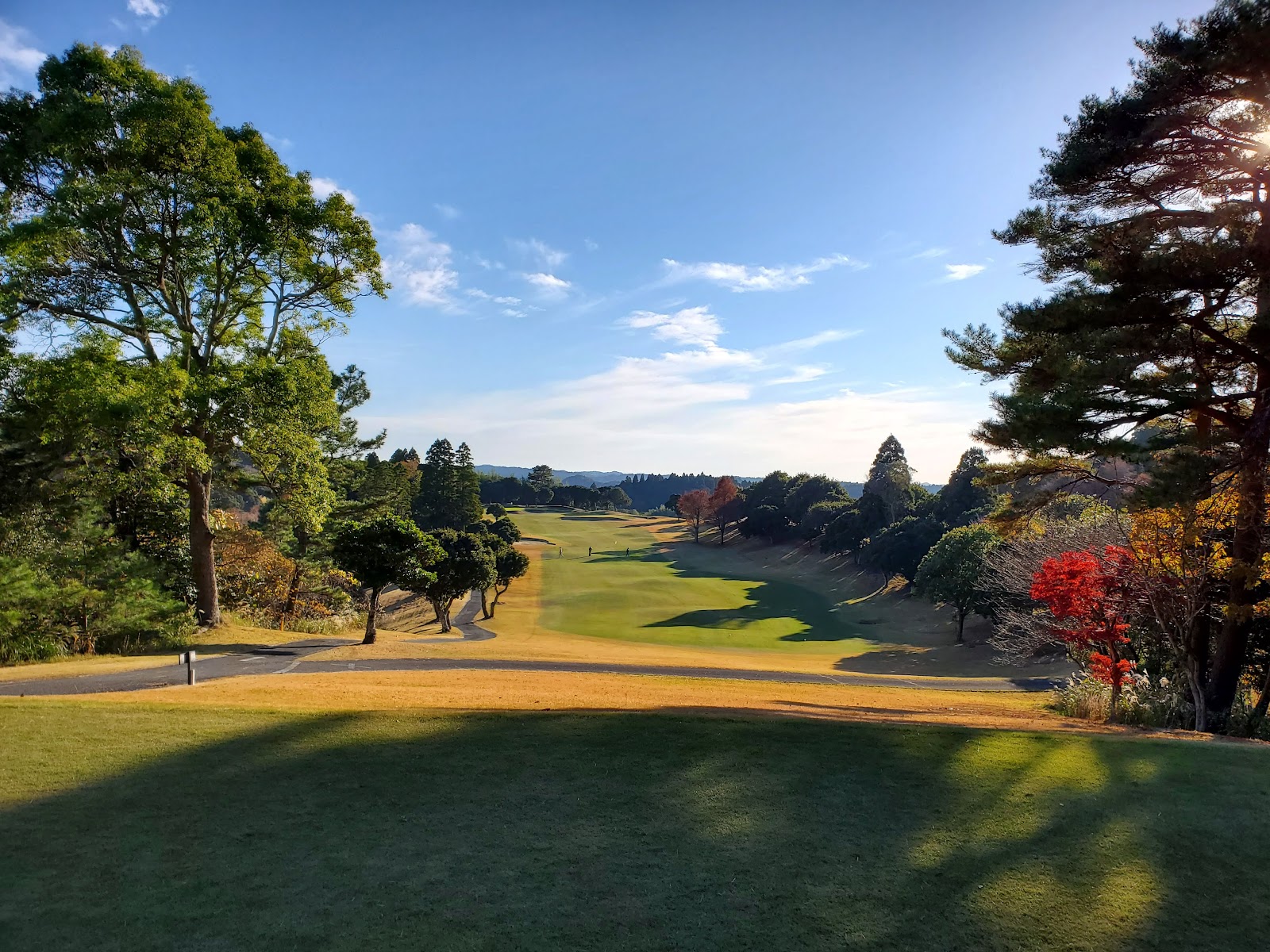
Yorogiojo Country Club
Yorogiojo Country Club is a 27-hole hilly course in Isumi City, Chiba Prefecture, made up of three 9-hole loops totaling par 108. The layout runs 10,616 yards from the regular tees (10,626 yards from the back tees), and it was designed by Seizo Tomizawa, opening in 1975. Riding carts are provided for all groups, with caddy service available on an optional basis for players who want one. The three-course structure gives visitors flexibility to combine any two of the nine-hole loops for an 18-hole round, or play all three across a longer day. The club is set in the hilly terrain typical of Chiba's Isumi area, inland from the Kujukuri coast. By car, it is reached from Ichihara-Tsurumai IC on the Ken-O Expressway, about 15km from the clubhouse. This makes it a practical option for golfers based around Tokyo or Chiba City looking for a full-day hilly round with cart access throughout.
View Course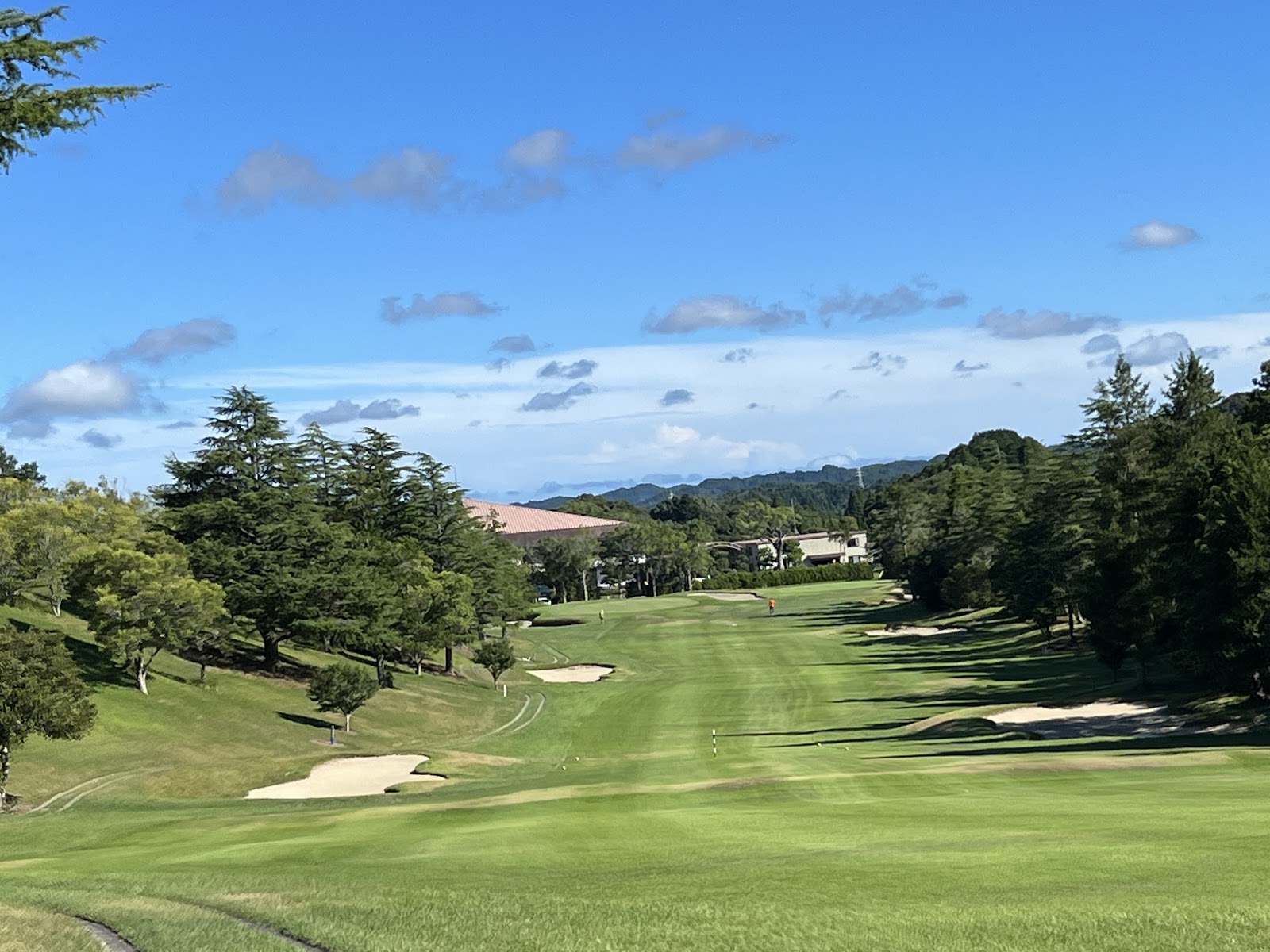
Otaki Country Club
Otaki Country Club is a 27-hole hilly course in Otaki, Isumi District, Chiba Prefecture, operated under the PGM brand. The layout is arranged as three 9-hole courses, letting groups combine any pair for an 18-hole round. It was designed by Teikichi Mano and opened in 1976, set in the hilly inland terrain of the Boso Peninsula. Visitors traveling by train can take the JR Sotobo Line to Mobara Station and connect via the club's own bus service to the course, avoiding the need for a taxi. Drivers can reach the club from Ichihara-Tsurumai IC on the Ken-O Expressway, about 15km away. As one of the PGM group's Chiba properties, it fits into itineraries that combine a round here with other PGM-operated courses in the same region. The three-loop structure and club bus link from Mobara Station make it accessible for visitors without a rental car.
View Course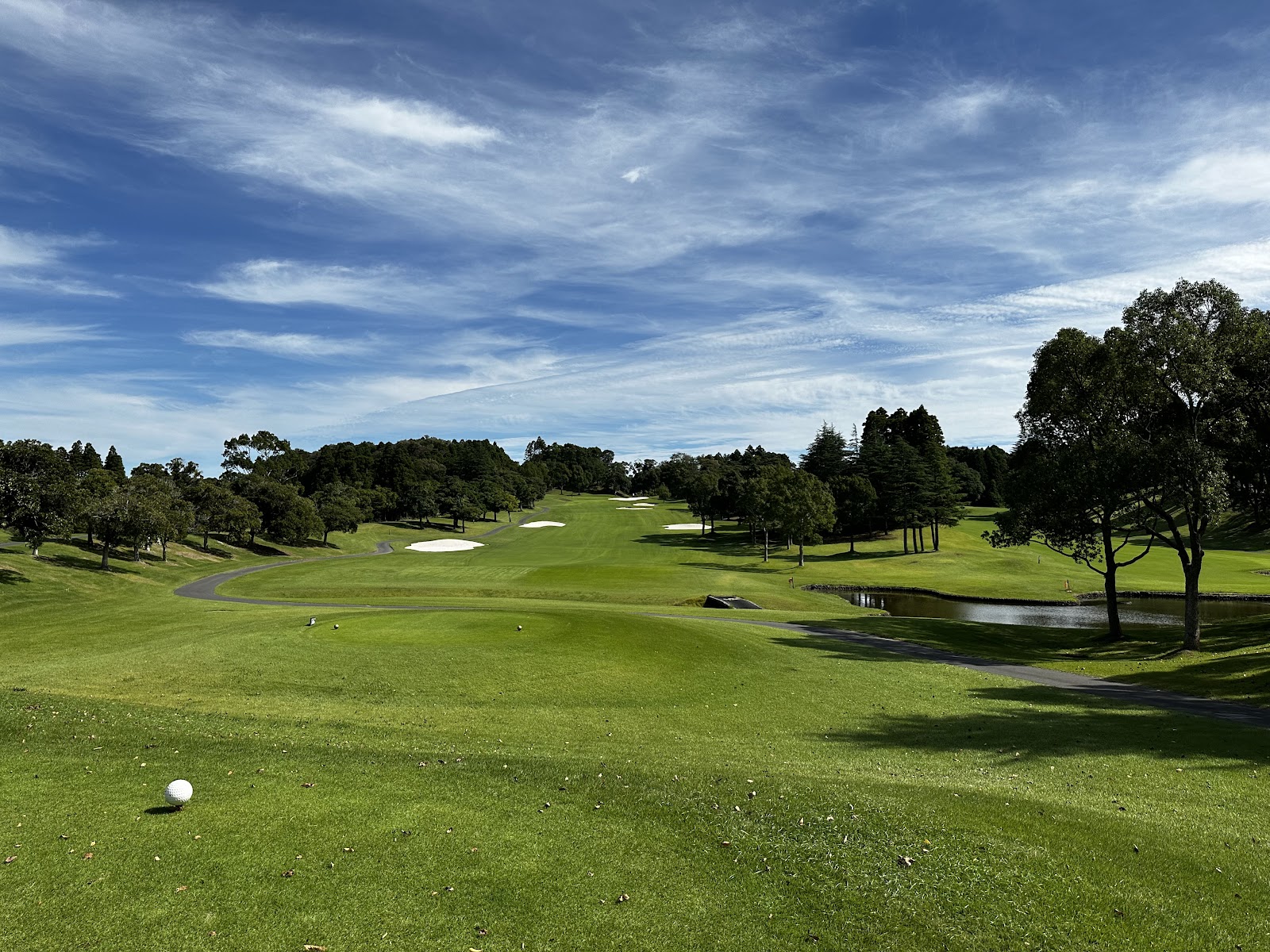
Boso Country Club
Boso Country Club is a 36-hole facility in Mutsuzawa, Chosei District, Chiba Prefecture, made up of two 18-hole courses with a combined par of 144 and a total yardage of 13,924. Weekday green fees start from 10,330 yen, and weekend fees start from 23,000 yen. The club has on-site bath facilities for use after a round. It sits inland from the Kujukuri coast in central Chiba. Visitors traveling by train can reach the club via JR Sotobo Line to Mobara Station, then either the club bus or a taxi ride of about 20 minutes. Drivers can reach the course from Ichihara-Tsurumai IC on the Ken-O Expressway, roughly 15 minutes away. With two full 18-hole layouts on one property, the club can host larger groups or back-to-back rounds in a single visit, and the bath facilities make it a comfortable option for a full day of golf.
View Course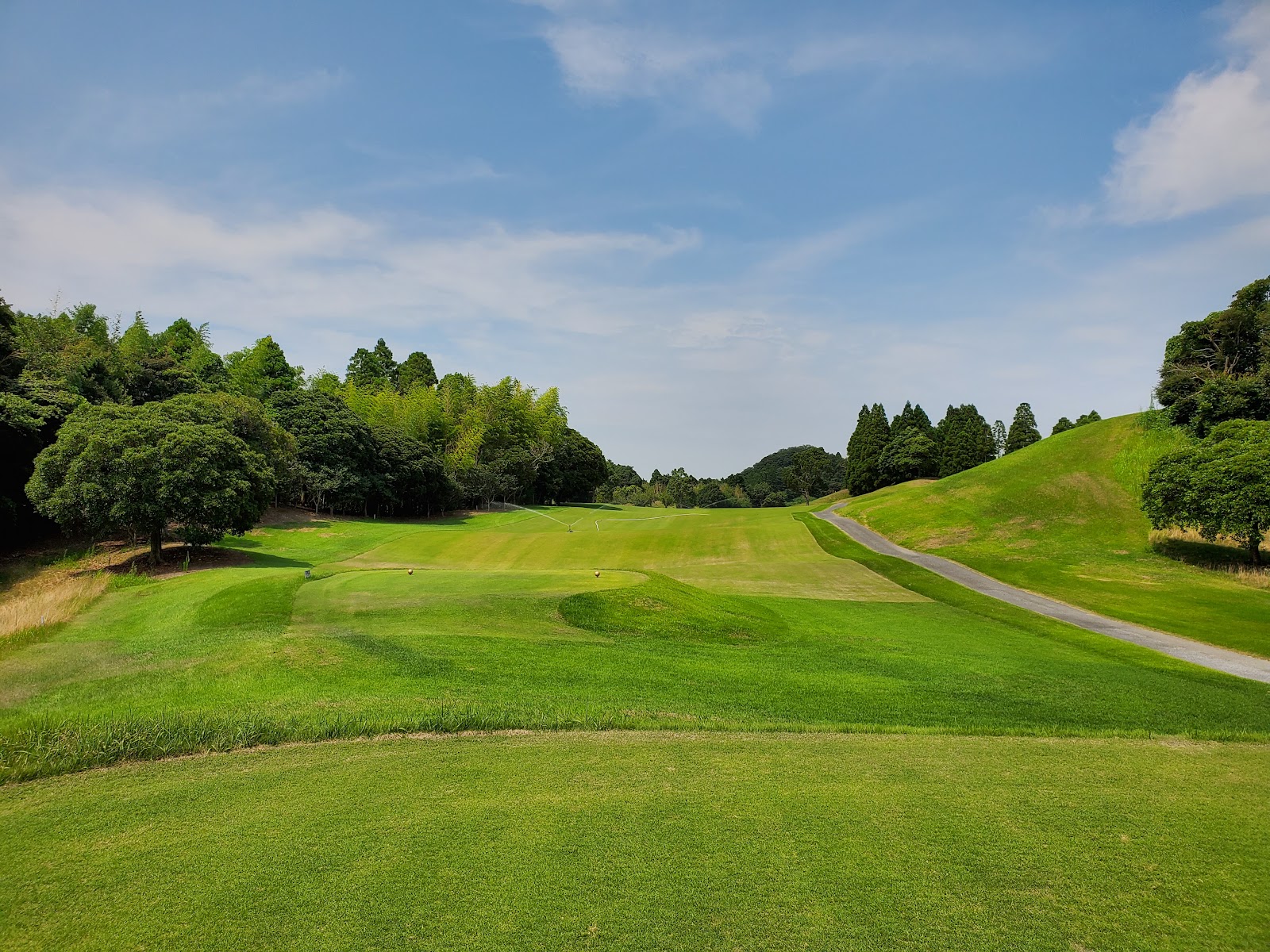
Boso Okami Country Club
Boso Okami Country Club is an 18-hole, par-72 hilly course located in Mutsuzawa, Chosei District, Chiba Prefecture. Designed by Hirochika Tomizawa, the course opened in 1986 and plays to a total yardage of 6,807 yards over its 18 holes. The layout follows the rolling terrain typical of the Boso Peninsula's inland hills, bringing elevation changes across the round. Golfers reach the club by JR Sotobo Line to Mobara Station, from where a club shuttle bus is available, or by car via the Ken-O Expressway's Kimitsu-Higashi Interchange. The course uses riding carts for play. Sitting within the Boso hilly belt in eastern Chiba, the club is roughly midway between Tokyo and the Pacific coastline of the peninsula, making it accessible for day trips from the greater Tokyo area.
View Course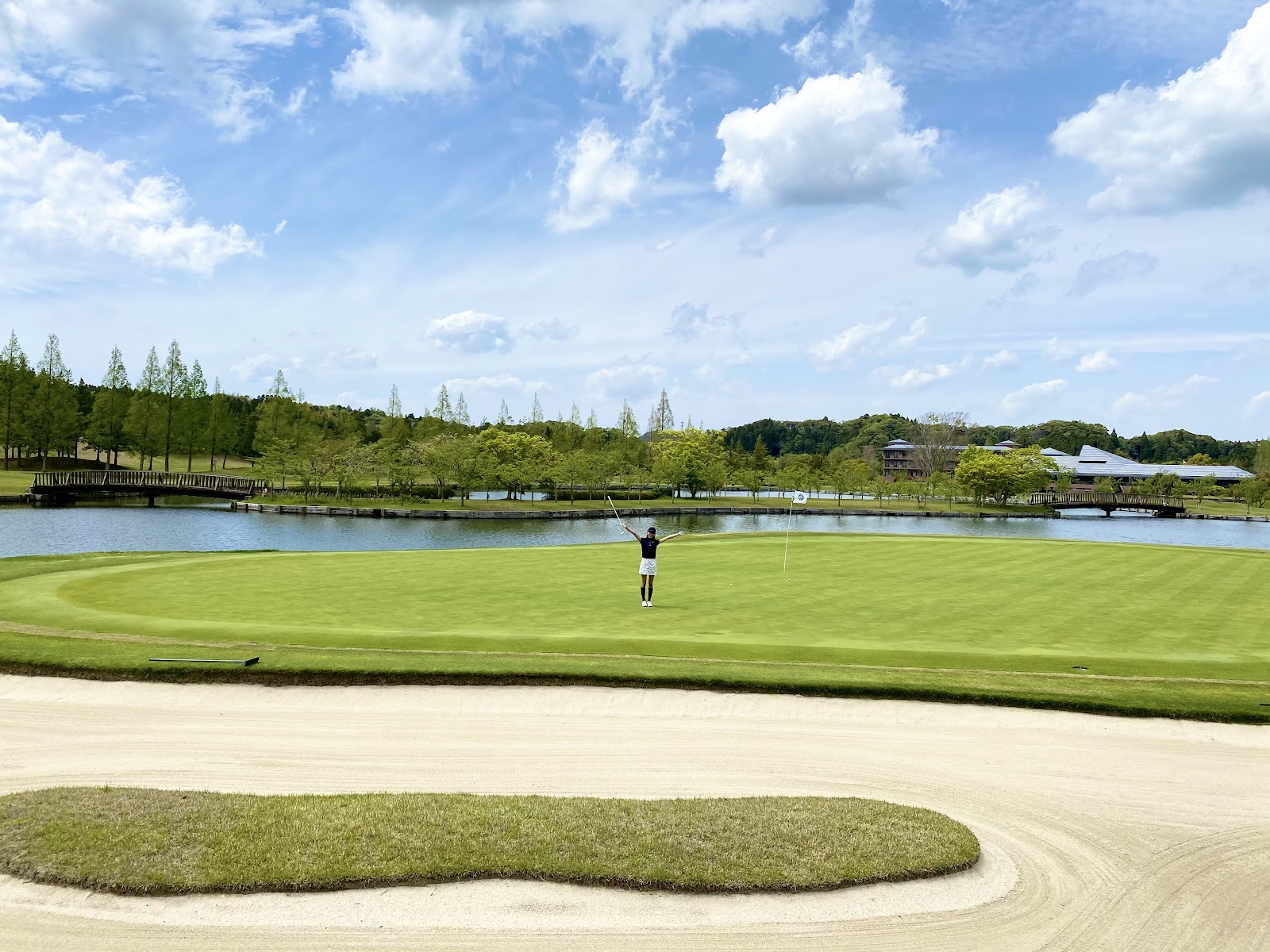
Great Island Club
Great Island Club is an 18-hole, par-72 hilly course in Chonan, Chosei District, Chiba Prefecture, opened in 1993. The layout was designed jointly by Masanori Honjo and Susumu Tobari, following the rolling hills of the Boso Peninsula's inland district. The clubhouse includes a bathhouse for golfers after their round. Access is available by JR Sotobo Line to Mobara Station, or by car via the Ken-O Expressway's Mobara-Chonan Interchange through the Togane Road, or the Ichihara-Tsurumai Interchange via the Tokyo Bay Aqua-Line. This dual expressway access makes the course reachable from both the Tokyo and Chiba coastal sides. As with other courses in the Chonan hilly belt, the terrain brings elevation changes across the round, and the club sits close to Toyo Country Club and Golden Cross Country Club in the same district.
View Course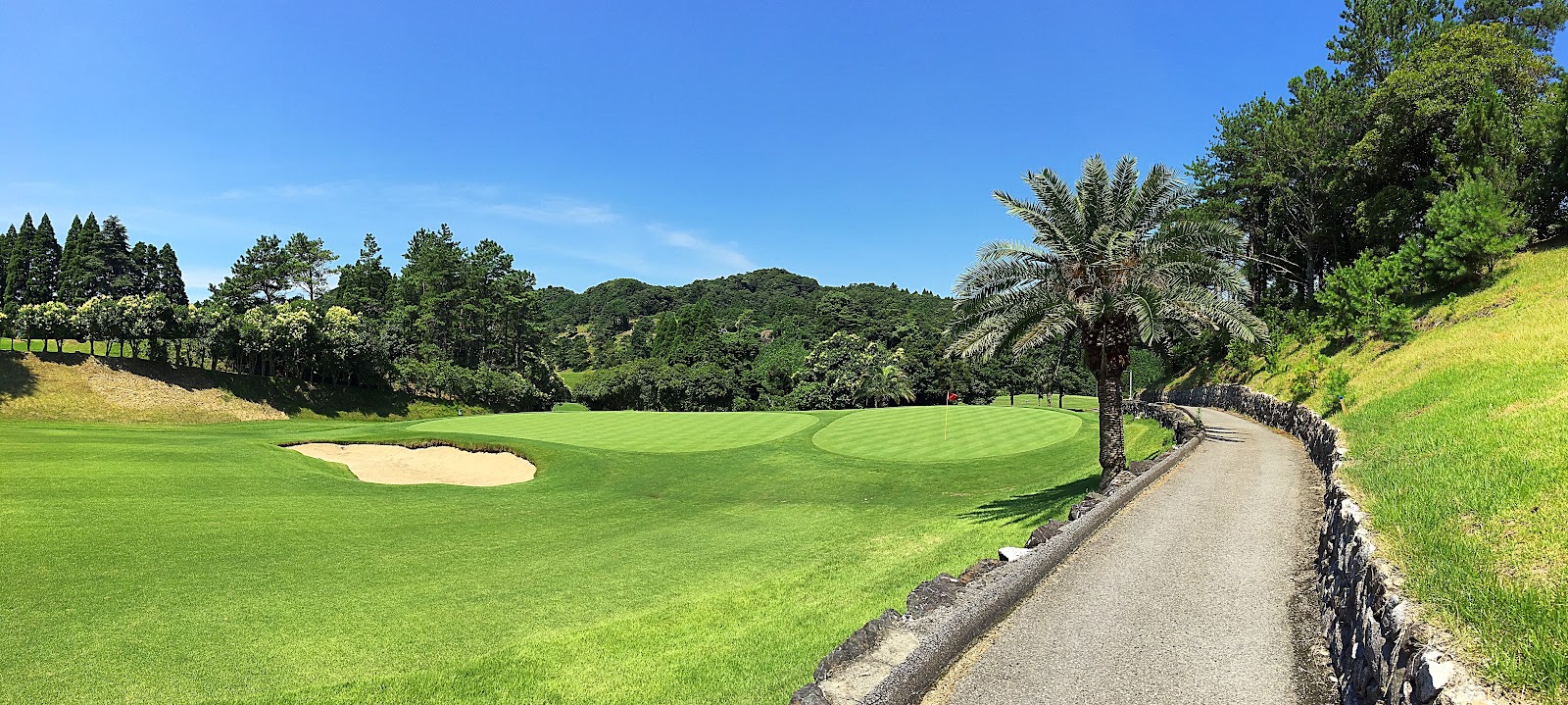
Toyo Country Club
Toyo Country Club is an 18-hole, par-72 hilly course in Chonan, Chosei District, Chiba Prefecture. Designed by Hiromitsu Hasegawa, the course opened in 1971 and plays to a total yardage of 5,689 yards, one of the shorter layouts among the hilly courses of the Chonan area. Golfers drive themselves in self-service riding carts, and the club operates without caddy service, making it a self-play course throughout. The nearest access point by car is the Mobara-Chonan Interchange. The course sits in the same Chonan hilly district as Great Island Club and Golden Cross Country Club, part of a cluster of courses built into the inland hills of the Boso Peninsula. Its 1971 opening makes it one of the older courses in this part of Chiba, predating its neighboring clubs by more than two decades.
View Course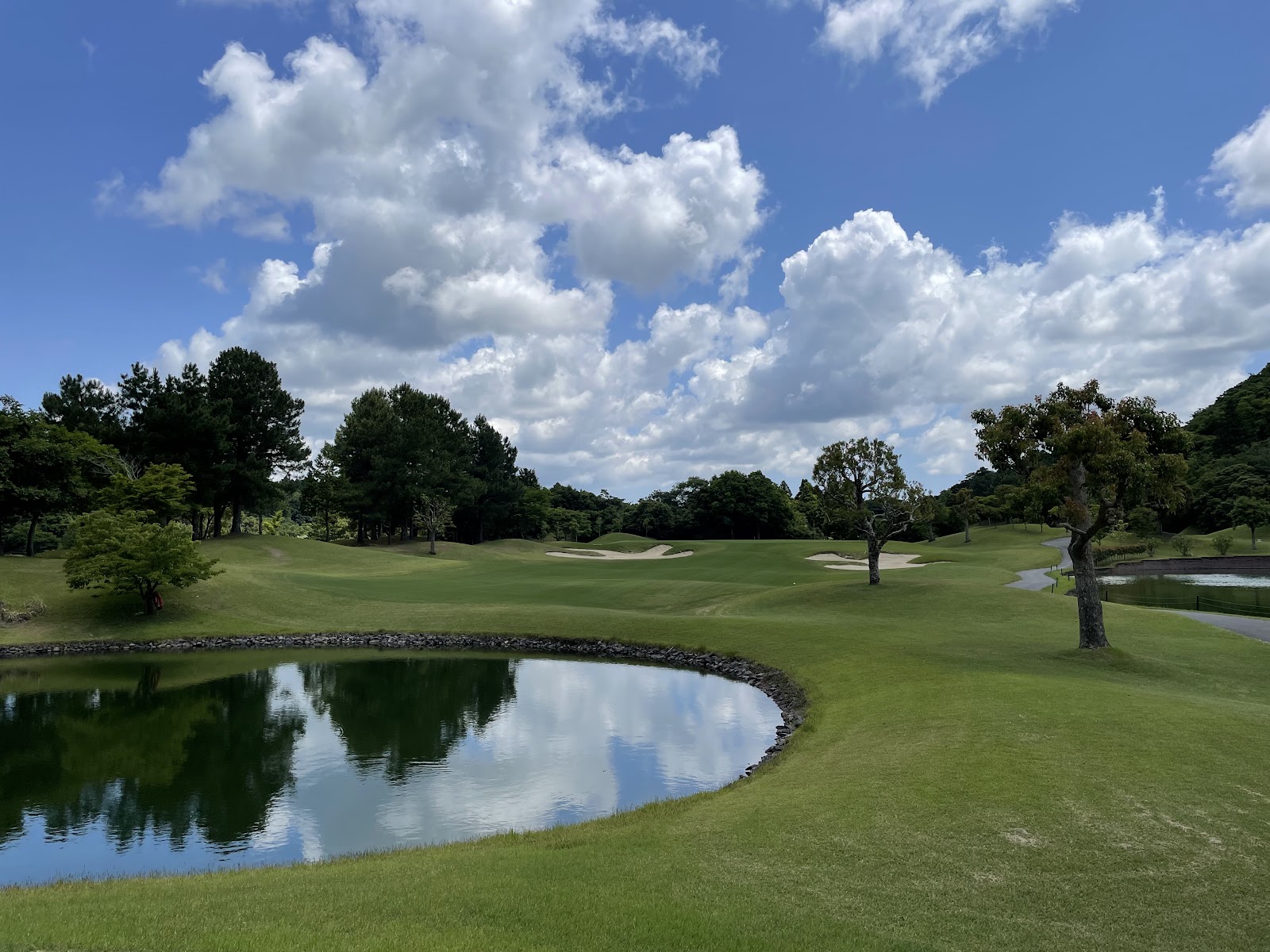
Golden Cross Country Club
Golden Cross Country Club is an 18-hole, par-72 hilly course in Chonan, Chosei District, Chiba Prefecture. Designed by Mitsuaki Kobayashi, the course opened in 1996 and plays to a total yardage of 6,822 yards, the longest of the courses clustered in this part of the Chonan hilly belt. The layout follows the rolling inland terrain of the Boso Peninsula. Golfers can reach the club by taxi, roughly ten minutes from Otaki Station on the Isumi Railway, or by car via the Ichihara-Tsurumai Interchange on the Ken-O Expressway. The course is located near Toyo Country Club and Great Island Club, both also in Chonan, forming a group of courses within the same district. Its 1996 opening makes it the newest of the three neighboring clubs.
View Course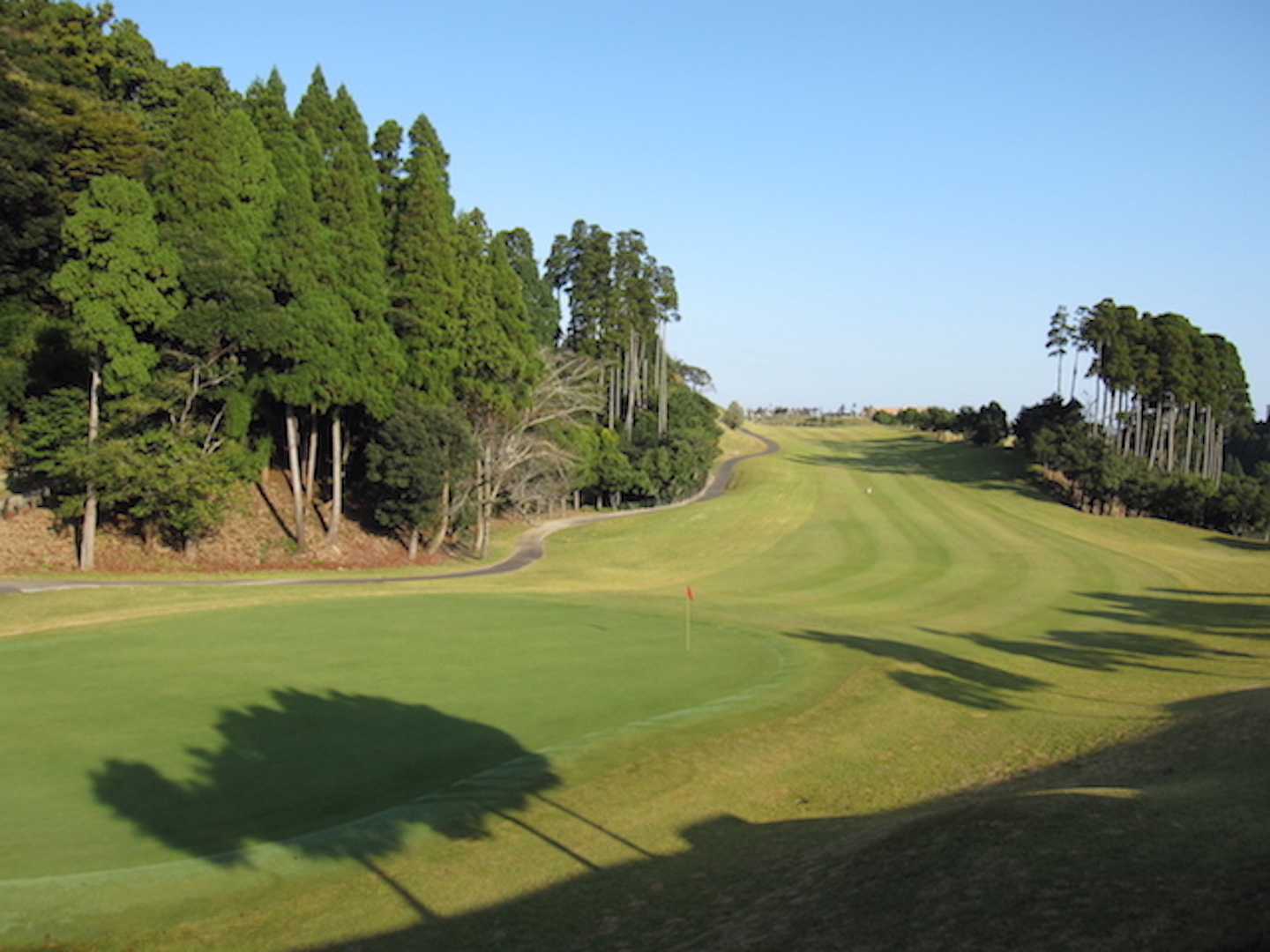
ABC Isumi Golf Course
ABC Isumi Golf Course is an 18-hole, par-72 hilly layout in Isumi, Chiba Prefecture, opened in 2011. The course plays to a total yardage of 6,707, set across rolling terrain typical of the Isumi region's hill country. Golfers reach the course via Kunikichi Station on the Isumi Railway, or by car through the Ken-O Expressway's Ichihara-Tsurumai Interchange, roughly 20 kilometers away. On-course transport is handled by Yamaha-manufactured GPS-equipped riding carts, available in five-seat and two-seat configurations, giving groups flexibility in how they move around the property. After the round, players can wind down in the clubhouse bath facility. As a course opened in 2011, ABC Isumi Golf Course reflects a more contemporary design era compared to many of the region's mid-20th-century layouts, and its hilly routing gives the round variation in elevation and sightlines across its 18 holes. The combination of rail and expressway access makes it reachable from both central Chiba and the Tokyo area for a day of golf in the Isumi hills.
View Course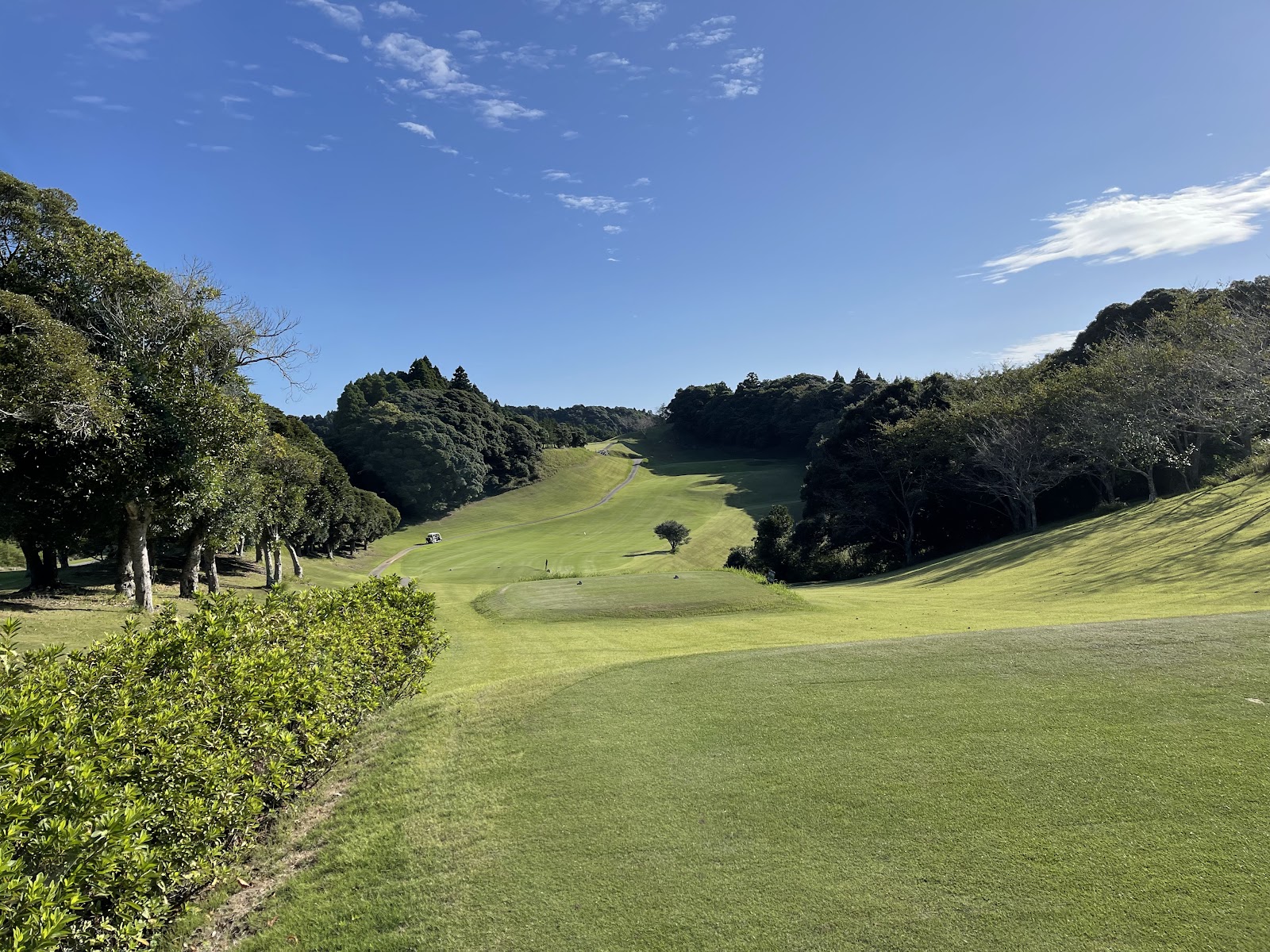
Katsuura Golf Club
Katsuura Golf Club is a 27-hole facility in Katsuura, Chiba Prefecture, made up of three separate 9-hole courses across hilly terrain. Green fees start at 7,585 yen on weekdays and 8,135 yen on weekends. The club is reached from JR Sotobo Line's Ohara Station, about a 25-minute taxi ride away, or by car via the Ken-O Expressway's Ichihara-Tsurumai Interchange, roughly 22.5 kilometers and 30 minutes from the club. With three 9-hole loops to combine, golfers can play 18 or 27 holes in a single visit, a format that suits groups wanting a longer day on the course or a shorter round when time is limited. The hilly routing across all three courses gives Katsuura Golf Club's holes changes in elevation typical of the coastal hill terrain found through this part of Chiba, within reach of both Ohara Station and the wider Boso Peninsula golf circuit accessible from the Ken-O Expressway.
View Course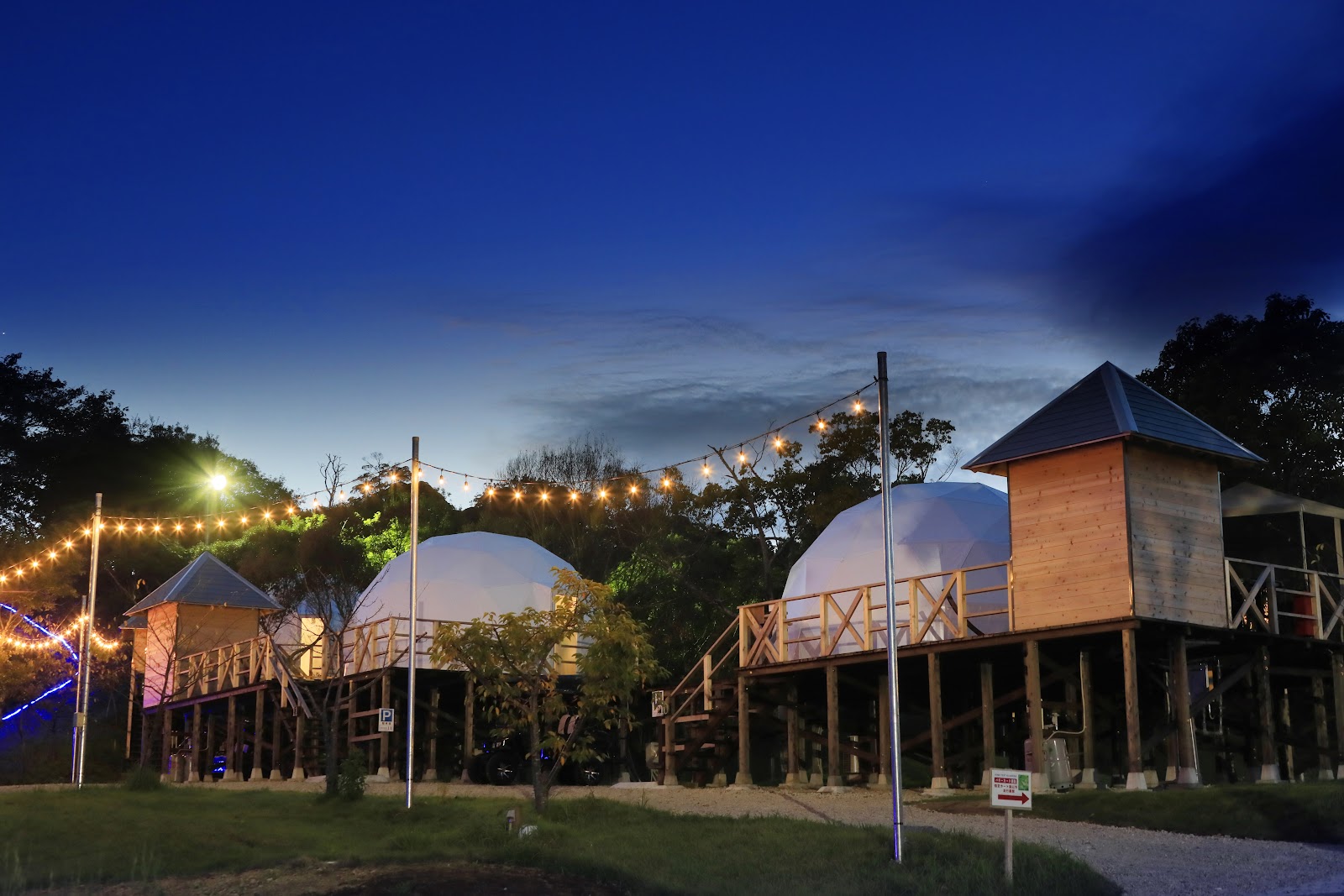
Camel Golf & Hotel Resort
Camel Golf & Hotel Resort is an 18-hole, par-72 course in Onjuku, Chiba Prefecture, opened in 1995 under the supervision of professional golfer Masashi 'Jumbo' Ozaki. The course plays to 6,628 yards in total, with a back-tee yardage of 6,660, across hilly terrain. Play is entirely self-service, with no caddies and riding carts provided for all-self-play rounds. The resort includes an onsen hot-spring bath, letting golfers soak after finishing 18 holes. Access is via JR Sotobo Line's Onjuku Station, about a 15-minute taxi ride from the course, or by car through the Ken-O Expressway's Ichihara-Tsurumai Interchange, roughly 35 minutes away. As part of a hotel resort property, Camel Golf & Hotel Resort pairs its Jumbo Ozaki-supervised layout with overnight accommodation, making it suited to golfers looking to combine a round in the Onjuku hills with a stay and an onsen soak rather than a single day trip from Tokyo.
View Course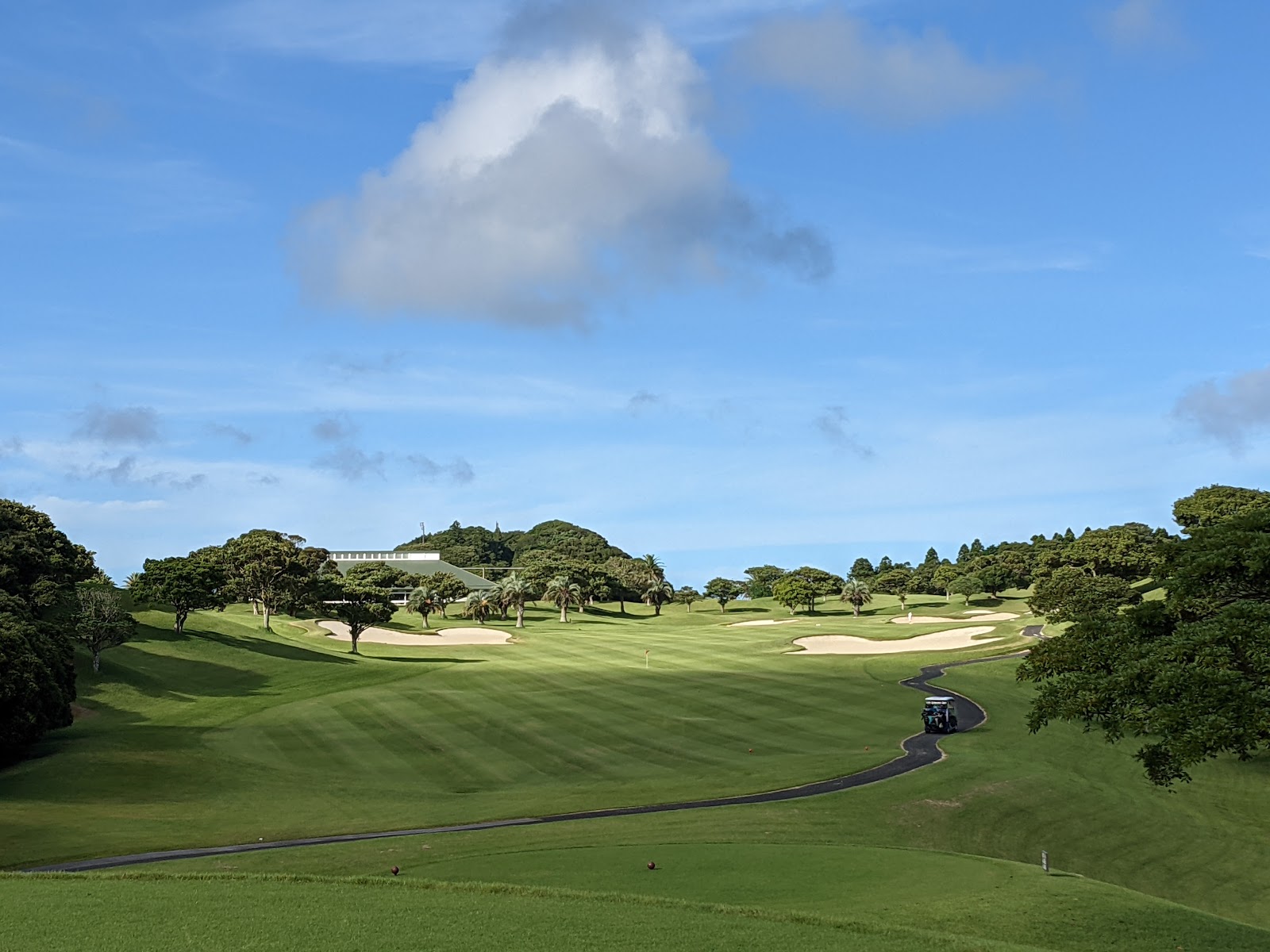
Ohara Oishuku Golf Course
Ohara Oishuku Golf Course is an 18-hole, par-72 course in Isumi, Chiba Prefecture, designed by architect Seiichi Inoue and opened in 1982. The layout plays to 6,862 yards from the back tees across hilly terrain, one of the longer courses among Chiba's Boso Peninsula golf properties. There is no caddy service; golfers use GPS-navigation riding carts that are permitted onto the fairways, allowing carts to be driven directly alongside play rather than restricted to cart paths. The course is reached from JR Sotobo Line's Ohara Station, about a 10-minute taxi ride costing roughly 2,800 yen, or by car via the Chiba-Togane Road's Togane Interchange, around 50 kilometers and 45 minutes away. Seiichi Inoue, one of postwar Japan's most prolific golf course architects, designed Ohara Oishuku Golf Course during the early 1980s expansion of golf development along the Boso Peninsula, and its hilly, 6,862-yard routing reflects the longer, more strategic style associated with his work.
View Course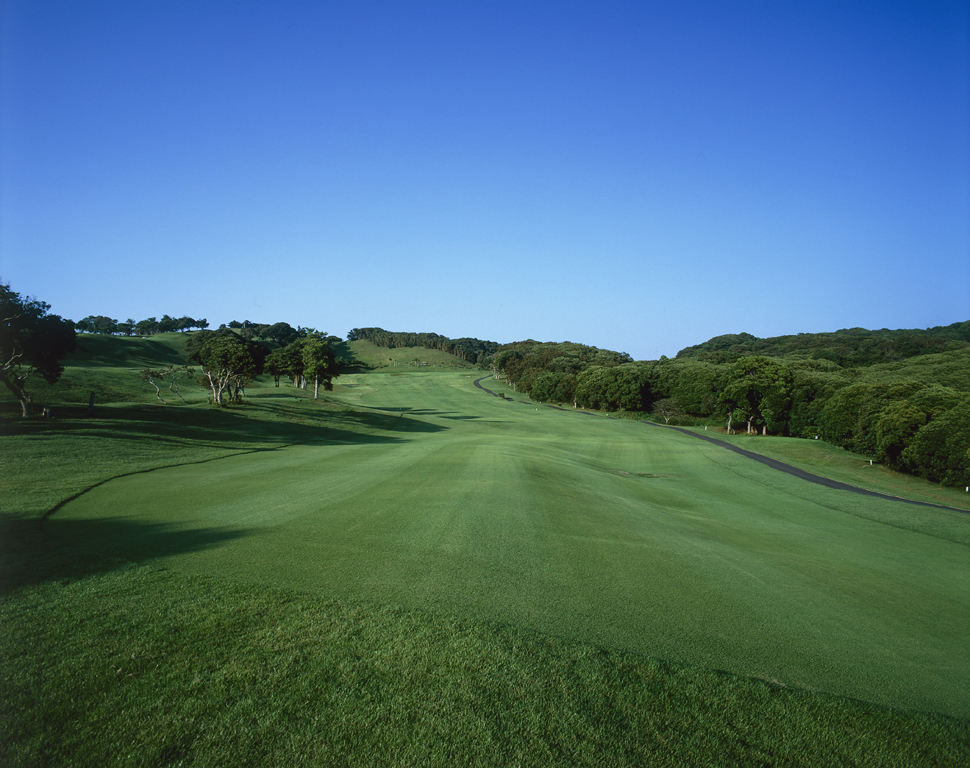
Bosu Country Club
Bosu Country Club is an 18-hole, par-71 course in Tateyama, Chiba Prefecture, laid out over hilly terrain. Designed by Seizo Tomizawa and opened in 1970, the course plays to a total yardage of 6,267 yards. Golfers reach the club by taxi, roughly 20 minutes from Tateyama Station on the JR Uchibo Line, or by car via the Futtsu-Tateyama Road's Tomiura interchange. The course operates without caddies, and play is supported by 4-seat riding carts equipped with GPS navigation. Weekday green fees start from 3,719 yen, with weekend rates from 4,173 yen. The club's address at 1128 Fujiwara, Tateyama, sits within reach of Chiba's southern coastline, making it a practical stop for golfers exploring the Tateyama area. With more than five decades of history since its 1970 opening, the course reflects the hilly-course design common to Chiba's southern peninsula courses of that era.
View Course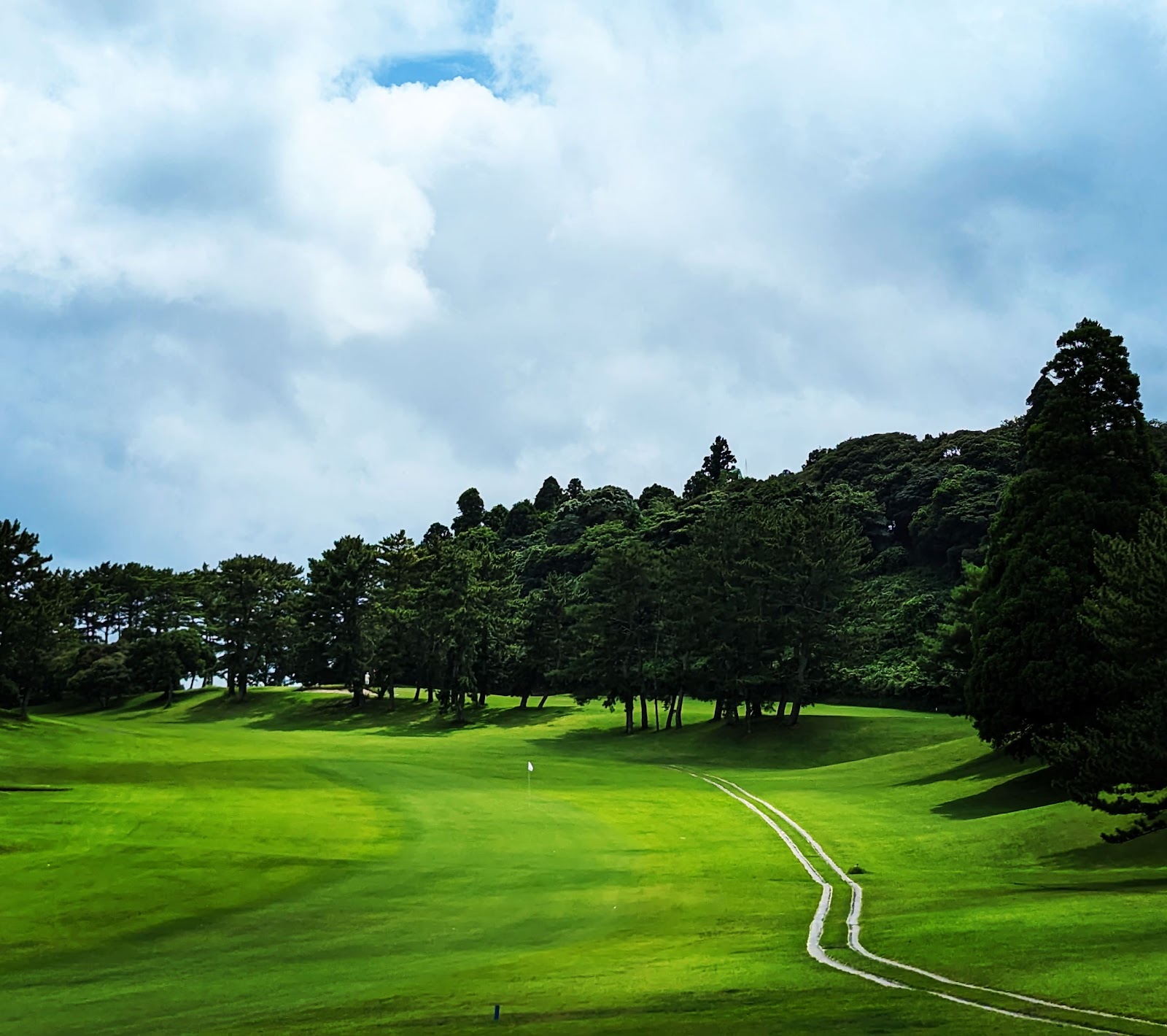
Ichinomiya Country Club
Ichinomiya Country Club is a 36-hole seaside facility in Ichinomiya, Chiba Prefecture, comprising two 18-hole courses each set to a par of 72. Designed by Tokusaburo Sawai and opened in 1972, the club sits near the Pacific coastline of the Boso Peninsula. Back-tee yardage runs to 6,717 yards. Golfers reach the club via a roughly 10-minute club bus ride from Kazusa-Ichinomiya Station on the JR Sotobo Line. The course operates without caddies, and players choose between self-drive riding carts or remote-control cart-and-bag carts for each round. With two courses under one clubhouse, Ichinomiya Country Club offers 36 holes of coastal golf within a single visit, drawing on more than five decades of operation since opening in 1972. Its seaside setting and dual-course layout distinguish it among Chiba's golf facilities, particularly for groups wanting a full day of golf without changing venues.
View Course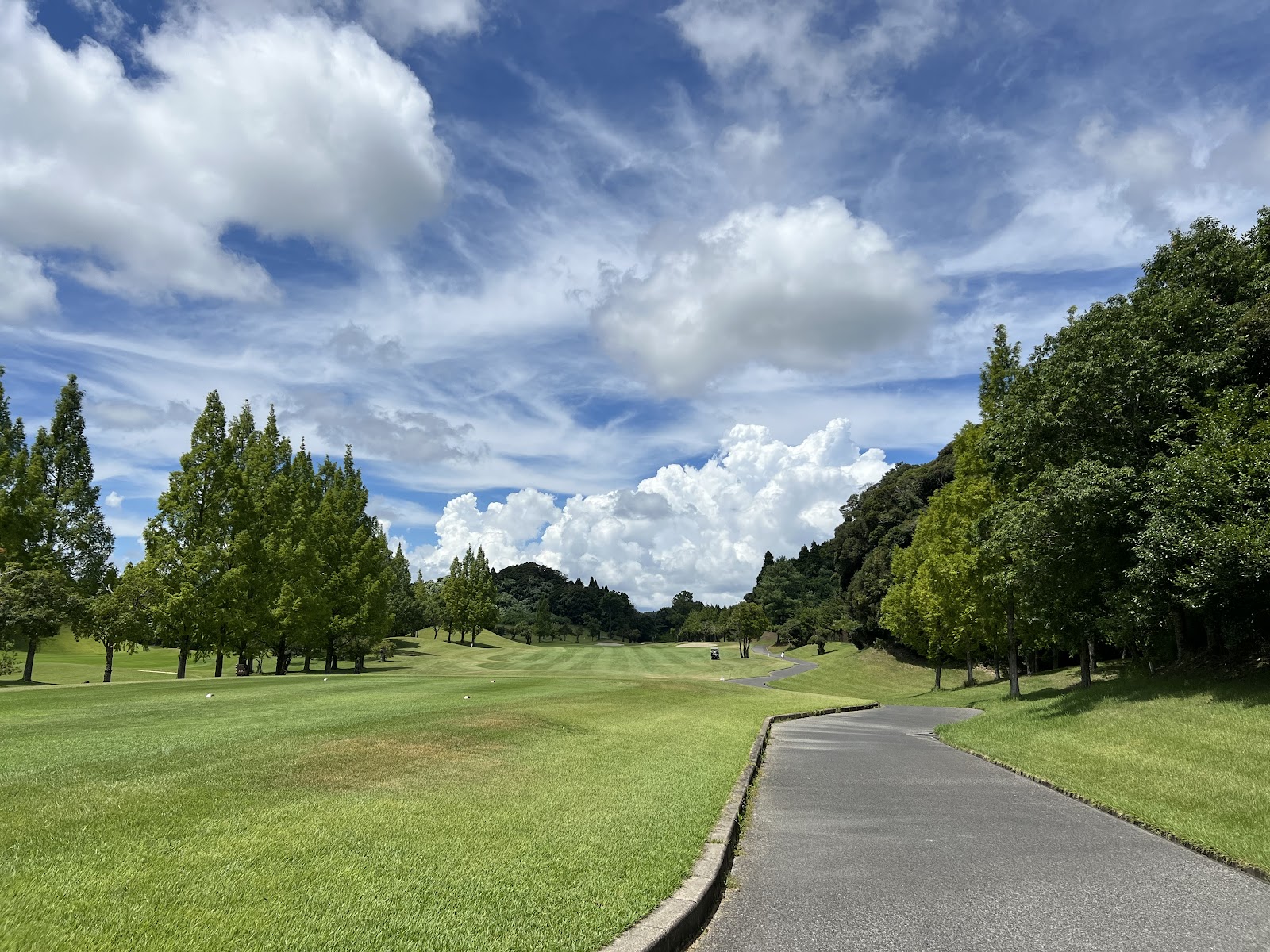
Marunouchi Club
Marunouchi Club is an 18-hole, par-72 course set on hilly terrain in Nagara, Chiba Prefecture. The course was designed by the Taiyo Ryokka design department and opened in 1996, playing to 6,713 yards from the back tees. Access is by car via the Ken-O Expressway's Mobara-Nagara Smart IC, about 3 minutes from the course, with the Mobara-Chonan IC also within a 10-kilometer radius. The club operates without caddies, giving golfers a self-paced round through its hilly layout. As one of the newer courses in the Nagara area, having opened in 1996, Marunouchi Club reflects a more contemporary design era than many of its neighboring Chiba clubs from the 1960s through 1980s. Its location near the Ken-O Expressway makes it a convenient stop for golfers driving through central Chiba, with the smart interchange placing the clubhouse within minutes of the highway.
View Course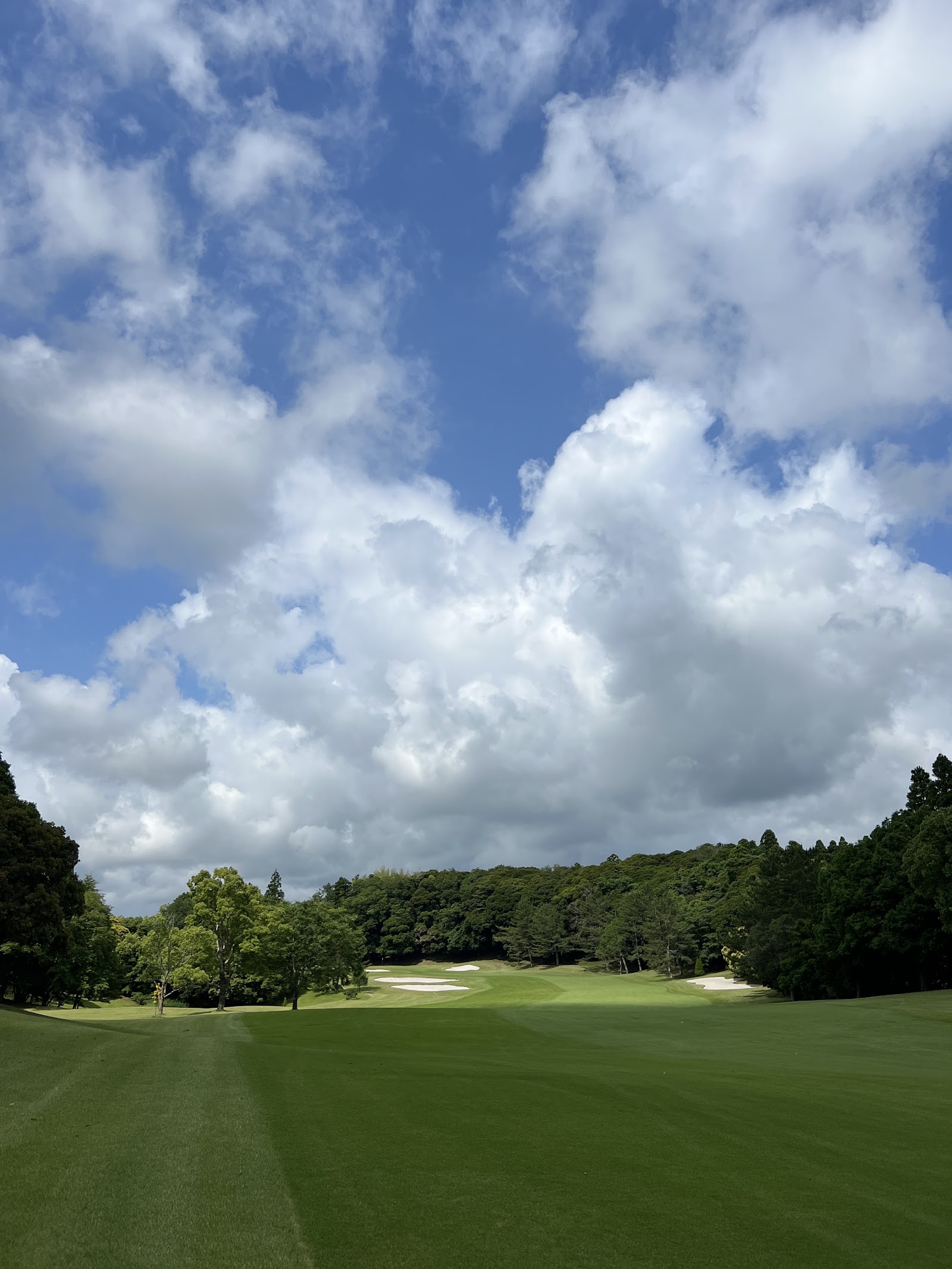
Mobara Country Club
Mobara Country Club is an 18-hole course set on hilly terrain in Mobara, Chiba Prefecture. It was designed by Kazuke Izumi, with course supervision by Koukichi Yasuda and Shiro Kawamura, and advisory input from professional golfer Isao Aoki. The club opened in 1987. Golfers can reach the course from Mobara Station on the JR Sotobo Line. Par and yardage figures are not listed in available records, though the hilly routing and 1987 opening place it within Chiba's later wave of course development. The involvement of Isao Aoki as an advisor connects the course to one of Japan's best-known professional golfers, a detail that distinguishes Mobara Country Club's design pedigree among Chiba clubs. Its location near Mobara Station gives golfers a rail-accessible option in the Mobara area of the Boso Peninsula, an area otherwise dominated by car-access-only courses.
View Course
Shin-Chiba Country Club
Shin-Chiba Country Club is a 54-hole hilly course complex located in Togane, Chiba Prefecture, comprising three separate courses that play to a par of 72. The hilly terrain runs through the club's grounds in Ienoko, Togane, giving rounds a mix of elevation change across the fairways. Play is by riding cart, and during the summer season the club extends fairway driving privileges to weekends and public holidays in addition to weekdays, a detail that matters for pace of play on a course this large. With three courses on one site, Shin-Chiba Country Club can host a high volume of golfers without the crowding common at single-course clubs, making it a practical option for groups or repeat rounds in a single visit. The club sits in the Togane area of Chiba, within the inland golf belt of the Boso Peninsula, and its scale makes it one of the larger course complexes in the prefecture.
View Course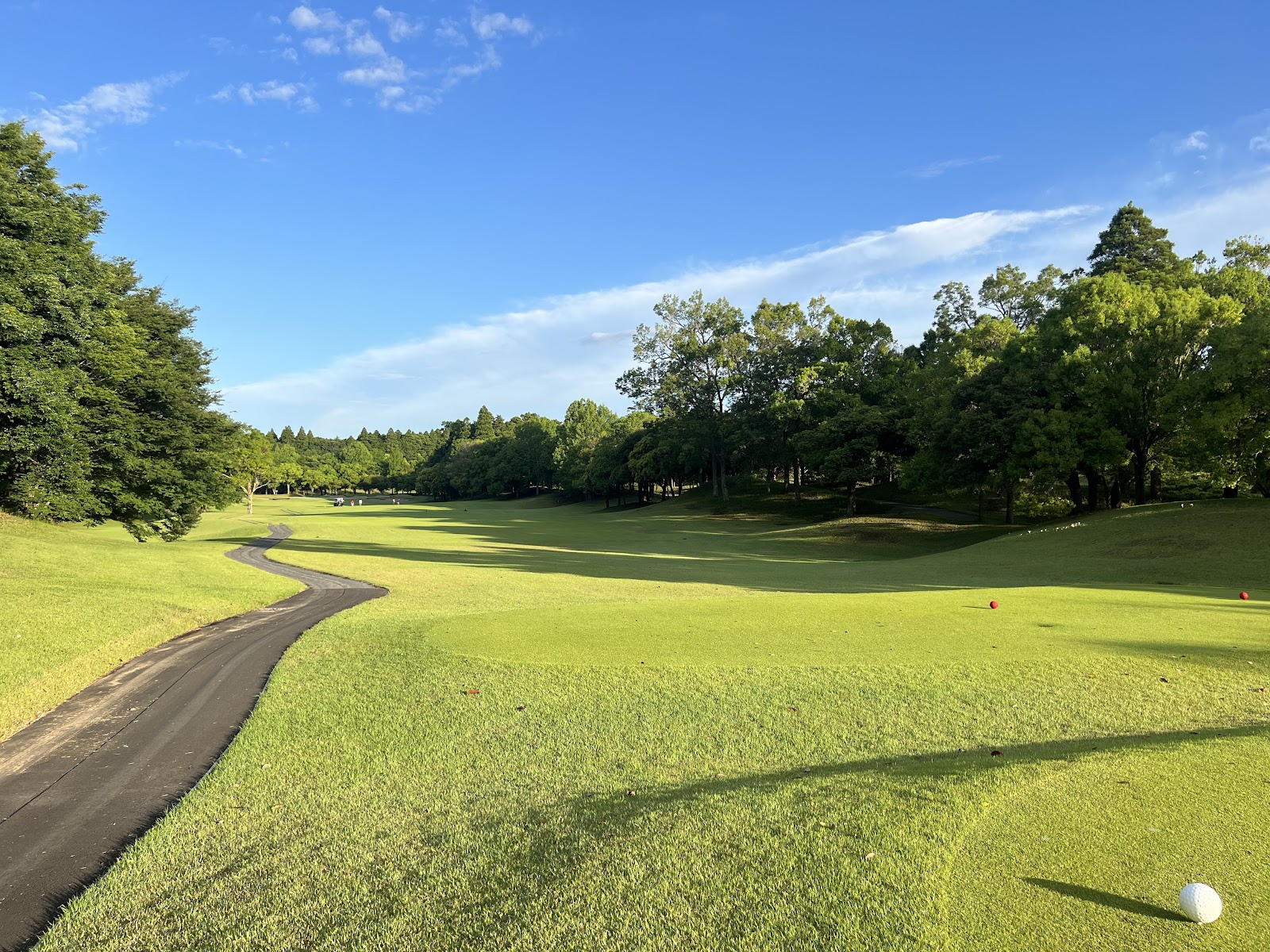
Higashi-Chiba Country Club
Higashi-Chiba Country Club is a 36-hole woodland course in Togane, Chiba Prefecture, designed by Toshio Suzuki and opened in 1977. The layout is split into two 18-hole courses that together play to a par of 144, set among wooded terrain typical of the inland Boso Peninsula. Caddies are optional, giving golfers the choice between a caddied round or a self-guided one, and the club runs self-driving five-seat riding carts across both courses. After the round, players can use the on-site bath facility. The club is reached from JR Sotobo Line's Oami Station, about 20 minutes away by car, and sits close to the Chiba Togane Road and Ken-O Expressway's Togane Interchange, roughly 2 kilometers from the clubhouse. That combination of expressway access and nearly five decades of operating history makes Higashi-Chiba Country Club a long-standing fixture among the woodland courses clustered around Togane.
View Course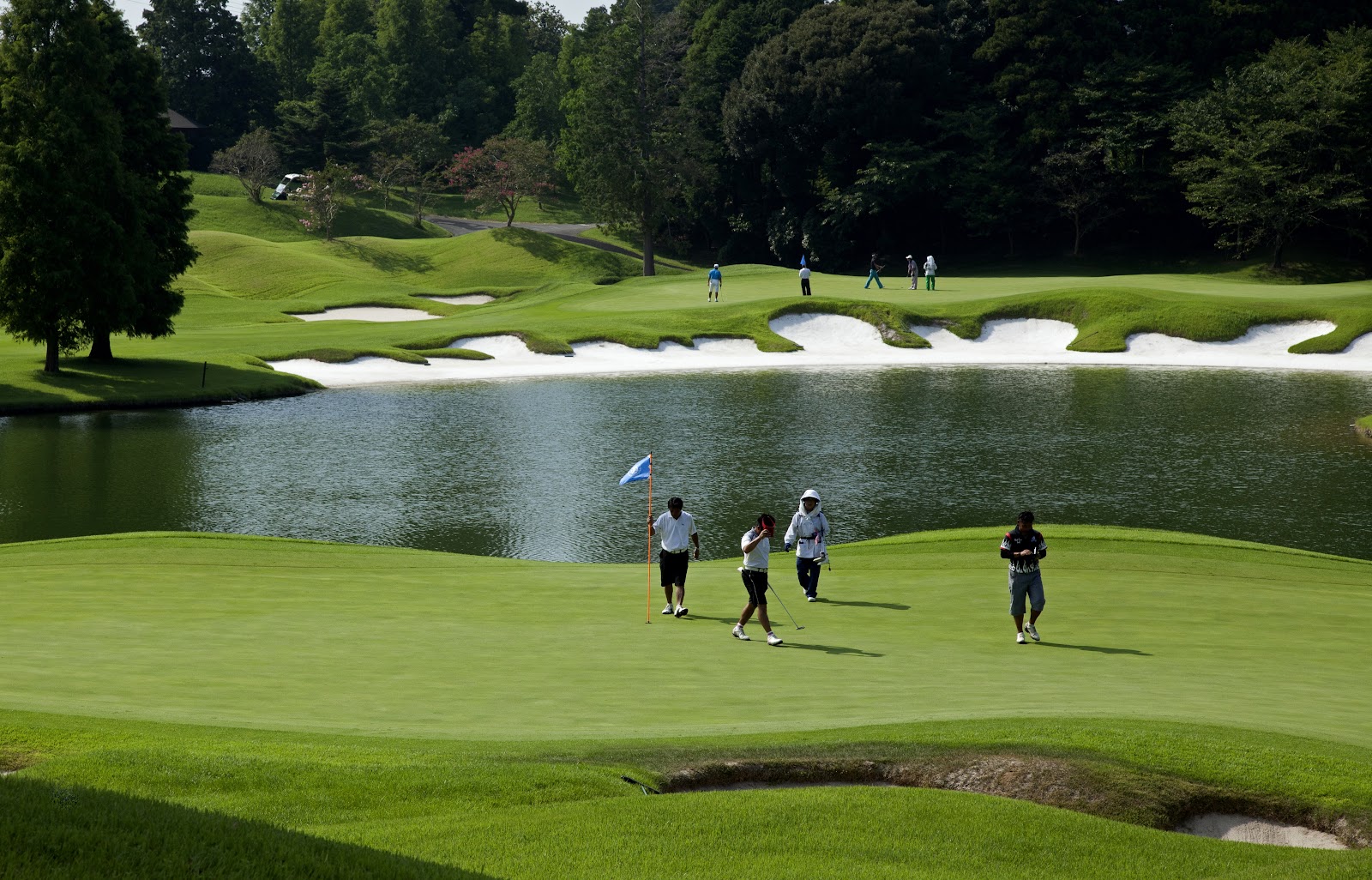
Caledonian Golf Club
Caledonian Golf Club is an 18-hole, par-72 course in Yokoshibahikari, Sanbu District, Chiba Prefecture, designed by American architect J. Michael Poellot and opened in 1990. From the back tees the course measures 7,144 yards, a length that places it among the longer layouts in the region and reflects Poellot's design approach on this site. The course occupies a single 18-hole layout rather than being part of a multi-course complex, which keeps the routing self-contained. Caledonian Golf Club sits in Nagakura, an inland part of Yokoshibahikari on the Boso Peninsula in Chiba, an area with a concentration of golf courses built during Japan's late-1980s and early-1990s course-development boom. The yardage and 1990 opening date place Caledonian Golf Club firmly in that generation of courses designed with championship-length back tees for a more demanding test than many older Japanese clubs.
View Course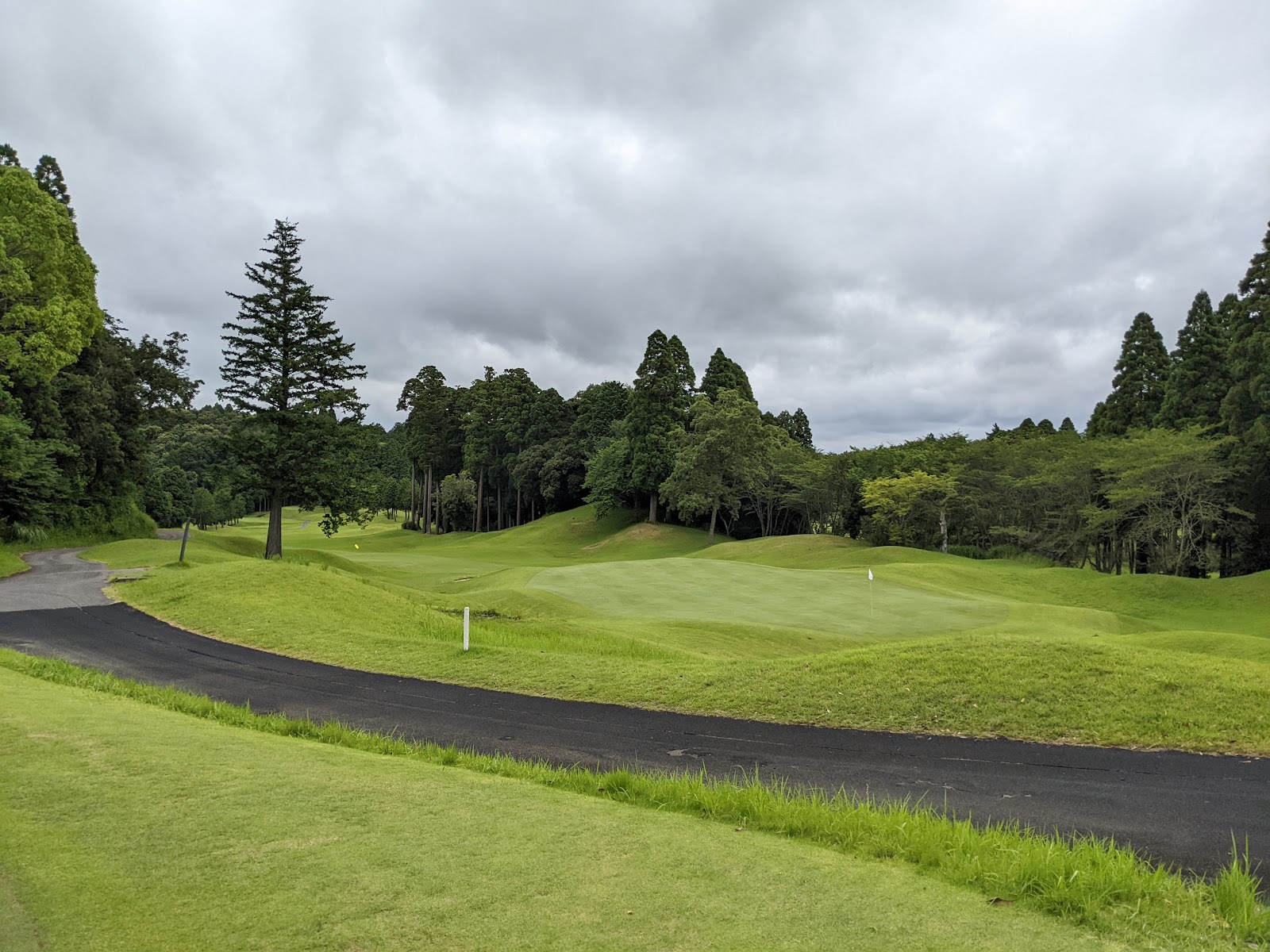
Laforet & Matsuo Golf Club
Laforet & Matsuo Golf Club is an 18-hole, par-72 woodland course in Matsuo, Sanmu City, Chiba Prefecture, opened in 1993. The course plays 6,182 yards, extending to 6,561 yards from the back tees, and runs through wooded terrain typical of the inland courses around Sanmu. Carts are equipped with iPad-based golf navigation systems, giving players yardage and hole information as they move around the course. Access is notably direct: the club is roughly 0.8 kilometers, about a 2-minute drive, from the Matsuo-Yokoshiba Interchange on the Ken-O Expressway, making it one of the more expressway-convenient courses in this part of Chiba. For golfers arriving by train, the nearest station is Naruto on the JR Sobu Main Line, about a 15-minute taxi ride from the club. Between its 1993 opening, woodland layout, and iPad-equipped carts, Laforet & Matsuo Golf Club pairs an established course with more recent on-course technology.
View Course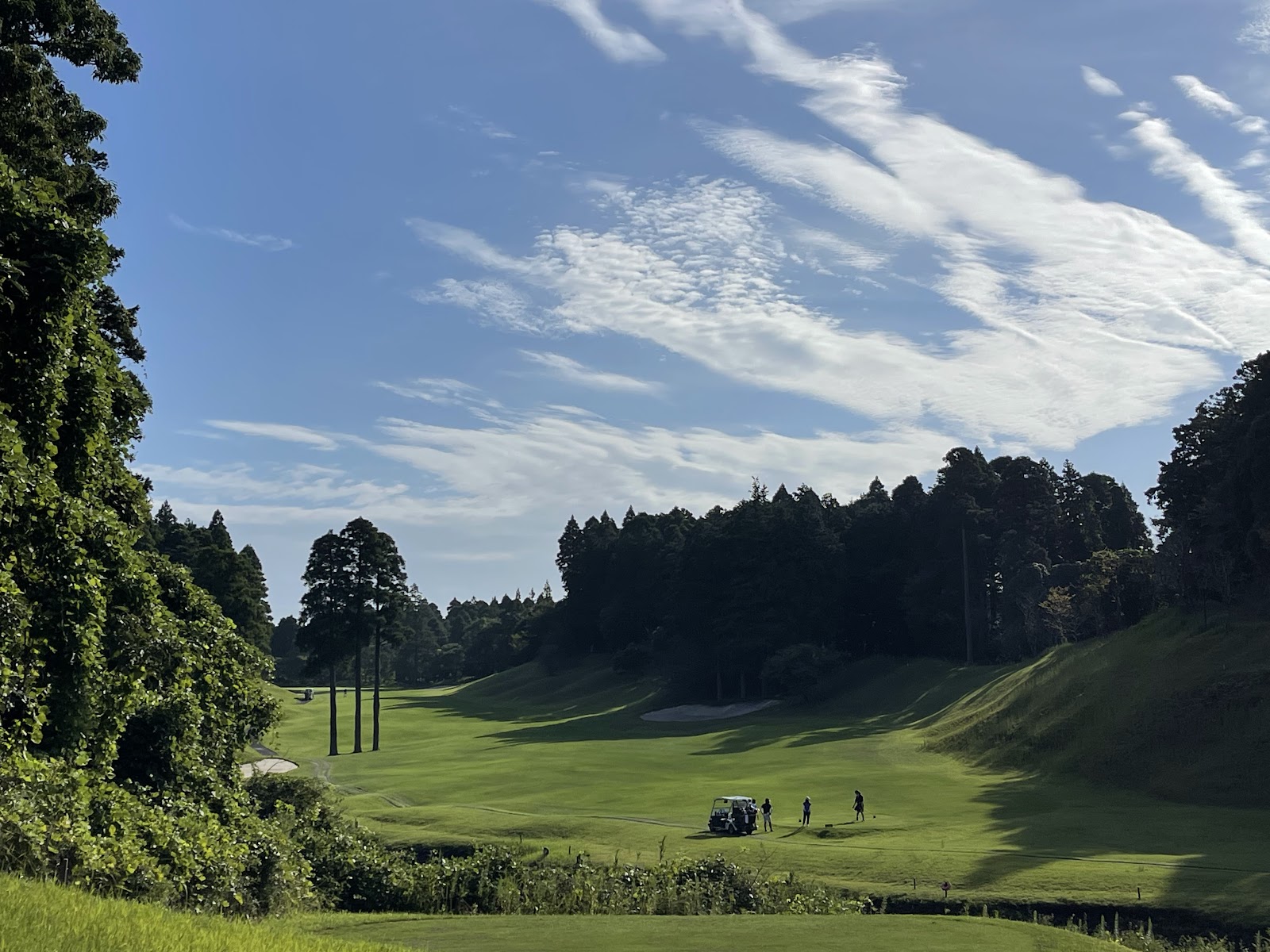
Yamada Golf Club
Yamada Golf Club is an 18-hole, par-72 course in Sammu, Chiba, opened in 1996. Built by Yamada Chiken Co., Ltd., the woodland layout plays to 7,010 yards from the back tees, giving it length that rewards accurate ball-striking off the tee. The course sits inland from the Kujukuri coast in a wooded section of Sammu, with fairways cut through mixed forest typical of the Boso Peninsula's inland courses. Access is straightforward for visitors: the course is roughly a 10-minute taxi ride from JR Naruto Station on the Sobu Main Line, and about 7 minutes by car from Matsuo-Yokoshiba IC on the Chiba-Togane Road and Ken-O Expressway. Players can walk or ride, with a caddy available on request or self-navigation with a riding cart for those who prefer to play at their own pace. The combination of tour-length yardage and forest terrain makes it a solid test for golfers looking for a fuller round in the Chiba countryside.
View Course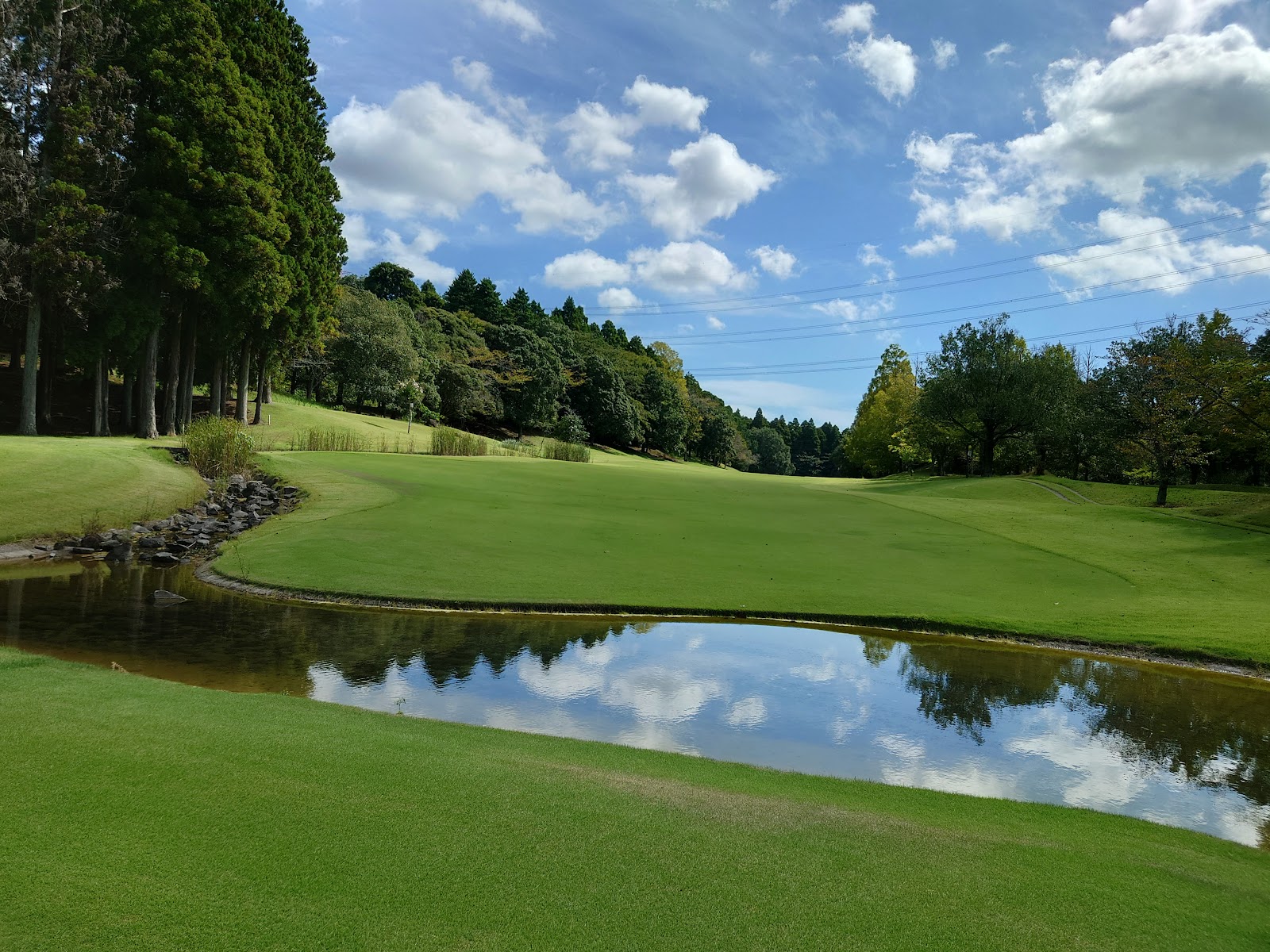
Sanmu Green Country Club
Sanmu Green Country Club is an 18-hole, par-72 hilly course in Sammu, Chiba, opened in 1994. Designed by Koukichi Yasuda and Shiro Kawamura, the course plays 6,756 yards from the back tees over rolling terrain typical of the Sammu hills. It sits directly off the Sammu-Naruto IC, roughly a 3-minute drive from the interchange, making it one of the more convenient hilly courses in the area for visitors arriving by car. Green fees start at 16,800 yen on weekdays and 25,800 yen on weekends. Golfers can ride in four-bag carts, with caddy service available on request for those who want local course knowledge on the hillier holes. After the round, the clubhouse has an onsen-style bath for players to unwind in. The combination of direct expressway access, moderate yardage, and an onsite bath makes Sanmu Green Country Club a practical stop for a day of golf in inland Chiba.
View Course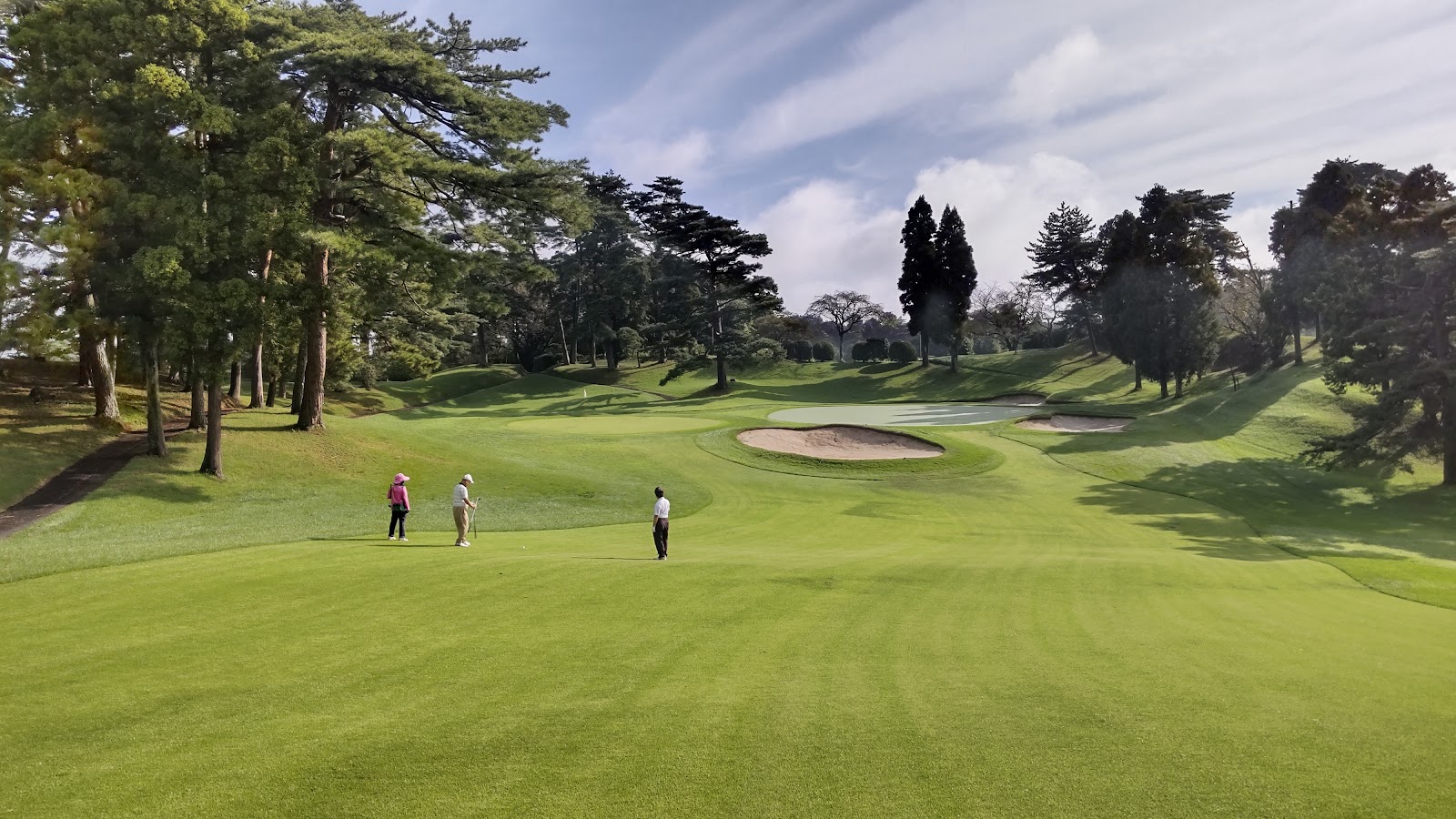
Sakura Country Club
Sakura Country Club is an 18-hole, par-72 hilly course in Sakura, Chiba, opened in 1968. Designed by Seizo Tomizawa, the course plays 6,673 yards from the back tees across rolling ground, making it one of the longer-established hilly layouts in the Chiba area. Its most notable feature for visitors without a car is location: the course is just a 5-minute walk from Keisei-Sakura Station, an unusually short and walkable access route for a golf course in the region. Play is supported by electromagnetic-guided riding carts that follow the cart path automatically, and caddy service is available on request. After the round, players can use the onsite onsen-style bath. With more than five decades of history and rail access on foot, Sakura Country Club offers a straightforward day trip for golfers based in central Chiba or Narita without needing to rent a car.
View Course
Numakami Golf Forest Course
Numakami Golf Forest Course is a 9-hole, par-27 woodland course in Kashiwa, Chiba, playing 948 yards. It's a compact, walkable layout set among trees, suited to a short round rather than a full 18-hole day. The course is about 20 minutes by car from Kashiwa IC on the Joban Expressway, making it a reachable stop for golfers driving out from central Chiba or Tokyo. There's no caddy service here; play is entirely self-guided, and there's no riding cart on offer, so golfers walk the course carrying or pulling their own clubs. Green fees are 3,250 yen on weekdays and 4,850 yen on weekends, among the more affordable rates in the region for a round of golf. With its short par-27 routing and no-frills format, Numakami Golf Forest Course works well as a quick practice round or an introduction to golf for visitors short on time.
View Course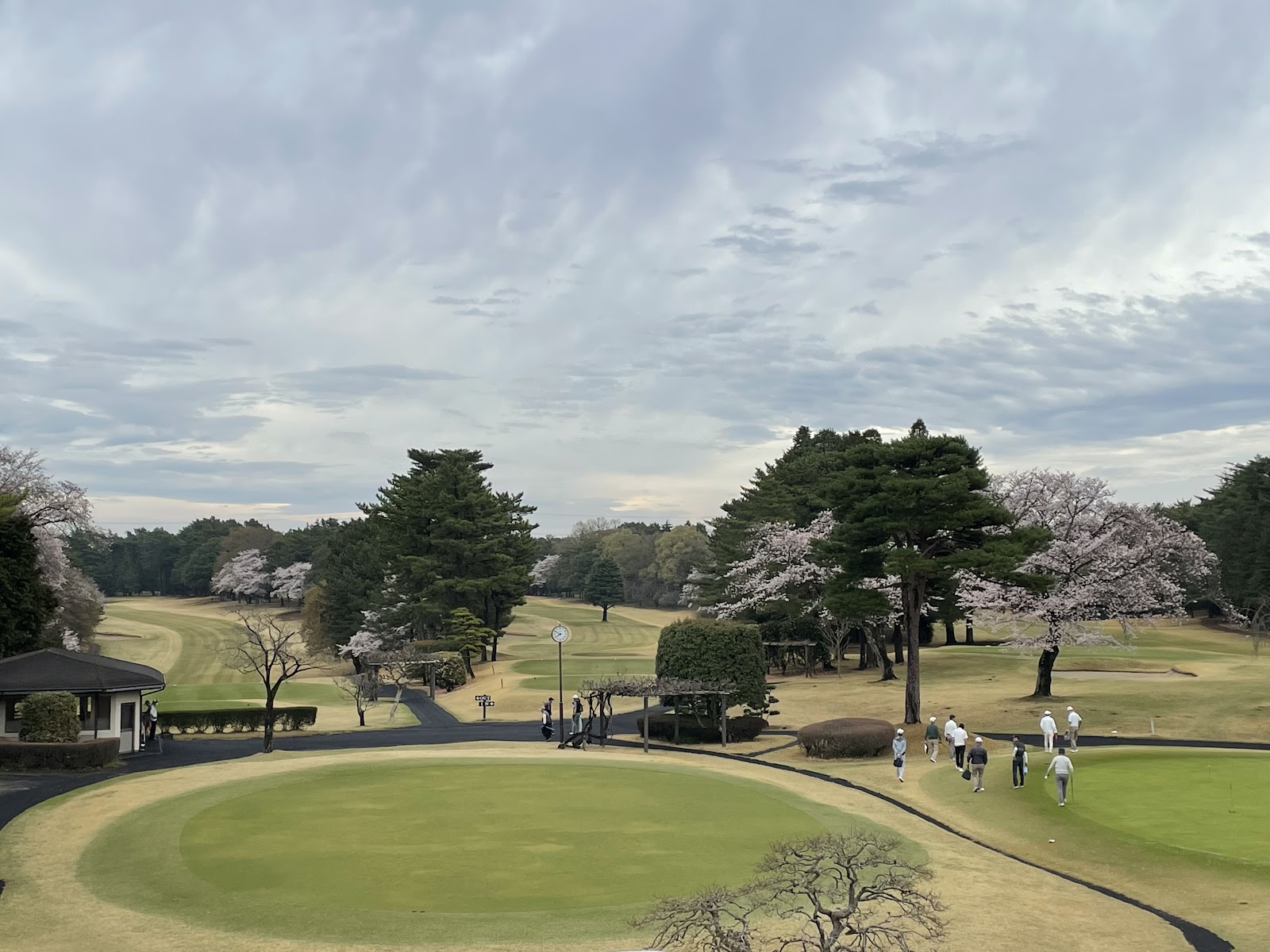
Fujigaya Country Club
Fujigaya Country Club is an 18-hole, par-72 course in Kashiwa, Chiba Prefecture, laid out over hilly terrain across a total yardage of 6,884 yards. The course was designed by Seizo Tomizawa and opened in 1961, making it one of the established clubs in the Kashiwa area. Play here is caddy-required, with rounds carried on 5-seat electromagnetic-guided riding carts that follow a fixed track around the course. Access from central Tokyo is straightforward: a club bus runs from Kashiwa Station, served by the JR Joban Line and Tobu Noda Line, in about 25 minutes, and drivers can reach the club in roughly 11 minutes from Kashiwa IC on the Joban Expressway. Green fees start from 21,550 yen on weekdays and 36,620 yen on weekends, putting the club in the mid-to-upper range for courses within commuting distance of Tokyo. The hilly routing and caddy service point to a traditional Japanese club experience rather than a resort-style layout.
View Course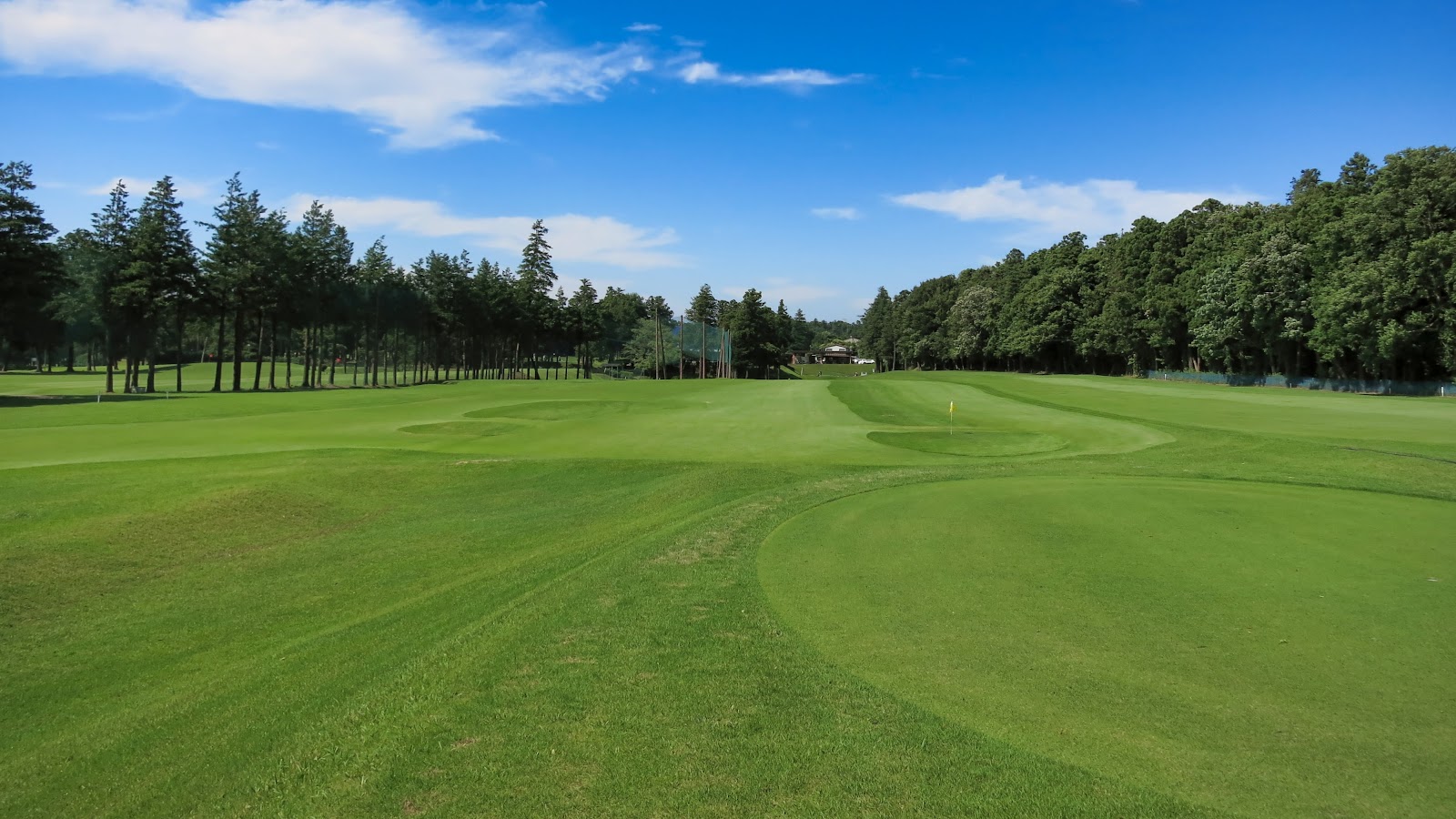
Kokusai Ladies Golf Club
Kokusai Ladies Golf Club is an 18-hole, par-72 course in Yachiyo, Chiba Prefecture, with a total yardage of 4,695 yards, the same distance played from the back tees. No architect or opening year is recorded for the course. It is reached by taxi in about 10 minutes from either Yachiyo-midorigaoka Station on the Toyo Rapid Railway or Komuro Station on the Hokuso Railway; no club bus service is listed. By car, the course is roughly 13 km from Chiba-kita IC on the Higashi-Kanto Expressway or about 15 km from Hanawa IC on the Keiyo Road. Green fees are among the lowest recorded in the area, starting from 2,550 yen on weekdays and 3,990 yen on weekends. The shorter overall yardage for a par-72 layout makes this a course suited to golfers looking for a quicker, lower-cost round rather than a championship-length test.
View Course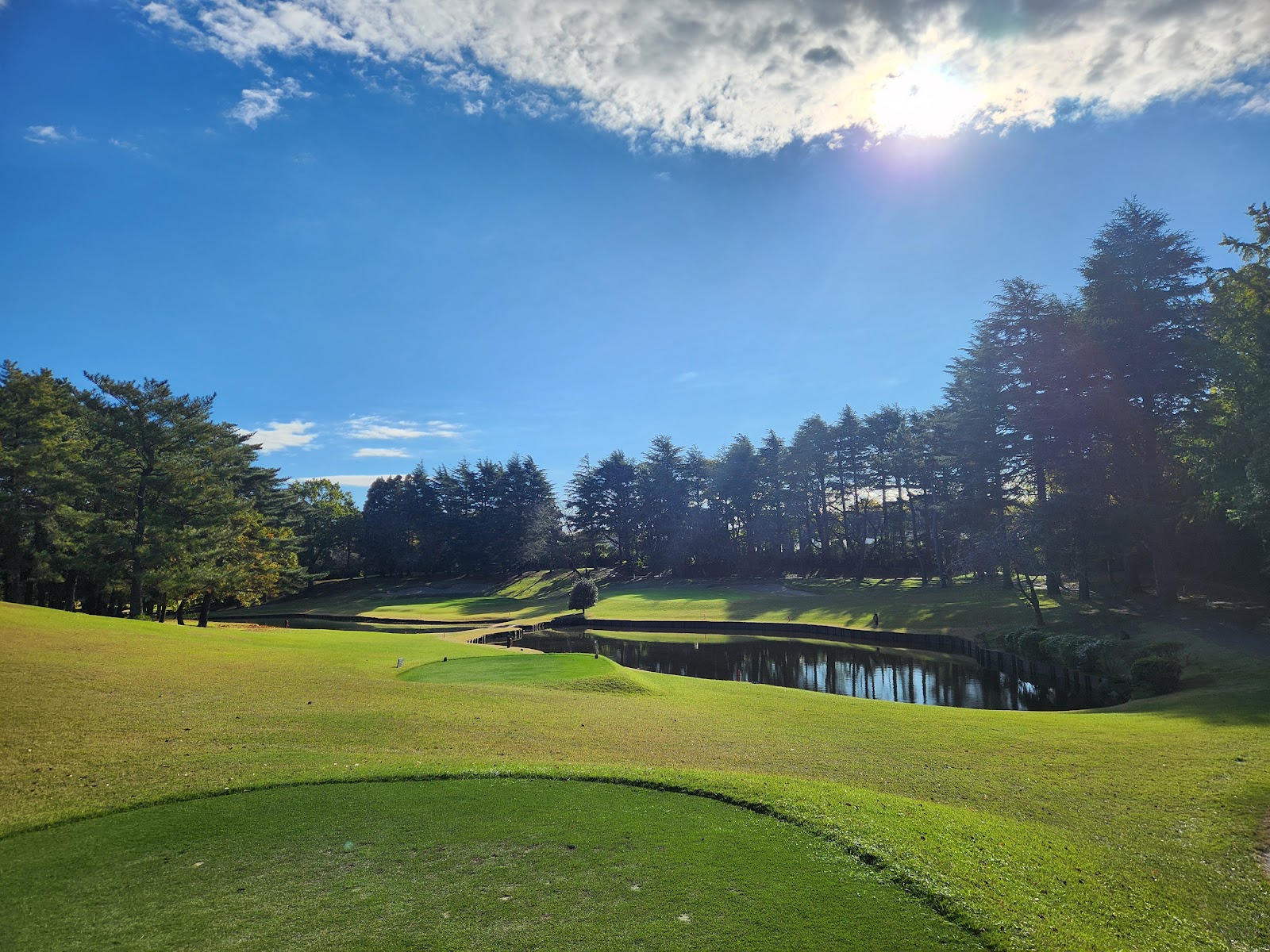
Nakayama Country Club
Nakayama Country Club is an 18-hole, par-72 course located at 1299 Kuwahashi, Yachiyo, Chiba Prefecture. The club opened in 1961. Total yardage, course type, and the course architect are not recorded in the available data. Golfers can reach the club by a club bus from Yachiyo-midorigaoka Station on the Toyo Rapid Line, and by car via Chiba-kita IC on the Higashi-Kanto Expressway. No caddy service, cart type, or green-fee information is listed for Nakayama Country Club. Golfers planning a visit should contact the club directly to confirm current playing conditions, cart and caddy arrangements, and pricing before booking a round, since this information is not publicly recorded for the course.
View Course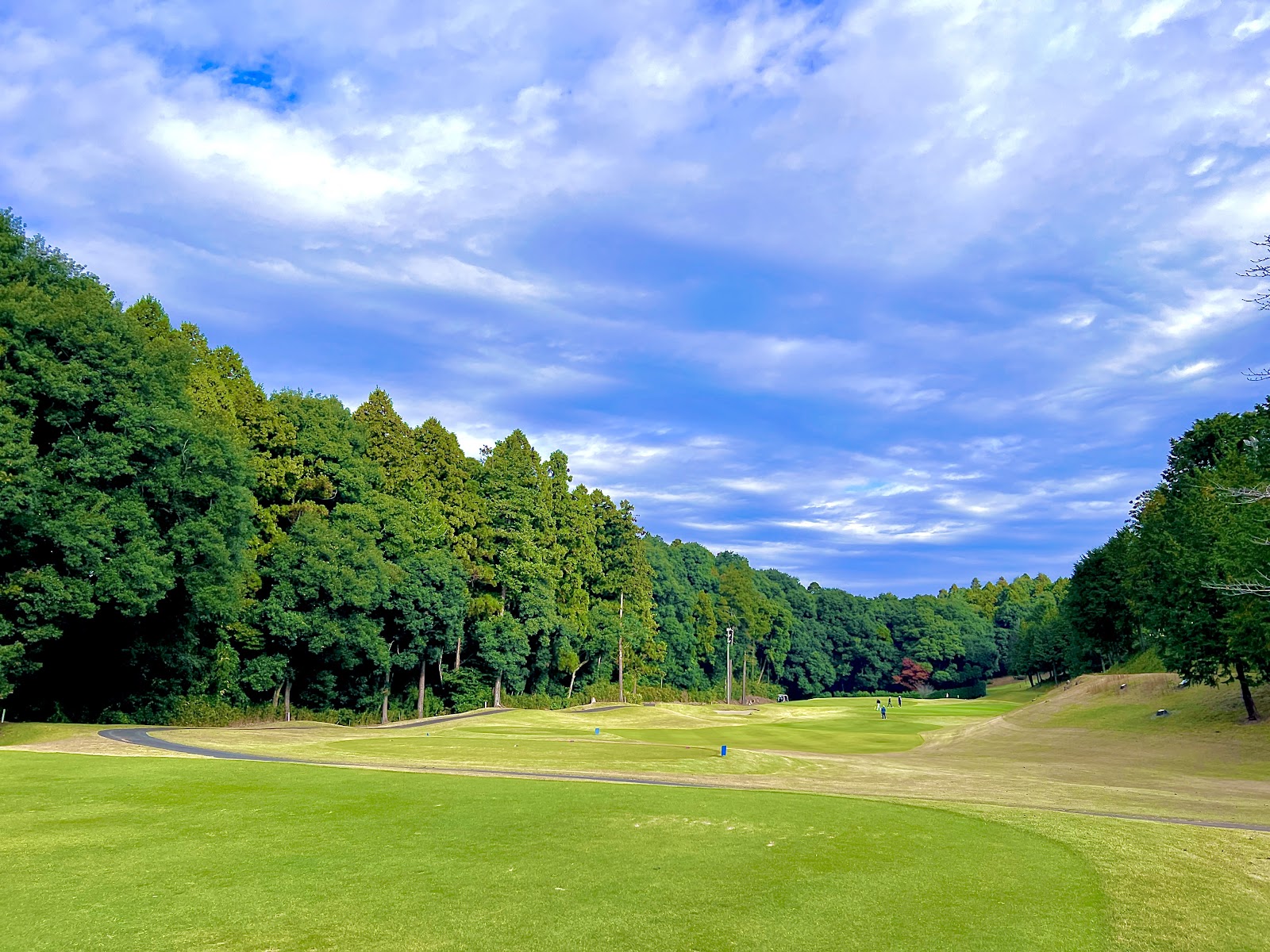
Narita no Mori Country Club (PMG)
Narita no Mori Country Club, part of the PMG group, is an 18-hole, par-72 hilly course in Katori City, Chiba Prefecture, with a back-tee yardage of 6,681 yards. The course was designed by Sho Okubo and sits in the Yamakura area of Katori City, roughly 10 kilometers from the Taiei interchange on the Higashi-Kanto Expressway. Golfers here play self-play golf, riding navigation-equipped remote-control carts around the course rather than using a caddy, which keeps the pace of play in the golfer's own hands. The hilly layout runs through inland Katori, within reach of the Narita area for golfers combining a round with travel through eastern Chiba. No green fee or opening year is listed in available records, so visitors should check current rates and course history directly with the club before booking a tee time.
View Course
Katsuura Tokyu Golf Course
Katsuura Tokyu Golf Course is an 18-hole, par-72 course located in Katsuura, Chiba Prefecture, and designed by Chohei Miyazawa. From the back tees the course measures 6,615 yards. Golfers here use 4-person self-driving carts equipped with GPS navigation, letting players move around the course at their own pace rather than following a caddy. The club is reachable from JR Sotobo Line's Katsuura Station in about 15 minutes by car or club bus, a distance of roughly 6.5 kilometers, and it sits about 30.3 kilometers from Ichihara-Tsurumai IC on the Ken-O Expressway. The course's exact opening year and terrain type are not listed in available records, but its self-drive GPS cart system marks a departure from the caddy-led format found at many older Japanese clubs, and its Sotobo Line access makes it reachable by train and car connection from central Chiba.
View Course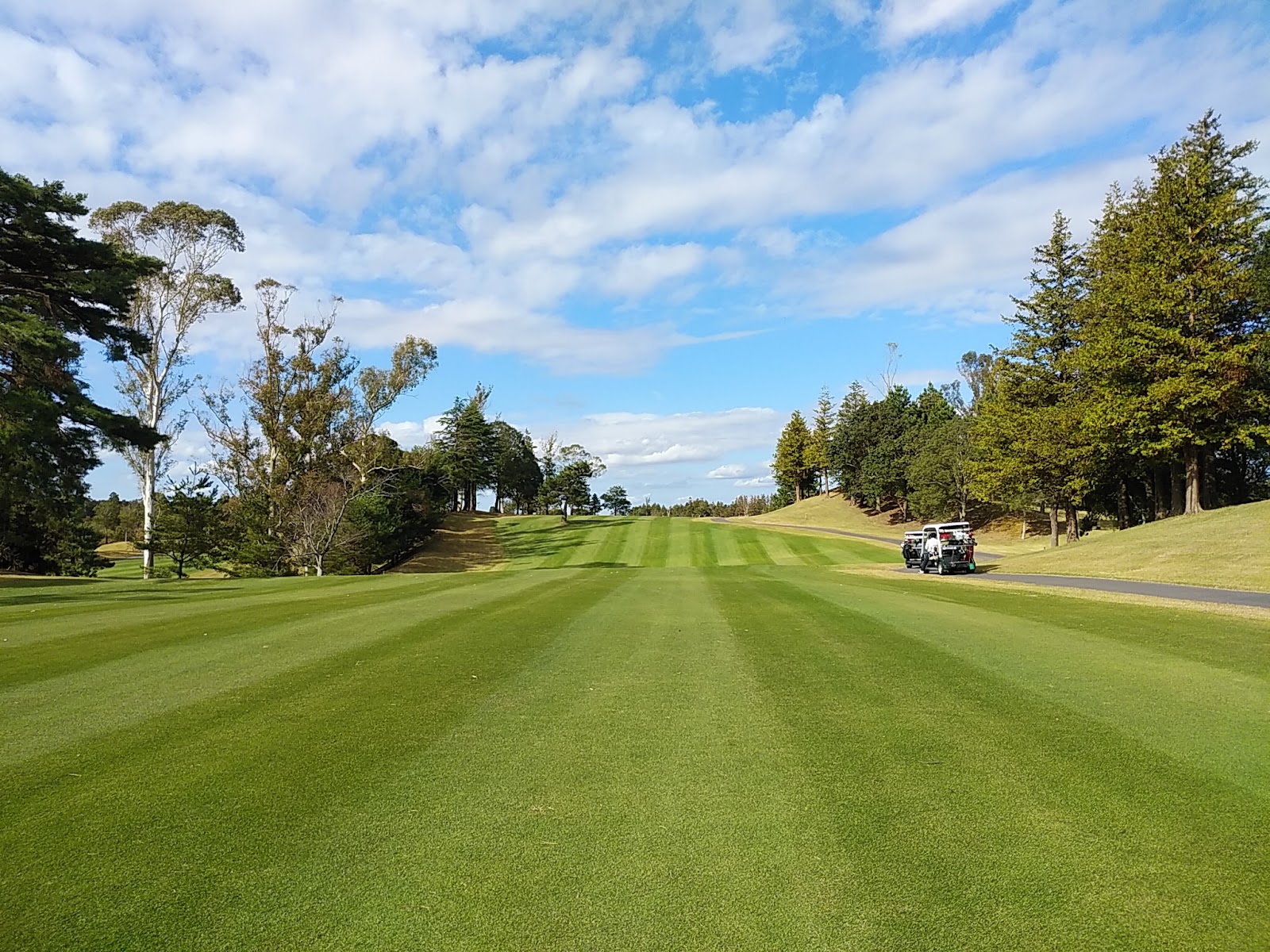
Kasco Hanaha Club
Kasco Hanaha Club is a 45-hole riverside golf facility in Narita, Chiba Prefecture, opened in 2014. The complex comprises five separate nine-hole courses, with three designed by Jim Fazio and two designed by Ching-Shui Chen and Seizo Tomizawa. Each course carries a par of 36, and one measured course has a back-tee yardage of 3,335 yards. The club is located at 1261-1 Saruyama, Narita, Chiba Prefecture, on riverside terrain. Access details such as nearest station or expressway interchange are not published for this facility. With five distinct nine-hole courses on a single riverside site, Kasco Hanaha Club offers golfers a choice of routings without needing to travel between separate properties. Green fee pricing, caddy service, cart type, and bath or onsen facilities are not listed in the available course data; visitors should confirm these directly with the club before booking. Opened in 2014, the facility is one of the larger multi-course golf complexes in Chiba Prefecture.
View Course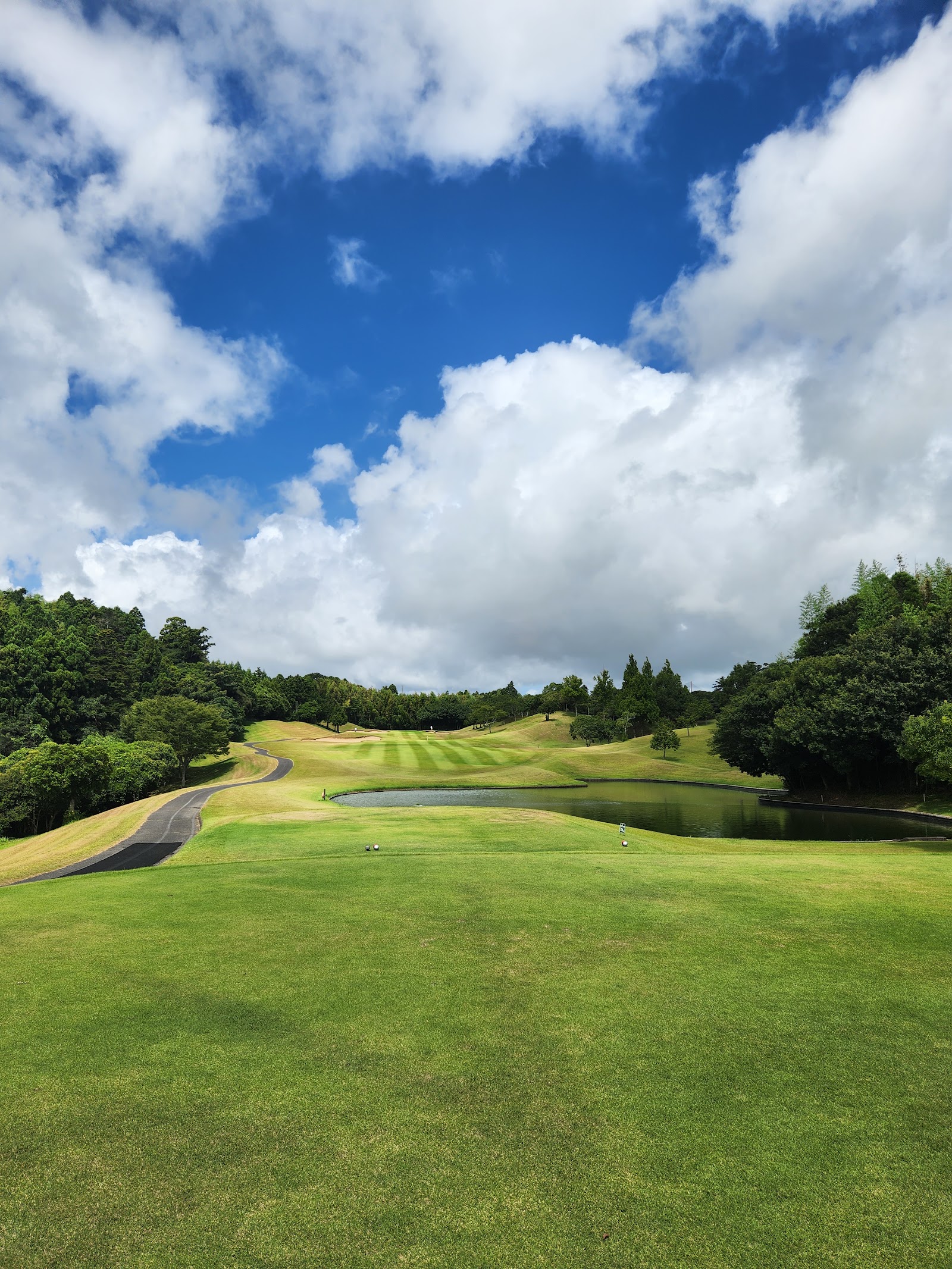
Tonosho Golf Club
Tonosho Golf Club sits in Higashiwada, Tonosho, Katori District, Chiba Prefecture, on a hilly layout of 18 holes at par 72. The course opened in 1997 and stretches to 7,021 yards from the back markers, giving it length that rewards accurate long-game play across its rolling terrain. Design work is credited to Hideo Takemura, with supervision from Fujio Ishii, a pairing that shaped the routing through the property's natural elevation changes. Caddy service is optional, so golfers can choose a caddied round or walk the course with a cart. The club runs riding carts as standard, and a limited fleet of four "Cool Fan" carts, fitted with built-in cooling fans, is available for players seeking extra comfort in warmer conditions. As a single-course facility in the Chiba region, Tonosho offers a straightforward day-trip option for golfers based in the greater Tokyo area, combining a full-length par-72 test with the hilly character typical of courses in this part of Chiba.
View Course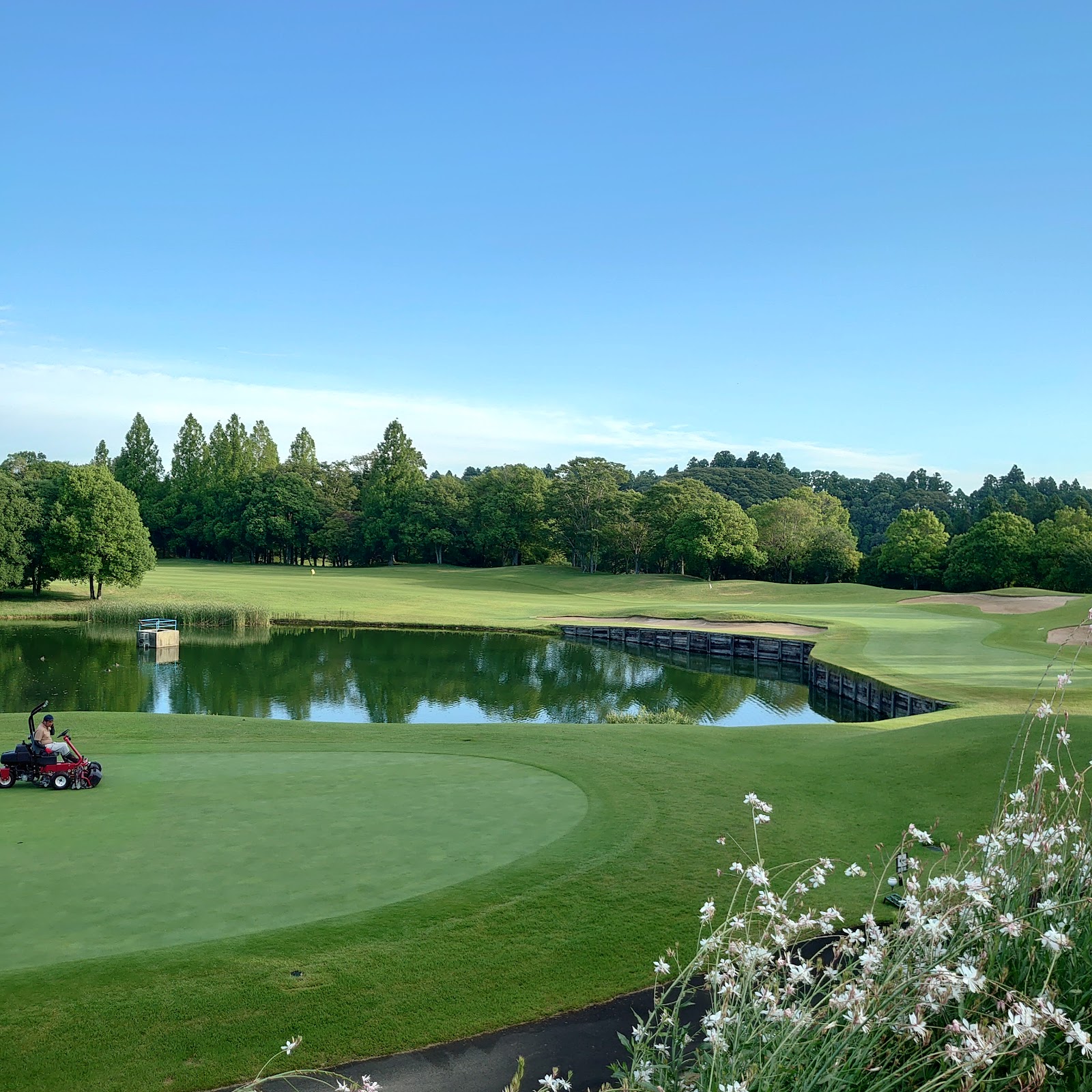
Tako Country Club
Tako Country Club is an 18-hole, par-72 hilly course in Tako, Chiba, built by Kumagai Gumi. The layout measures 6,372 yards in total. Carts are automated riding carts, allowing self-driven rounds without manual cart handling. Green fees start from 8,300 yen on weekdays and rise to 15,450 yen on weekends. The course is located in Katori District in northeastern Chiba, an area known for its cluster of golf clubs within reach of Narita. While detailed access and caddy information are not listed for this club, its automated cart system and weekday-to-weekend pricing spread give visiting golfers a clear sense of what to expect on arrival. The hilly routing and moderate yardage make it a course suited to golfers looking for a manageable round in the Chiba countryside.
View Course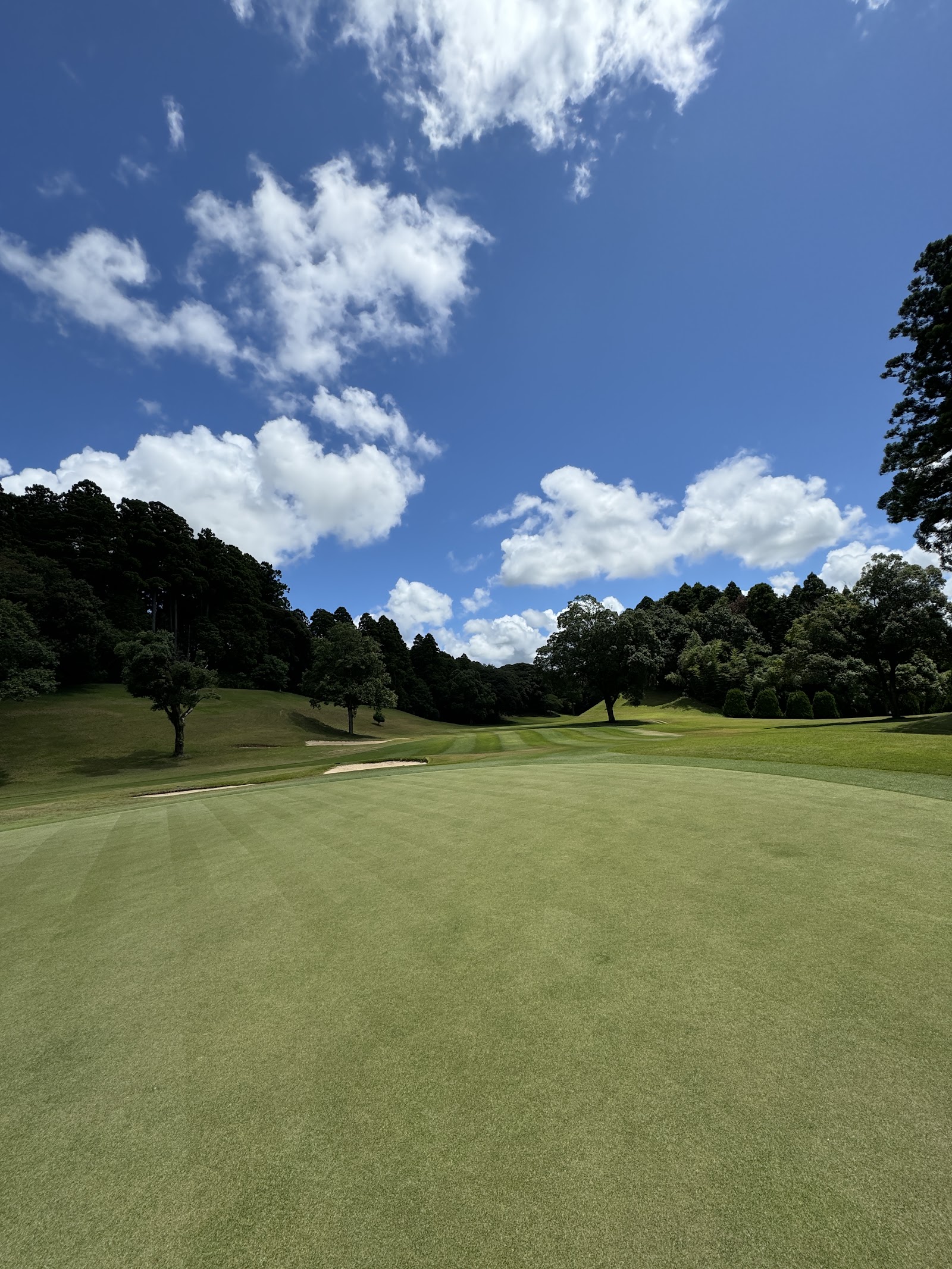
Golf Club Narita Hightree
Golf Club Narita Hightree is an 18-hole, par-72 hilly course in Tako, Chiba, designed by Asao Ishii and Yoshihiko Komuro and opened in 1978. The back tees play to 7,027 yards. Caddy service is required for all rounds, and the club uses an electromagnetic induction cart system that guides carts automatically along the fairways. A bath facility is available on site after play. The club is accessible via a reservation-based shuttle bus from Narita Airport Terminal 2 Station on the Keisei Electric Railway and JR Narita Line, and by car it sits within 15km of both the Narita and Taei Interchanges on the Higashi-Kanto Expressway. That combination of airport-adjacent shuttle access and required caddy service makes it a fitting stop for inbound golfers flying into Narita, pairing a traditional full-service round with straightforward logistics from the airport.
View Course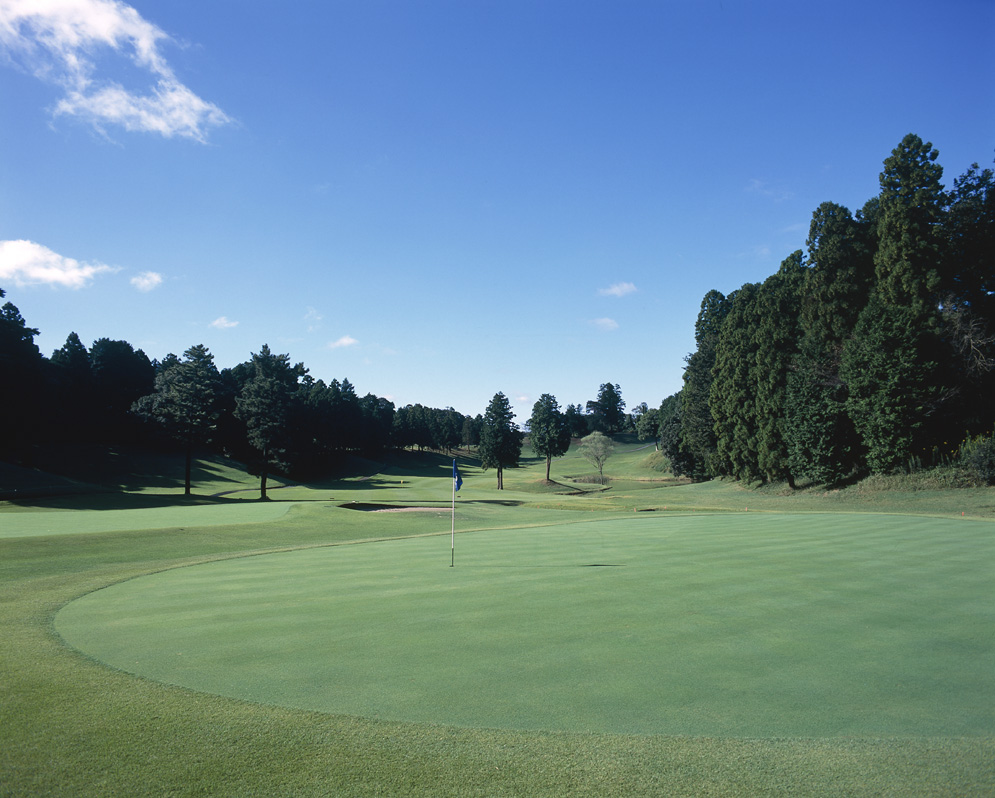
Tokyo Kokusai-Kuko Golf Course
Tokyo Kokusai-Kuko Golf Course is an 18-hole, par-72 layout in Tako, Katori District, Chiba Prefecture, playing 6,724 yards over hilly terrain. The course was designed by Tsuyoshi Sato and opened in 1989. It sits inland in the Katori District, away from the coast, with a routing shaped by the natural contours of the hills. Access is built around Narita: golfers can reach the club via a reservation-based club bus from Keisei Railway's Higashi-Narita Station, or drive from the Higashi-Kanto Expressway's Narita IC, about 18 to 20 kilometers away. Caddy service is optional, and rounds are played with 5-seater carts. There is no bath or onsen facility on site. Green fees start from ¥6,910 on weekdays and ¥13,273 on weekends, a mid-range bracket for the Chiba area. Its proximity to Narita Airport and the reservation shuttle option make it a practical stop for visiting golfers flying in or out of Tokyo.
View Course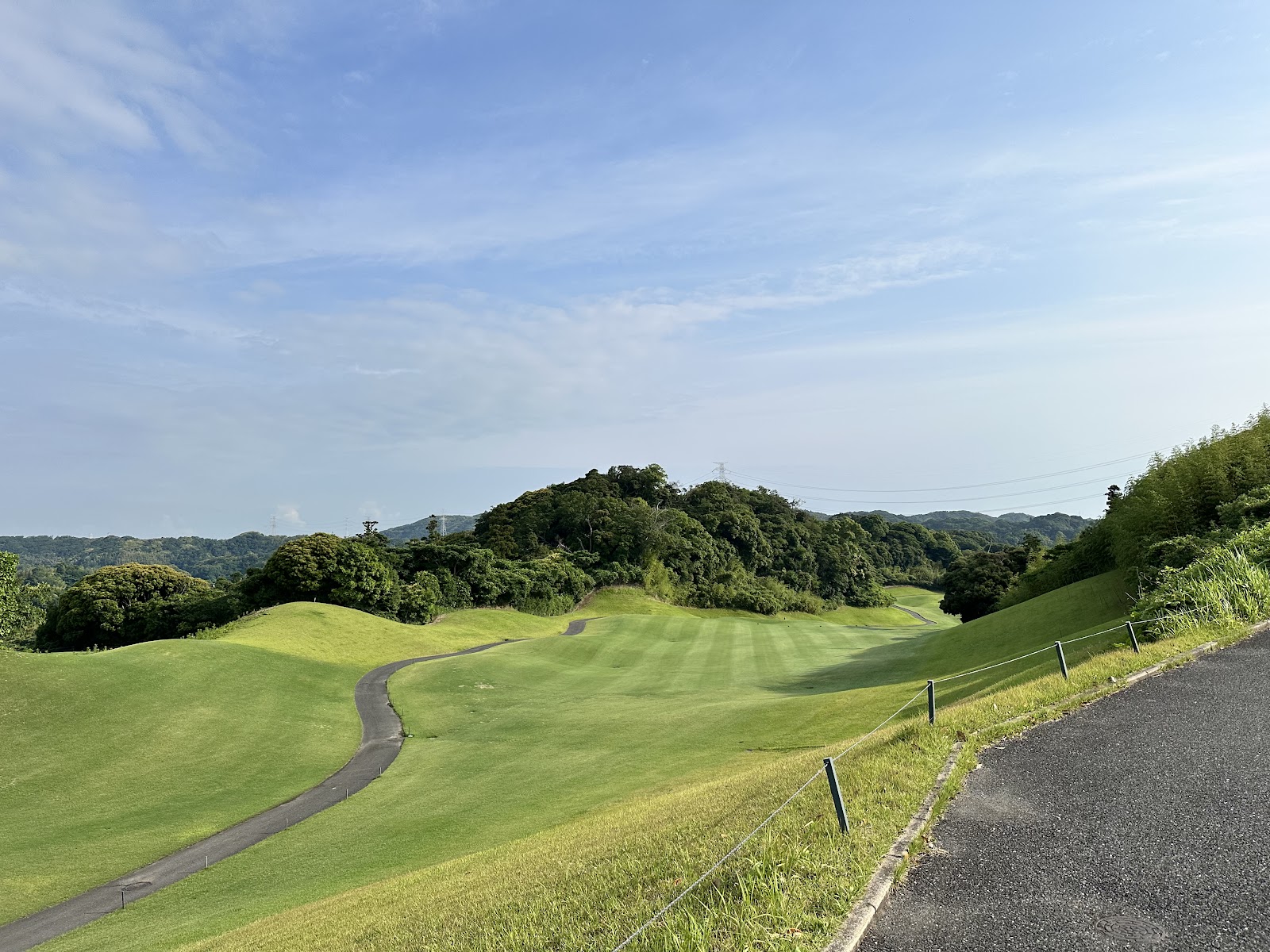
Bristol Hill Golf Club
Bristol Hill Golf Club is an 18-hole, par-72 course in Futtsu, Chiba Prefecture, laid out over hilly ground and stretching 7,001 yards from the back tees, one of the longer layouts in the region. The club is located at Kamezawa in Futtsu, on the Boso Peninsula side of Tokyo Bay. By car, the course is reached from the Tateyama Expressway's Futtsu-Chuo IC. After the round, players can use the club's on-site onsen bath, a feature not offered at every course in the area. Detailed information on the architect, opening year, caddy service, and green fees is not published for this course, but its hilly 7,001-yard, par-72 routing and onsen facility make it a distinctive stop for golfers touring the Boso Peninsula near Tokyo Bay.
View Course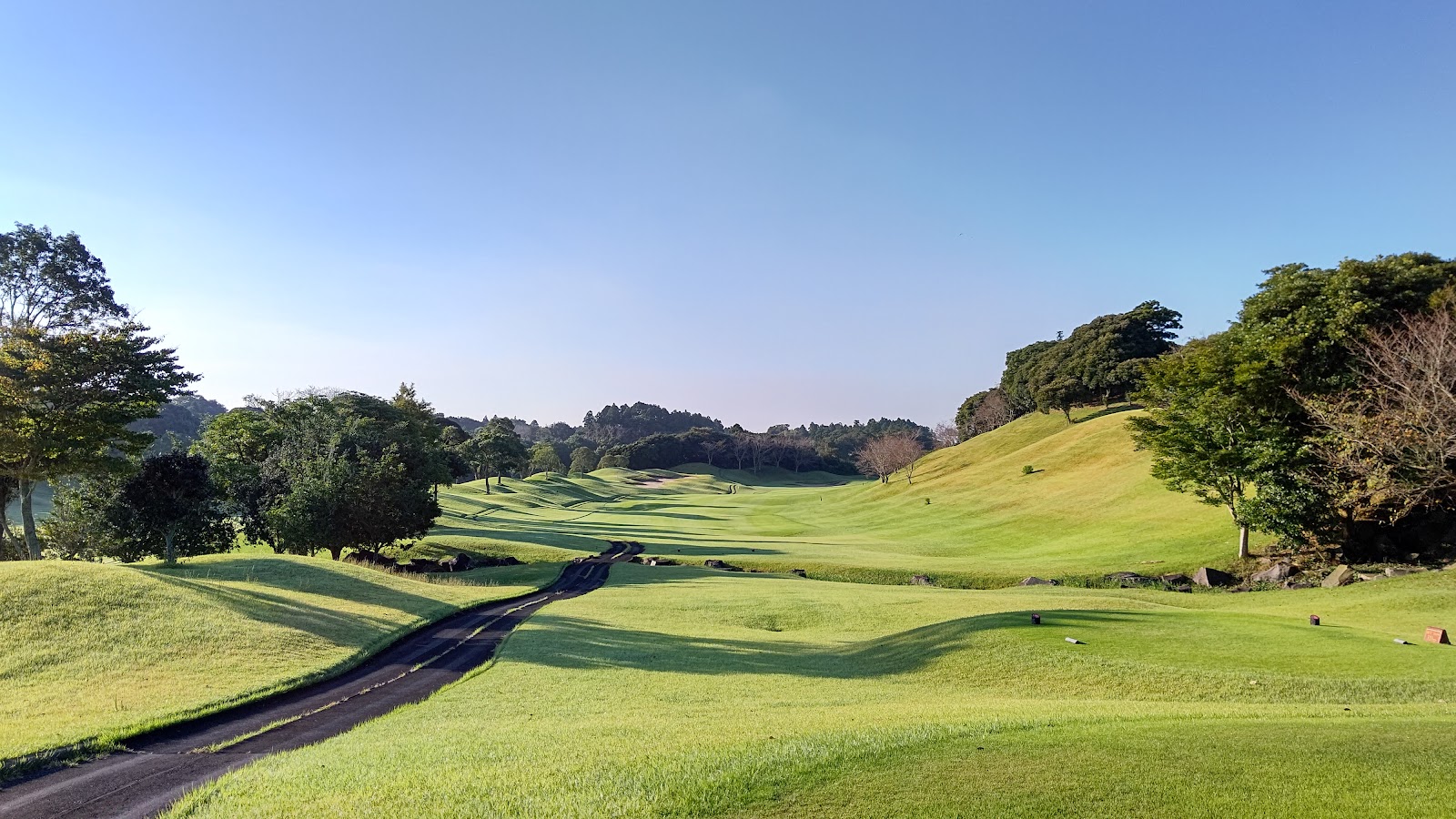
Omigawa Tokyu Golf Club
Omigawa Tokyu Golf Club is an 18-hole, par-72 course in Katori, Chiba Prefecture, playing 6,863 yards over hilly terrain. The course was designed by Chohei Miyazawa. It sits inland in the Katori area, within easy reach of the Higashi-Kanto Expressway. The club is about 7 minutes by car from Sawara-Katori IC. Caddy service is optional, and rounds are played with electromagnetic-guided 5-seater carts, a system that keeps carts on a fixed path around the hilly layout. With its Higashi-Kanto Expressway access and guided-cart system, Omigawa Tokyu Golf Club suits golfers looking for a straightforward, well-marked round in the Katori area of Chiba, within driving distance of Narita Airport.
View Course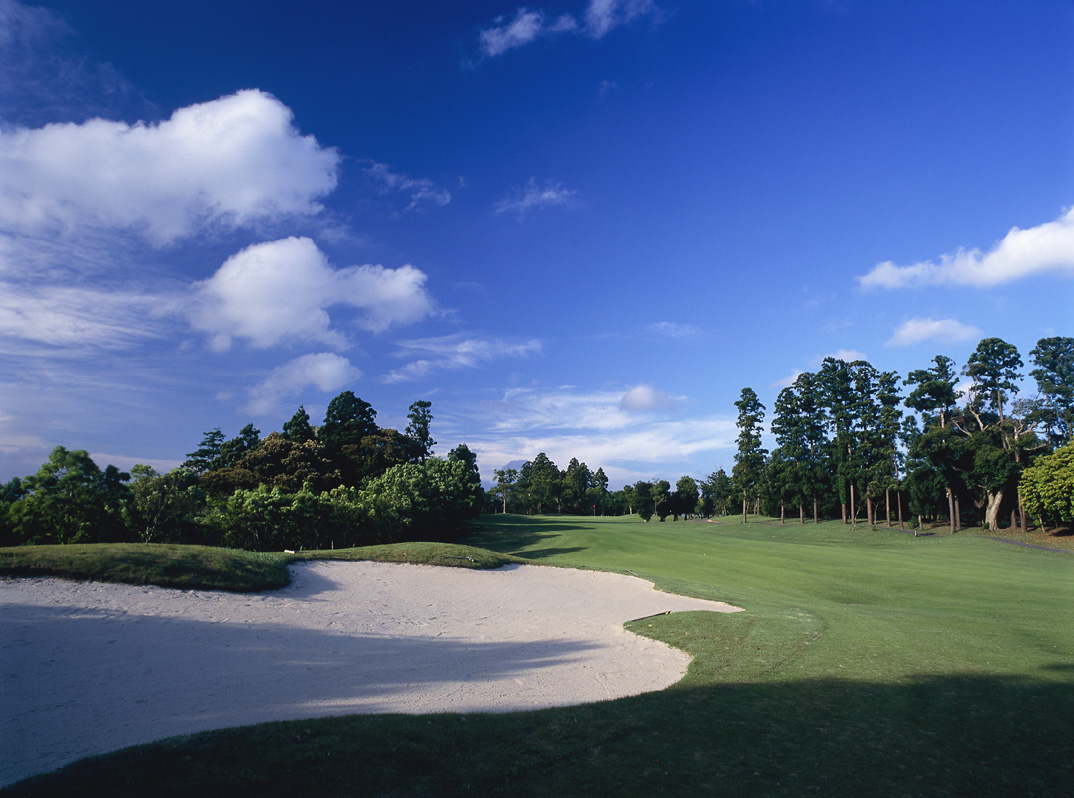
Sawara Country Club
Sawara Country Club is an 18-hole course in Katori, Chiba Prefecture, playing 6,747 yards and designed by Mitsuo Yoshizaki. The club is located at Tada in Katori, in the same Sawara area of Chiba as several other courses near the Tone River. Golfers without a car can reach the club from JR Narita Line's Sawara Station. By road, it is about 7 kilometers from the Higashi-Kanto Expressway's Sawara-Katori IC. Par, course type, and other specifications are not published for Sawara Country Club, but its Yoshizaki-designed 6,747-yard routing and train access from Sawara Station make it accessible for golfers without a rental car visiting the Katori district of Chiba.
View Course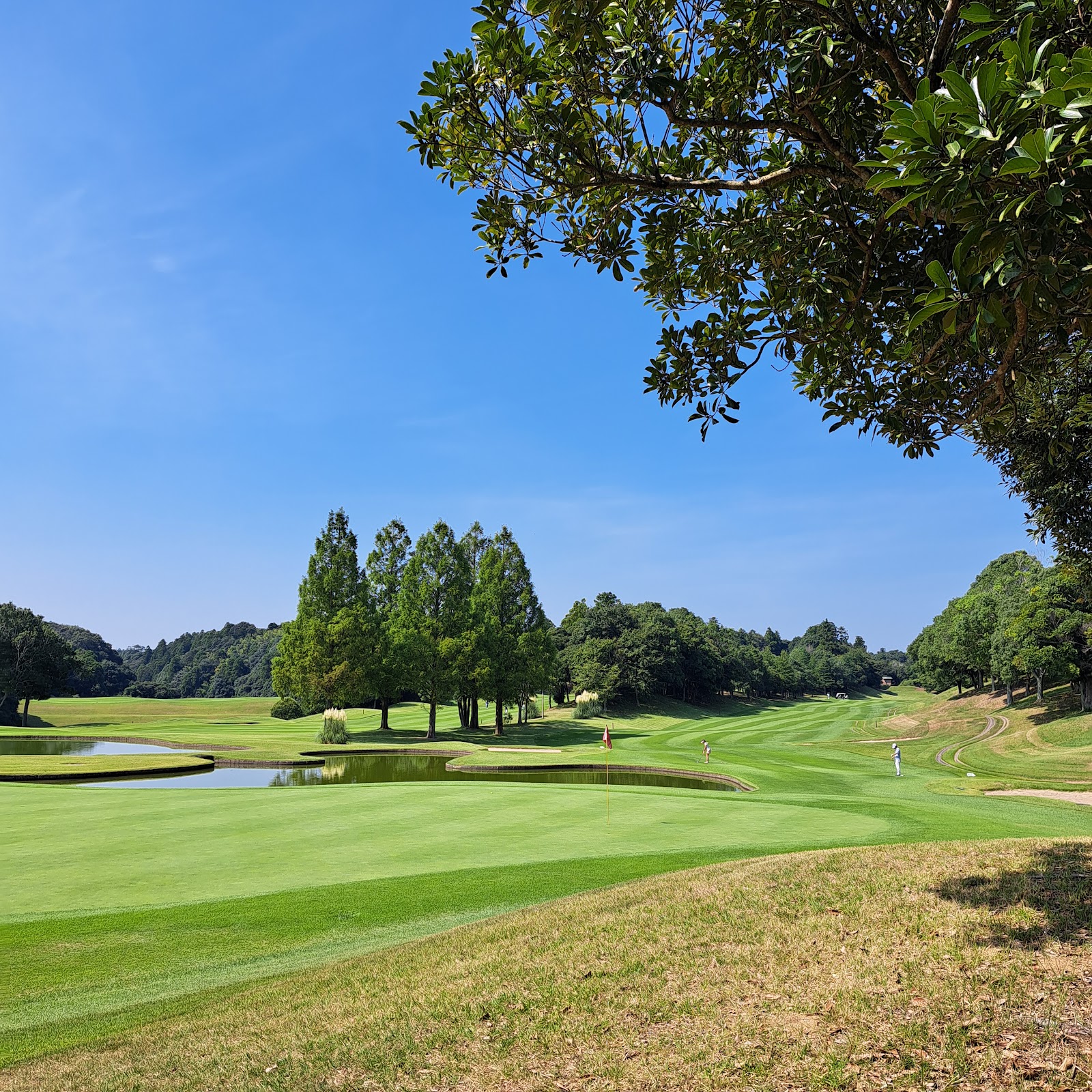
Katori Country Club
Katori Country Club is an 18-hole, par-72 course in Katori, Chiba, laid out over 6,640 yards of hilly terrain. The course opened in 1992 and was designed by Thomas Brennan Quinn. It sits at 1177 Orihata, Katori City, within reach of both rail and expressway access: the nearest station is Sawara on the JR Narita Line, and the nearest expressway exit is Sawara-Katori IC on the Higashi-Kanto Expressway. Players move around the hilly layout in remote-controlled riding carts, and caddies are available on an optional basis for groups who want one. A bath facility is on site for use after the round. Green fees start from 13,910 yen on weekdays and 24,360 yen on weekends, reflecting the course's positioning as a full-service hilly layout rather than a budget track. The single 18-hole routing and the 1992 opening date place it among the newer courses built in the Chiba golf market during that development period.
View Course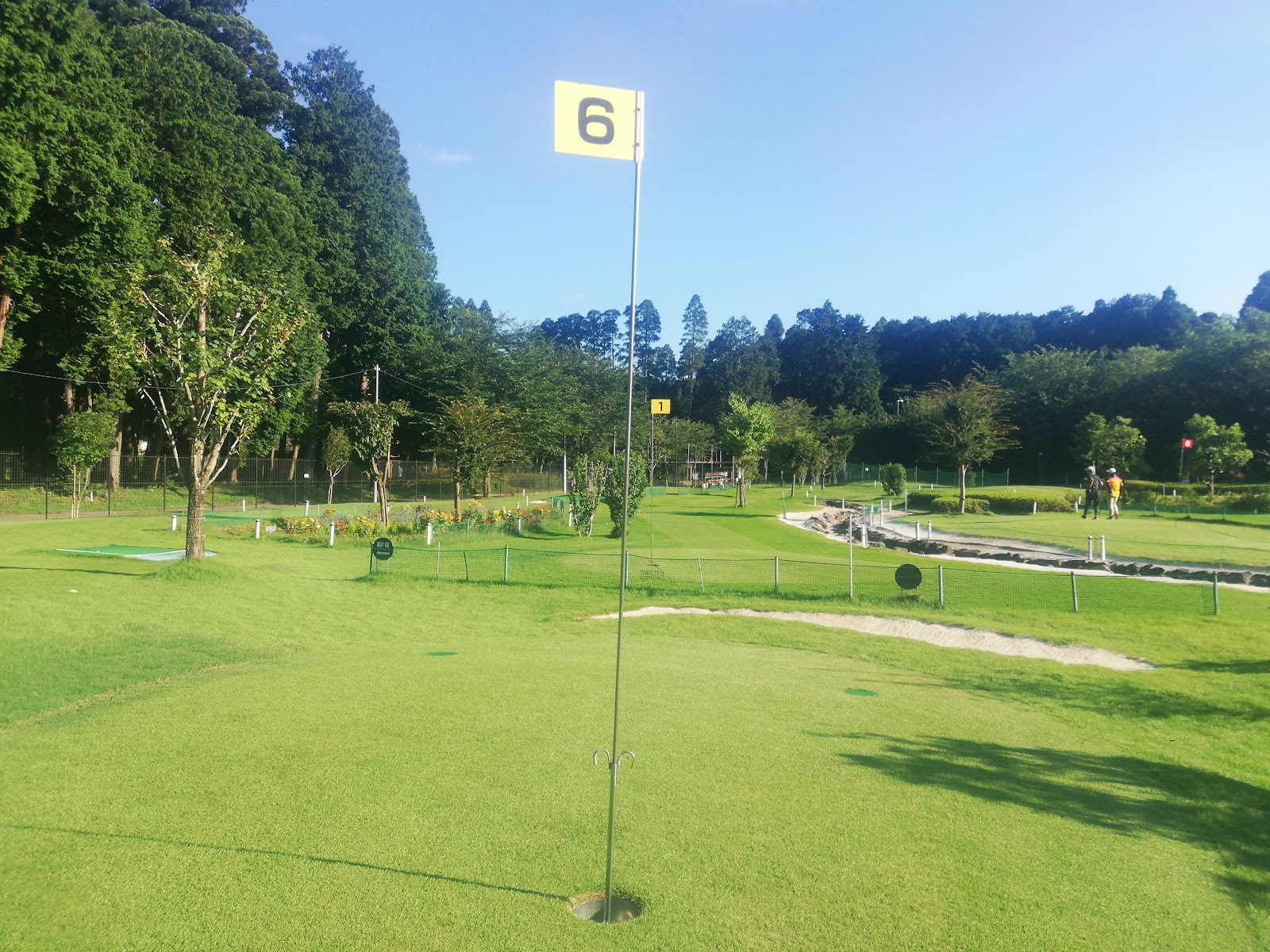
Kuzumi Park Golf
Kuzumi Park Golf is a park golf facility in Narita, Chiba, located at 818-2 Tsuchimuro. Park golf is a distinct low-impact sport that combines elements of golf and croquet, played with a single wooden club and a solid ball on short, park-style holes. The facility offers 18 holes at a combined par of 66, spread across two separate courses on the grounds. There is no caddy service, and no on-site bath. The nearest station is Kuzumi, making the facility reachable without a car for visitors arriving by rail. Green fees start from just 360 yen on weekdays, positioning Kuzumi Park Golf as an inexpensive, casual option rather than a traditional 18-hole golf club. Park golf is a popular recreational pastime in Japan, particularly among older residents and families, and this facility offers a low-cost, low-commitment way to try the sport for visitors passing through the Narita area.
View Course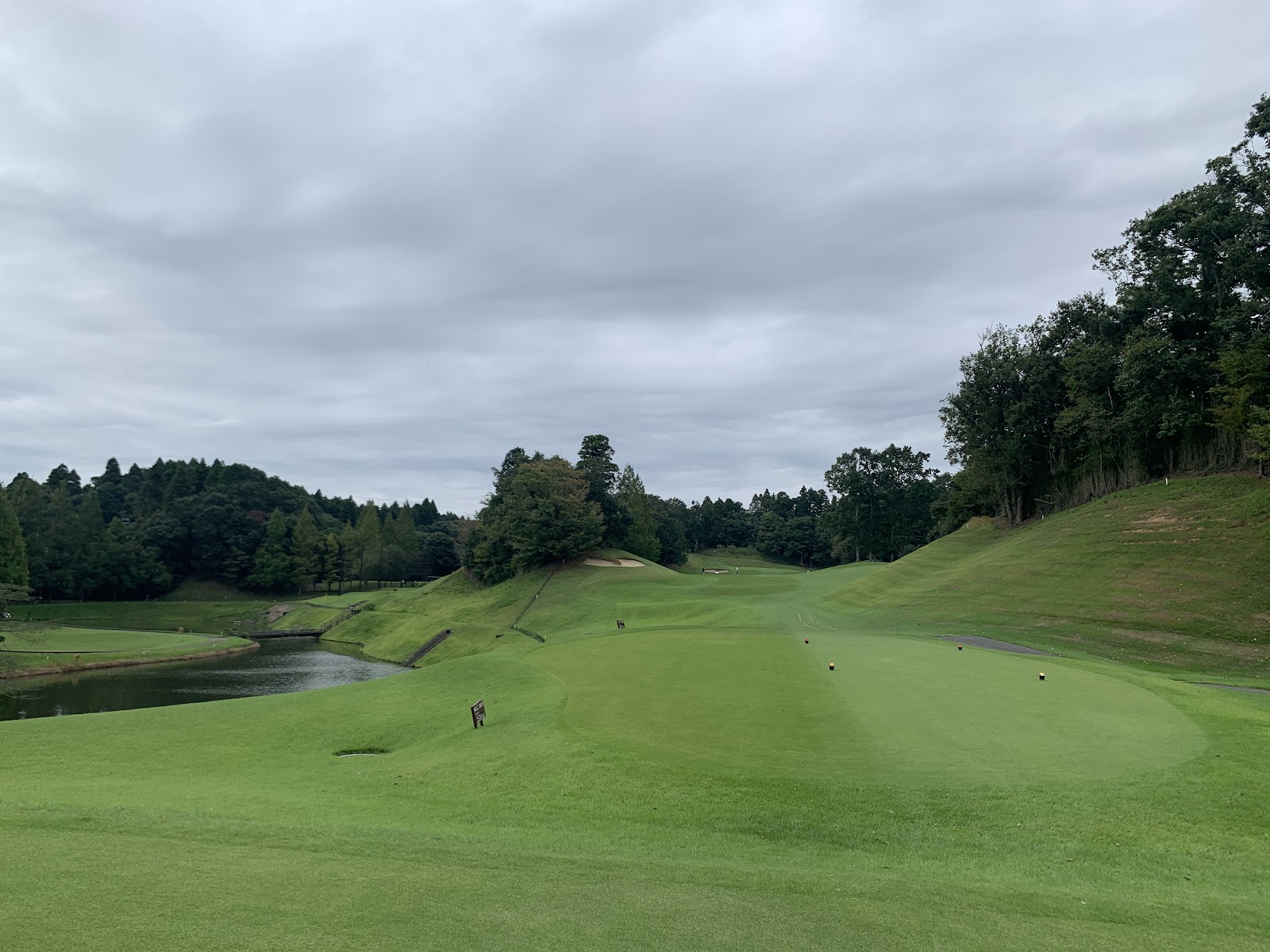
TJK Narita Golf Course
TJK Narita Golf Course is a 12-hole course set on hilly terrain in Narita, Chiba, at 661-1 Kosuge. The course does not use riding carts; instead, players' bags are moved along the fairways on an electromagnetic, wire-guided cart system with a four-bag capacity, while golfers walk the course themselves. No caddy service is offered, so the round is played entirely self-guided. A bath facility is available on site for use after play. Par, yardage, and green fee information are not published for this course, and no architect or opening year is on record. The 12-hole routing is shorter than the more common 18-hole format found elsewhere in Chiba, making it a compact, walk-only option in the hilly terrain around Narita. For golfers who prefer to carry or push their own game without a caddy, and who want a shorter round than a full 18 holes, the format and layout here stand out from the region's larger clubs.
View Course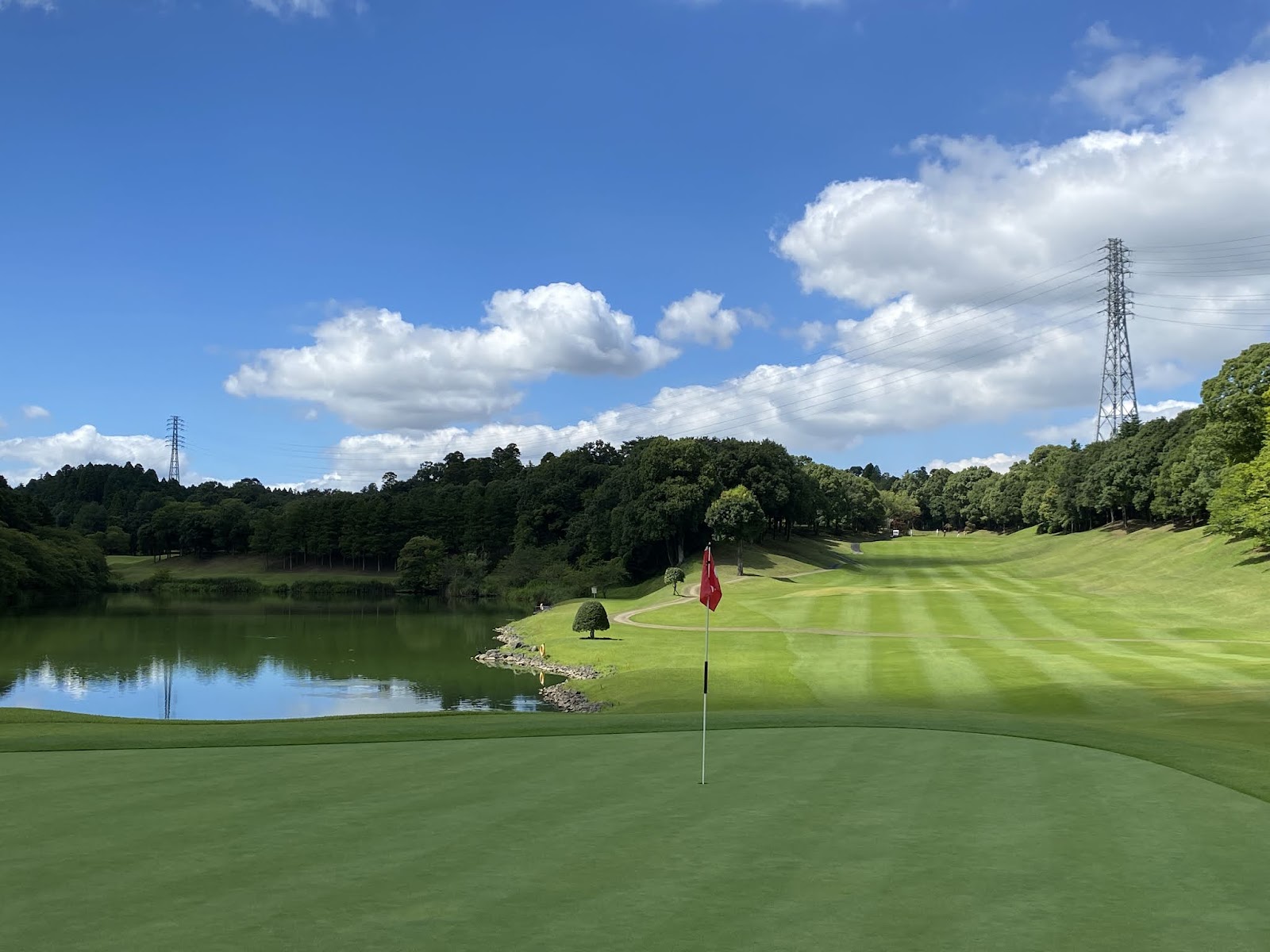
Kuno Country Club Tomisato
Kuno Country Club Tomisato is an 18-hole, par-72 course set among woodland in Tomisato, Chiba, playing to 6,937 yards from the back tees. The course was designed by Shunsuke Kato and is located at 722 Kuno, Tomisato City. It is reachable by car from JR Narita Station or Keisei Narita Station, roughly 4.0 kilometers and a 15-minute drive away, and from Tomisato IC on the Higashi-Kanto Expressway, about 3.4 kilometers and a 10-minute drive away. A bath facility is available on site for players after their round. Opening year, caddy availability, and green fee information are not published for this course. At 6,937 yards, the layout is one of the longer woodland courses in the area, giving golfers a fuller test off the tee than shorter tracks nearby. The dual road access from both Narita's rail stations and the expressway makes it a practical stop for visitors traveling through the wider Narita area.
View Course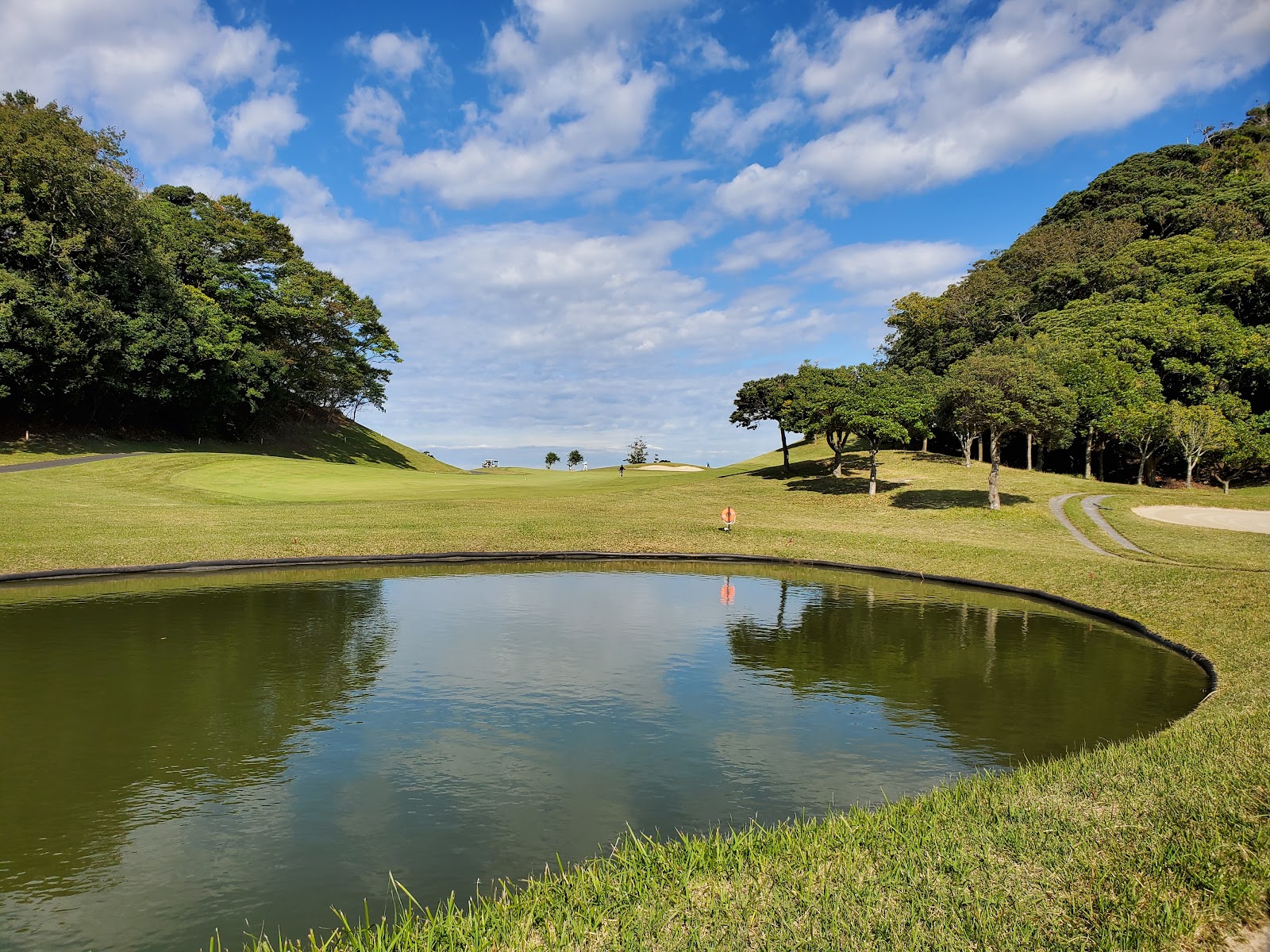
Tokyo Bay Side Golf Course
Tokyo Bay Side Golf Course is an 18-hole, par-72 layout set on hilly terrain in Futtsu, on the Boso Peninsula in Chiba Prefecture. The course plays 6,515 yards from the back tees. The club address is 4277-2 Takeoka, Futtsu, Chiba. Golfers arriving by train can reach the course via the JR Uchibo Line, with a shuttle service running from Kazusa-Minato Station, making the club accessible without a car for visitors staying in the Tokyo Bay area. The hilly routing gives the course changes in elevation across its 18 holes, distinguishing it from the flatter reclaimed-land courses more common elsewhere in Chiba. As a single-course facility, Tokyo Bay Side Golf Course is straightforward to plan a visit around: one 18-hole round at par 72, with the Kazusa-Minato shuttle handling the final leg of the trip from central Tokyo or Yokohama.
View Course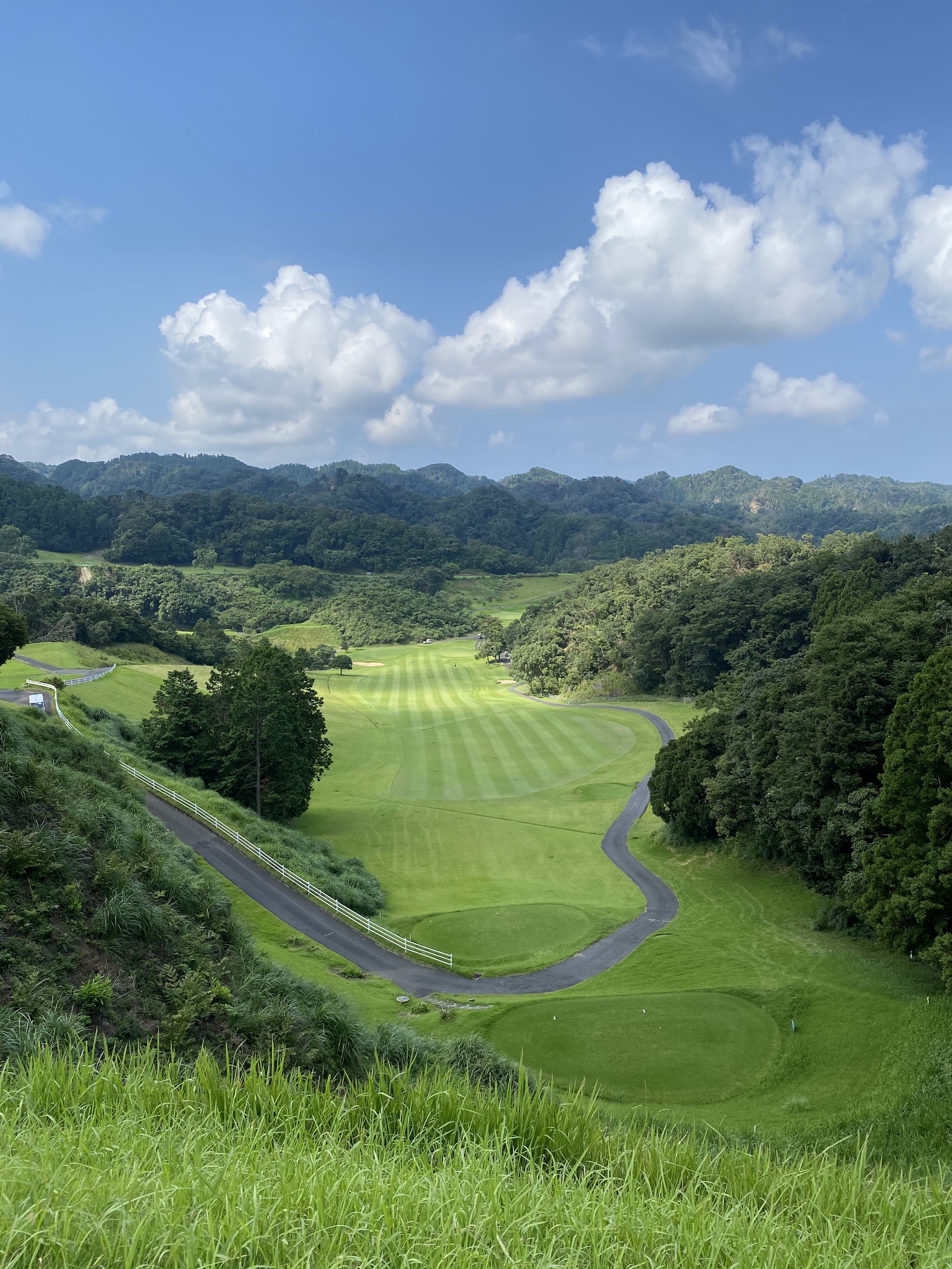
Sooka Country Club
Sooka Country Club is an 18-hole, par-72 course located at 1021 Tahara, Futtsu, in Chiba Prefecture. The course plays 6,424 yards from the back tees. Sooka Country Club operates as a single-course facility, giving visitors one 18-hole round to plan a day around. After the round, players have access to on-site bathing facilities, a standard amenity at Japanese golf clubs that lets golfers wash and relax before heading back to Tokyo or elsewhere in the Kanto region. Futtsu sits on the Boso Peninsula in southern Chiba, an area with a concentration of golf courses within reach of the greater Tokyo area, making Sooka Country Club a reasonable option for visitors combining a round with other stops on the peninsula. The par-72, 6,424-yard layout puts it in line with typical mid-length Japanese championship courses.
View Course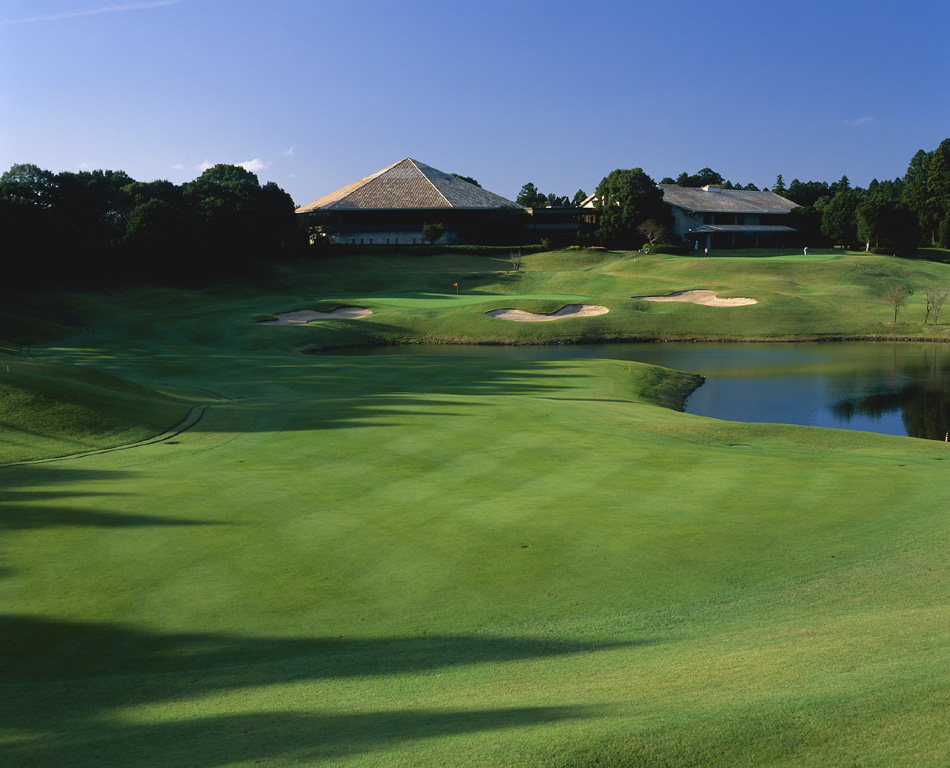
Glen Oaks Country Club
Glen Oaks Country Club is an 18-hole woodland course in Katori, Chiba Prefecture, designed by Robert Trent Jones Jr. and opened in 1989. The routing runs through wooded terrain typical of the inland Boso Peninsula, with tree-lined fairways separating the holes. The club is close to JR Narita Station on the Narita Line and Taiei Interchange on the Higashi-Kanto Expressway, putting it within reach of Narita International Airport for golfers arriving from overseas. A bath facility is available on site after the round. As a Robert Trent Jones Jr. design, the course reflects the strategic bunkering and green complexes associated with his portfolio of layouts, adapted here to Chiba's wooded landscape. Its proximity to Narita makes Glen Oaks a practical stop for visitors flying into or out of Japan who want to fit in a round without travelling far from the airport corridor. Course specifications beyond the architect, opening year, terrain type, and access points are not available in current records, but the woodland setting and 1989 opening place it among Chiba's established inland courses.
View Course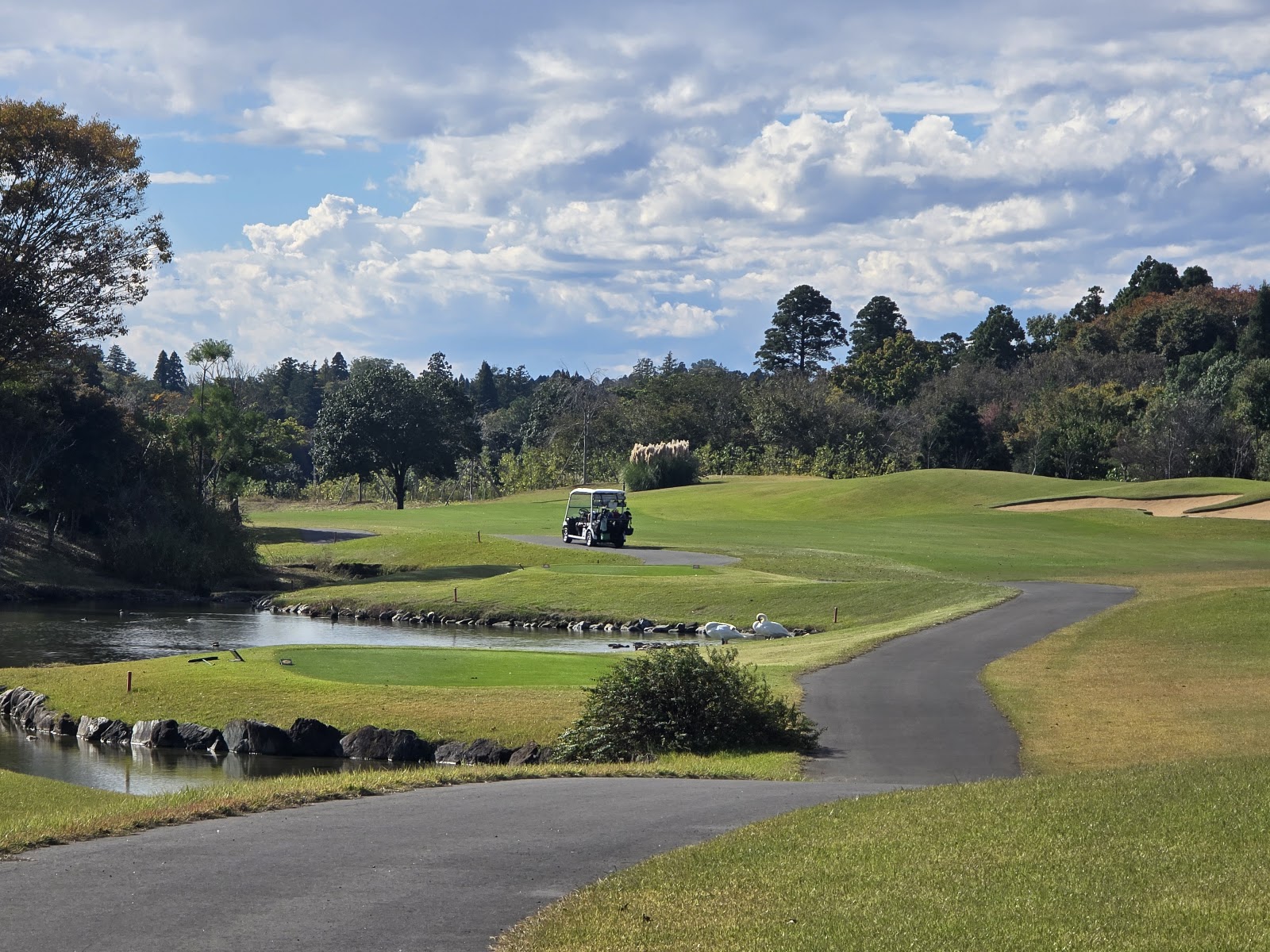
Chiba Birdie Club
Chiba Birdie Club is an 18-hole, par-72 woodland course in Yachimata, Chiba Prefecture, laid out to 7,036 yards from the back tees. The course sits on wooded terrain typical of the Boso Peninsula's inland golf belt, with tree-lined fairways running through the 18 holes. Access is by car: the course is roughly 12 kilometers from Sakura IC on the Higashi-Kanto Expressway, or about 7 kilometers from Yamada IC on the Chiba-Togane Road, making it a reasonable stop for golfers driving out from central Chiba or Narita. An on-site bath facility is available for players to wash up after the round. At 7,036 yards, the layout plays long enough to test full-length approach shots on a par-72 card, and the woodland setting means shot shaping and course management through tree-lined corridors are part of the challenge. For visitors staying near Narita or exploring Chiba's inland courses, Chiba Birdie Club offers a full 18-hole round with straightforward highway access and post-round bathing facilities.
View Course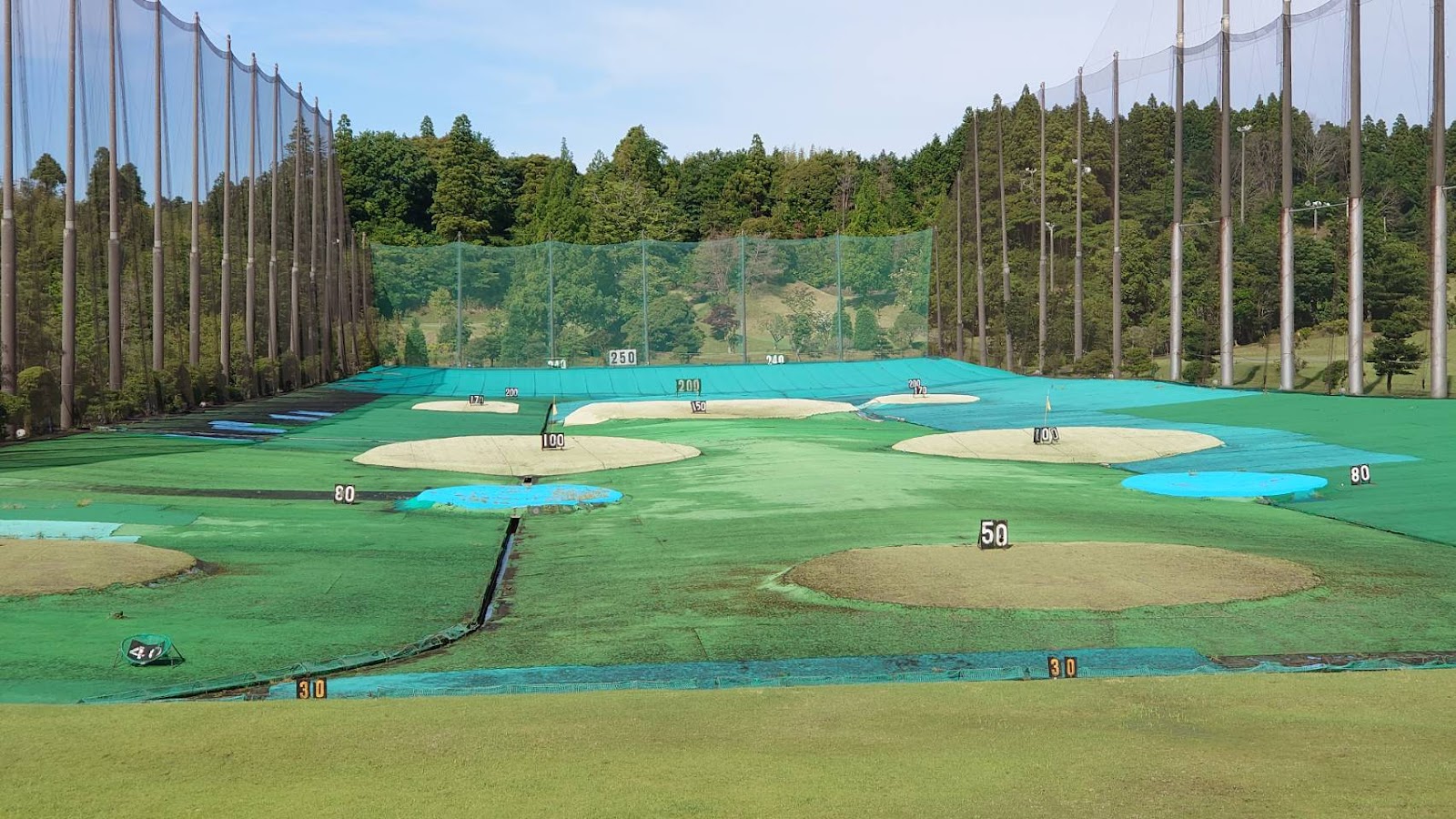
Oami Green Golf
Oami Green Golf is a 9-hole, par-27 woodland course in Oamishirasato, Chiba Prefecture, playing 983 yards. The course is a walking course, with no caddie service and no cart use, so players carry or pull their own bags around the full round. It is well positioned for train access: JR Oami Station on the Sotobo Line is about a 10-minute walk from the course, making it reachable without a car for golfers coming from Chiba city or Tokyo via the JR line. Drivers can also reach the course from Yamada IC on the Chiba-Togane Road, about 6 kilometers away. At 983 yards over 9 holes with a par of 27, the layout is a short, executive-style course suited to a quick round, practice session, or a warm-up before tackling a longer 18-hole course elsewhere in the area. The combination of station proximity and a walking-only format makes Oami Green Golf a practical option for visitors without a rental car who want a short golf outing in Chiba.
View Course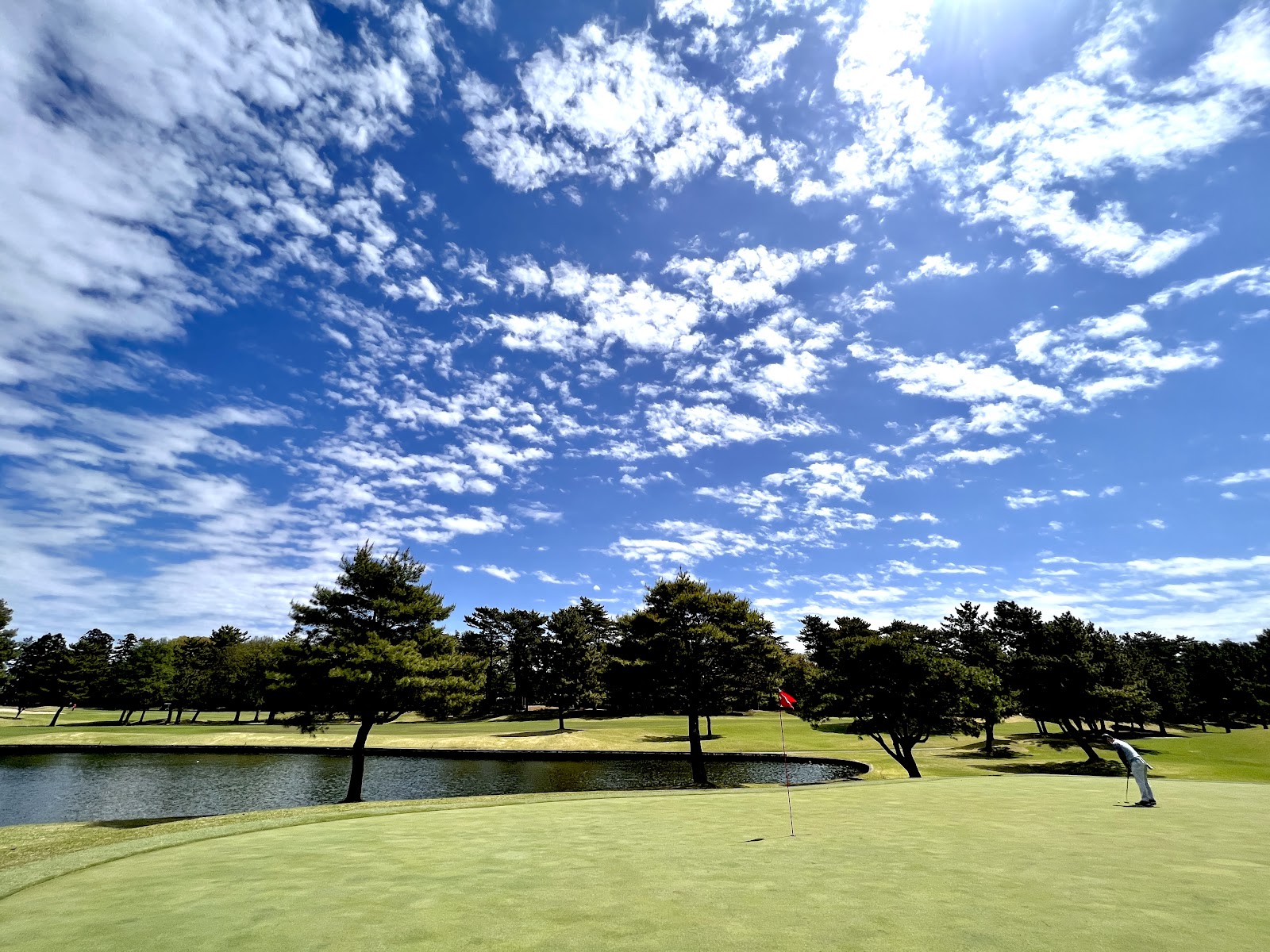
Chiba Country Club Kawama Course
Chiba Country Club's Kawama Course is a 27-hole, par-108 woodland layout in Noda, Chiba Prefecture, with a total yardage of 9,870 yards across its three 9-hole courses. The course was designed by Seizo Tomizawa and later remodeled by Taizo Kawada, and it opened for play in 1957, giving it one of the longer operating histories among courses in the region. Access from central Tokyo is straightforward: golfers can reach the club via a roughly 10-minute club bus ride from the north exit of Kawama Station on the Tobu Urban Park Line (Tobu Noda Line), or drive in from Kashiwa Interchange on the Joban Expressway (about 15-16 km) or Satte Interchange on the Ken-O Expressway (about 10.6 km). The course operates on a no-caddy, self-play basis with remote-control riding carts used by all groups. Green fees start from 12,710 yen on weekdays and 17,110 yen on weekends.
View Course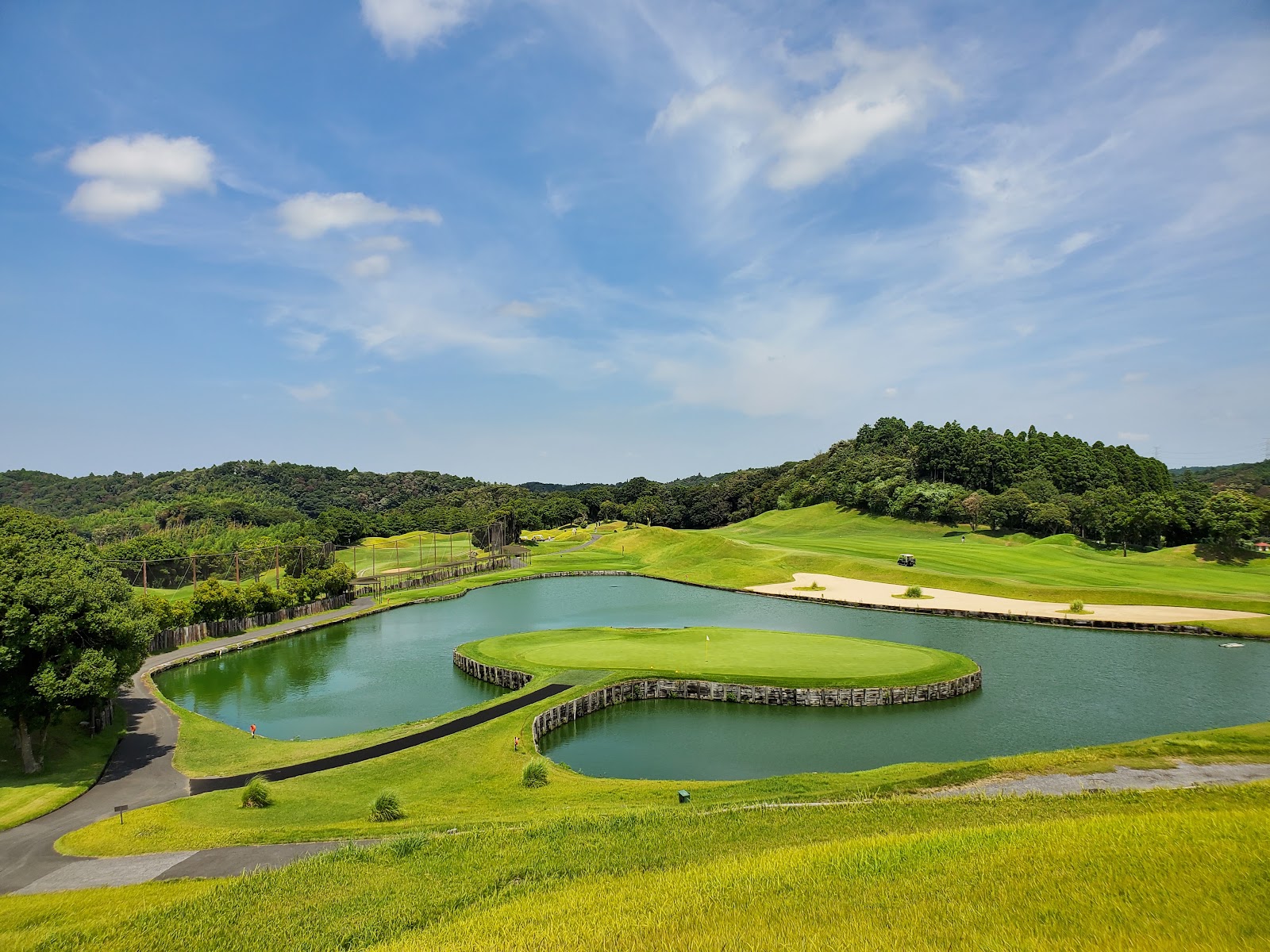
PGM Maria Golf Links
PGM Maria Golf Links is an 18-hole, par-72 seaside course in Kisarazu, Chiba Prefecture, opened in 1992. The course was designed by Pete Dye and plays to 6,833 yards from the back tees, a length that reflects Dye's characteristic emphasis on strategic shot-making over sheer distance alone. Being a seaside layout, coastal wind is a factor course architects like Dye typically build into hole strategy rather than treat as incidental. Golfers arrive by car via the Ken-O Expressway, exiting at Kisarazu-Higashi Interchange about 5 kilometers from the club, or by train to JR Uchibo Line's Kisarazu Station followed by roughly a 35-minute taxi ride. Caddies are optional rather than mandatory, giving golfers the choice of a self-navigated round or one supported by local caddy knowledge of the layout. Carts are riding carts equipped with remote control and GPS cart navigation, standard for Japanese seaside courses of this era. As a single 18-hole facility built to a well-known American designer's specifications, PGM Maria Golf Links stands out among Chiba's seaside courses for its Pete Dye pedigree.
View Course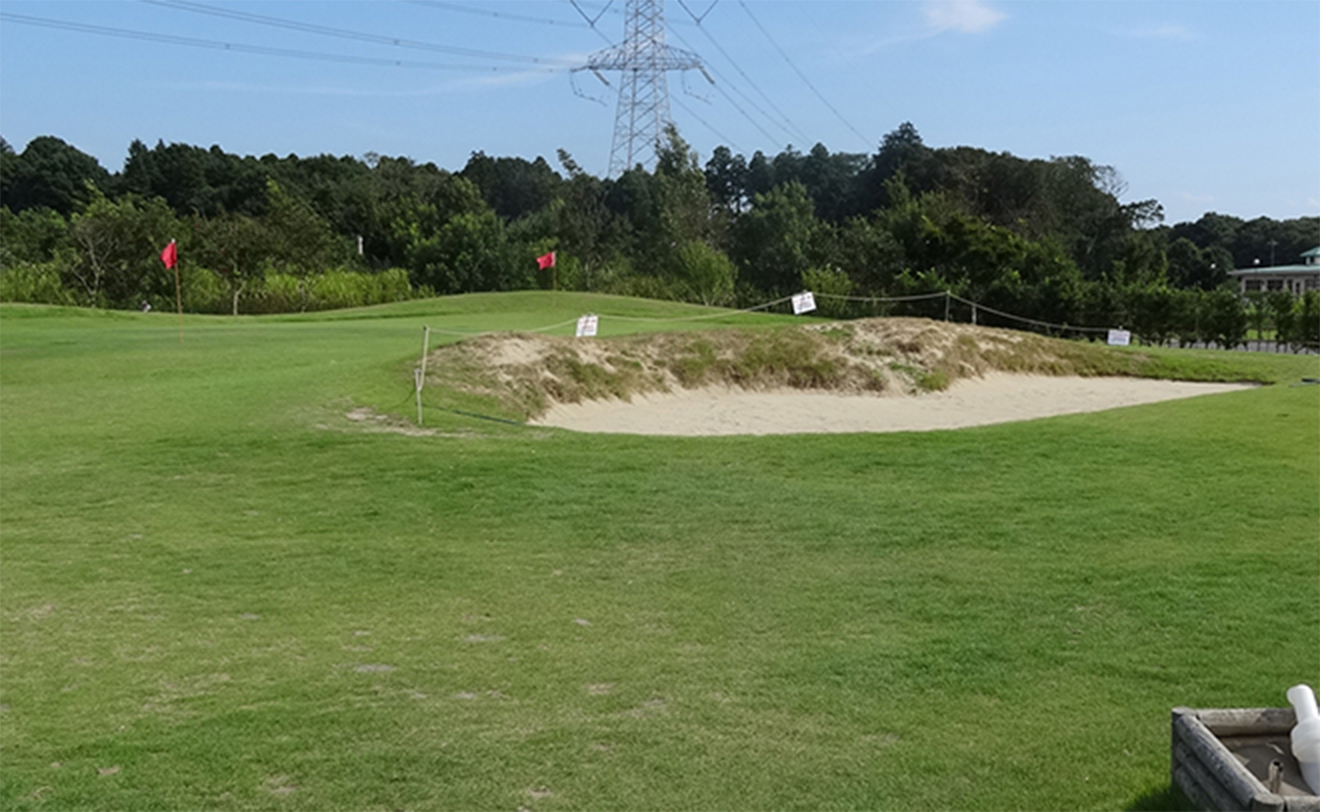
Chiba Municipal Golf Course
Chiba Municipal Golf Course is a 9-hole, par-36 course in Chiba's Wakaba Ward, laid out over 3,055 yards and designed by professional golfer Shingo Katayama. As a municipal facility, it operates as a walking course, with hand-pulled carts as the primary mode of play; powered cart rental is also available for players who prefer to ride. There is no caddy service, so golfers play unaccompanied or use rental carts to move between holes. The course is reached via JR Toga Station by bus, or by car from the Kaizuka interchange on the Keiyo Road, putting it within reach of central Chiba and the greater Tokyo area. Green fees start at 3,420 yen on weekdays and 4,720 yen on weekends, making it an affordable option for a shorter round without the cost of a full 18-hole private club. The par-36 layout suits golfers with limited time who still want a complete nine-hole round designed by a touring professional.
View Course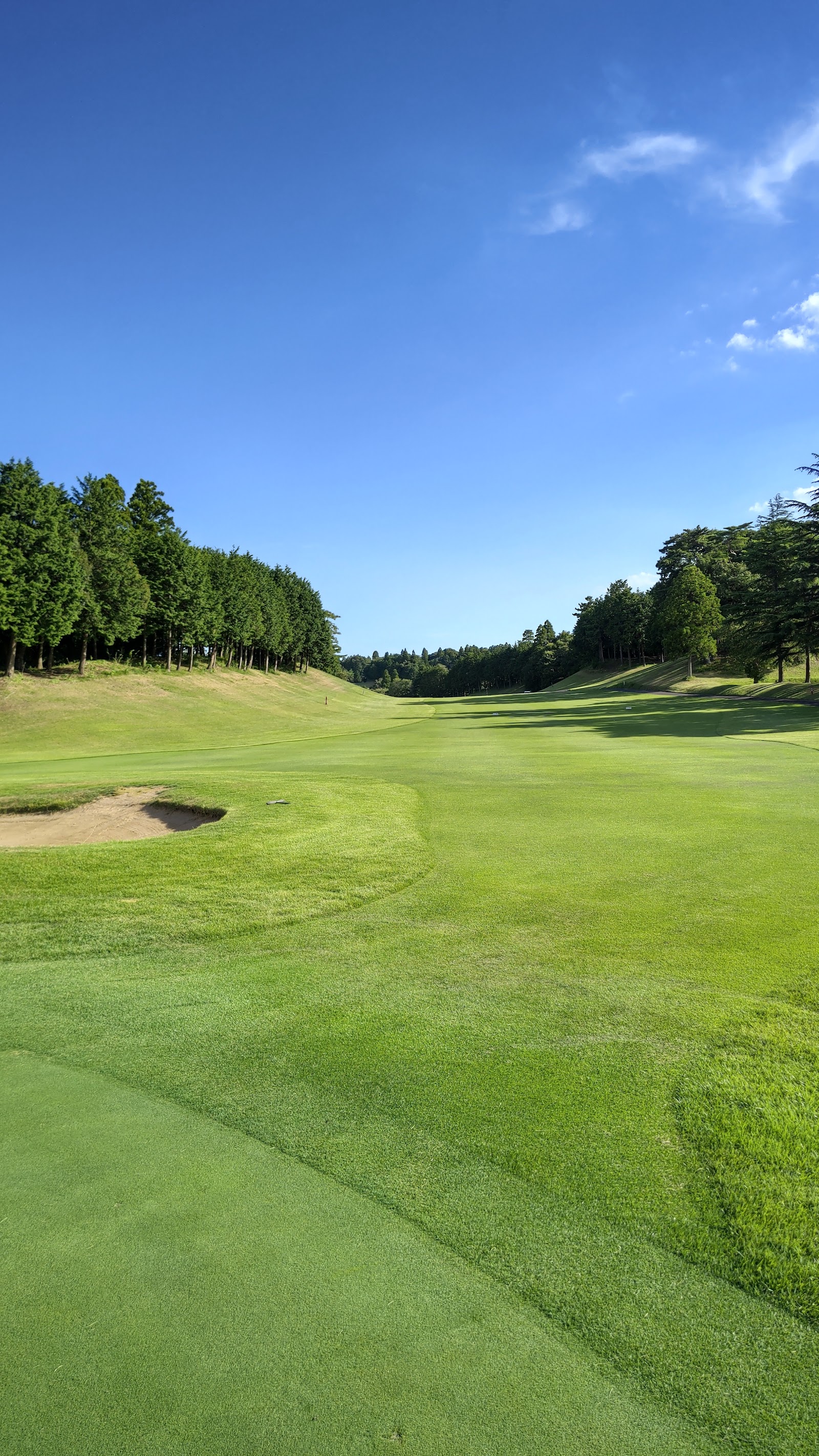
Nagataro Country Club
Nagataro Country Club is an 18-hole, par-72 course in the hills of Narita, Chiba, playing to 6,857 yards. The facility operates two courses in total. It was designed by Yoshitaka Kikunaga and opened in 1979. The hilly terrain and full-length yardage make it a substantial test for visiting golfers. Carts are GPS-navigation equipped riding carts, standard for the facility. Access is by club bus on a reservation-only basis: from JR Narita Station's east exit on weekends and holidays, or from JR Shimousa-Kozaki Station on weekdays. Drivers can reach the club via the Higashi-Kanto Expressway at Taiei IC, roughly 6 km away, or the Ken-o Expressway at Kozaki IC, about 8 km away. Located in Narita, the course sits close to Narita International Airport, making it a convenient stop for golfers arriving in or departing from Japan through Narita.
View Course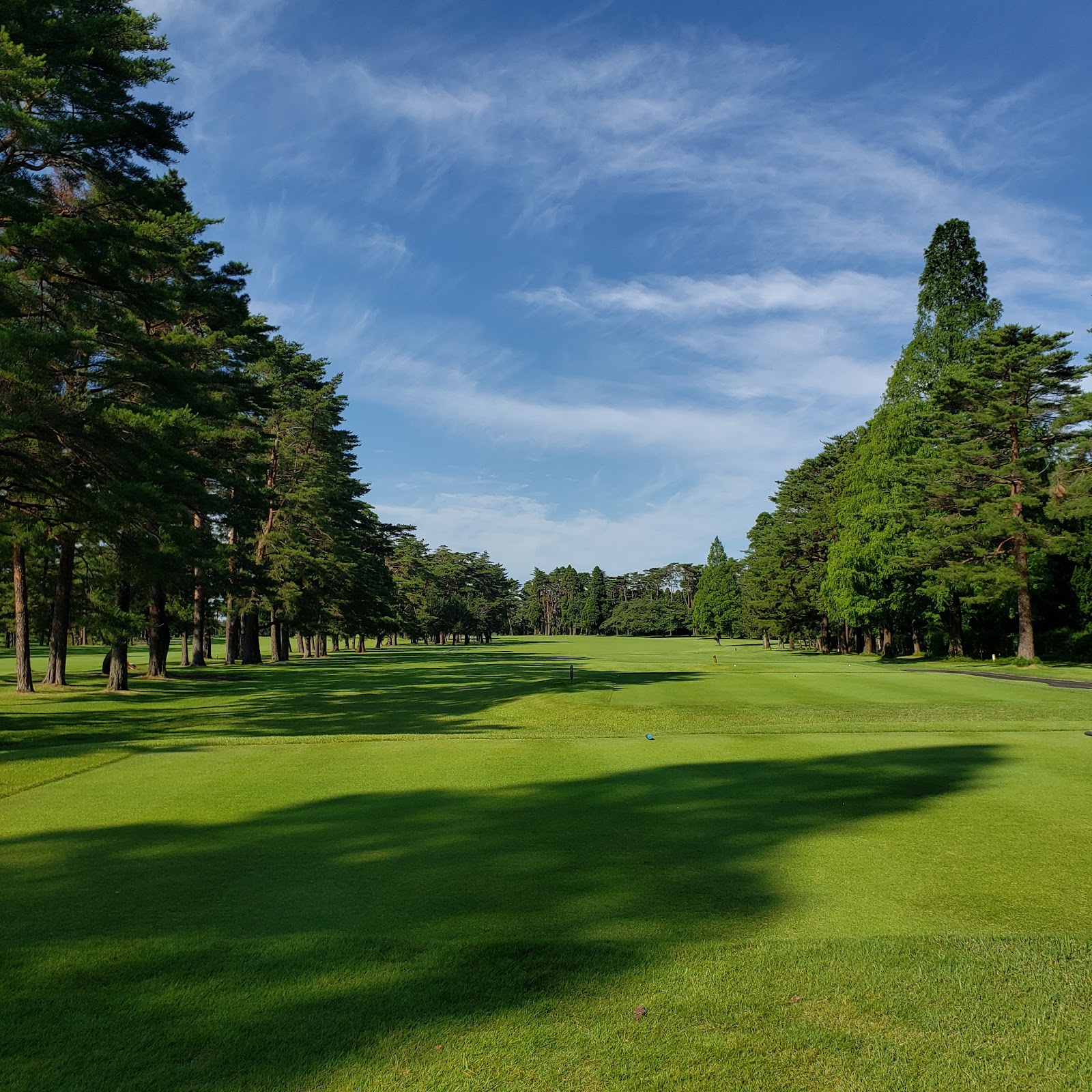
Keiyo Country Club
Keiyo Country Club is an 18-hole, par-72 woodland course in the Wakaba ward of Chiba City, Chiba Prefecture, measuring 6,902 yards. It opened in 1959, making it one of the older golf clubs in the Chiba area, and was designed by Chen Ching-shui, a Taiwanese-born architect who worked on a number of Japan's classic-era courses. Green fees start from ¥21,300 on weekdays and ¥33,400 on weekends. The club is a caddie-required course, meaning rounds are played with a caddie rather than self-navigated golf carts, in keeping with its traditional character. For access, Keiyo Country Club runs a club bus from JR Toga Station, and drivers can reach the course via the Chiba Togane Road's Omiya Interchange. Set within Chiba's inland woodland belt east of central Chiba City, the course sits within reach of both the Tokyo metropolitan area and Narita, making it a practical stop for golfers combining a round with travel through the region. At nearly 6,900 yards over 18 holes, the layout offers a full regulation test of golf.
View Course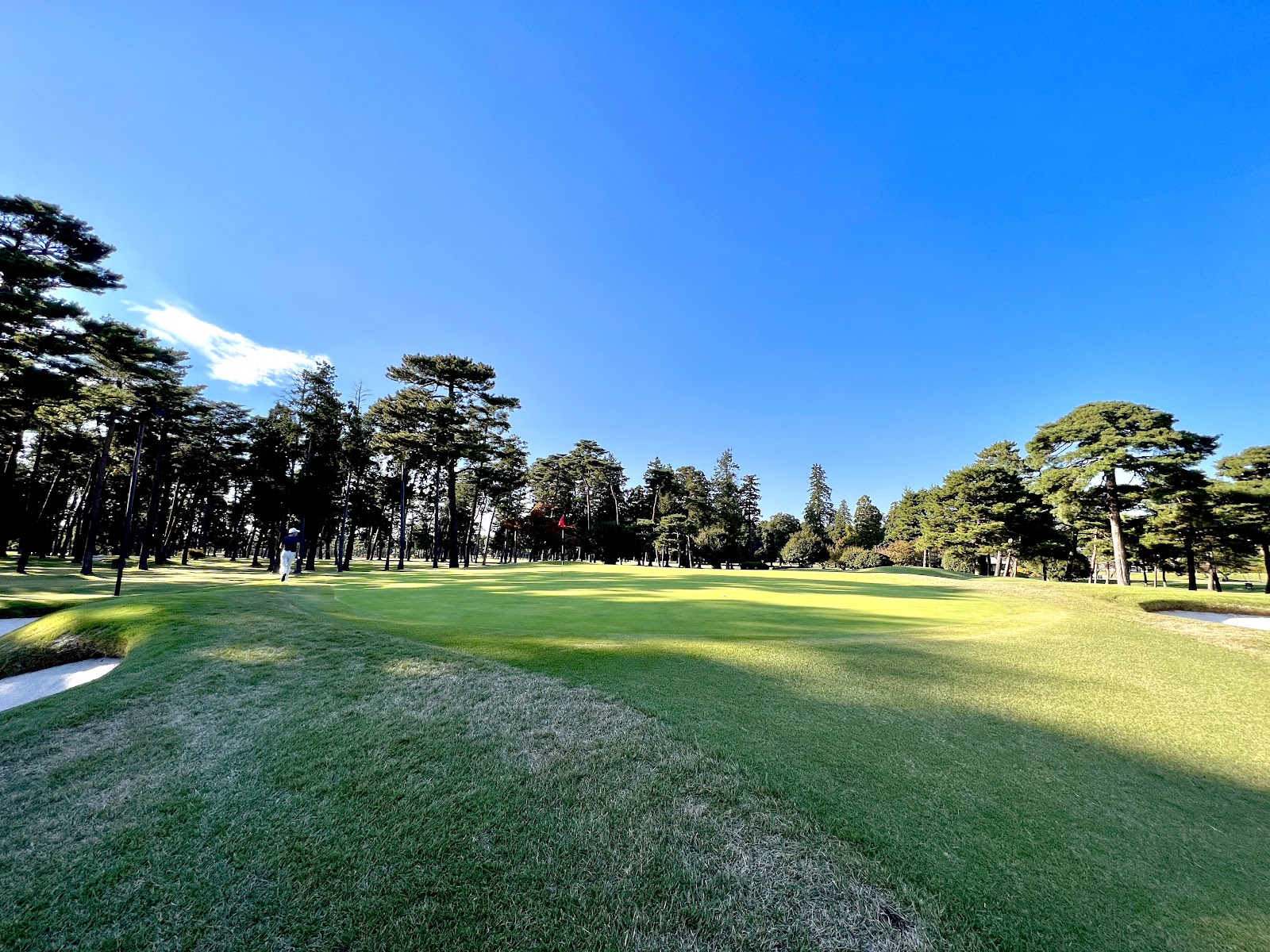
Chiba Country Club Umego Course
Chiba Country Club Umego Course is an 18-hole, par-72 layout at Chiba Country Club, one of three courses on the property, located in Noda, Chiba Prefecture. The course was designed by Kokichi Yasuda and opened in 1960. It measures 6,742 yards from the back tees. The club sits in Tsutsumine, Noda City, reachable from Nodashi Station on the Tobu Noda Line by taxi or a free shuttle bus in about six minutes. By car, the course is roughly 7 kilometers from Kashiwa Interchange on the Joban Expressway, and Nagareyama Interchange can also be used. As part of a three-course complex, Umego gives golfers at Chiba Country Club a choice of layouts on the same site. No pricing, course type, or additional facility details are listed for this course in the available records.
View Course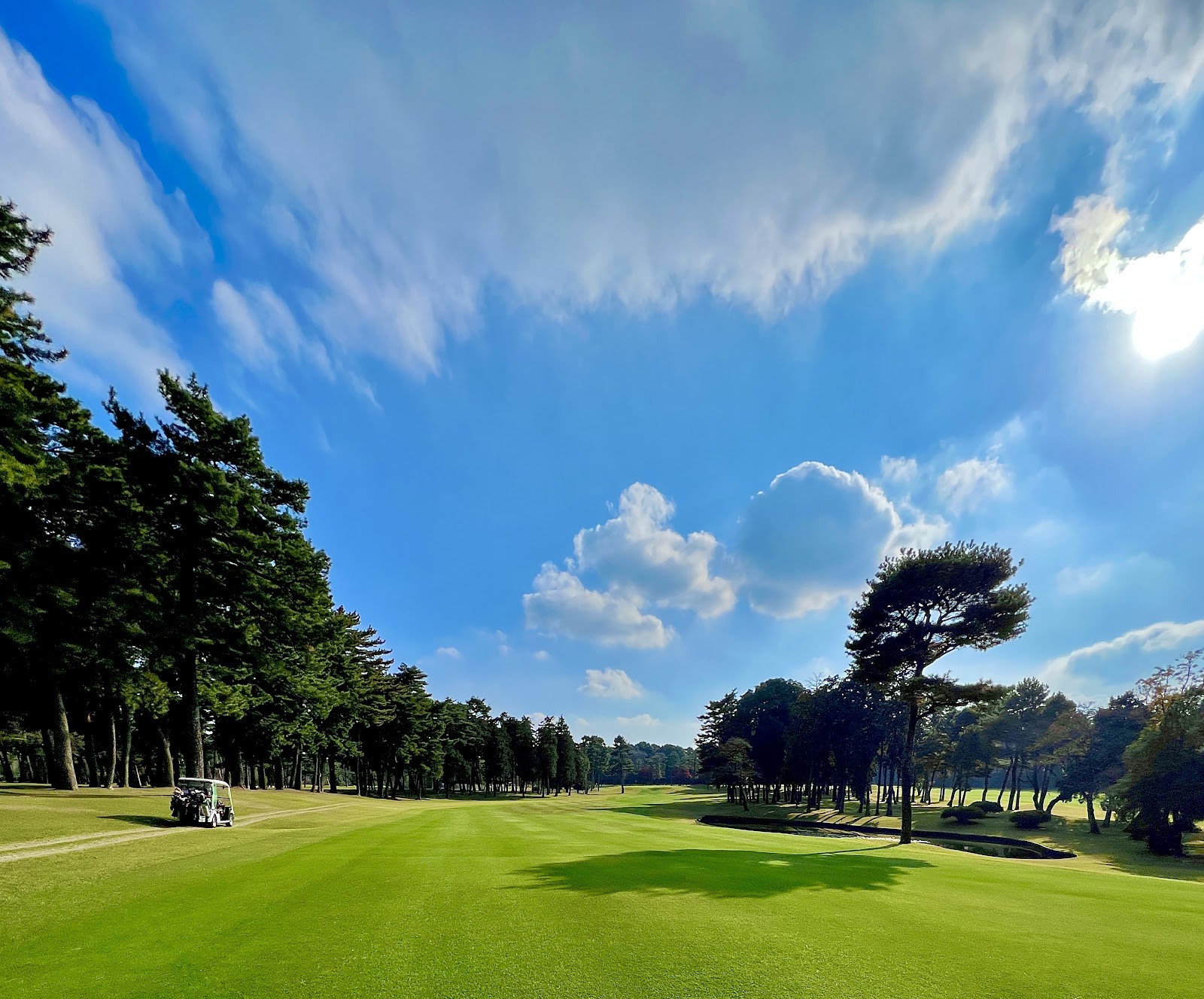
Chiba Country Club Noda Course
Chiba Country Club Noda Course is an 18-hole, par-72 woodland course in Noda, Chiba Prefecture, Japan. It opened in 1955, making it one of the longer-established courses in the area, and plays to 6,800 yards from the back tees. The club operates as a single-course facility, distinct from the nearby Umego Course also carrying the Chiba Country Club name. Caddie service is required for rounds here, and all groups use riding carts. No architect, access route, or pricing details are listed in the available records for this course, so golfers planning a visit should confirm transport and green fee information directly with the club before booking a round.
View Course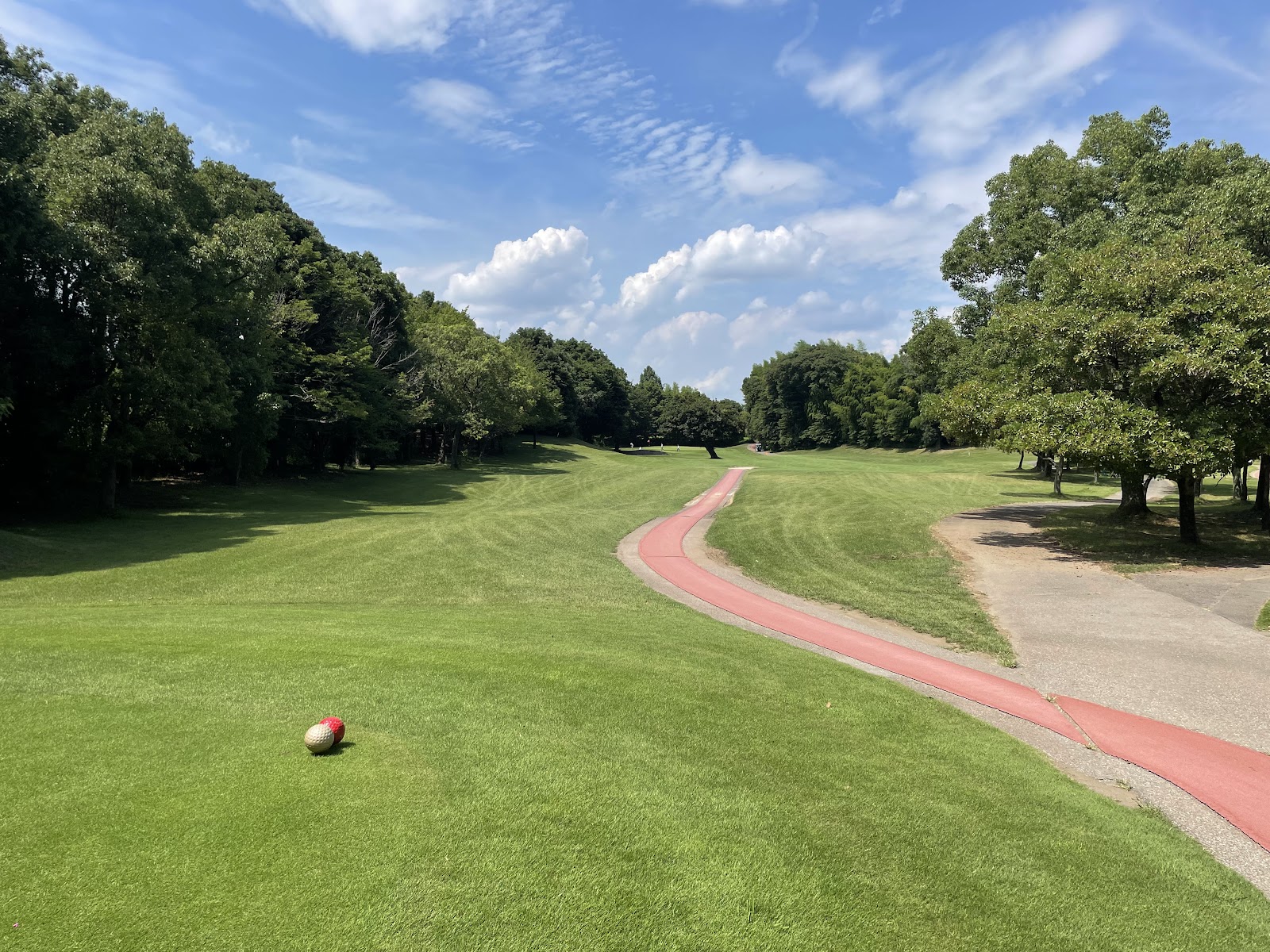
Noda City Public Golf Course Keyaki Course
Noda City Public Golf Course Keyaki Course is an 18-hole, par-71 public course in Noda, Chiba Prefecture, playing to 5,447 yards. It was designed by the golf design office of Dai Nippon Doboku Co., Ltd. As a municipal public course, it is operated as part of Noda City's public facilities. The course is located at Mitsubori in Noda City and can be reached from Kashiwa Station, served by both the JR Joban Line and the Tobu Noda Line. By car, it is accessible from Kashiwa Interchange on the Joban Expressway. No opening year, caddie policy, or pricing information is listed in the available records for this course. As a public facility, it is generally positioned as an accessible golf option for the Noda and Kashiwa area of Chiba Prefecture.
View Course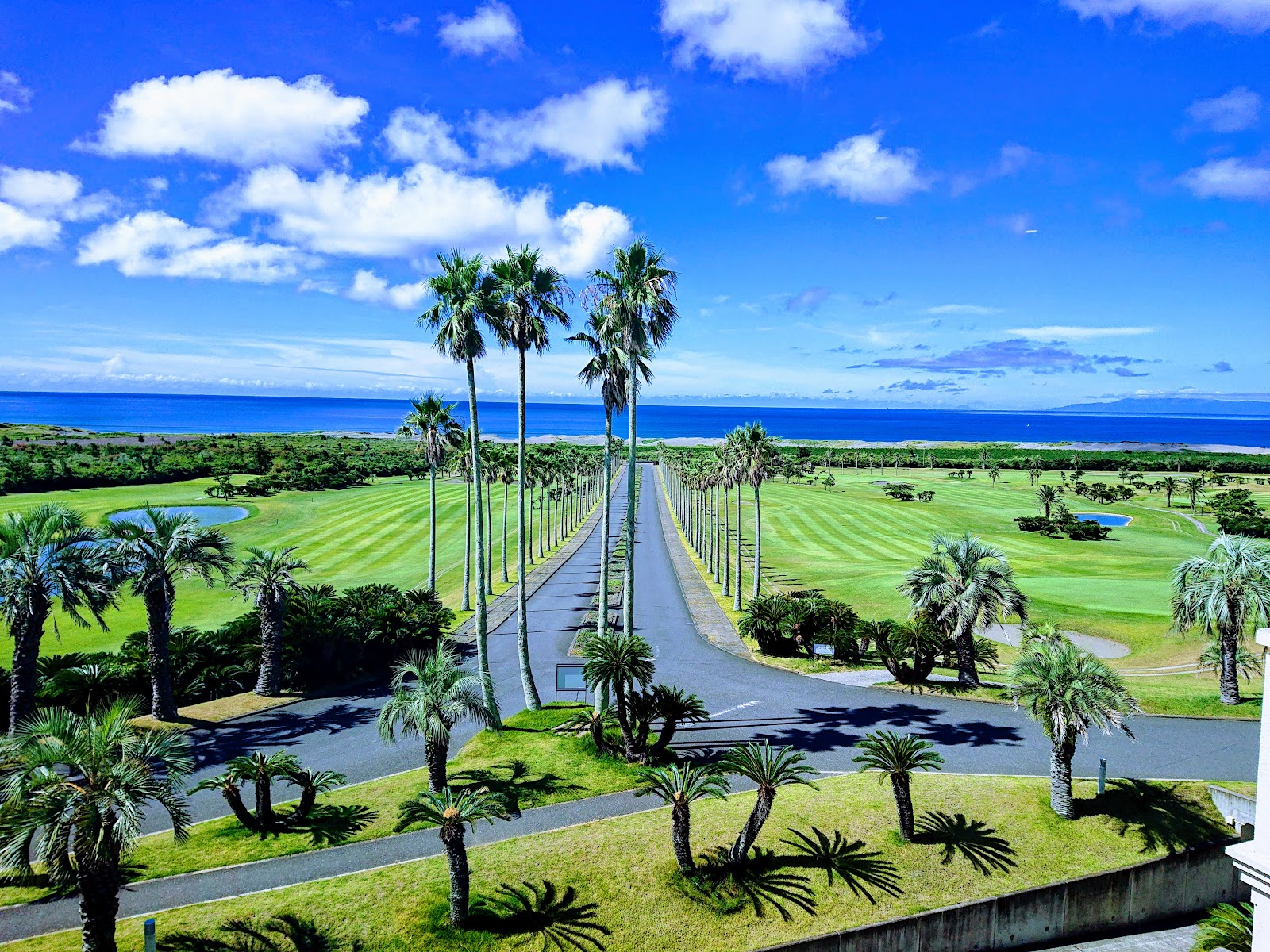
Tateyama Country Club
Tateyama Country Club is a 27-hole, par-108 seaside golf complex on the Boso Peninsula in Tateyama, Chiba. Designed by Sadakichi Mano, the club opened in 1967 and its three linked 9-hole loops play to a combined 9,674 yards. As a seaside layout, several holes run close to the Boso Peninsula coastline. Rounds are self-play, using electromagnetic-guided riding carts fitted with onboard GPS navigation; no caddy service is offered. An on-site bath facility is available for post-round use. The club is reached from JR Uchibo Line's Tateyama Station, or by car via Tomiura IC on the Tateyama Expressway. Green fees start from 12,200 yen on weekdays and 18,250 yen on weekends. With three courses on one site, the club can host larger groups or rotating 18-hole combinations across its 27 holes.
View Course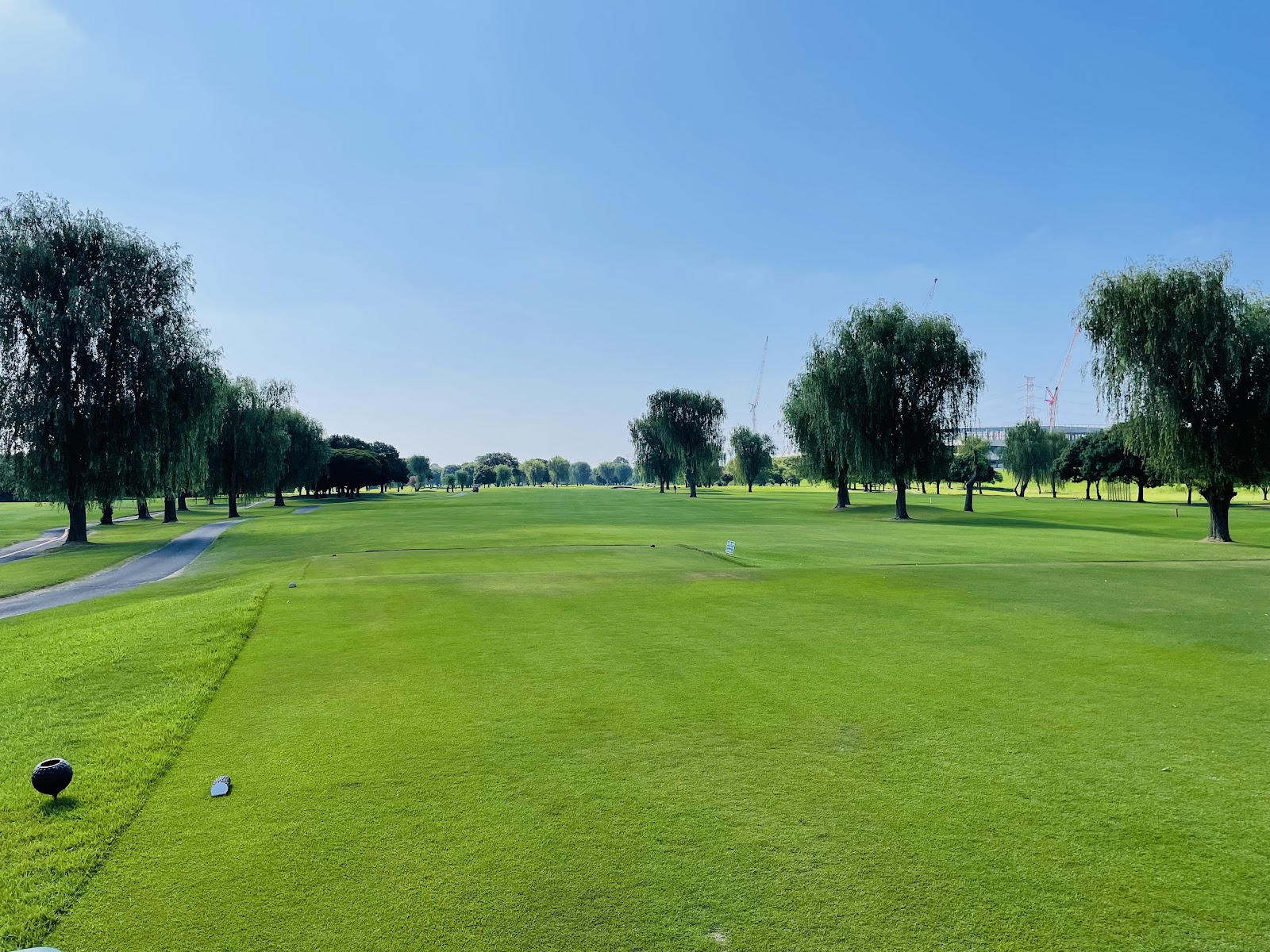
Clearview Golf Club & Hotel
Clearview Golf Club & Hotel is an 18-hole, par-72 riverside course in Noda, Chiba, operated under the PGM group. It opened in 1964 and plays to a yardage of 6,769 from the back tees. The course sits on riverside terrain, and rounds are played with GPS-equipped, self-driven riding carts; no caddy service is provided. Access is via Tsukuba Express's Kashiwa-tanada Station, with a club bus taking about 12 minutes to reach the course, making it reachable without a car from central Tokyo and its suburbs. A bath facility is available on-site after play. The club pairs the course with an attached hotel, positioning it for both same-day rounds and overnight golf trips, though no architect of record is listed for this layout.
View Course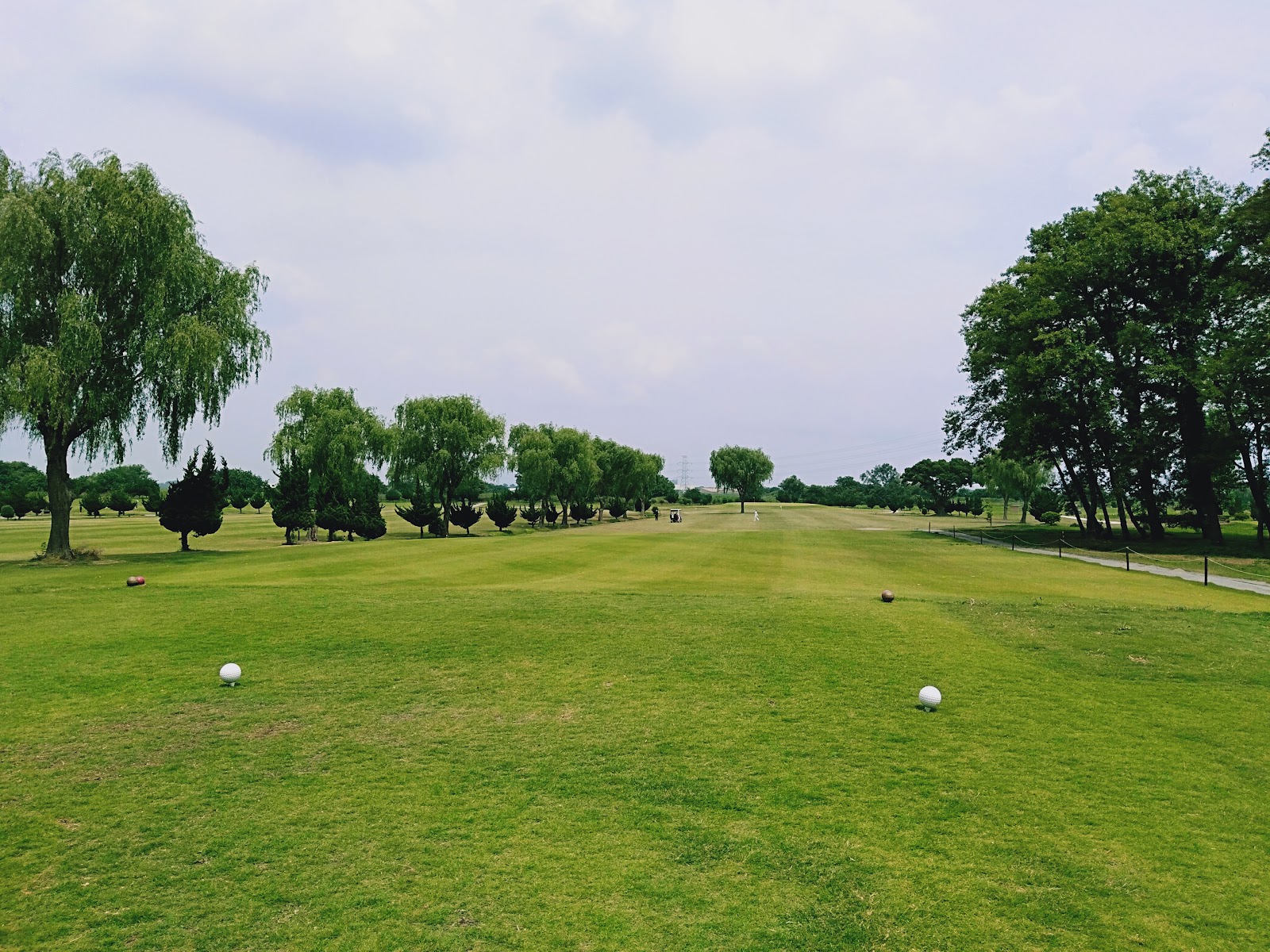
Noda City Public Golf Course Hibari Course
The Hibari Course at Noda City Public Golf Course is an 18-hole, par-72 riverside layout in Noda, Chiba, playing to 6,165 yards. As a municipally run public course, riding carts are permitted onto the fairways rather than confined to cart paths, and rounds are played without a caddy. No bath facility is available on-site. The course is reached from Tsukuba Express's Kashiwa-tanada Station by taxi, about a 15-minute ride, or by car via Kashiwa IC on the Joban Expressway, roughly 20 minutes away. Its riverside setting places it on the flatter ground typical of the Chiba river plains. No opening year or architect is recorded for this course, and it operates as a public facility for golfers visiting the Noda area of Chiba.
View Course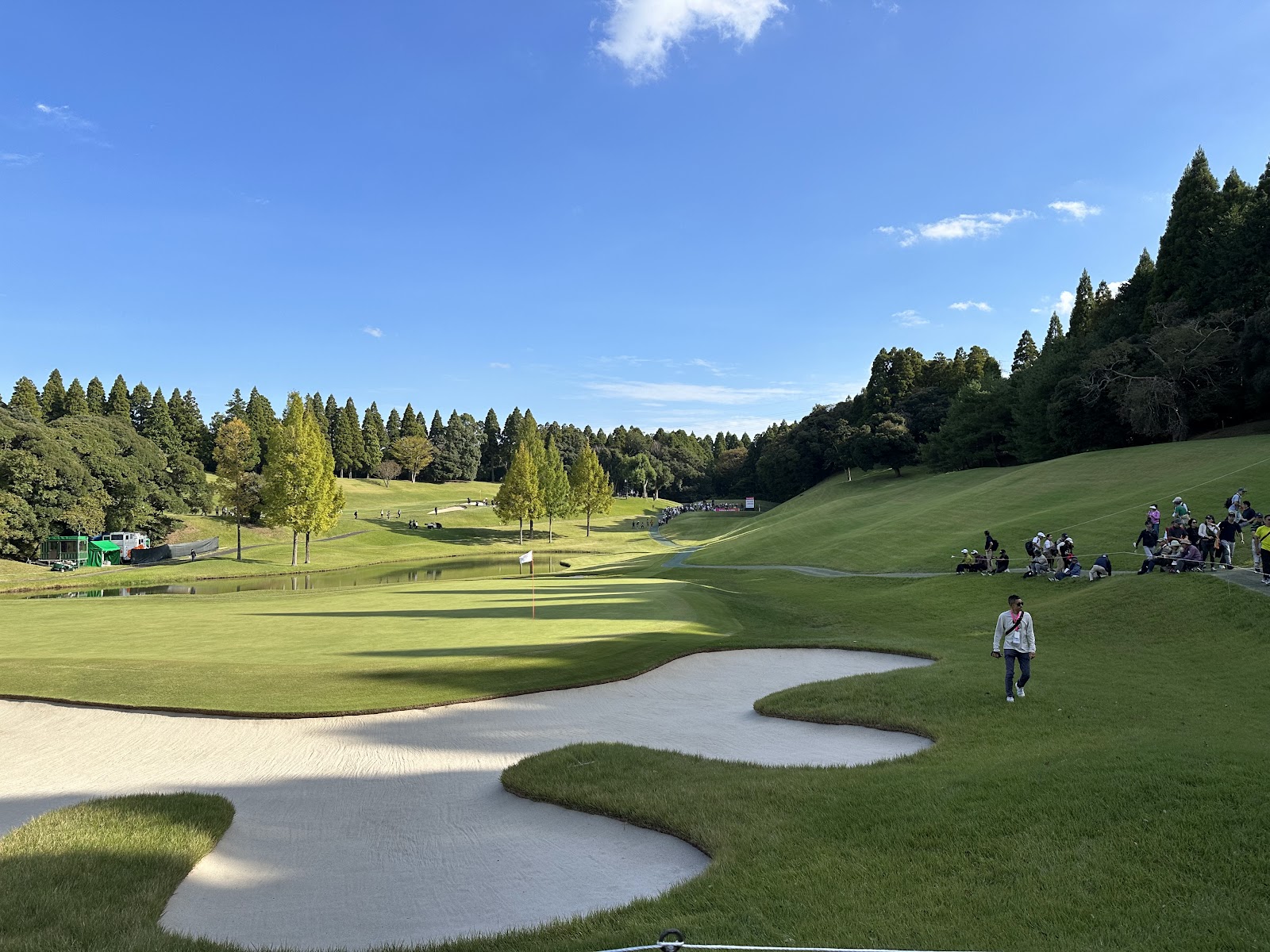
Tokyu Seven Hundred Club East Course
Tokyu Seven Hundred Club East Course is an 18-hole, par-72 hilly course in Midori-ku, Chiba City, Chiba, Japan, one of two courses at the club. It was designed by Chohei Miyazawa and opened in 1989. The course measures 6,500 yards in total. Caddy service is standard, with play on electric riding carts; a self-drive option is available for golfers with a valid license, for an additional fee. The club is reached from Toke Station on the JR Sotobo Line, about a 10-minute taxi ride, and by car it sits close to the Ken-O Expressway, about 2 minutes from Katsura Interchange or 5 minutes from Mobara-Kita Interchange. Green fees start from ¥35,250 on weekdays and rise to ¥44,050 on weekends. As the East Course of a two-course facility, it has offered a caddy-attended, hilly round since opening in 1989.
View Course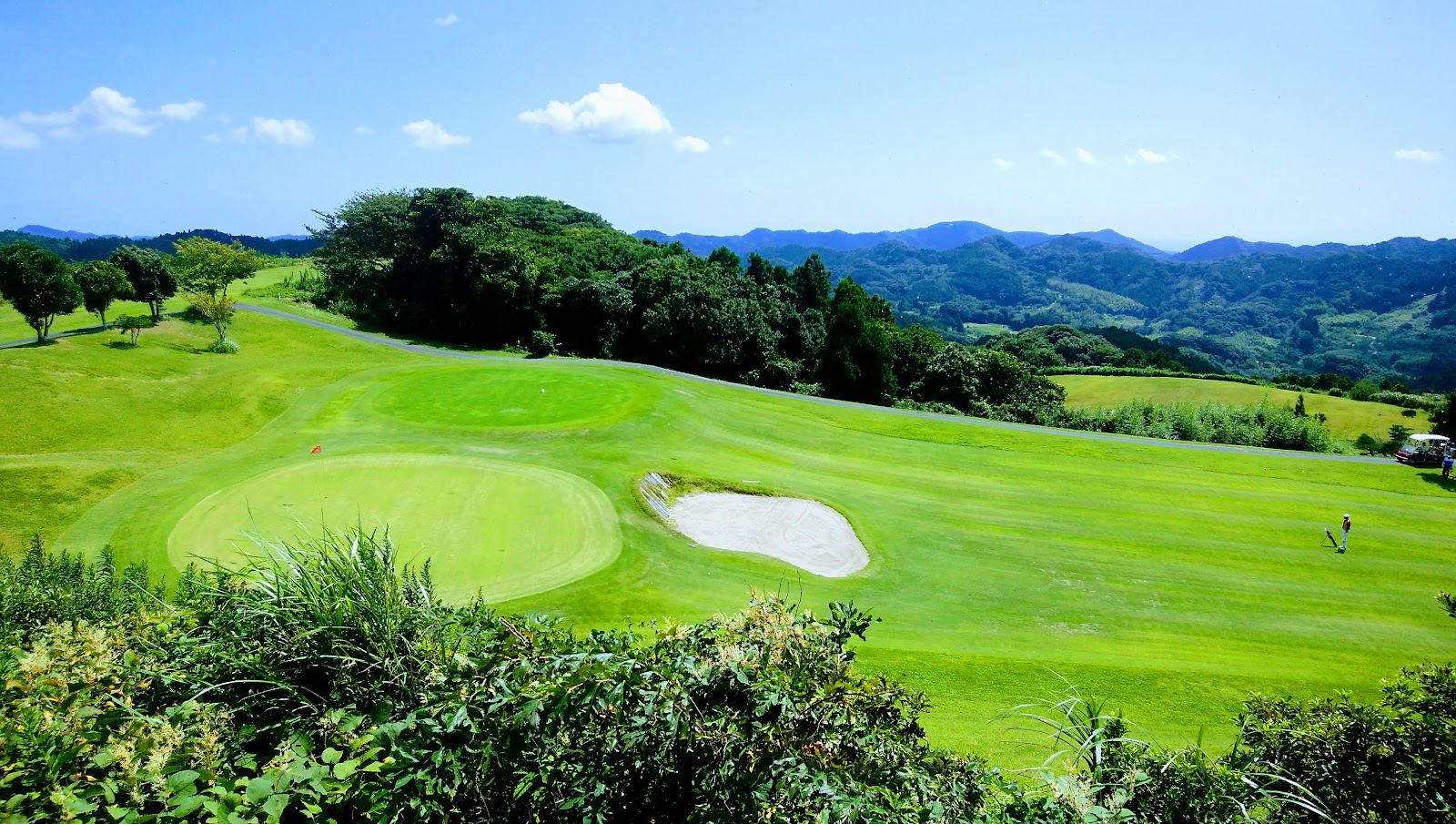
Cosmo Classic Club
Cosmo Classic Club is an 18-hole, par-72 course in Minamiboso, Chiba, on the Boso Peninsula. It measures 6,794 yards from the back tees and was designed under the general supervision of Ryokuzo Asami together with nine other professional golfers. The clubhouse offers bath facilities for golfers after their round. The course is located at 2-404 Otsu, Hiratsuka, in Minamiboso city, about 18 minutes and roughly 10 kilometers from the Kyonan-Hota interchange on the Futtsu-Tateyama Road, making it reachable by car from the Tokyo area via the Boso peninsula expressways. At 6,794 yards against a par of 72, the course is on the longer side for an 18-hole layout, and the involvement of ten designers, led by Asami, in shaping the course gives it a collaborative design pedigree uncommon among courses in the region.
View Course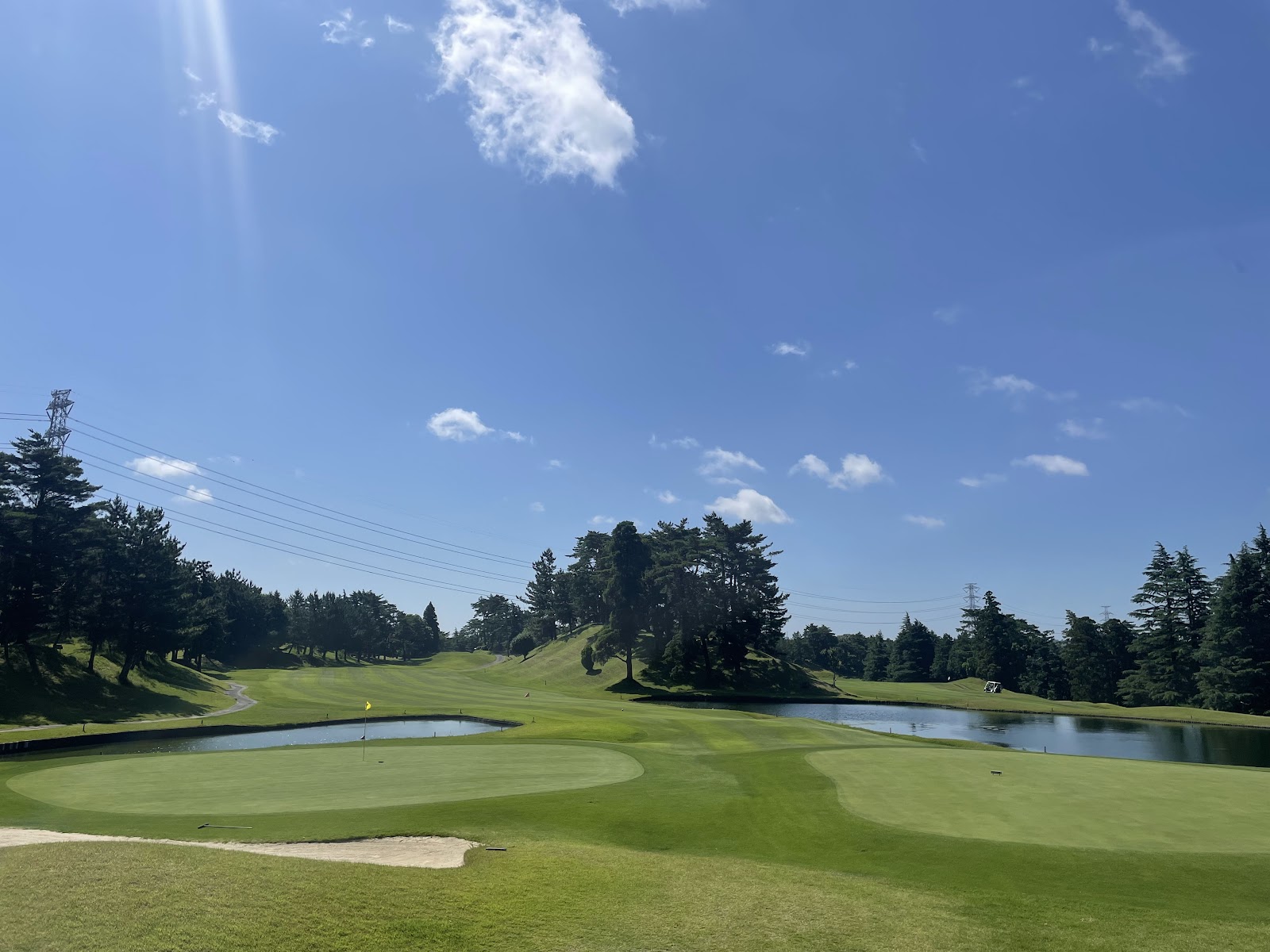
Chiba Country Club
Chiba Country Club is a golf course in Chiba, Japan with 18 holes, par 72. The source data does not include a verified course-type label, so this page avoids adding one. The recorded address is 1234 Chiba City, Chiba Prefecture. Map coordinates are 35.53813, 140.17587, which helps visitors check driving routes, nearby hotels, and regional travel plans before asking for tee-time support. For golf planning, the confirmed course specifications on this page are limited to 18 holes and par 72. The gallery uses 6 course photos from the imported media set, giving visitors a visual check before they contact Elite Golf Japan. Elite Golf Japan can review availability for this course and explain what can be arranged for overseas golfers, including tee-time requests, rental club needs, caddie requests, and English communication with the course. Green fees, visitor rules, dress code, transportation timing, and seasonal operations can change, so those details should be confirmed before booking rather than inferred from the directory listing.
View Course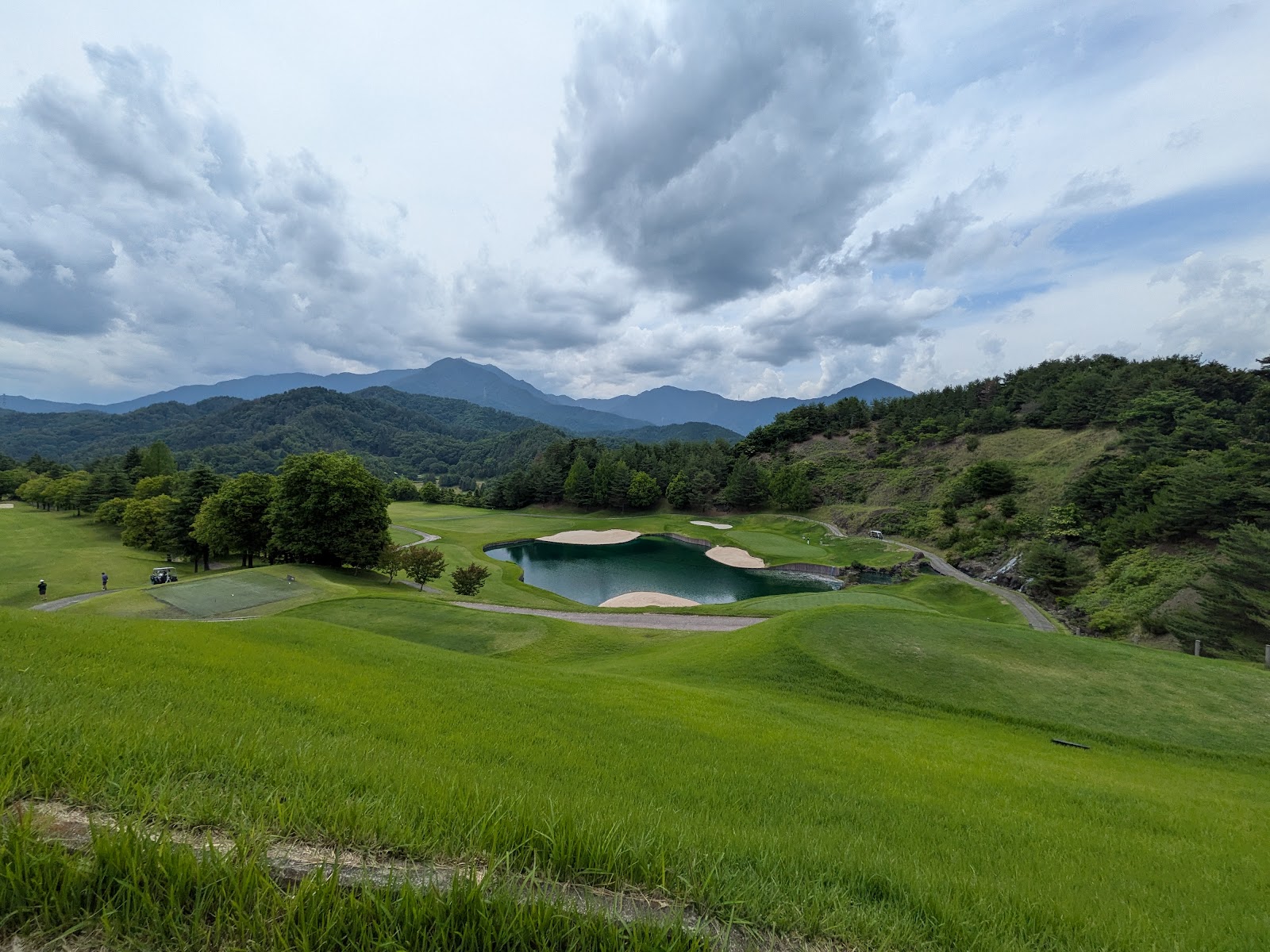
Nishitokyo Golf Club
Nishitokyo Golf Club is a golf course in Chiba, Japan with 18 holes, par 72. The course type is recorded as woodland, and the course page keeps that classification separate from unverified design or history notes. The recorded address is 2108 Tōkaichiba, Tsuru, Yamanashi 402-0031, Japan. Map coordinates are 35.54796, 138.88113, which helps visitors check driving routes, nearby hotels, and regional travel plans before asking for tee-time support. For golf planning, the confirmed course specifications on this page are limited to 18 holes and par 72. The gallery uses 6 course photos from the imported media set, giving visitors a visual check before they contact Elite Golf Japan. Elite Golf Japan can review availability for this course and explain what can be arranged for overseas golfers, including tee-time requests, rental club needs, caddie requests, and English communication with the course. Green fees, visitor rules, dress code, transportation timing, and seasonal operations can change, so those details should be confirmed before booking rather than inferred from the directory listing.
View Course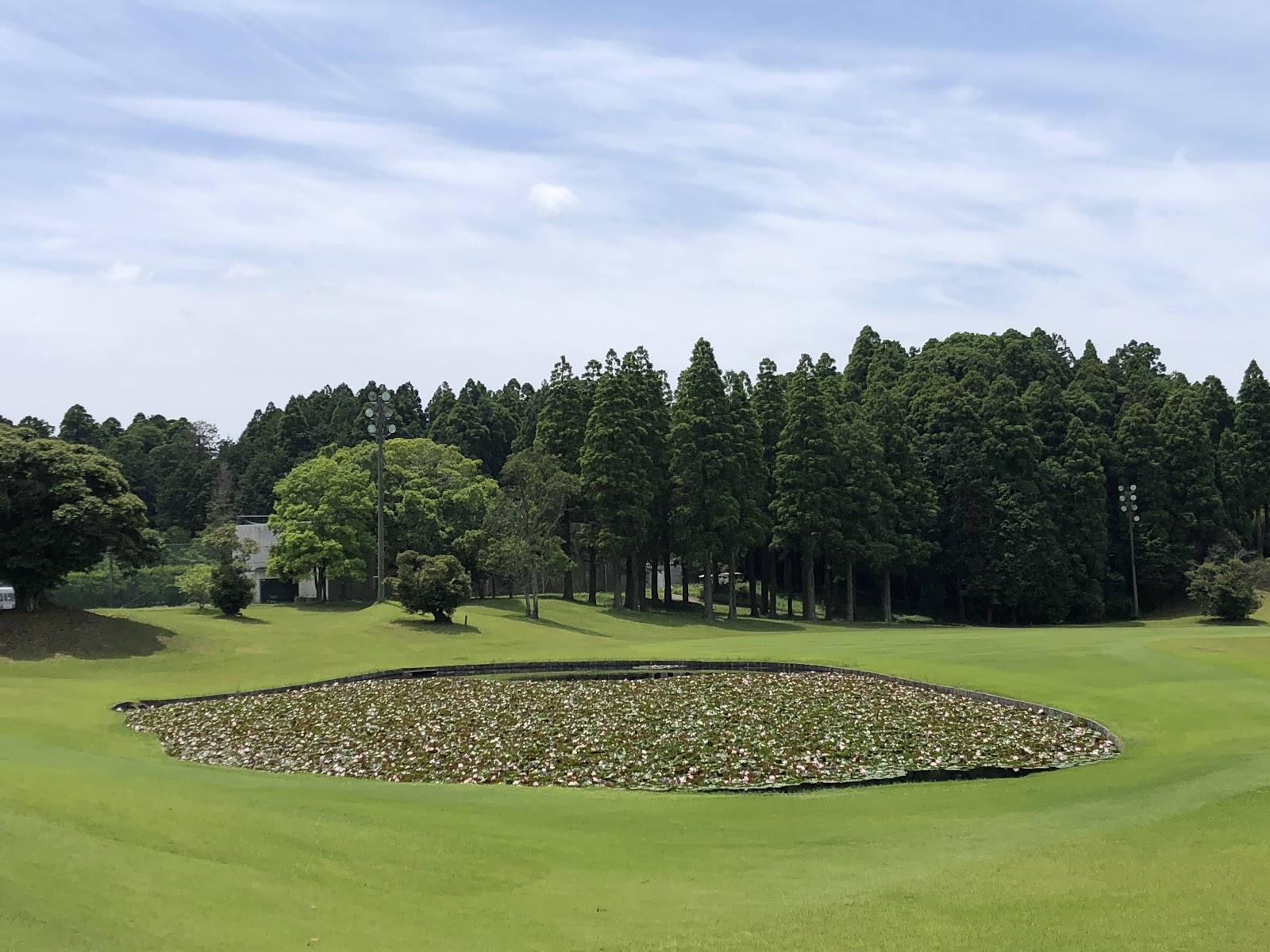
Tokyo Kokusai Airport Golf Club
Tokyo Kokusai Airport Golf Club is a golf course in Chiba, Japan with 18 holes, par 72. The source data does not include a verified course-type label, so this page avoids adding one. The recorded address is 2599 Funakoshi, Tako, Katori District, Chiba 289-2244, Japan. Map coordinates are 35.71441, 140.44911, which helps visitors check driving routes, nearby hotels, and regional travel plans before asking for tee-time support. For golf planning, the confirmed course specifications on this page are limited to 18 holes and par 72. The gallery uses 6 course photos from the imported media set, giving visitors a visual check before they contact Elite Golf Japan. Elite Golf Japan can review availability for this course and explain what can be arranged for overseas golfers, including tee-time requests, rental club needs, caddie requests, and English communication with the course. Green fees, visitor rules, dress code, transportation timing, and seasonal operations can change, so those details should be confirmed before booking rather than inferred from the directory listing.
View Course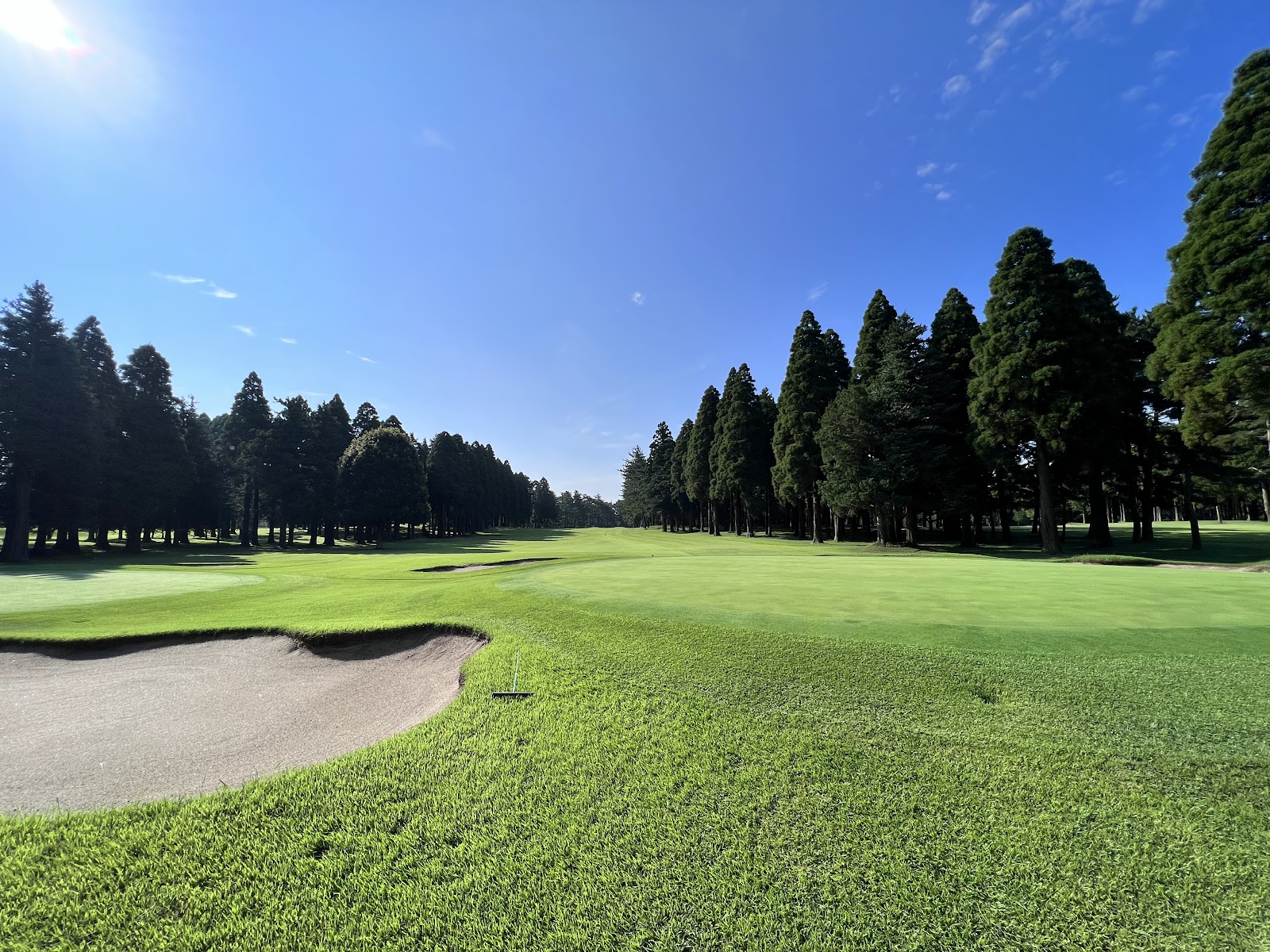
Sodegaura Country Club Shinsode Course
Sodegaura Country Club Shinsode Course is a golf course in Chiba, Japan with 18 holes, par 72. The source data does not include a verified course-type label, so this page avoids adding one. The recorded address is 1140番地 Tomitachō, Wakaba Ward, Chiba, 265-0041, Japan. Map coordinates are 35.59842, 140.25595, which helps visitors check driving routes, nearby hotels, and regional travel plans before asking for tee-time support. For golf planning, the confirmed course specifications on this page are limited to 18 holes and par 72. The gallery uses 6 course photos from the imported media set, giving visitors a visual check before they contact Elite Golf Japan. Elite Golf Japan can review availability for this course and explain what can be arranged for overseas golfers, including tee-time requests, rental club needs, caddie requests, and English communication with the course. Green fees, visitor rules, dress code, transportation timing, and seasonal operations can change, so those details should be confirmed before booking rather than inferred from the directory listing.
View Course